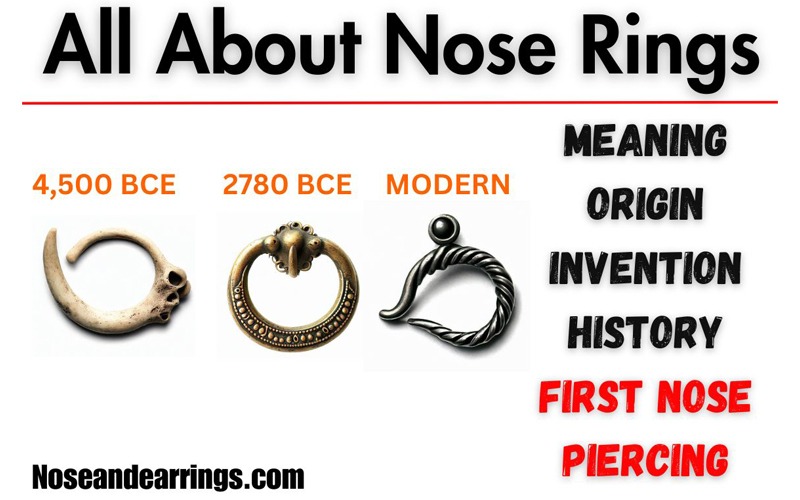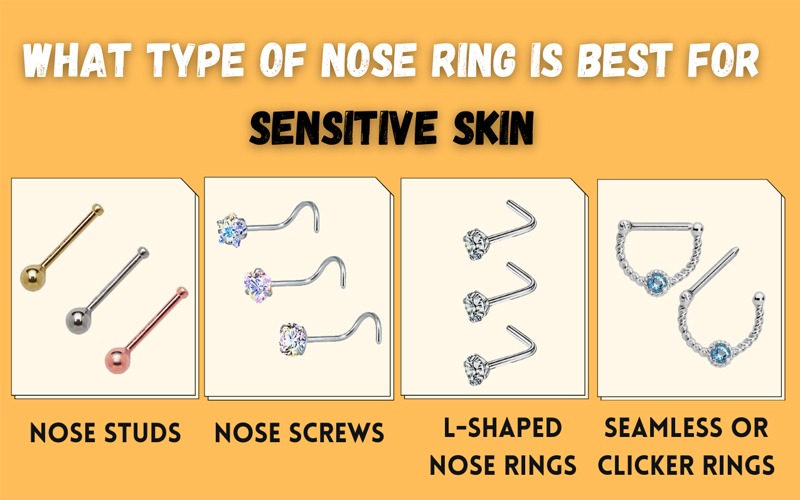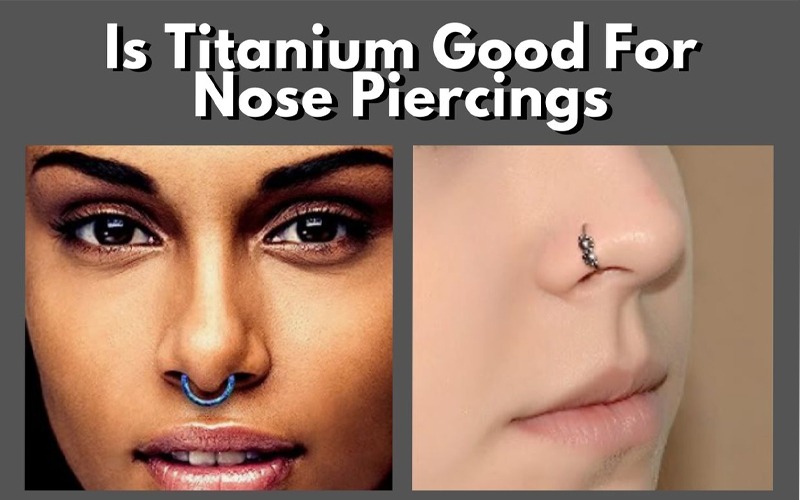
Finding the right fit for a nose ring is crucial for both comfort and style. A properly fitting nose ring should sit snugly without causing irritation, allowing for easy breathing and natural movement. The key to achieving this lies in understanding the various factors that influence fit, including sizes, styles, and materials. In this article, we’ll explore what to consider when choosing the perfect nose ring fit, ensuring that your piercing enhances your appearance while maintaining your comfort.
Understanding Nose Ring Sizes

When it comes to nose rings, size is a critical factor that can greatly influence both comfort and aesthetics. Nose rings typically come in various gauges, with the 20-gauge being the most common choice for many piercings. The gauge refers to the thickness of the jewelry; the lower the number, the thicker the ring. Therefore, a 20-gauge ring is thinner than an 18-gauge ring, which may be more suitable for those with a smaller nostril or who prefer a more delicate appearance.
In addition to gauge, the diameter and hoop size are essential considerations. The diameter refers to the internal measurement of the hoop or the length of the stud. A hoop that is too large may dangle excessively, while one that is too small can pinch the skin and cause discomfort. When selecting a nose ring, it is advisable to consider the anatomy of your nostril; some people may find that a larger diameter suits their face shape better, while others may prefer a tighter fit. Always take measurements, as personal preferences can vary widely, and what may seem like a standard size could differ based on individual anatomy.
Different Styles of Nose Rings
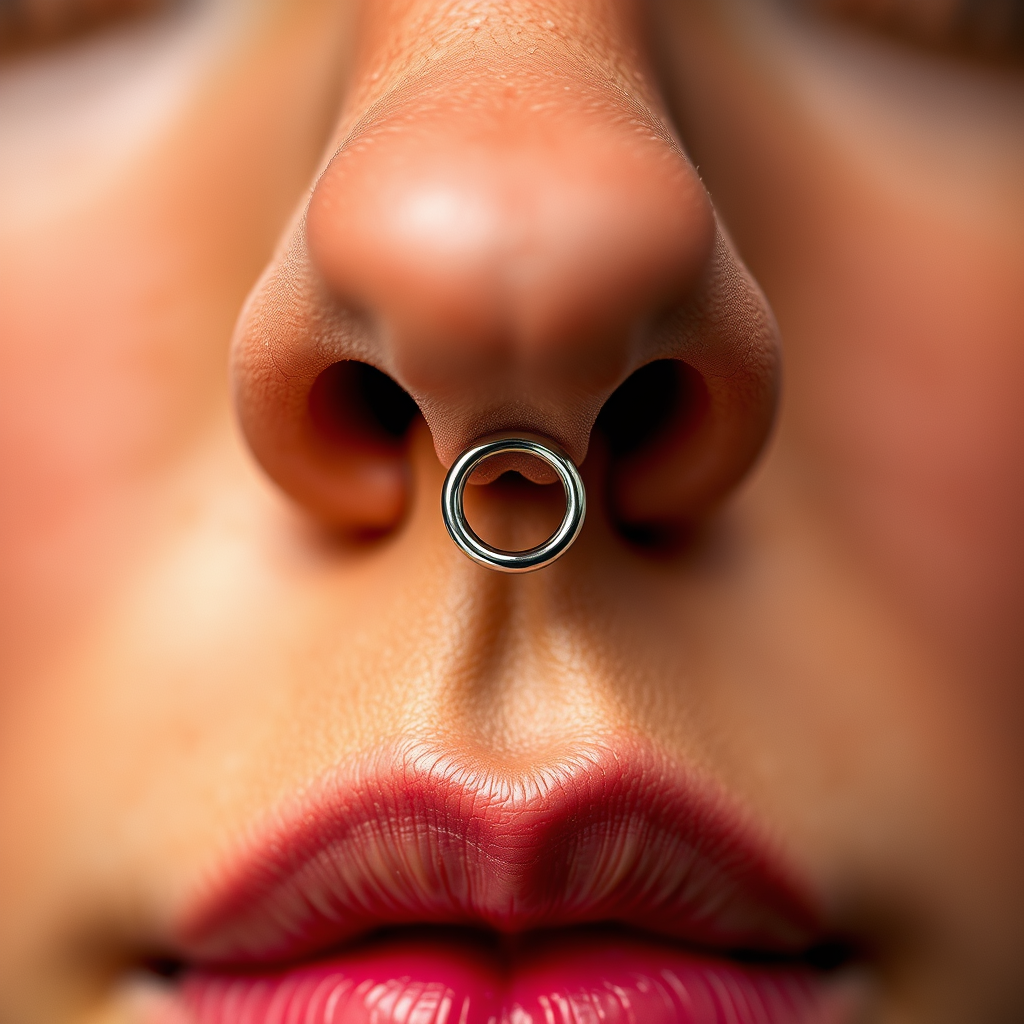
Nose rings come in a variety of styles, each with unique fitting characteristics that can impact how they sit on your face. The most common styles include studs, hoops, and barbells. Nose studs, which typically consist of a post with a decorative end, can sit flat against the nostril, making them a comfortable option for everyday wear. However, it’s essential to choose a stud that fits well in the nostril; if it is too long, it may protrude awkwardly or cause irritation.
Hoops offer a more dynamic look but require careful consideration regarding size and weight. A hoop that is too heavy may pull down on the piercing, causing discomfort, while one that is too small may not fit properly. Additionally, the shape of your nose can influence how different styles appear—rounder noses may lend themselves well to circular hoops, while angular features might suit studded options better. Always keep in mind the aesthetic impact of the style you choose and how it complements your facial structure.
Comfort Factors for Nose Rings
Comfort is paramount when selecting a nose ring, as a well-fitting piece should not pinch or slide excessively. A properly fitted nose ring will feel like a natural part of your anatomy, allowing for movement without the risk of irritation. To ensure this comfort, consider the curvature of the ring; a slight bend may be necessary to align it with the natural contour of your nostril.
Another crucial factor is the material of the nose ring. Choosing hypoallergenic metals, such as surgical steel, titanium, or gold, is essential for those with sensitive skin. Allergic reactions can lead to redness, swelling, and discomfort, which may dissuade you from wearing your nose ring altogether. Always check the metal quality and be wary of cheaper imitation options that may contain nickel or other allergens.
How to Measure for the Right Fit
Accurate measurement is key to finding the right fit for your nose ring. To measure the diameter of your nostril, use a ruler or caliper for precision. Start by measuring the width of the nostril opening, as this will help determine which size will sit comfortably without causing discomfort.
Alternatively, many jewelry stores offer nose ring sizers, which can provide a practical way to gauge fit. If you are considering a specific style, it is advisable to try similar rings to assess how they feel before making a purchase. This hands-on approach can help you avoid the frustration of buying a piece that doesn’t fit well.
Adjusting Your Nose Ring
Some nose rings, particularly those with adjustable features, can be modified for a better fit. Understanding how to adjust the fit safely is vital, as improper handling can lead to damage or discomfort. If you have a hoop nose ring, you may be able to gently bend it to better align with your nostril’s shape. However, this should be done with caution to avoid breaking the metal.
If you experience discomfort or if you’re uncertain about making adjustments, consulting a professional piercer is the best course of action. They can provide expert advice tailored to your specific situation and may offer adjustments that improve comfort and fit without risking damage to the jewelry.
Maintaining Your Nose Ring
Regular maintenance of your nose ring is essential to prevent infections and irritation. Cleaning your nose ring should be part of your daily hygiene routine, especially in the initial healing period. A saline solution or a gentle antiseptic can be used to clean both the ring and the piercing site. Avoid using harsh chemicals or alcohol, as they can irritate the skin and prolong healing.
Additionally, knowing when to replace your nose ring is crucial for both fit and hygiene. Over time, even high-quality materials can wear down or become tarnished, which may lead to discomfort. Regularly inspect your nose ring for signs of wear and replace it if you notice any issues. Keeping your jewelry fresh not only enhances comfort but also ensures that your style remains on point.
Finding the right fit for your nose ring can enhance your overall look and comfort. By understanding sizes, styles, and proper maintenance, you can enjoy your piercing without issues. If you’re unsure about your fit, consult a professional for advice tailored to your unique features. Explore your options today!
Frequently Asked Questions
What size should a nose ring be for a comfortable fit?
The size of a nose ring should ideally match the gauge of the piercing, which is commonly 20 or 18 gauge for nostril piercings. It’s important to choose a ring that fits snugly without being too tight, as this can cause irritation or discomfort. A properly sized nose ring allows for a little movement but should not easily fall out or pinch the skin.
How do I know if my nose ring is too tight or too loose?
You can determine if your nose ring is too tight or too loose by checking for signs of discomfort or irritation. A ring that is too tight may cause redness, swelling, or pain, while a loose ring might move excessively or fall out. Ideally, your nose ring should sit securely in place, allowing for slight movement without causing any pain or discomfort.
Why does my nose ring feel uncomfortable after getting it pierced?
It’s common for a new nose ring to feel uncomfortable due to swelling and sensitivity in the area immediately after piercing. This discomfort can also occur if the ring is too tight or if you are using a material that irritates your skin. To alleviate discomfort, ensure you are using quality materials, keep the area clean, and allow time for healing, which typically takes 4 to 6 months.
What type of nose ring is best for sensitive skin?
For sensitive skin, it’s best to choose nose rings made from hypoallergenic materials such as titanium, surgical stainless steel, or gold that is nickel-free. These materials reduce the risk of allergic reactions and irritation. Additionally, opting for a seamless or smooth design can help prevent discomfort and promote healing during the initial piercing phase.
Which style of nose ring fits best for everyday wear?
The best style of nose ring for everyday wear often depends on personal preference but generally includes studs or small hoops. Studs are less likely to get caught on clothing or hair, making them a practical choice for daily use. Small hoops can also be comfortable if they fit well without being overly loose, providing a stylish yet secure option for those looking to make a fashion statement.
References
- Nose ring
- https://www.ncbi.nlm.nih.gov/pmc/articles/PMC5969268/
- https://www.healthline.com/health/nose-piercing-care
- https://www.verywellhealth.com/nose-piercing-5075895
- https://www.americanacademyofdermatology.org/publications/dermatology-world/dermatology-world-articles/2020/november/nose-piercings-and-dermatitis
- https://www.piercing.org/faq/
- Asthma diet: Does what you eat make a difference? – Mayo Clinic
- https://www.webmd.com/beauty/features/nose-piercing-care-tips
- https://www.clevelandclinic.org/health/diseases/21159-nose-piercing-infection