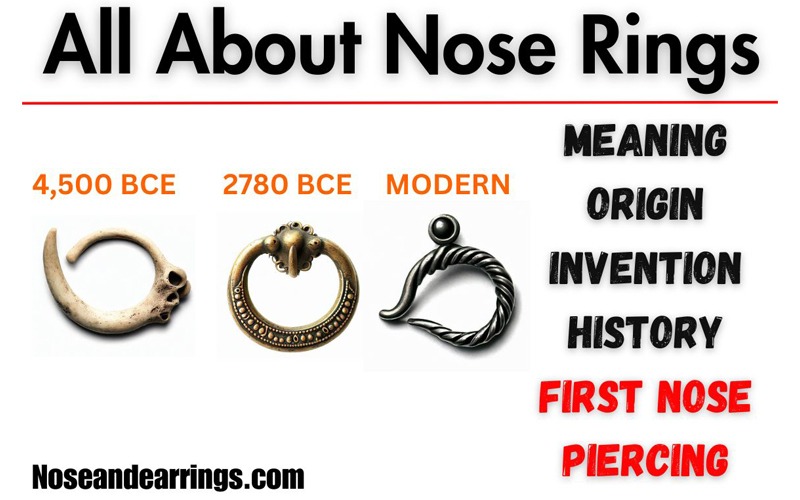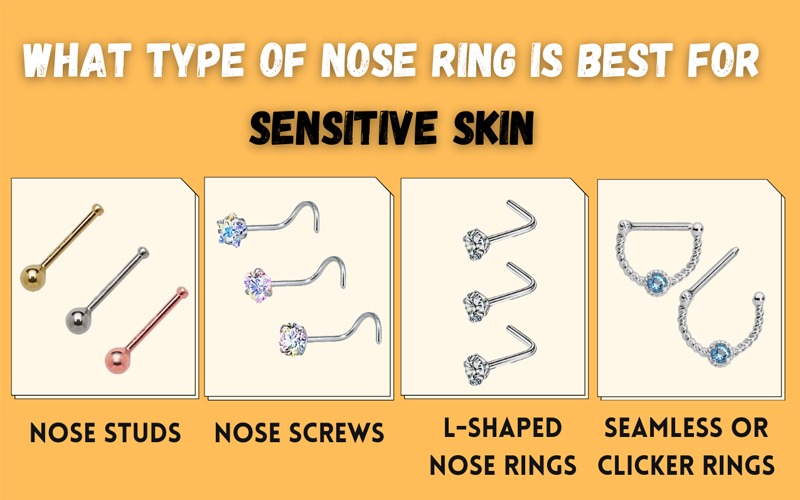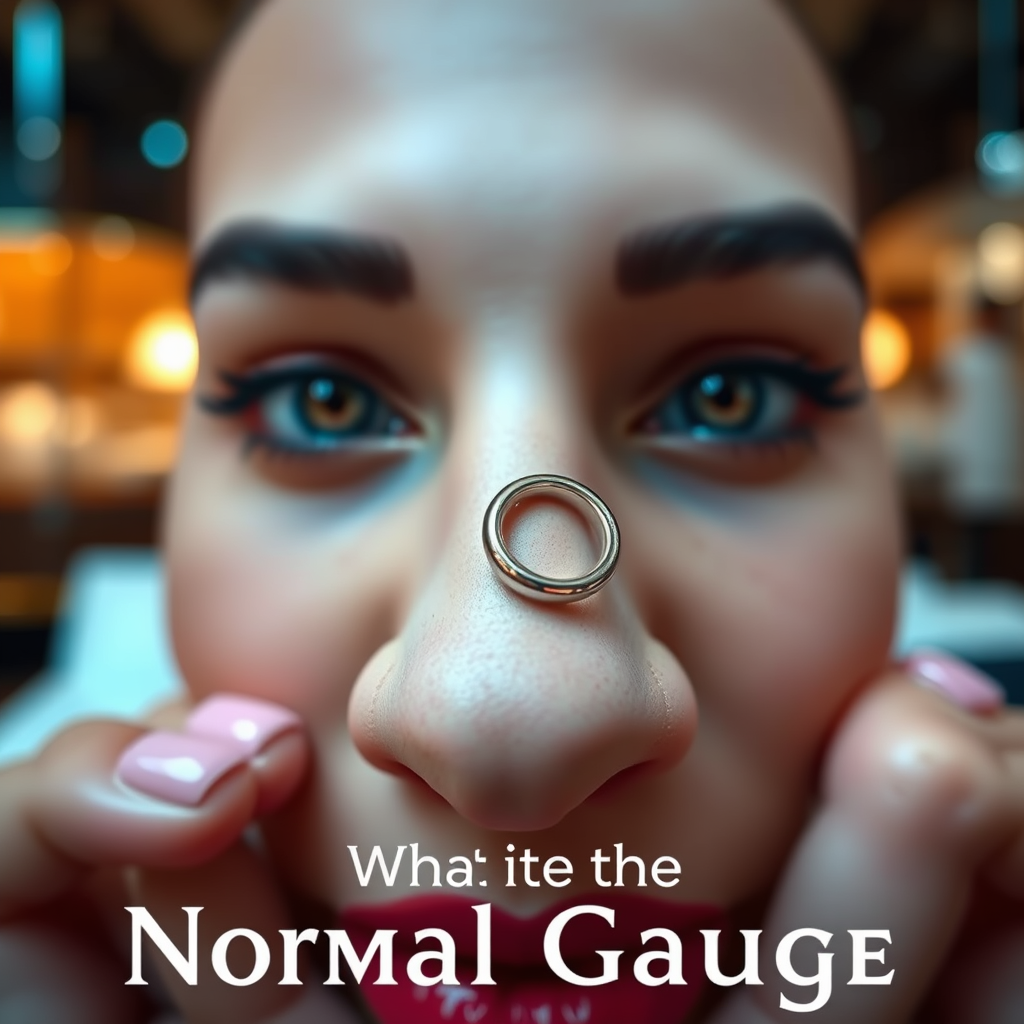
Choosing the right gauge for a nose ring is crucial for both comfort and style. The standard gauge for most nose piercings is typically 20 gauge (0.8 mm) or 18 gauge (1.0 mm). Selecting the appropriate gauge not only affects how the jewelry fits but also influences the overall aesthetic of the piercing. In this article, we will delve deeper into the significance of these gauge sizes, how to choose the right one for your individual piercing, and key considerations for aligning your jewelry choice with your personal style.
Understanding Nose Ring Gauges
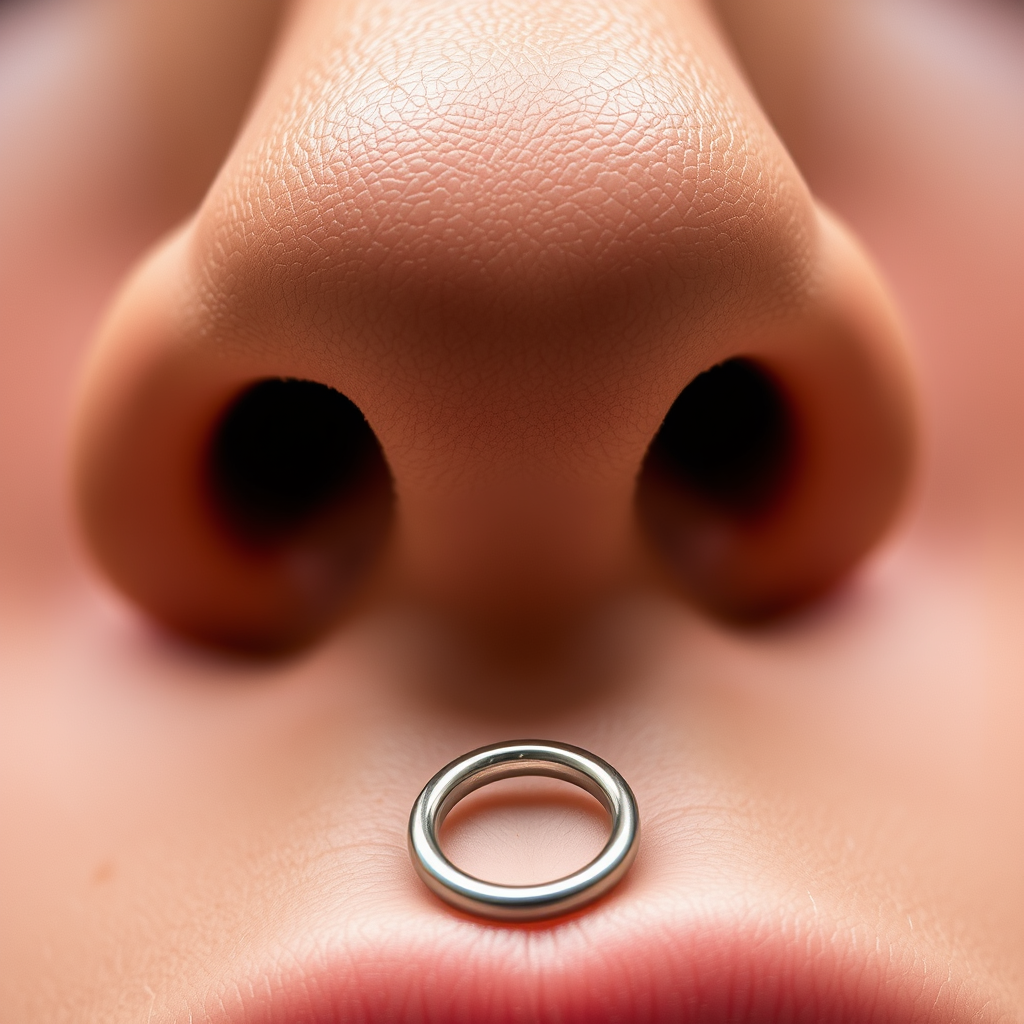
The gauge size of a nose ring refers to the thickness of the jewelry, and it follows an inverse scale where a lower number denotes a thicker piece. For instance, a 20 gauge nose ring is thinner than an 18 gauge one. The most common size for new piercings is 20 gauge, which offers a harmonious balance of comfort and durability. This size is generally well-tolerated by most individuals and provides sufficient strength to prevent bending or breaking during everyday activities.
For those who prioritize ease of insertion and removal, a 20 gauge ring is often the preferred choice. Furthermore, many jewelry manufacturers produce a wider range of designs in this gauge, allowing for more options in terms of style and aesthetics. Understanding this basic metric is essential for anyone considering a nose piercing or looking to upgrade their existing jewelry.
Different Gauge Sizes Explained
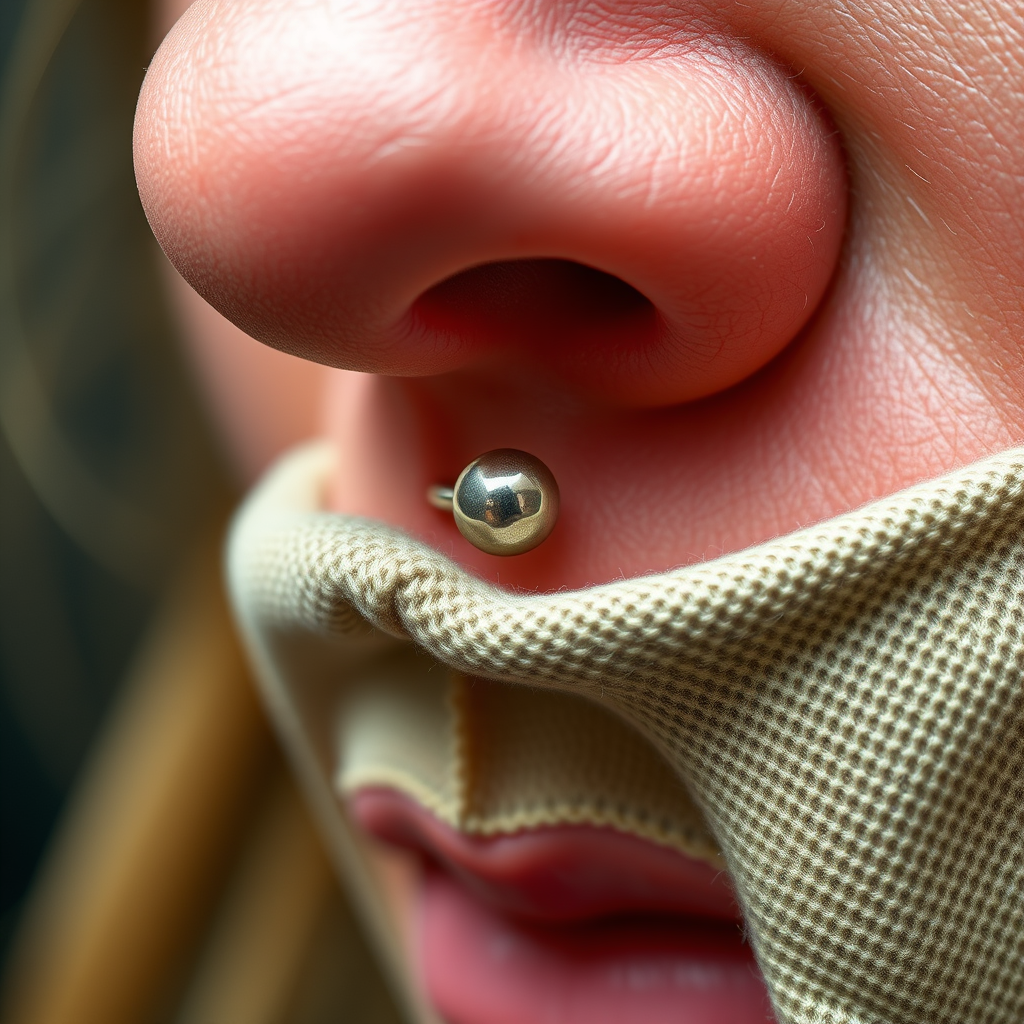
While 20 and 18 gauges are the most commonly used sizes for nose rings, it is important to note that other sizes also exist. The 18 gauge, slightly thicker than 20 gauge, measures 1.0 mm in diameter and may be favored by individuals seeking a more robust appearance. This gauge can lend an edgier look and is often used for jewelry that features intricate designs or embellishments.
Additionally, there are other sizes such as 22 gauge (0.6 mm), which are less common but may be suitable for more delicate or specialized piercings. While thinner gauges can offer a more understated and dainty look, they may also be more prone to bending or damage. As such, the choice of gauge should align with not only personal aesthetic preferences but also lifestyle considerations.
Factors Influencing Gauge Choice
Choosing the right gauge is influenced by several factors, including personal comfort and style preferences. Comfort is often subjective, as some individuals find thinner gauges more comfortable for daily wear, while others may prefer the sturdiness of a thicker gauge. It is advisable to try different gauges if possible, as this can significantly impact the overall experience of wearing a nose ring.
Moreover, gauge size can also dramatically affect the visual impact of the jewelry. Thicker gauges often provide a bolder statement, making them ideal for those looking to showcase their piercing as a prominent feature. Conversely, thinner gauges may complement a more subtle aesthetic, appealing to those who favor a minimalist approach. When selecting a gauge, it is essential to consider not only how it feels but also how it aligns with your personal fashion style.
Transitioning Between Gauges
If you are considering changing the gauge of your nose ring, it is vital to approach the process with caution. Consulting with a professional piercer is highly recommended, as they can provide guidance tailored to your specific piercing and anatomy. Changing gauges should be done gradually to avoid damage or discomfort.
Stretching the piercing is a common method used to accommodate a larger gauge, but it is crucial to do this in a controlled manner. Abrupt changes can lead to complications such as tearing or scarring. A professional can assist with the stretching process and advise on the appropriate aftercare to ensure a smooth transition.
Maintenance and Care for Different Gauges
Regardless of gauge size, proper maintenance and care are essential to prevent infections and ensure the longevity of your nose jewelry. For both 20 and 18 gauge rings, regular cleaning with a saline solution or a specialized piercing aftercare solution is recommended. This practice helps to keep the area clean and free from bacteria.
When it comes to thicker gauges, it is important to consider the materials used in the jewelry. For instance, titanium and surgical stainless steel are often recommended for their hypoallergenic properties, making them ideal for sensitive skin. However, thicker gauges may require different types of care depending on their design and material. For example, jewelry with intricate designs may accumulate dirt and debris more quickly, necessitating more frequent cleaning.
Choosing Jewelry Based on Gauge
Selecting the right type of metal for your nose ring based on its gauge is crucial, especially for individuals with sensitive skin. Titanium is an excellent choice due to its biocompatibility and resistance to corrosion. Stainless steel is another popular option, though it is essential to ensure it is of high quality to avoid skin irritation.
In addition to material, the design and style of the jewelry should also complement your face shape and personal aesthetic. For example, a larger gauge may look striking on someone with a defined jawline, while a smaller gauge could enhance a softer facial structure. Ultimately, the right piece of jewelry should resonate with your personal style while providing the comfort and durability needed for everyday wear.
The right gauge for your nose ring can significantly enhance both comfort and style. By understanding the differences between gauge sizes and their implications, you can make an informed choice that suits your personal taste and body. Whether you’re newly pierced or looking to upgrade your jewelry, prioritize both comfort and aesthetics. For further guidance, consider visiting a professional piercer who can assist you in selecting the best options for your needs.
Frequently Asked Questions
What is the standard gauge for a nose ring?
The standard gauge for a nose ring is typically 20 gauge (0.8 mm) or 18 gauge (1.0 mm). These sizes are commonly used for initial piercings, as they provide a good balance between comfort and stability. It’s essential to choose the right gauge to ensure an easy healing process and to avoid irritation or complications.
How do I know what gauge my current nose ring is?
To determine the gauge of your current nose ring, you can use a gauge measuring tool or a caliper. Alternatively, you can compare your ring to a standard size chart found online. If you’re unsure, visiting a professional piercer can help you accurately identify the gauge without damaging the jewelry or your piercing.
Why does the gauge size matter for nose rings?
The gauge size matters for nose rings because it affects the fit, comfort, and healing process of the piercing. A gauge that is too thick may cause discomfort and hinder healing, while one that is too thin may not provide adequate support. Choosing the correct gauge is crucial for preventing irritation and ensuring a successful healing period.
What is the best gauge for a nose ring for a healed piercing?
For a healed piercing, the best gauge for a nose ring is often 20 gauge (0.8 mm) as it allows for a comfortable fit while maintaining a secure hold. However, some individuals prefer 18 gauge (1.0 mm) for added sturdiness. Ultimately, the choice may vary based on personal preference, style, and the specific anatomy of the wearer.
Which materials are recommended for nose rings in standard gauge sizes?
Recommended materials for nose rings in standard gauge sizes include surgical stainless steel, titanium, and 14k or 18k gold. These materials are hypoallergenic, durable, and less likely to cause allergic reactions, making them ideal for sensitive skin. When selecting a nose ring, ensure it is made from high-quality materials to promote healing and prevent irritation.
References
- Nose piercing
- https://www.ncbi.nlm.nih.gov/pmc/articles/PMC6750985/
- https://www.healthline.com/health/nose-piercing-guide
- https://www.verywellhealth.com/nose-piercing-5088708
- https://www.aafp.org/pubs/afp/issues/2009/1015/p1025.html
- https://www.cdc.gov/nceh/lead/faq.htm