If your nose ring is infected, it’s essential to take immediate action to prevent further complications. Begin by cleaning the area with saline solution and avoiding any irritation. An infection can lead to more severe issues if left untreated, so recognizing the symptoms early and knowing how to treat them is crucial. In this article, you’ll learn how to identify an infection, treat it effectively, and know when to seek professional help.
Identifying Signs of Infection

The first step in addressing an infected nose ring is recognizing the signs of infection. Common indicators include redness, swelling, and discharge around the piercing site. The skin surrounding the piercing may appear inflamed and warm to the touch. Discharge may vary in color; yellow or green discharge could indicate a bacterial infection, while clear fluid may suggest irritation rather than an infection.
Additionally, pay attention to any unusual pain or sensitivity in the area. An infected piercing often feels tender and may cause sharp pain, especially if touched. If you notice these symptoms developing, it’s important to act quickly to prevent the infection from worsening.
First Steps for Treatment

Once you’ve identified signs of infection, the next step is to initiate treatment. Begin by cleaning the area gently with saline solution — either a pre-made saline solution or one you create at home by mixing one teaspoon of non-iodized sea salt in a cup of warm distilled water. Use a clean cotton ball or swab to apply the solution to the affected area, ensuring you remove any crust or discharge without causing further irritation.
Importantly, avoid removing the nose ring. Removing the jewelry can lead to the wound closing around the infection, trapping bacteria inside and potentially leading to a more severe condition. Keeping the nose ring in place allows for proper drainage and prevents the wound from closing prematurely.
Home Remedies for Relief
In addition to cleaning the infected area, several home remedies can provide relief and assist in the healing process. One effective method is using warm compresses. Soak a clean cloth in warm water and apply it to the infected area for 10-15 minutes. The heat can help reduce swelling and increase blood flow, promoting healing.
Consider applying tea tree oil or a mild antiseptic ointment to the affected area as well. Tea tree oil is known for its antibacterial properties; however, it should be used cautiously and diluted with a carrier oil to avoid skin irritation. Always perform a patch test to ensure your skin does not react adversely to any topical treatment.
When to Seek Medical Help
While many nose ring infections can be managed at home, certain symptoms warrant professional medical attention. If you notice that symptoms worsen or do not improve within a few days of home treatment, it is crucial to consult a healthcare professional. Additionally, symptoms such as fever, excessive pain, or spreading redness can indicate a more serious infection that requires immediate medical intervention.
A doctor may prescribe oral antibiotics or, in severe cases, may need to drain an abscess. Early intervention can help prevent complications and ensure a quicker recovery.
Preventing Future Infections
Preventing future infections is key to maintaining healthy piercings. Always ensure proper hygiene before touching your piercing. Wash your hands thoroughly with soap and water, and consider using hand sanitizer before applying any products to the area.
Additionally, avoid swimming in pools, hot tubs, or any bodies of water until your piercing is fully healed. These environments can harbor bacteria that may lead to infection. It’s also advisable to avoid sleeping on the side of the piercing until it has completely healed, as this can cause friction and irritation.
Caring for Your Piercing Post-Infection
Once the infection has cleared, caring for your piercing properly is essential for long-term health. Continue following aftercare guidelines, which may include cleaning the area with saline solution regularly and avoiding products that can irritate the skin, such as alcohol or hydrogen peroxide.
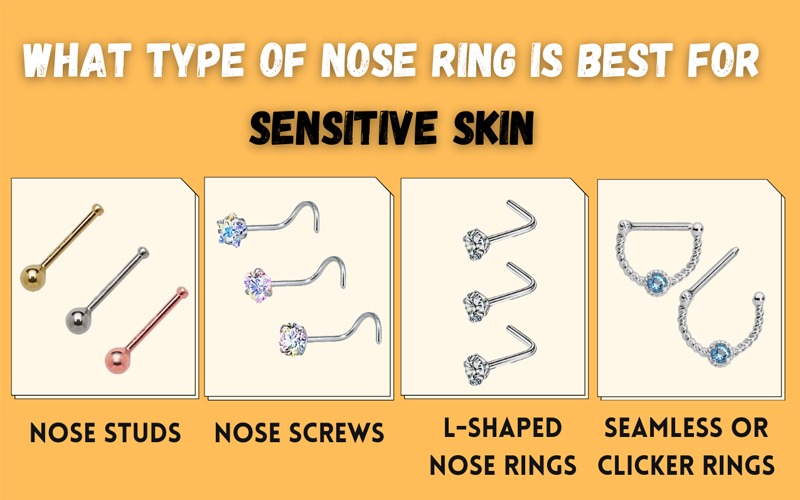
If you experience persistent irritation after the infection has healed, consider switching to hypoallergenic jewelry, such as titanium or surgical steel, which are less likely to cause allergic reactions. Regularly assessing the health of your piercing and maintaining good hygiene will help ensure that your nose ring remains a source of beauty rather than discomfort.
Taking swift and appropriate action when your nose ring is infected can help alleviate symptoms and prevent further issues. Always prioritize hygiene and be attentive to changes in your piercing. If symptoms persist, don’t hesitate to reach out to a healthcare professional for advice and treatment. Remember, a little care and attention can go a long way in maintaining the health of your piercing.
Frequently Asked Questions
What are the signs that my nose ring is infected?
Common signs of an infected nose ring include redness, swelling, pain or tenderness around the piercing, and the presence of pus or other discharge. Additionally, you may experience increased warmth in the area or a fever in more severe cases. If you notice these symptoms, it’s important to address the infection promptly to prevent further complications.
How can I treat an infected nose ring at home?
To treat an infected nose ring at home, start by cleaning the area gently with a saline solution or a mixture of warm water and non-alcoholic antiseptic. Avoid removing the jewelry, as this can trap the infection inside. Applying a warm compress several times a day can also help reduce swelling and promote healing. However, if symptoms persist or worsen, consult a healthcare professional for further advice.
Why did my nose ring get infected in the first place?
An infection can occur due to various reasons, including poor aftercare, touching the piercing with dirty hands, using non-hypoallergenic jewelry, or exposing the area to bacteria from swimming pools or hot tubs. Inadequate cleaning or irritation from sleeping on the side of the piercing may also contribute to infection. Proper aftercare and hygiene are crucial for preventing infections in new piercings.
What is the best type of jewelry to prevent nose ring infections?
The best type of jewelry to prevent infections is made from biocompatible materials, such as titanium, surgical stainless steel, or gold (at least 14k). These materials are less likely to cause allergic reactions and are more resistant to tarnishing and corrosion. Avoid using jewelry made from nickel or other reactive metals, especially if you have sensitive skin or a history of allergies.
Which over-the-counter treatments are effective for an infected nose ring?
Over-the-counter treatments such as antibiotic ointments (like Neosporin) can be effective for minor infections. Additionally, antiseptic solutions that contain benzalkonium chloride or hydrogen peroxide can help clean the area. However, it’s essential to consult with a healthcare professional before starting any treatment to ensure it’s appropriate for your specific situation and to avoid further irritation.
References
- https://www.mayoclinic.org/diseases-conditions/piercing-infection/symptoms-causes/syc-20384195
- https://www.webmd.com/skin-problems-and-treatments/piercing-infection
- https://www.healthline.com/health/piercing-infection
- Escharotic Lesion After a “Brown Recluse Spider Bite” | AAFP
- https://www.ncbi.nlm.nih.gov/pmc/articles/PMC3724433/