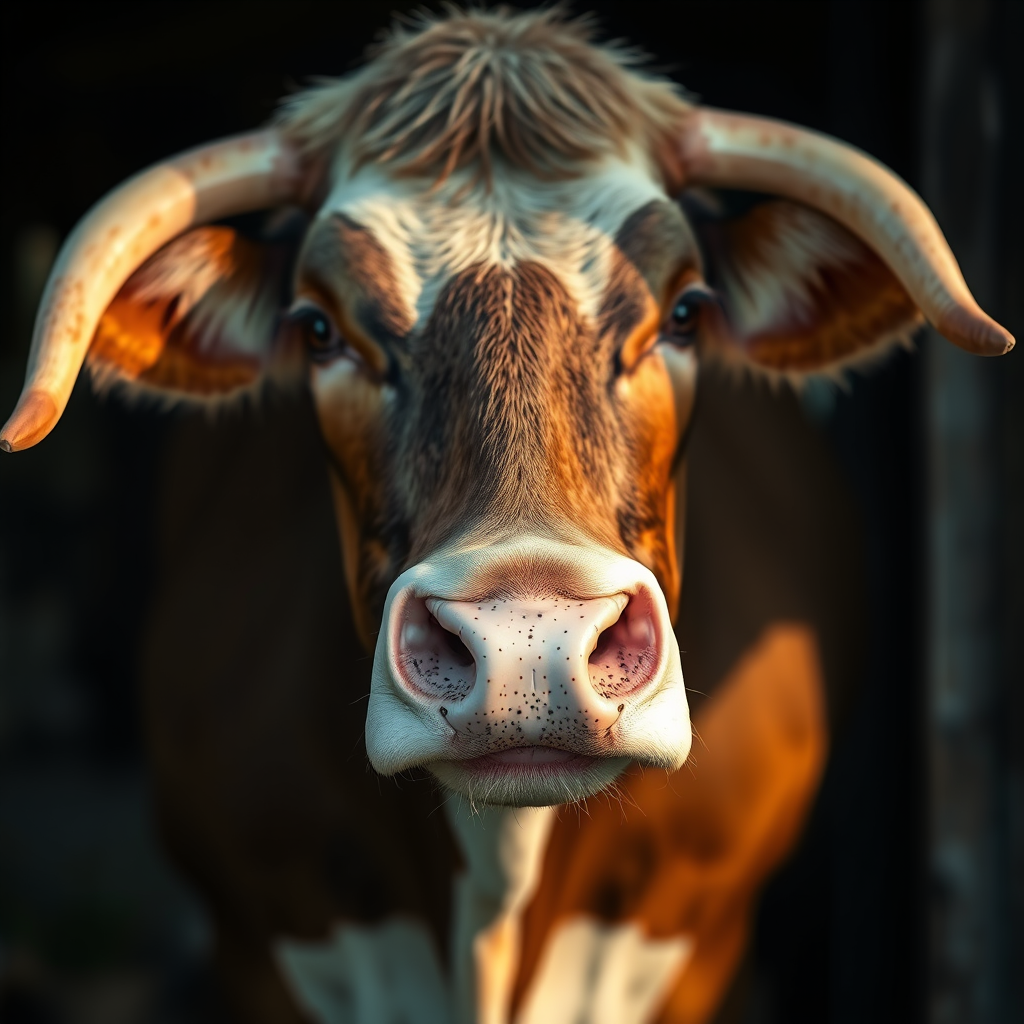
Cows get nose rings primarily to help manage their behavior and prevent them from eating undesirable plants. This simple tool assists farmers in controlling grazing and maintaining the health of pastures. By using nose rings, farmers can better manage their herds, ensuring that cows consume the right types of forage while avoiding harmful plants. In this article, we will explore the reasons behind the use of nose rings in cows, their benefits, and some considerations for farmers.
Understanding the Purpose of Nose Rings
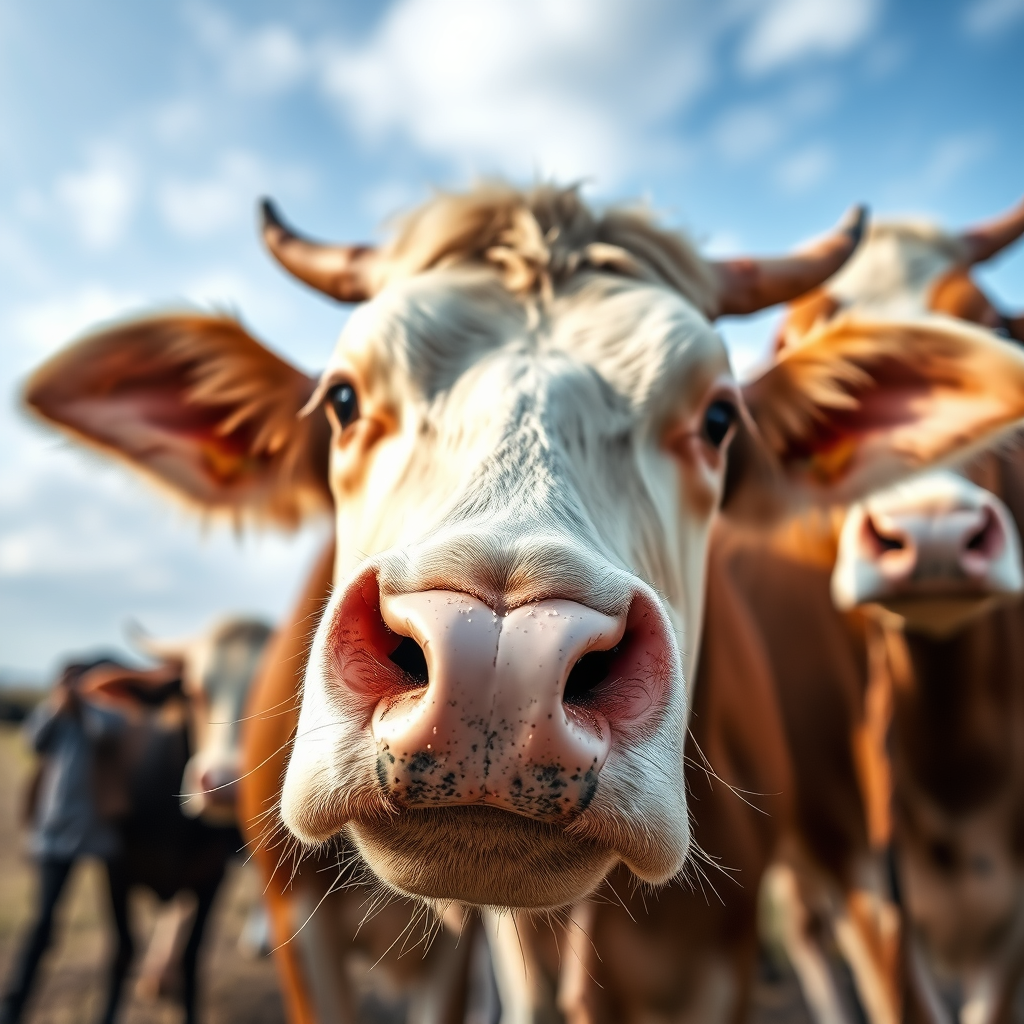
Nose rings are an effective tool used by farmers to manage the grazing habits of cows. By inserting a ring into the nasal septum of the animal, farmers can exert a level of control over where and what cows graze. This is particularly useful in preventing cows from consuming specific plants that may be toxic or nutritionally poor. For instance, plants like hemlock or certain types of thistles can be harmful if ingested, and nose rings serve as a deterrent against these undesirable choices.
In addition to protecting cows from harmful plants, nose rings can also help regulate the overall grazing pattern within a pasture. This ensures that cows do not overgraze certain areas, leading to soil depletion and loss of plant diversity. By effectively managing grazing habits, farmers can promote healthier ecosystems that support both livestock and wildlife.
How Nose Rings Work
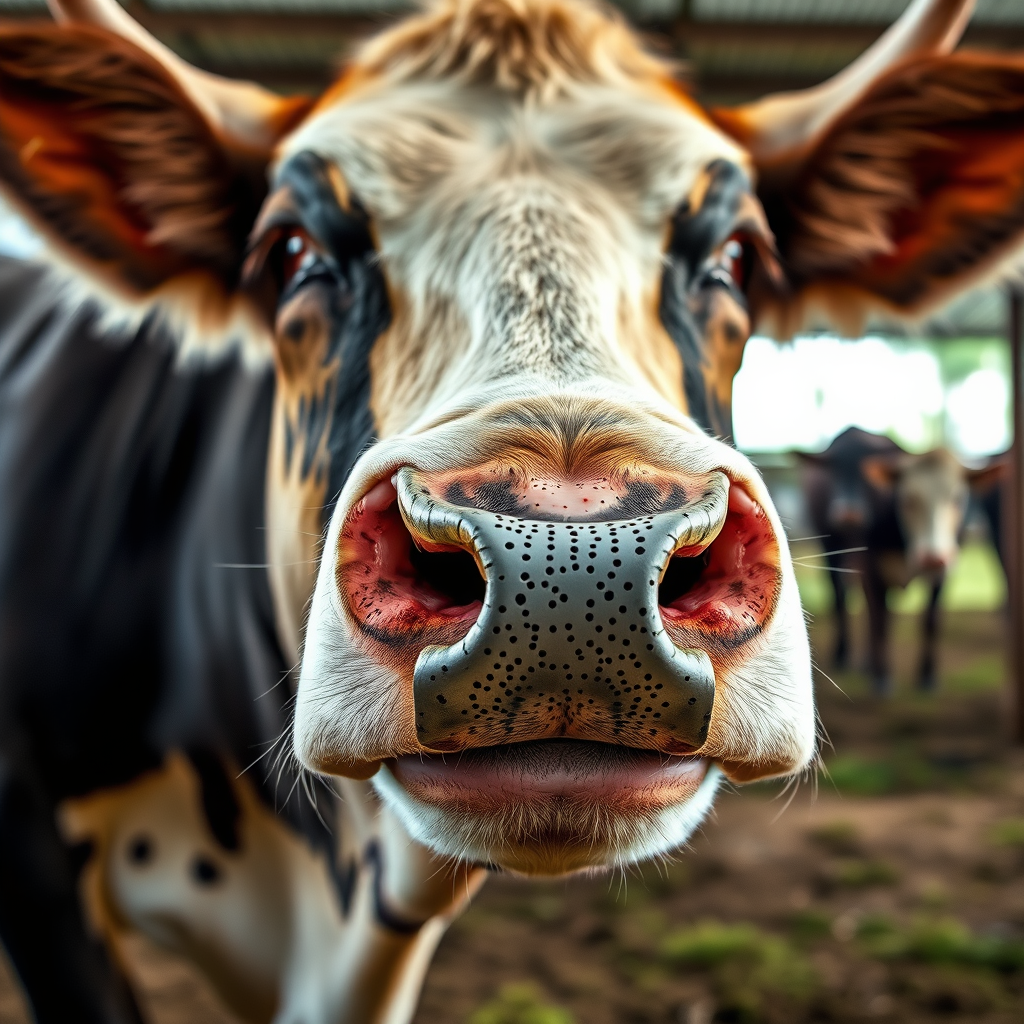
The mechanism behind nose rings is relatively straightforward. The ring is typically made of metal and is inserted through the nasal septum, the cartilage that separates the nostrils. The presence of the ring creates discomfort when cows attempt to graze on certain plants, effectively training them to avoid those areas. The discomfort is not severe, but it is enough to influence their grazing behavior substantially.
Farmers often use nose rings in conjunction with other behavioral training techniques. For example, when cows learn to associate the discomfort of the ring with undesirable grazing options, they can be redirected toward more nutritious forage. This training process is essential, as it allows cows to adapt their grazing habits over time, ultimately benefiting their health and the quality of the pasture.
Benefits for Farmers
The use of nose rings offers several advantages for farmers. One of the most significant benefits is the maintenance of pasture health. By controlling where cows graze, farmers can prevent overgrazing in specific areas, which can lead to soil erosion and a decline in plant diversity. This sustainable grazing practice helps ensure that the pasture can recover and thrive over time.
Furthermore, nose rings can also lead to reduced feed costs. When cows are encouraged to graze on more nutritious forage, their overall health improves, which can lead to better weight gain and higher milk production. For instance, by guiding cows to graze on high-protein legumes rather than low-quality grasses, farmers can enhance the overall productivity of their herds. This not only benefits the cows but also improves the farm’s economic viability.
Animal Welfare Considerations
While nose rings can provide substantial benefits, it is crucial to consider the welfare of the animals involved. Proper installation and care of nose rings are essential to ensure the comfort and well-being of the cows. Farmers need to be trained in the correct application techniques to avoid any potential pain or distress to the animals.
Regular monitoring is also necessary to ensure that the rings do not cause any injury or discomfort over time. Farmers should check for signs of irritation or infection and take immediate action if any issues arise. By prioritizing animal welfare, farmers can maintain the health of their livestock and foster a more ethical farming environment.
Alternatives to Nose Rings
While nose rings are a popular tool for managing grazing behavior, there are several alternatives that farmers can consider. Fencing is one of the most common methods, allowing farmers to create designated grazing areas that can be rotated based on plant growth and health. This approach, known as rotational grazing, can effectively maintain pasture health while providing cows with a diverse diet.
Another alternative is the use of feed supplements that can help improve the nutritional value of the forage available to cows. By enhancing the quality of the grazing material, farmers can reduce the need for behavioral tools like nose rings. Each method has its own set of advantages and disadvantages, and farmers should evaluate their specific circumstances to determine the best approach for their herds.
Regulations and Best Practices
The use of nose rings is subject to various regulations that can vary by region. Farmers should familiarize themselves with local laws and guidelines regarding livestock management to ensure compliance. Additionally, best practices for using nose rings include regular monitoring and maintenance, ensuring that the rings do not cause injury or distress to the animals.
Farmers should also keep detailed records of the use of nose rings, including installation dates, monitoring results, and any issues that arise. This information can be invaluable for future decision-making and can help improve the overall management of livestock.
In summary, cows get nose rings primarily for behavioral management and pasture health, but proper care and alternatives should be considered. Understanding both the benefits and responsibilities associated with this practice will help farmers make informed decisions for the well-being of their livestock. If you’re a farmer or interested in livestock management, consider evaluating your grazing strategies and exploring the best options for your herd. By doing so, you can ensure a productive, sustainable, and ethical approach to farming.
Frequently Asked Questions
Why do farmers put nose rings in cows?
Farmers use nose rings in cows primarily for control and management purposes. The rings help to prevent the animal from grazing in areas where they shouldn’t, thereby protecting crops and pasture. Additionally, nose rings can be used to discourage certain behaviors, such as excessive head-butting or fighting among herd members, which can lead to injuries.
What are the benefits of using nose rings on cattle?
The benefits of using nose rings on cattle include improved herd management and safety. By providing a means to lead and handle cows more easily, nose rings can reduce the risk of injury to both the animals and handlers. Furthermore, they can help maintain discipline within the herd, minimizing aggressive behaviors that can disrupt farming operations.
How do nose rings affect the welfare of cows?
The use of nose rings can impact cow welfare both positively and negatively. On one hand, they allow for easier handling, which can reduce stress during medical procedures or transportation. However, if not used properly or if the rings are too tight, they can cause pain or discomfort, highlighting the importance of responsible use and regular monitoring by farmers.
Which cows are most likely to have nose rings, and why?
Nose rings are most commonly found in mature bulls and sometimes in heifers that display aggressive behaviors. Bulls are often fitted with nose rings to ensure they can be managed safely during breeding and handling, as they are generally more aggressive than cows. Heifers may receive nose rings if they exhibit similar tendencies that could pose risks to the handler or other animals in the herd.
What alternatives exist to using nose rings for managing cows?
Alternatives to nose rings for managing cows include the use of halters, head collars, or other restraint devices designed to control cattle without causing discomfort. Additionally, behavioral training can help manage aggressive tendencies without the need for physical restraints. Farmers may also consider pasture management techniques that reduce the need for nose rings by preventing access to restricted areas.
References
- Nose ring
- https://www.ncbi.nlm.nih.gov/pmc/articles/PMC6511717/
- Wanted man Simon Bekiri – ABC News
- https://www.pbs.org/newshour/nation/why-do-some-farmers-use-nose-rings-on-their-cows
- https://extension.umn.edu/animal-science/cattle-nose-rings-and-why-they-are-used