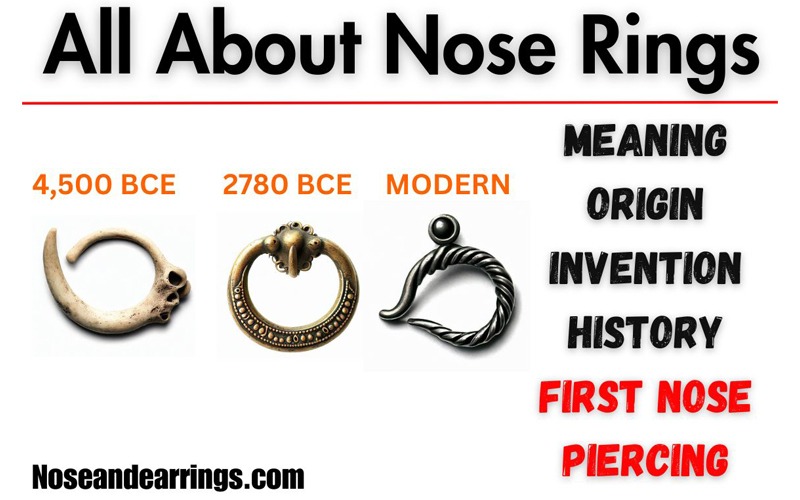
Nose rings are not necessarily permanent; they can be removed or changed based on personal preference. However, the longevity of a nose ring depends on the type of piercing, aftercare, and individual healing processes. Understanding these factors is essential for anyone considering this form of body art. In this article, we’ll explore the various elements that influence the permanence of nose rings, helping you make an informed decision.
Types of Nose Rings
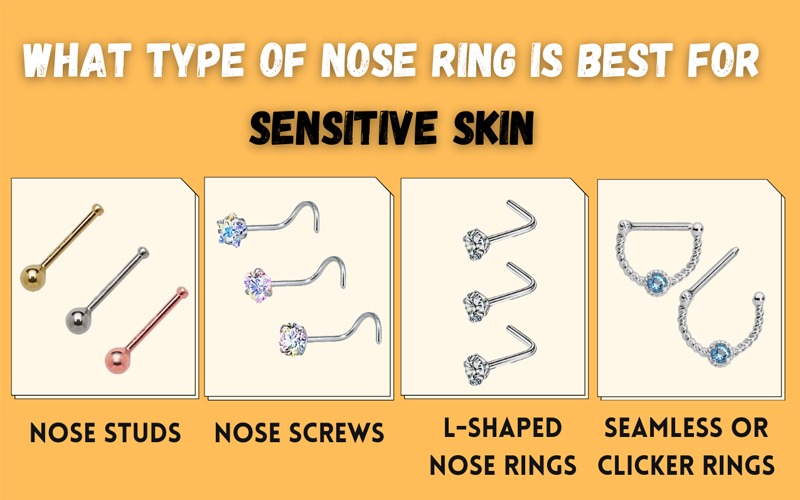
Nose rings come in several styles, each offering unique aesthetics, comfort levels, and functionality. The most common types include studs, hoops, and septum rings.
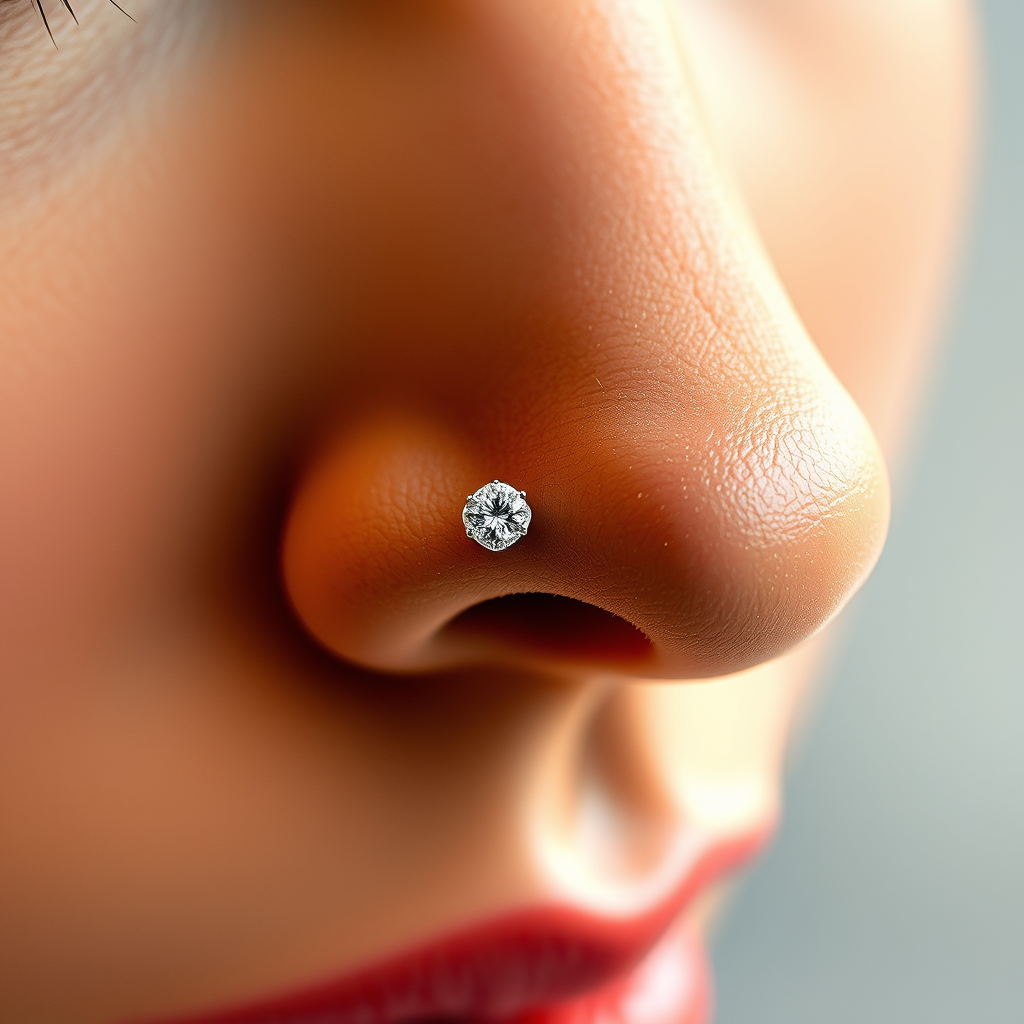
– Studs: Typically small and discreet, nose studs are ideal for first-time piercings. They sit flush against the nostril and come in various materials, including gold, silver, and surgical steel. Because of their minimal design, they are less likely to snag on clothing or hair, making them a popular choice for everyday wear.
– Hoops: Nose hoops can vary in size and style, providing a bolder statement compared to studs. They can be circular or semi-circular, and their design allows for more movement and flexibility. However, the larger the hoop, the more potential there is for it to catch on objects, which might complicate removal or cause irritation.
– Septum Rings: These are worn through the cartilage that separates the nostrils and can range from simple to elaborate designs. Septum rings can be particularly versatile, allowing for various styles, from sleek and understated to ornate and eye-catching. Removal and changing these rings can require a bit more technique due to their placement.
Each type of nose ring affects how easily it can be removed or changed, making it vital to consider your lifestyle and preferences when choosing a style.
Healing Process
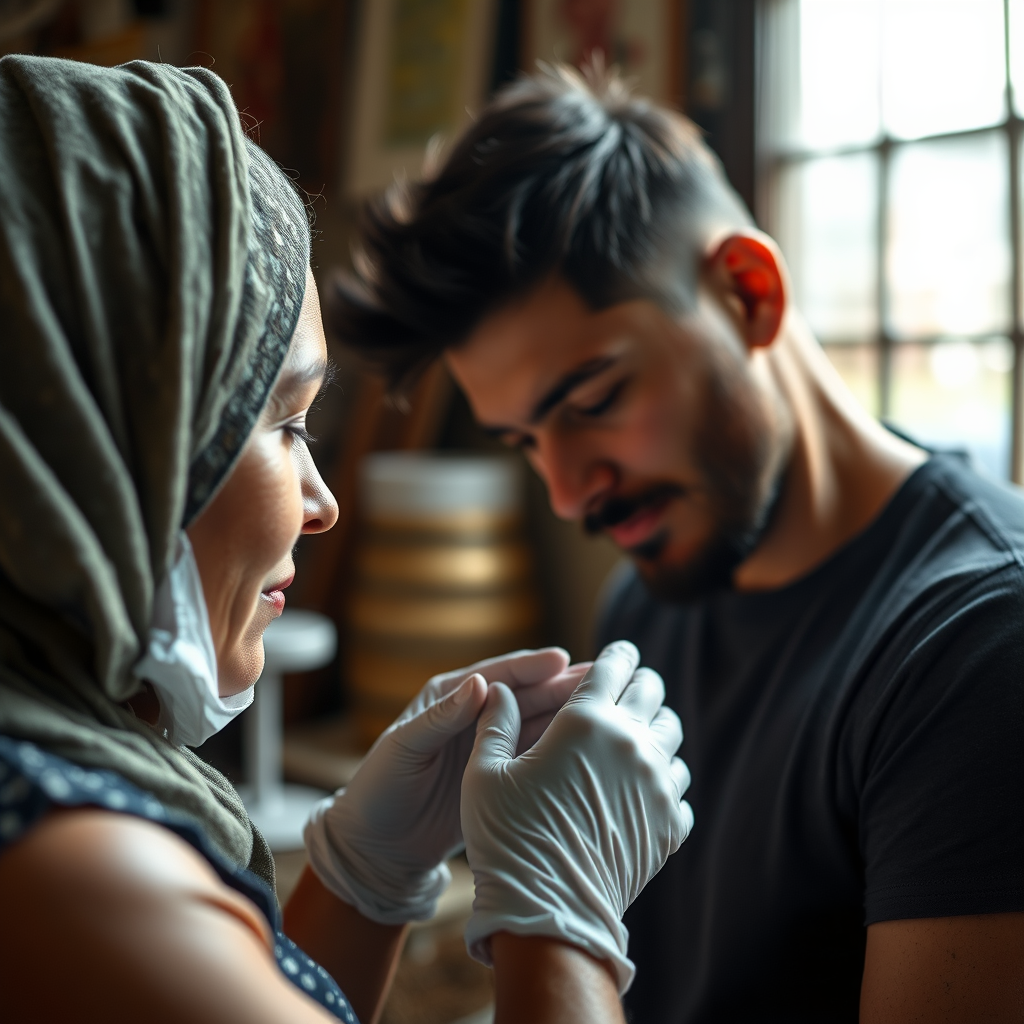
The healing process of a nose piercing is a critical factor in determining its longevity. For nostril piercings, the initial healing time typically ranges from 4 to 6 months, although complete healing may take up to a year. During this time, it is essential to follow aftercare instructions meticulously.
Proper aftercare is vital to avoid complications such as infections or prolonged healing. This includes cleaning the area with saline solution or a mild antiseptic, avoiding touching or twisting the jewelry, and steering clear of swimming pools, hot tubs, or other environments that may introduce bacteria. Failure to adhere to these guidelines can lead to irritation or scarring, which may impact how the piercing heals and its overall longevity.Individual healing processes can also vary based on factors such as skin type, overall health, and even diet. Some individuals may find that their piercings heal quickly, while others could experience prolonged irritation. Understanding your body’s unique healing patterns can help you manage expectations regarding the longevity of your nose ring.
Removal and Changing
Once a nose ring has fully healed, it can be removed or changed. However, some individuals may experience scarring or closure of the piercing hole if left without jewelry for an extended period. It is not uncommon for piercings to close within hours, especially in the case of those with faster healing rates or softer skin types.
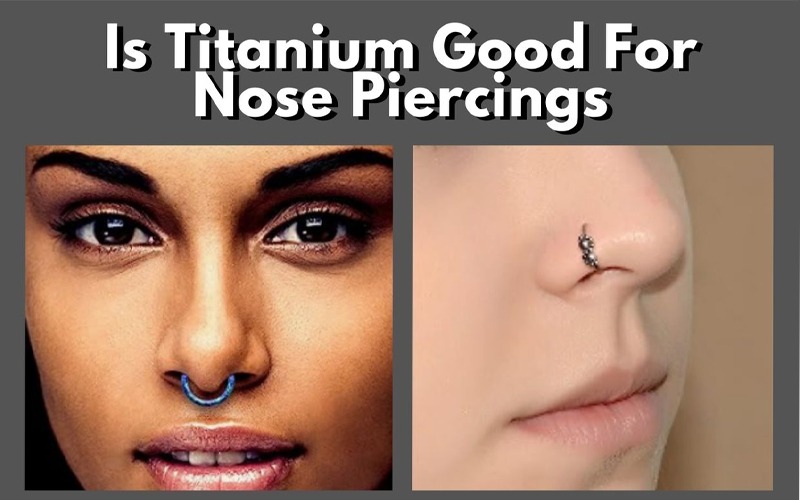
When changing jewelry, best practices should be followed to avoid complications. Always ensure that your hands are clean before touching the piercing, and consider using a saline solution to cleanse the area. If you’re switching to jewelry made from a different material, be mindful of potential allergic reactions. Opting for hypoallergenic materials like titanium or surgical steel can mitigate this risk.
For those who are unsure about the removal process, consulting a professional piercer can provide valuable insights. They can demonstrate the correct technique for changing jewelry without causing damage to the piercing.
Factors Influencing Permanence
Several factors can influence the permanence of a nose ring. Individual healing rates vary significantly; some people may experience faster closures than others. Factors such as skin type, age, and overall health can play a role in how quickly a piercing heals and whether it remains open after removal.
Additionally, lifestyle choices can impact the longevity of the piercing. For instance, individuals who frequently engage in activities that involve heavy sweating or exposure to dirt may find that their piercings require more attention and care. Similarly, smoking or consuming alcohol can also slow the healing process, leading to complications that may affect the permanence of the nose ring.
Understanding these factors can help you make informed decisions regarding your piercing and how you manage it over time.
Aftercare and Maintenance
Proper aftercare and maintenance are crucial for prolonging the life of your nose piercing and preventing infections. Regular cleaning is essential to keep the area free from dirt and bacteria. Recommendations for cleaning products include saline solutions or mild antiseptics like witch hazel, which can effectively cleanse without causing irritation.
In addition to cleaning, consider incorporating a routine that includes regular inspections of the jewelry for any signs of wear or damage. If you notice any changes in the piercing, such as increased redness, swelling, or discharge, it’s essential to consult a professional piercer or healthcare provider promptly.
Moreover, be mindful of your environment. Avoiding heavy makeup near the piercing during the healing phase can minimize the risk of contamination. If you wear cosmetics, ensure they are hypoallergenic and safe for use around piercings.
Potential Risks
Despite the generally safe nature of nose piercings, there are potential risks and complications that can affect their longevity. Infections are the most common issue, often resulting from improper aftercare or exposure to unsanitary conditions. Symptoms of an infection may include redness, swelling, pain, and pus discharge.
Allergic reactions can also occur, particularly in individuals sensitive to certain metals used in jewelry. Symptoms can vary from mild irritation to severe allergic reactions, necessitating the removal of the jewelry and consultation with a healthcare provider.
To minimize these risks, it is crucial to consult with a professional piercer who can provide guidance on the best techniques and materials for your specific needs. Ensuring that you choose a reputable piercer with experience can significantly reduce the likelihood of complications.
Nose rings can be a stylish and expressive choice, but understanding their permanence is crucial before making a decision. Whether you’re considering getting one or are curious about maintenance, knowing the ins and outs will help you navigate this trend confidently. If you’re ready to explore your options, consult a professional piercer and choose the best style for you.
Frequently Asked Questions
Are nose rings permanent or can they be removed easily?
Nose rings are not permanent; they can be easily removed at any time. However, if you have recently gotten a nose piercing, it’s important to wait until the piercing has fully healed—typically 4 to 6 months—before removing the jewelry. After healing, you can choose to keep your nose ring in or take it out whenever you like.
How long does it take for a nose ring piercing to heal?
The healing time for a nose ring piercing generally ranges from 2 to 6 months, depending on various factors such as your body’s healing ability and how well you care for the piercing. During this period, it’s crucial to follow aftercare instructions to prevent infections and ensure proper healing. Regular cleaning with saline solution and avoiding unnecessary irritation can help speed up the healing process.
Why do some people choose to keep their nose rings in permanently?
Many individuals choose to keep their nose rings in permanently for personal expression, cultural significance, or fashion preferences. For some, a nose ring becomes a part of their identity and style, while for others, it may symbolize a cultural heritage or a rite of passage. Additionally, some types of nose jewelry are designed to be comfortable for long-term wear.
What is the best type of nose ring for long-term wear?
The best type of nose ring for long-term wear is typically made from hypoallergenic materials such as titanium, surgical steel, or gold. These materials are less likely to cause allergic reactions or irritations, making them ideal for sensitive skin. It’s also essential to choose a style that suits your lifestyle; for instance, studs are often more discreet and comfortable for daily wear compared to hoops.
Which factors can affect the permanence of a nose ring?
Several factors can influence the permanence of a nose ring, including the individual’s skin type, the location of the piercing, and overall aftercare practices. If a nose piercing becomes infected or experiences excessive irritation, it may close up quickly, leading some to perceive it as a temporary adornment. Additionally, lifestyle choices—such as changes in fashion or personal preferences—can also impact whether someone decides to keep their nose ring in permanently.
References
- Body piercing
- https://www.ncbi.nlm.nih.gov/pmc/articles/PMC5619910/
- https://www.healthline.com/health/body-piercing
- https://www.verywellhealth.com/nose-piercing-5112368
- https://www.aafp.org/pubs/afp/issues/2004/1001/p1100.html