Wearing a nose ring during wisdom teeth removal is generally not recommended. While it may be technically possible to keep it in, many oral surgeons advise removing all facial jewelry to prevent complications. This precaution is taken to ensure patient safety and minimize risks during the surgical procedure. In this article, we’ll explore the reasons behind this recommendation, potential risks, and best practices for your dental procedure.
Understanding the Procedure

Wisdom teeth removal is a common oral surgery that typically requires either local or general anesthesia, depending on the complexity of the extraction. The procedure involves making incisions in the gum tissue to access the wisdom teeth, which may be impacted or not fully erupted. Post-surgery, patients often experience swelling and discomfort as part of the healing process. Given the nature of the procedure, any external factors, including facial jewelry, can complicate both the surgery and the recovery.
Moreover, oral surgeons need a clear field of operation to ensure precision and safety. Jewelry can obstruct the surgeon’s view or interfere with the tools used during the procedure. Therefore, understanding the nature of wisdom teeth removal emphasizes the importance of removing all facial jewelry, including nose rings, to avoid complications.
Risks of Wearing a Nose Ring
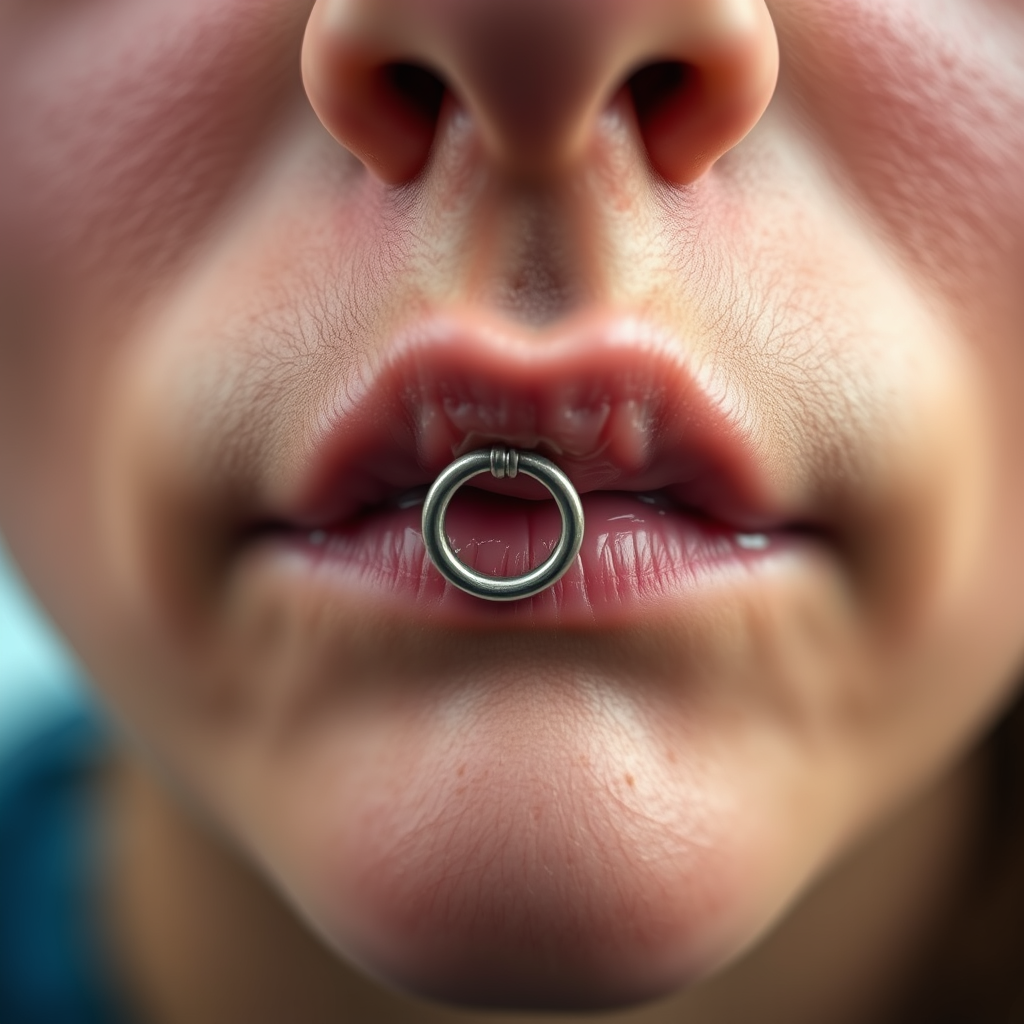
Wearing a nose ring during wisdom teeth removal poses several risks that can jeopardize both the surgery and recovery process. Firstly, facial jewelry can interfere with the surgical area, increasing the likelihood of infection. An open wound in the mouth, combined with jewelry that may harbor bacteria, creates an environment conducive to infections. This can lead to complications that not only prolong recovery but may also necessitate further medical treatment.
Additionally, there is a tangible risk of a nose ring being accidentally pulled or damaged during the procedure. The surgical environment can be crowded, with various instruments in close proximity. If a surgeon or assistant inadvertently catches the nose ring while maneuvering, it can result in pain, bleeding, or damage to the piercing itself. These risks underscore why many dental professionals strongly recommend removing all facial jewelry prior to surgery.
Recommendations from Dental Professionals
Most oral surgeons advise patients to remove facial piercings, including nose rings, before undergoing wisdom teeth removal. This recommendation is rooted in a commitment to patient safety and optimal surgical outcomes. By following your surgeon’s instructions, you not only reduce the risk of complications but also contribute to a smoother recovery process.
Surgeons often provide specific pre-operative guidelines, and adhering to these can greatly influence the success of the procedure. It’s essential to have open communication with your dentist or oral surgeon about any concerns regarding your jewelry. They can offer personalized advice and may even suggest a timeline for when you can safely reintroduce your nose ring after the surgery.
Alternative Options for Jewelry
If you feel strongly about maintaining an aesthetic appeal during your wisdom teeth removal, consider exploring alternative jewelry options. Clear retainers or non-intrusive jewelry that can be easily removed are excellent substitutes. These options allow you to express your style without the risks associated with traditional jewelry.
For example, clear plastic retainers can provide a similar look to a nose ring without the potential complications during surgery. Additionally, certain types of clip-on or magnetic jewelry can serve as temporary alternatives that do not require piercing. Always consult with your surgeon or dentist before selecting alternative options to ensure they are safe and appropriate for your situation.
Preparing for Your Appointment
Preparation is key to a successful wisdom teeth removal experience. One crucial aspect of this preparation is confirming with your dentist or oral surgeon what jewelry, if any, you can keep on during the procedure. It’s advisable to plan to arrive at the appointment without any obstructive jewelry to facilitate a hassle-free experience.
Before your appointment, take the time to remove all facial jewelry, including your nose ring. This proactive step not only aligns with the safety protocols outlined by your surgical team but also helps you feel more at ease during the procedure. Being prepared can significantly reduce any last-minute stress, allowing you to focus on your recovery instead.
Post-Procedure Care
Following your wisdom teeth removal, adhering to your dentist’s aftercare instructions is vital for a smooth recovery. This may include avoiding jewelry until your piercing has healed. The surgical area will be sensitive and susceptible to irritation, so allowing your body to recover without the added pressure or potential complications from jewelry is wise.
Additionally, keep an eye out for any signs of infection or irritation around the piercing site. Symptoms such as increased redness, swelling, or discharge should prompt immediate consultation with your healthcare provider. Staying vigilant during your recovery can help you catch any issues early and ensure a successful healing process.
In summary, when preparing for wisdom teeth removal, it’s best to err on the side of caution and remove any nose rings or facial jewelry. This simple step can help minimize risks and ensure a smoother surgical experience. Always consult with your dental professional for personalized advice regarding your specific situation. By prioritizing safety and adhering to professional recommendations, you can ensure a successful outcome and a quicker return to your normal routine.
Frequently Asked Questions
Can I wear a nose ring during wisdom teeth removal?
It is generally recommended to remove all facial jewelry, including nose rings, before undergoing wisdom teeth removal. This is to ensure the safety of the patient during the procedure, as jewelry can interfere with the surgical area and pose a risk of contamination or injury. Additionally, some dental practices have specific policies regarding jewelry during surgery, so it’s best to check with your oral surgeon beforehand.
Why is it important to remove jewelry like a nose ring before oral surgery?
Removing jewelry, such as a nose ring, is important before oral surgery for several reasons. First, it minimizes the risk of infection by preventing bacteria from getting trapped around the jewelry. Second, it prevents any potential injury to the patient during the procedure, as dental instruments may accidentally catch on jewelry, leading to complications. Lastly, some anesthesia practices require the removal of metal objects to ensure proper monitoring during surgery.
What should I do with my nose ring on the day of my wisdom teeth extraction?
On the day of your wisdom teeth extraction, it is advisable to remove your nose ring and store it safely before arriving at the dental office. Consider placing it in a small, secure container to avoid losing it. If you are concerned about irritation or discomfort from removing the jewelry, consult with your dentist beforehand, as they may have recommendations on how to manage this.
How long after wisdom teeth removal can I reinsert my nose ring?
The timeline for reinserting your nose ring after wisdom teeth removal can vary, but it is typically recommended to wait at least 5 to 7 days or until your initial healing process is well underway. This allows your mouth to recover from the surgery and reduces the risk of infection or irritation. Always follow your dentist’s specific advice regarding when it is safe to reinsert jewelry based on your healing progress.
Which precautions should I take regarding my nose ring and oral health after surgery?
After wisdom teeth removal, it’s crucial to maintain good oral hygiene to promote healing and prevent infection. Avoid touching your nose ring or the area around it with unwashed hands. Additionally, be cautious when cleaning your face and avoid using harsh products near your mouth. If you experience any swelling or irritation, consult your dentist for guidance, as this may affect your ability to wear jewelry during recovery.
References
- https://www.ncbi.nlm.nih.gov/pmc/articles/PMC6047819/
- AAOMS
- https://www.mayoclinic.org/tests-procedures/wisdom-teeth-removal/about/pac-20309194
- https://www.verywellhealth.com/what-to-know-about-wisdom-teeth-removal-5192390
- https://www.healthline.com/health/wisdom-teeth-removal
- https://www.medicalnews