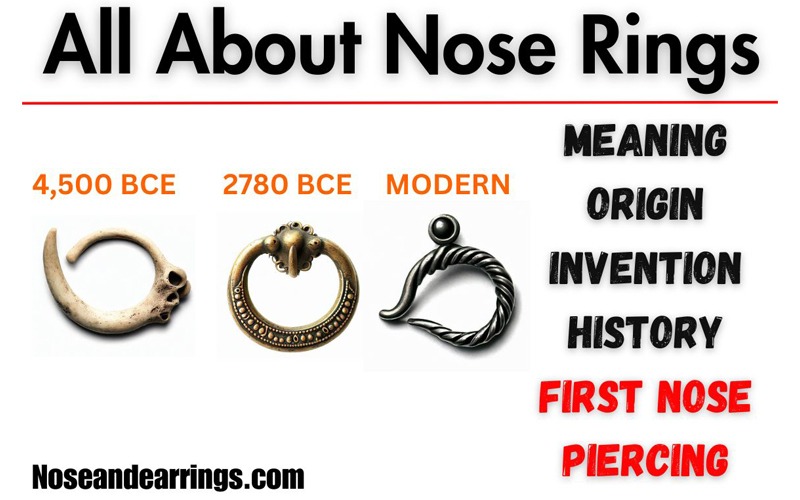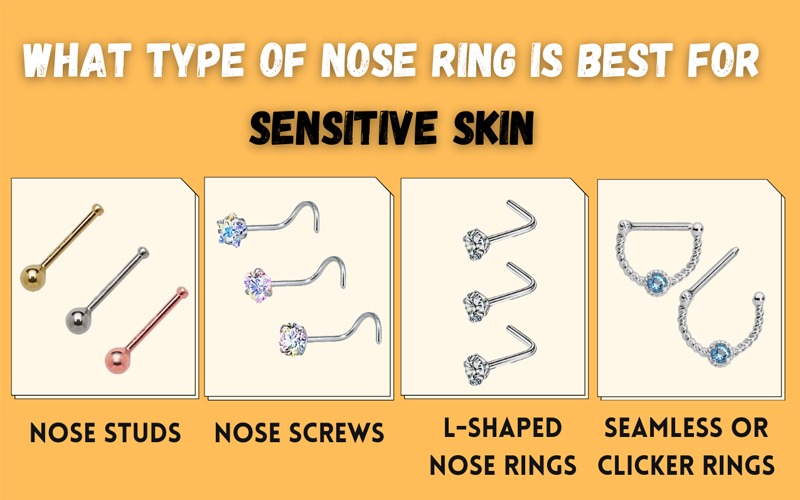
Wearing a nose ring during an MRI is generally not recommended due to the strong magnetic fields involved in the procedure, which can interact with metal. The magnetic resonance imaging (MRI) process relies on powerful magnets that can attract metal objects, potentially causing injury or compromising the quality of the images obtained. In this article, we will delve into the reasons behind the necessity of removing metal jewelry, including nose rings, before an MRI, discuss the associated risks, and explore alternative options for those with piercings.
Understanding MRI Technology
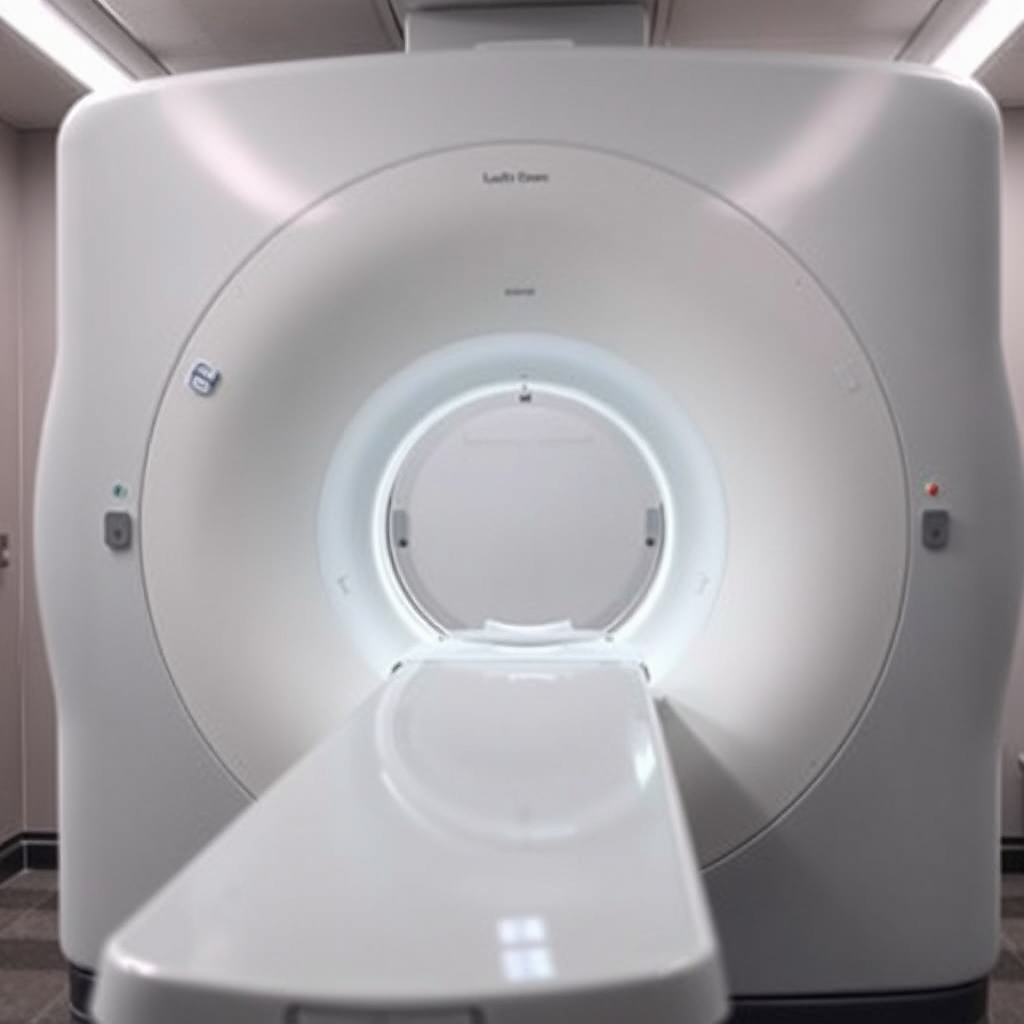
MRI machines utilize advanced technology that combines powerful magnets with radio waves to create detailed images of internal body structures. Unlike X-rays or CT scans, which use ionizing radiation, MRIs provide a non-invasive way to visualize soft tissues, organs, and other structures with exceptional clarity. The primary feature of an MRI is its magnetic field, which can be several thousand times stronger than the Earth’s magnetic field. This intensity is essential for producing high-resolution images, but it also poses risks when metal objects are present.
When metal is brought into the vicinity of an MRI machine, it can be attracted to the magnet, resulting in potential injuries to the patient or damage to the equipment. Additionally, the presence of metal can distort the magnetic field, leading to compromised image quality. This distortion can obscure critical details, potentially resulting in inaccurate or incomplete diagnoses. For these reasons, it is imperative to adhere to safety protocols by removing any metal jewelry, including nose rings, before undergoing an MRI.
Risks of Wearing Metal Jewelry
The risks of wearing metal jewelry during an MRI cannot be overstated. One of the most immediate dangers is the possibility of burns caused by the metal reacting to the magnetic field. When metal is subjected to the strong magnetic forces of the MRI, it can heat up rapidly, resulting in burns on the skin. This is particularly concerning for jewelry that sits close to the body, such as nose rings, as the heat could lead to severe discomfort or injury.
Moreover, the presence of metal can significantly obscure MRI images. For instance, a metal nose ring could cause a phenomenon known as “artifacts,” which are distortions in the images that can hinder the ability of radiologists to accurately assess the underlying anatomy. This could lead to misdiagnosis or missed findings, emphasizing the importance of jewelry removal before the procedure. In some cases, patients may be asked to undergo repeat imaging if the initial results are compromised, which can lead to delays in diagnosis and treatment.
What to Do with Your Nose Ring
Given the risks associated with wearing a nose ring during an MRI, it is advisable to remove it prior to your appointment. This not only ensures your safety but also enhances the quality of the MRI images obtained. If you are concerned about losing the piercing or experiencing discomfort from a closed hole, consider using a clear plastic retainer. These retainers are designed specifically for individuals who wish to keep their piercings open while minimizing the risk of metal interference during medical imaging procedures.
Plastic retainers are safe for use in MRI environments and do not pose the same risks as metal jewelry. Additionally, they are discreet and comfortable, making them an excellent alternative for patients who want to maintain their piercings without compromising safety.
Alternatives for MRI-Compatible Jewelry
For those who may want to wear jewelry that complies with MRI safety guidelines, several options are available. MRI-safe jewelry is typically made from non-metal materials, such as titanium, surgical-grade plastic, or biocompatible silicone. These materials do not react to the strong magnetic fields of MRI machines, allowing patients to wear jewelry without risking injury or image distortion.
Before your MRI appointment, it is advisable to consult with your healthcare provider about the type of jewelry you plan to wear. They can guide you on which materials are considered safe for MRI procedures and help you explore options that suit your personal style while ensuring your safety.
Communicating with Your MRI Technician
Effective communication with your MRI technician is crucial for a successful imaging experience. Before the scan, it is essential to inform the technician about any piercings you may have, including nose rings. MRI technicians are trained to handle various situations and can offer specific guidance based on the type of jewelry you possess. They might suggest alternative solutions, such as the use of plastic retainers, or they may provide additional safety protocols to ensure a smooth procedure.
Being open about your jewelry and any concerns you may have can help alleviate anxiety and contribute to a more efficient MRI process. Your technician is there to ensure your safety and comfort, so don’t hesitate to ask questions or express any worries you might have regarding your piercings.
Preparing for Your MRI Appointment
Preparation for an MRI appointment is critical to ensure a positive experience and accurate results. Follow any pre-MRI instructions provided by your healthcare provider, which may include guidelines about eating, drinking, and medication usage. It is also advisable to arrive early on the day of your MRI to address any concerns regarding your jewelry or piercings.
If you have a nose ring or any other metal jewelry, ensure that you have removed it well before your scheduled appointment. This may give you time to discuss alternatives or find solutions with your healthcare provider if you are concerned about keeping your piercing open. By taking proactive steps to prepare for your MRI, you can help ensure a smooth and efficient imaging process.
The decision to wear a nose ring during an MRI should be approached with caution. Removing any metal jewelry is crucial for both your safety and the efficacy of the MRI results. Always consult with your healthcare professional for personalized advice, and take the necessary steps to ensure a smooth MRI experience. By understanding the technology, risks, and alternatives, you can navigate the process with confidence and peace of mind.
Frequently Asked Questions
Can I wear a nose ring during an MRI scan?
It is generally recommended to remove all metallic jewelry, including nose rings, before undergoing an MRI scan. This is because the strong magnetic fields used in MRI machines can interact with metal, potentially causing discomfort or affecting the quality of the images. If removal isn’t possible due to recent piercing or other reasons, inform the MRI technician beforehand, as they can provide guidance based on the type of jewelry you have.
Why is it important to remove metal jewelry before an MRI?
Removing metal jewelry, such as nose rings, is crucial because metals can distort the magnetic resonance imaging process. The presence of metal can lead to artifacts in the images, reducing diagnostic accuracy. Additionally, metal can heat up during the scan, posing safety risks and causing discomfort to the patient.
What should I do if my nose ring is new and cannot be removed for an MRI?
If your nose ring is new and cannot be safely removed, it is essential to communicate this to your healthcare provider or the MRI technician. They may suggest alternative imaging techniques or provide specific instructions on how to proceed. In some cases, they might allow the scan with the jewelry in place, depending on the material and type of the piercing.
Which materials are safe for nose rings during an MRI?
Most nose rings made from non-metallic materials, such as plastic or silicone, are considered safe for an MRI. However, common materials used in jewelry, like stainless steel or titanium, may not be safe due to their magnetic properties. Always check with your piercer or healthcare provider about the specific materials used in your nose ring and their compatibility with MRI procedures.
How can I prepare for an MRI if I have a nose ring?
To prepare for an MRI with a nose ring, plan to arrive early and inform the MRI staff about your piercing. If possible, consider removing your nose ring prior to the appointment, but consult your piercer if the piercing is too recent to take out. Additionally, inquire about any specific guidelines or recommendations from your healthcare provider to ensure a smooth MRI experience.
References
- https://www.ncbi.nlm.nih.gov/pmc/articles/PMC4899826/
- Pediatric MRI
- Allogeneic stem cell transplant – Type – Mayo Clinic
- https://www.hopkinsmedicine.org/health/treatment-tests/mri
- https://www.nhlbi.nih.gov/health-topics/magnetic-resonance-imaging-mri
- https://www.verywellhealth.com/mri-safety-4171147
- https://www.washingtonpost.com/health/2021/03/10/mri-safety-jewelry-nose-ring/