Yes, a nose ring hole can close up, and the time it takes for this to happen varies based on several factors, including the duration the piercing has been in place and individual healing rates. When a nose ring is removed, the body’s natural healing processes begin, which can lead to the gradual closure of the hole. Understanding the nuances of this healing process can help you make informed decisions about your piercing.
Understanding Nose Ring Hole Healing
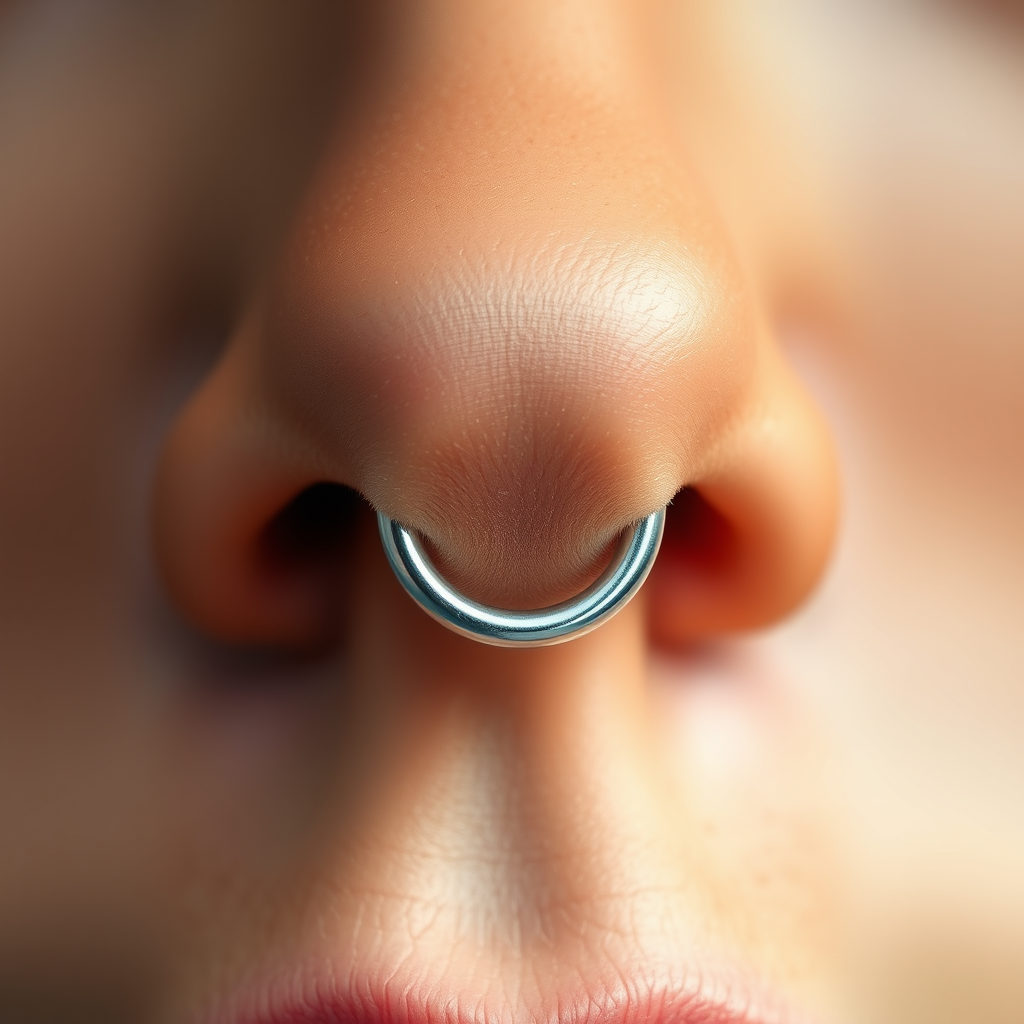
The body is remarkably adept at healing itself, and this is particularly evident in the case of piercings. When jewelry is removed from a piercing site, the body starts to close the hole, a process driven by skin regeneration and cell turnover. The timeframe for healing can vary considerably from one person to another, often influenced by factors such as age, skin type, and overall health. For instance, younger individuals typically experience faster healing due to higher cell turnover rates, while older adults may notice a slower healing process. Additionally, individuals with certain skin types may find that their piercings close more quickly or slowly than others, indicating the importance of considering personal factors when evaluating healing times.
Timeframes for Closure
The timeframe for a nose ring hole to close up is contingent on how long the piercing has been in place. Fresh piercings, which are typically defined as those that have been in for less than a few months, may begin to close within just a few hours to a couple of days after the removal of the jewelry. In contrast, older piercings that have been in place for several months or even years may take significantly longer to close, with complete closure potentially taking weeks or even months. For example, someone with a nose ring for over a year may find that their hole remains visible for a long time, whereas a recent piercing may start to close almost immediately upon removal.
Factors Influencing Closure
Several factors can influence how quickly a nose ring hole closes after the jewelry is removed. The duration the piercing has been in place is perhaps the most critical factor; piercings that have been worn for extended periods generally take longer to close. This is due to the body having adapted to the presence of the jewelry, resulting in more significant tissue formation around the hole. Personal health conditions can also play a pivotal role; individuals with good skin elasticity and robust healing abilities may experience faster closure, while those with underlying health issues might find the process slower or more complicated. Moreover, external factors like environmental conditions and daily skincare routines can either aid or hinder healing, making it essential to consider all aspects of your personal health and lifestyle.
Signs of Closure
As a nose ring hole begins to close, there are several signs to look for. One of the most noticeable indicators is that the hole may feel increasingly tight or less apparent over time. This is a natural part of the healing process, where the surrounding skin gradually re-establishes itself. In some cases, you might observe changes in the skin around the piercing, such as scabbing or slight redness, which can indicate that the healing process is underway. These signs suggest that the body is effectively working to seal the opening, but it’s crucial to monitor these changes to ensure that the healing process is occurring without complications.
What to Do If You Want to Keep the Hole Open
If you wish to maintain the hole open after removing your nose ring, there are a few strategies you can employ. One common solution is to use a retainer—a small piece of jewelry designed specifically to keep the piercing open without the bulk of traditional jewelry. Alternatively, keeping a small stud in the piercing can also help prevent closure while allowing for a more discreet appearance. Regardless of the method chosen, it is essential to maintain proper hygiene by regularly cleaning the area with a saline solution or an appropriate antiseptic. This will help prevent infection and ensure that the piercing stays healthy during the period it remains unoccupied by traditional jewelry.
When to Seek Medical Advice
While many individuals experience normal healing after removing their nose ring, certain signs may warrant medical attention. If you notice persistent pain, swelling, or unusual discharge after removing your jewelry, it is advisable to consult a healthcare professional. These symptoms could indicate an infection or other complications that require intervention. Understanding the signs of infection—such as increased redness, warmth around the hole, or pus-like discharge—can help you take timely action if needed. Prompt treatment can often prevent more severe complications, making it crucial to stay vigilant during the healing process.
The ability of a nose ring hole to close up varies from person to person and depends on several factors. As discussed, the time it takes for a hole to close can range from hours to months, influenced by factors such as the duration the piercing has been in place and individual health conditions. For those considering removing their nose ring or who have recently done so, understanding the healing process can empower you to make informed choices about your piercing. If you have more questions or concerns regarding your piercing, seeking professional advice can provide clarity and peace of mind.
Frequently Asked Questions
How long does it take for a nose ring hole to close up?
The duration for a nose ring hole to close up varies significantly based on individual healing factors and how long the piercing has been in place. Typically, if the piercing is relatively fresh, it may close within a few hours to a couple of days if the jewelry is removed. However, if the piercing has been in for a longer period, such as several months or years, it may take weeks or even months to fully close, and in some cases, the hole may remain visible permanently.
Why does my nose ring hole keep getting clogged?
Clogging in a nose ring hole can occur due to the buildup of dead skin cells, sebum, and other debris, especially if the area is not cleaned regularly. This is more common in those who have sensitive skin or have recently changed their jewelry. To prevent clogging, it’s important to clean the area with saline solution or a gentle antiseptic regularly and avoid touching the piercing with dirty hands.
What can I do to prevent my nose ring hole from closing?
To prevent your nose ring hole from closing, it’s advisable to keep the jewelry in place as long as possible, ideally for at least six months after the initial piercing. Additionally, using a small gauge jewelry that fits snugly can help maintain the hole size. If you need to remove the jewelry temporarily, consider using a retainer or a reusable plastic plug to keep the hole open.
Which types of nose piercings are more prone to closing quickly?
Generally, nostril piercings are more prone to closing quickly compared to septum piercings. Nostril piercings tend to close up faster when the jewelry is removed, especially if they are new. Additionally, the healing time impacts this; fresh piercings (under three months) are particularly susceptible, so it’s best to leave them in until fully healed.
What should I do if my nose ring hole has closed partially?
If your nose ring hole has closed partially, it’s important to avoid forcing jewelry back into the hole, as this can cause irritation or infection. Instead, you can try gently massaging the area with a saline solution to help reopen it. If the hole seems completely closed, it may be best to consult a professional piercer for advice, as they can assess the situation and recommend whether re-piercing is necessary.
References
- https://www.ncbi.nlm.nih.gov/pmc/articles/PMC6070954/
- https://www.healthline.com/health/nose-piercing-hole-closing
- https://www.verywellhealth.com/nose-piercing-care-5087785
- https://www.medicalnewstoday.com/articles/nose-piercing-healing-time
- https://www.americanacademyofdermatology.org/
- https://www.mayoclinic.org/healthy-lifestyle/adult-health/expert-answers/piercings-and-tattoos/faq-20058064