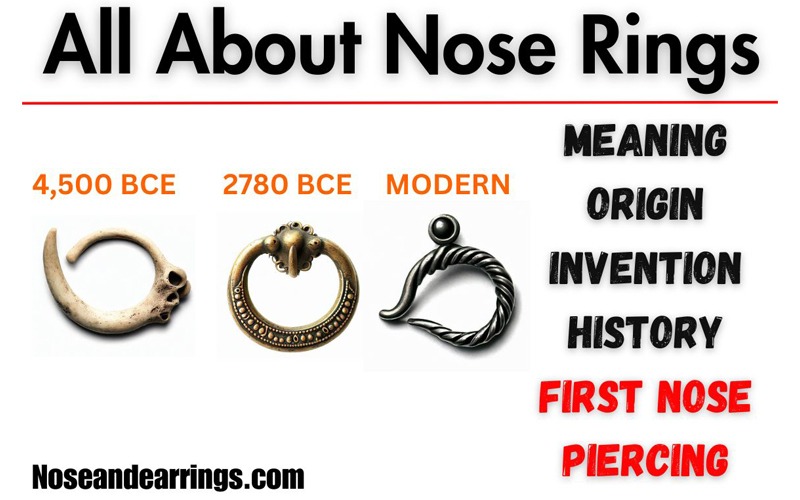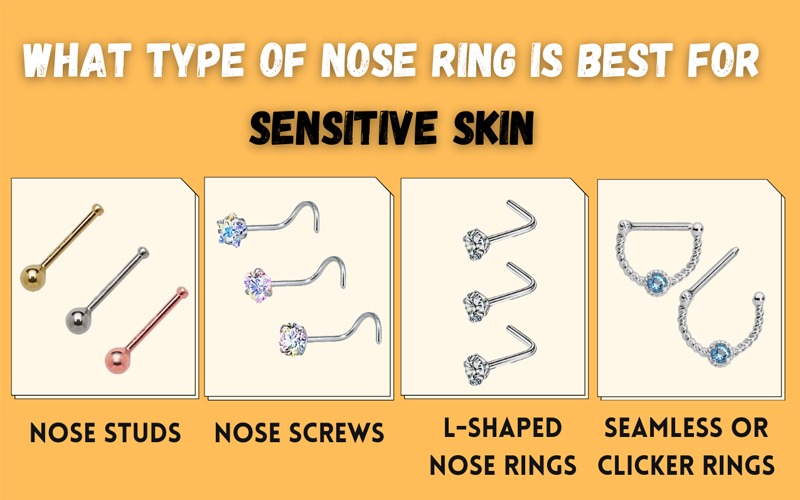
Cleaning an infected nose ring requires a careful approach to prevent further irritation and promote healing. The first step is to gently clean the area with a saline solution or a mild antiseptic, which helps to remove any debris while minimizing the risk of additional discomfort. In this article, you’ll learn the essential steps to effectively clean your infected nose ring, along with tips to avoid complications during the healing process.
Understanding the Infection
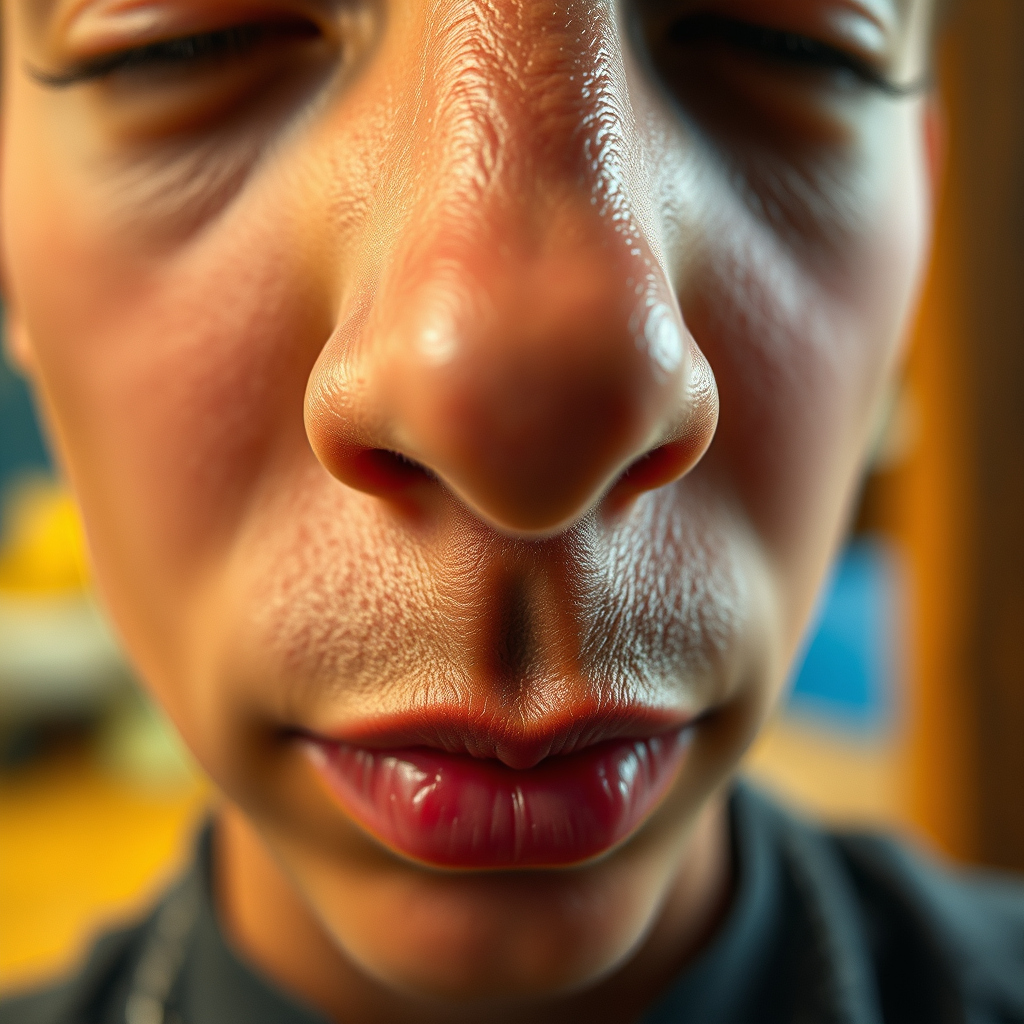
An infected nose ring can lead to significant discomfort and may impede the healing of the piercing. Signs of an infected nose ring include redness, swelling, tenderness, and discharge, which can range from clear to yellow or green pus. These symptoms may arise from various causes, including allergic reactions to the metal in the jewelry, failure to maintain proper hygiene, or irritation from touching the area frequently. Identifying the root cause is crucial for effective treatment; for example, if the infection is due to an allergy, switching to hypoallergenic jewelry could alleviate the problem. Understanding these signs will enable you to take prompt action, ensuring a better chance of recovery.
Essential Cleaning Supplies
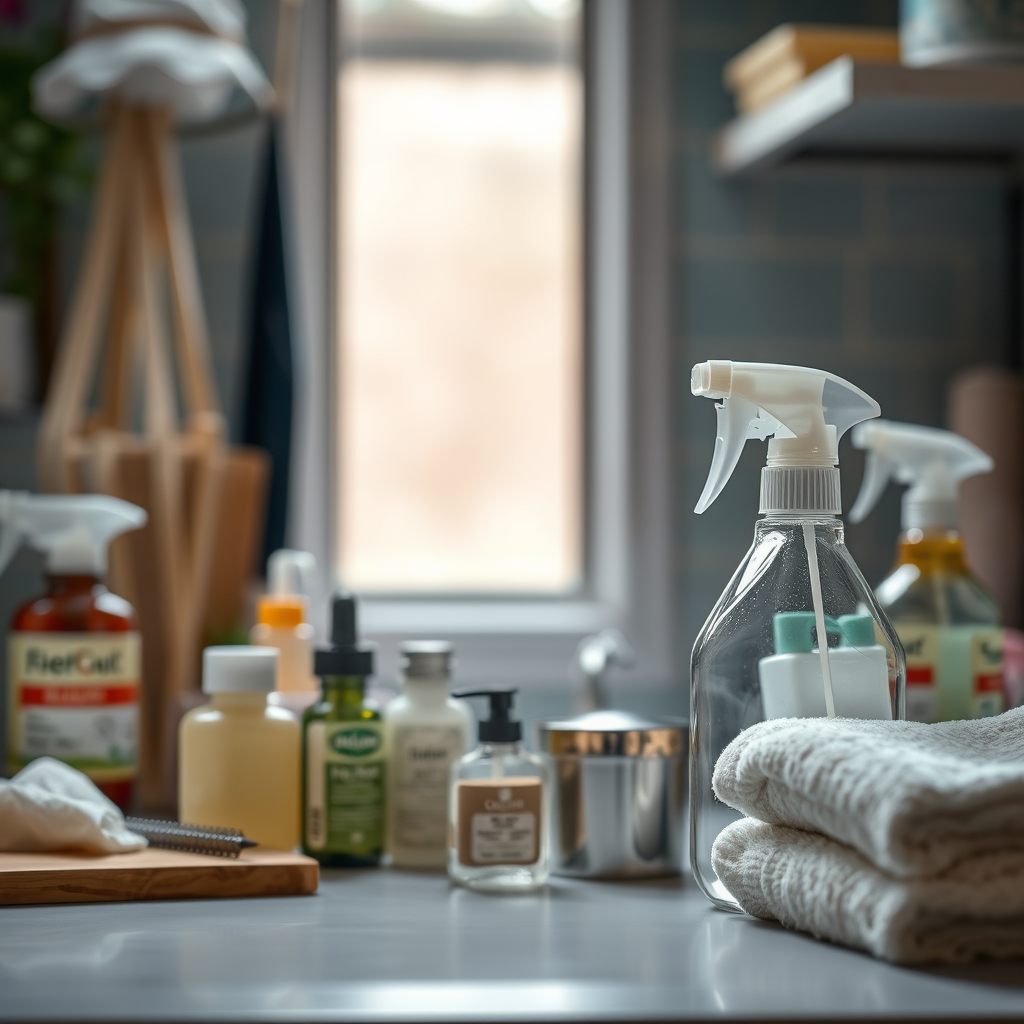
When dealing with an infected nose ring, having the right cleaning supplies readily available is essential. The primary item you will need is a saline solution—a mixture of salt and water that can be purchased in pre-made form at pharmacies or made at home by dissolving 1/4 teaspoon of non-iodized sea salt in 8 ounces of distilled water. Additionally, a non-alcoholic antiseptic can help in disinfecting the area without causing excessive dryness or irritation, which is important for healing. It’s also advisable to have cotton swabs or sterile gauze on hand for gentle application. These tools will allow you to clean the area meticulously, ensuring that bacteria do not worsen the infection.
Step-by-Step Cleaning Process
The cleaning process is crucial in managing an infected nose ring. Here are the steps to follow:
1. Wash Your Hands: Begin by washing your hands thoroughly with soap and water. This step is vital in preventing further contamination of the infected area.
2. Prepare the Saline Solution: If you are making your saline solution, ensure it is mixed well and at a comfortable temperature—too hot or too cold may cause discomfort.
3. Soak a Cotton Swab: Dip a cotton swab in the saline solution, ensuring it is sufficiently moistened but not dripping.
4. Gently Clean the Area: Carefully clean around the nose ring, moving in a circular motion. Avoid using excessive force, as this can irritate the skin further.
5. Rinse and Dry: After cleaning, you may rinse the area with clean, distilled water to remove any residual saline. Use a separate sterile gauze pad to gently dab the area dry, ensuring not to rub.
6. Monitor for Changes: After cleaning, observe the area for any changes in redness, swelling, or discharge. Keeping a close eye on the infection can help you determine if further action is required.
Aftercare for an Infected Nose Ring
Proper aftercare is just as important as the cleaning process itself. After cleaning, it’s vital to avoid touching the area unnecessarily; this minimizes irritation and the risk of introducing new bacteria. If advised by a healthcare professional, apply a topical antibiotic ointment to aid in healing and prevent further infection. Products such as Bacitracin or Neosporin can be effective, but ensure you’re not allergic to any component. Additionally, consider using a saline nasal spray to keep the piercing area moist, which can contribute to a quicker recovery. Remember that patience is key during this healing process; allow time for your body to recover without hastily attempting to remove or change your jewelry.When to Seek Professional Help
While many cases of infected nose rings can be managed at home, it is crucial to recognize when professional help is necessary. If symptoms persist or worsen despite your cleaning efforts—such as increasing pain, fever, or spreading redness—it’s time to consult a healthcare provider or a professional piercer. These professionals can assess the infection’s severity and may prescribe antibiotics if needed. Remember that ignoring severe symptoms can lead to complications, including systemic infections or permanent damage to the piercing.
Tips for Prevention
Preventing future infections is essential for maintaining healthy piercings. Regular cleaning of your nose ring, ideally using saline solution, can help avoid bacteria buildup. It is also vital to avoid using harsh chemicals, which can irritate the skin and compromise the healing process. When it comes to jewelry, opt for high-quality materials that are less likely to cause allergic reactions, such as titanium or surgical steel. Additionally, resist the temptation to change your jewelry too soon after the piercing; allowing sufficient time for healing—typically at least 6 to 8 weeks—will significantly reduce the risk of infection.
Proper cleaning and aftercare for infected nose rings are fundamental in promoting healing and preventing complications. By following the outlined steps and being proactive in your approach, you can effectively manage an infection and enjoy your piercing without further issues. If you encounter persistent symptoms, do not hesitate to seek professional advice. Taking these precautions will ensure your nose ring remains a source of beauty rather than a source of irritation.
Frequently Asked Questions
What are the signs of an infected nose ring?
Signs of an infected nose ring typically include redness, swelling, warmth around the piercing, pain or tenderness, and the presence of pus or other discharge. You may also notice an increase in sensitivity in the area. If you experience these symptoms, it’s essential to take action promptly to prevent further complications.
How do I clean an infected nose ring safely?
To clean an infected nose ring, start by washing your hands thoroughly with soap and water. Next, use a saline solution or a mixture of warm water and non-alcoholic mouthwash to gently soak the area around the piercing. You can also use a cotton ball or clean cloth to apply the solution, being careful not to remove the ring. Avoid using alcohol or hydrogen peroxide as these can irritate the wound further.
Why is my nose ring infected, and how can I prevent it?
Infections can occur due to various reasons, including poor hygiene, using non-sterile jewelry, or touching the piercing with dirty hands. To prevent infections, always clean your nose ring and the surrounding area regularly, avoid changing the jewelry too soon, and ensure you’re using high-quality materials, such as titanium or surgical steel, for your nose ring.
What is the best way to soothe an infected nose ring?
The best way to soothe an infected nose ring is to apply a warm compress to the affected area for about 10-15 minutes, several times a day. This can help reduce swelling and promote healing. Additionally, keeping the area clean and using a topical antibacterial ointment recommended by a healthcare professional can also provide relief.
Which home remedies are effective for treating an infected nose ring?
Effective home remedies for treating an infected nose ring include saline soaks, witch hazel, and tea tree oil. Saline soaks can help cleanse the area, while witch hazel has natural antibacterial properties. Diluting a few drops of tea tree oil in a carrier oil and applying it to the piercing can also reduce inflammation and fight infection. However, if symptoms persist, consult a healthcare provider for appropriate treatment.
References
- https://www.ncbi.nlm.nih.gov/pmc/articles/PMC5752525/
- https://www.mayoclinic.org/healthy-lifestyle/adult-health/expert-answers/body-piercing-care/faq-20057866
- https://www.healthline.com/health/body-piercing-care
- https://www.webmd.com/beauty/what-to-know-about-body-piercing
- https://www.cdc.gov/nceh/ehs/docs/piercing_fact_sheet.pdf