Knowing your nose ring size is essential for a comfortable and stylish fit. The size typically refers to the gauge (thickness) of the jewelry and the diameter (the ring size). Accurately measuring your nose ring size not only enhances comfort but also ensures that your jewelry complements your personal style. In this article, you’ll learn how to measure your nose ring size accurately, explore different gauge options, and understand the various styles of nose rings available on the market today.
Understanding Nose Ring Sizes

Nose ring sizes are measured in gauges and millimeters, which can be somewhat confusing for new wearers. The gauge refers to the thickness of the jewelry, while the millimeter measurement pertains to the diameter of circular pieces like hoops. Common gauges for nose rings include 18G (thicker), 20G (standard), and 22G (thinner), with 20G being the most popular choice among pierce enthusiasts due to its balance of comfort and sturdiness. For instance, an 18G ring is approximately 1.0 mm thick, while a 20G ring measures around 0.81 mm, and a 22G ring is about 0.64 mm thick. Understanding these measurements is vital for selecting jewelry that fits well and feels comfortable throughout the day.
Measuring Your Nose Ring Size
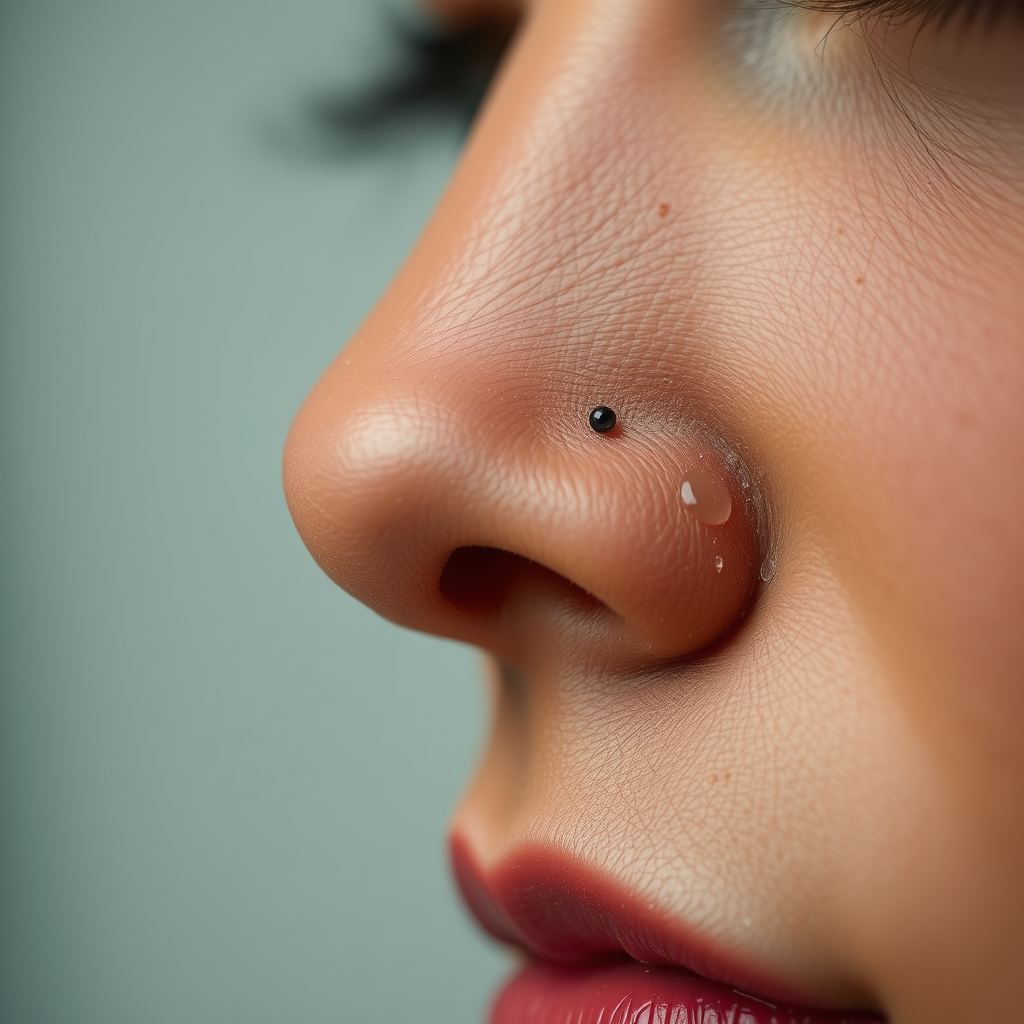
To accurately measure your nose ring size, you can utilize a ruler or a caliper. Start by measuring the diameter of your existing nose ring, as this will give you a precise idea of what size you currently wear. If you don’t have a nose ring, you can estimate your size by measuring the width of your nostril. Use a flexible measuring tape or a piece of string to get the most accurate reading, and then measure that string against a ruler. Ideally, you’ll want to achieve a snug fit that allows for easy insertion and removal without causing discomfort.
When measuring your nostril, it’s important to take into account the natural variations in anatomy. Some people may have wider or narrower nostrils, which can affect the appropriate size for a nose ring. Therefore, taking a careful measurement ensures that your chosen piece enhances your features rather than feels constricting or loose.
Choosing the Right Gauge
Choosing the right gauge is crucial for both initial piercings and ongoing comfort. Thicker gauges, like 18G, are sturdier and can better withstand daily wear, making them ideal for new piercings. However, they may feel less comfortable for some individuals, particularly if you have sensitive skin or are prone to irritation. Conversely, lighter gauges, such as 22G, are more delicate and can lend a subtle elegance to your look. While they may be more comfortable for long-term wear, they are also more prone to bending or breaking, which can be an inconvenience.
When deciding on the gauge, consider your lifestyle and how you plan to wear your jewelry. If you lead an active lifestyle, a thicker gauge may be more appropriate to withstand daily activities. On the other hand, if you prefer a more delicate aesthetic and are cautious with your jewelry, a lighter gauge may suit you better.
Types of Nose Rings and Their Sizes
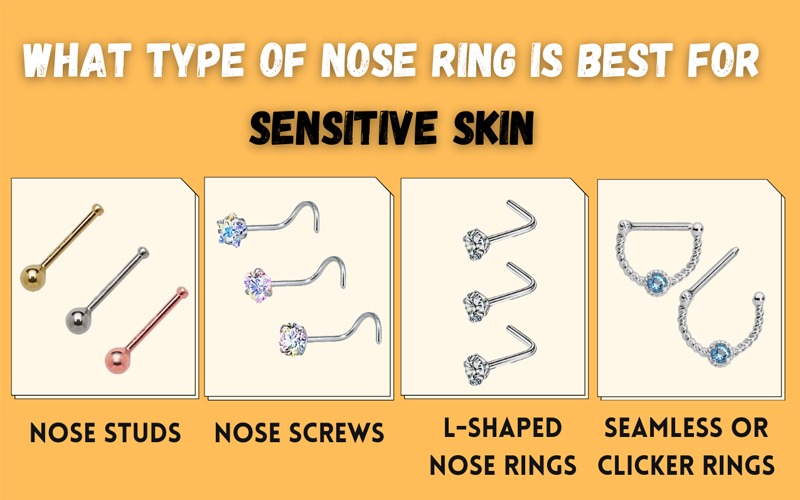
Nose rings come in various styles, including studs, hoops, and screw styles, each available in different sizes and shapes. Studs typically have a post that goes through the piercing and a decorative end that sits flush against the nostril. Hoops, on the other hand, encircle the nostril and can come in various diameters, affecting the overall appearance. Screw styles feature a threaded end that secures the ring in place and can be more secure for active wearers.
When selecting a style, it’s important to consider how the shape and size of the ring will complement your face. For instance, larger hoops can make a bold fashion statement, whereas smaller studs can offer a more understated look. Additionally, some styles may require specific gauges; for example, larger hoops often need a thicker gauge to maintain their shape and stability, while smaller studs can be found in lighter gauges.
Tips for Trying on Nose Rings
Trying on nose rings before purchasing is highly recommended to ensure comfort and fit. If you have access to a jewelry store, take advantage of the opportunity to test different sizes and styles. Pay attention to how the jewelry feels against your skin, as some materials may irritate sensitive skin. Consider the weight of the piece as well; heavier rings may feel cumbersome, while lighter options may be more comfortable for everyday wear.
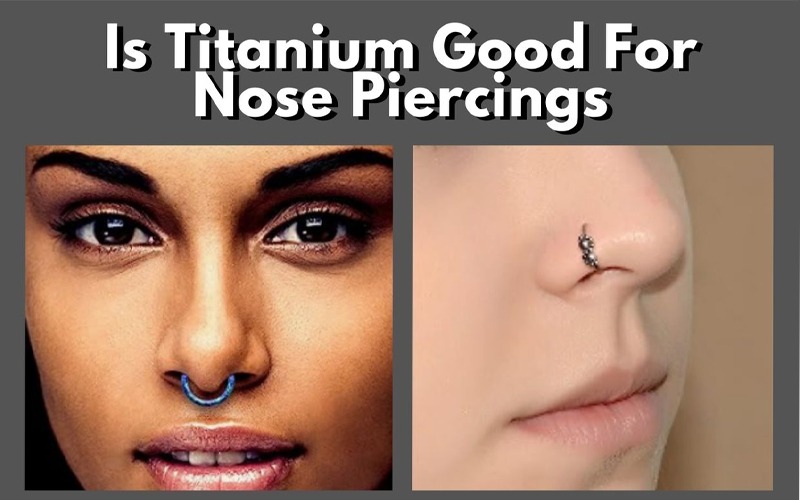
In addition to fit, consider the material of the nose ring. Options range from surgical steel and titanium to gold and acrylic. Each material has different properties, with some being hypoallergenic and better suited for sensitive skin. For example, titanium is known for its lightweight and hypoallergenic properties, making it a popular choice for new piercings.
When to Consult a Professional
If you’re unsure about sizing, it’s best to consult a professional piercer for advice. A piercer can provide valuable insight into the appropriate size and gauge based on your individual anatomy and preferences. They can also take precise measurements, ensuring that your new nose ring fits perfectly. If you are new to piercings, a professional can guide you through the process and help you select suitable materials and styles that will not irritate your skin.
It’s also important to seek professional guidance if you experience any discomfort or irritation with your current jewelry. A piercer can assess your piercing and recommend necessary adjustments or different styles that may work better for you.
Summarizing your nose ring size is crucial for both comfort and style. By measuring your existing jewelry or your nostril, understanding the gauge, and considering different styles, you can confidently select the right size. If you’re still uncertain, don’t hesitate to seek guidance from a professional piercer. With the right knowledge and support, you can enjoy your nose ring without compromising on comfort or aesthetics. Happy piercing!
Frequently Asked Questions
What is the best way to measure my nose ring size?
The best way to measure your nose ring size is by using a ruler or measuring tape to determine the diameter of your nostril piercing. You can also use a caliper for a more precise measurement. Typically, nose rings come in sizes ranging from 20 gauge (0.8mm) to 16 gauge (1.2mm), so knowing your gauge size along with the diameter will help you select the perfect fit.
How do I know if I need a stud, hoop, or screw nose ring?
Choosing between a stud, hoop, or screw nose ring depends on your personal style and comfort level. Studs are simple and secure, making them great for everyday wear, while hoops can add a trendy touch to your look. If you’re looking for a secure fit that minimizes the chance of losing your jewelry, a screw nose ring might be ideal. Consider your lifestyle and comfort when making your choice.
Why is it important to choose the right nose ring size?
Choosing the right nose ring size is crucial for both comfort and aesthetics. An incorrectly sized ring can lead to irritation, increased risk of infection, or may fall out easily, causing you to lose your jewelry. Additionally, the right size enhances your overall appearance, allowing your nose ring to complement your facial features without overwhelming them.
Which gauge size is most commonly used for nose piercings?
The most commonly used gauge size for nose piercings is 18 gauge (1.0mm), although some people may opt for 20 gauge (0.8mm) or 16 gauge (1.2mm) depending on their personal preference and the thickness of their nostril. If you are unsure of your gauge size, it’s best to consult with a professional piercer who can provide guidance based on your piercing’s specific dimensions.
What should I do if my nose ring feels too tight or too loose?
If your nose ring feels too tight, it may be a sign that the jewelry is not the right size, which can lead to discomfort or irritation. Conversely, if it feels too loose, it could fall out or get caught on clothing easily. In either case, consider visiting a professional piercer who can evaluate the fit and recommend an appropriate size or style that better suits your needs.
References
- Nose piercing
- https://www.ncbi.nlm.nih.gov/pmc/articles/PMC6119531/
- https://www.healthline.com/health/nose-piercing-aftercare
- https://www.cdc.gov/nceh/hsb/chemicals/piercings.htm
- https://www.verywellhealth.com/nose-piercing-5196101
- https://www.researchgate.net/publication/331566064_Complications_of_body_piercing
- https://www.aafp.org/pubs/afp/issues/2012/0901/p533.html