Finding the right size for a nose ring is essential for comfort and style, with the standard gauge typically being 20 gauge (0.8mm) or 18 gauge (1.0mm). These sizes are widely accepted as optimal for most individuals, ensuring a balance between aesthetics and comfort. In this article, you will learn about the different sizes, types of nose rings, and tips for selecting the best fit for your individual needs, helping you make an informed decision that enhances your personal style.
Understanding Nose Ring Sizes

Nose ring sizes are primarily measured in gauges, where a higher gauge number signifies a thinner piece of jewelry. The most typical sizes for nose rings are 20 gauge (0.8mm) and 18 gauge (1.0mm), which cater to the majority of nostril piercings. Some individuals may opt for a 22 gauge (0.6mm) for a more delicate look or a 16 gauge (1.2mm) for a thicker appearance. It’s essential to note that while these sizes are standard, individual anatomy and preferences can influence the best choice. Therefore, it is crucial to assess personal comfort alongside these standard measurements.
When considering gauge sizes, one should also keep in mind that the healing process of a fresh piercing might require a slightly larger size initially, as swelling is common. Consult with a professional piercer to determine the most appropriate size based on your unique anatomy.
Types of Nose Rings
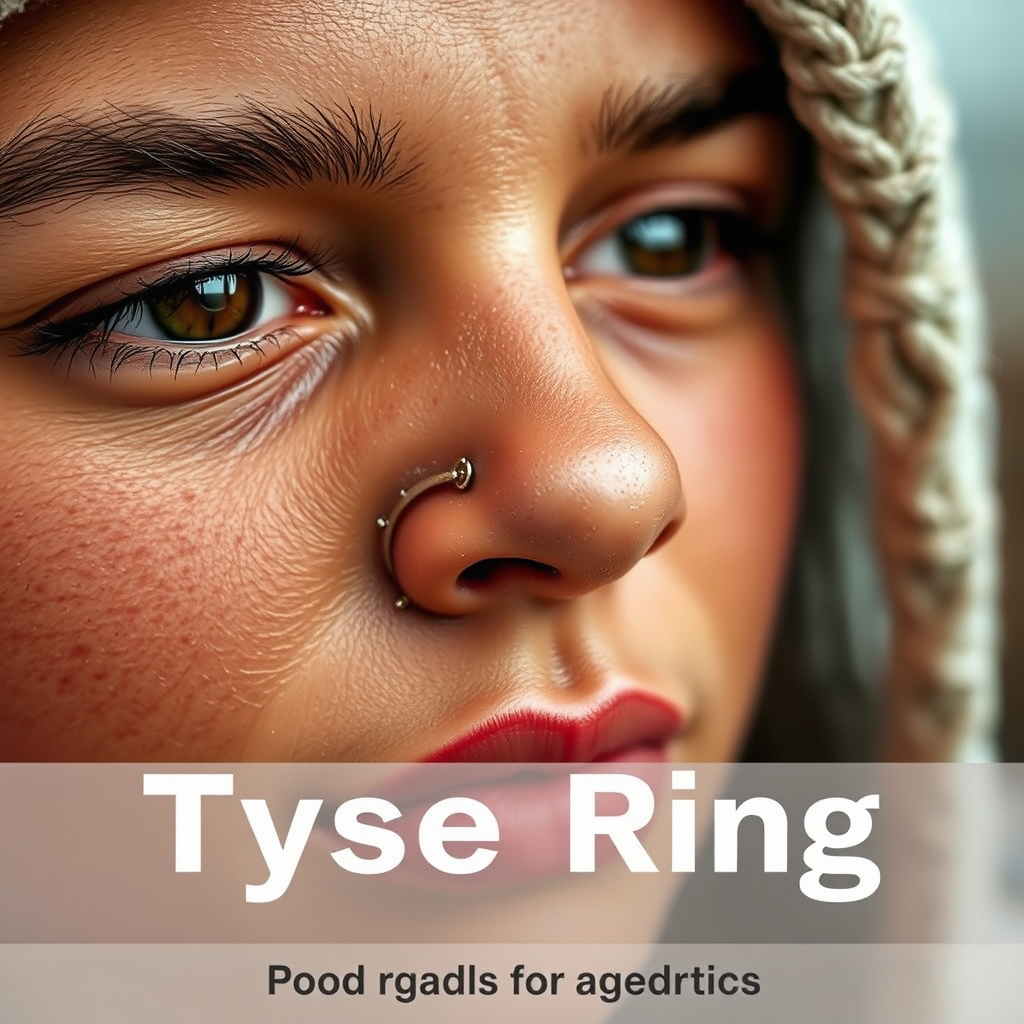
Nose rings come in various styles, allowing individuals to express their personal aesthetics while accommodating different lifestyles.
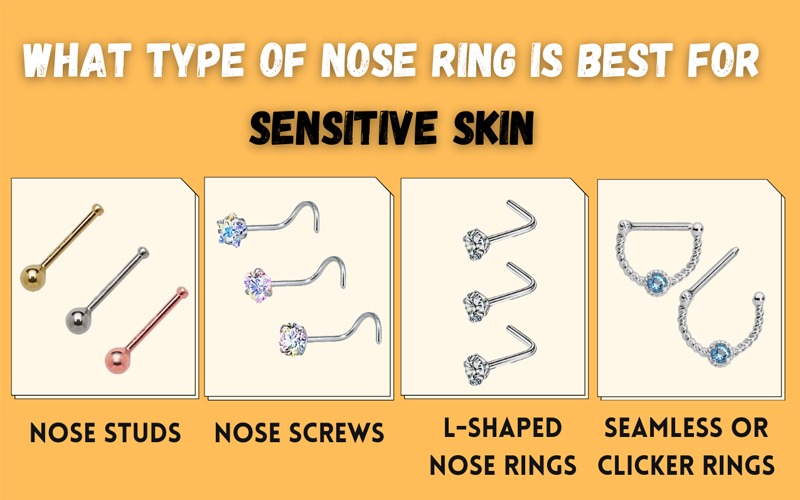
– Studs: These are simple, minimalistic pieces that are ideal for everyday wear. They sit flush against the nostril and are often preferred for their understated elegance. Studs are available in various designs, including gemstones, shapes, and metals, making them versatile for any occasion.
– Hoops: For those seeking a bolder look, hoop nose rings offer a striking statement. They come in various sizes, from small hoops that hug the nostril to larger, more dramatic designs. Hoops can be crafted from different materials and may feature embellishments like charms or beads, making them an excellent choice for those who want to stand out.
– Septum Rings: Although technically not a nose ring in the traditional sense, septum rings fit into the piercing located between the nostrils and can be a fashionable choice for those who desire a unique style. They come in various designs, including clickers and seamless options, catering to personal preferences.
Selecting the right type of nose ring depends on individual style, comfort, and lifestyle. It’s advisable to explore multiple styles to find what resonates with your aesthetic and comfort needs.
Measuring for a Nose Ring
Accurate measurement is crucial for ensuring that your nose ring fits well. The best way to measure is by using a caliper or a ruler to measure the diameter of your existing jewelry if you have one. If you are new to nose rings, you may want to consult a professional piercer who can help assess your nostril’s thickness and the most suitable gauge size.
Consideration of your nostril thickness is also vital when selecting the gauge. A thicker nostril may accommodate a larger gauge without discomfort, while a thinner nostril may require a smaller gauge for a snug fit. In addition, when measuring, be sure to consider the curvature of the jewelry, especially for hoops, as this can impact the overall fit.
Choosing the Right Material
The material of a nose ring can significantly influence both comfort and safety. Common materials include:
– Surgical Steel: Widely used for its durability and affordability, surgical steel is an excellent option for those who prioritize strength. It is also relatively hypoallergenic, making it suitable for most individuals.
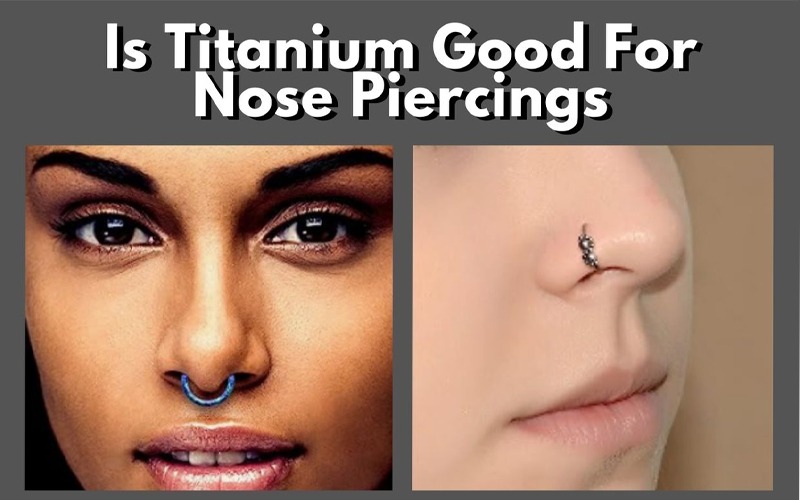
– Titanium: Known for its lightweight properties and hypoallergenic qualities, titanium is an ideal choice for sensitive skin. It is corrosion-resistant and often recommended for initial piercings due to its biocompatibility.
– Gold: Available in various karats, gold provides a luxurious look but can be more costly. Opting for 14k or 18k gold can minimize the risk of allergic reactions, as these contain less nickel than lower-quality gold.
For those with sensitive skin or allergies, hypoallergenic materials are essential. Always look for jewelry labeled as nickel-free or made from biocompatible metals to avoid irritation.
Comfort and Fit Considerations
A properly sized nose ring should feel secure yet not overly tight, allowing for slight movement. If the jewelry is too tight, it can cause discomfort and irritation, while a loose fit may lead to loss or increased risk of snagging.
When in doubt about size, consider adjustable designs that can be customized for a better fit. Additionally, if you experience discomfort, consult with a professional piercer who can provide guidance on sizing and adjustments.
Aftercare and Maintenance
Proper aftercare is crucial for maintaining the health of your piercing and preventing infection. Regular cleaning of your nose ring is essential, typically involving saline solution or a gentle antiseptic recommended by your piercer.
It’s also important to monitor your piercing for signs of irritation, such as redness, swelling, or unusual discharge, which may indicate an infection or rejection of the piercing. If you notice any concerning symptoms, consult with a healthcare professional or your piercer for advice on next steps.
In summary, the normal nose ring size typically falls between 18 and 20 gauge, depending on personal preference and anatomy. When selecting a nose ring, consider the type, material, and fit to ensure comfort and style. If you’re unsure, consult with a professional piercer to find the best option for you. Don’t hesitate to explore different styles and materials to express your individuality!
Frequently Asked Questions
What is the standard size for a nose ring?
The standard size for a nose ring typically varies between 20 gauge (0.8 mm) and 18 gauge (1.0 mm). Most people opt for 20 gauge due to its balance of comfort and visibility. However, the best size for you can depend on your anatomy and personal preference, so it’s advisable to try different sizes to see what feels most comfortable.
How do I measure the size of my nose ring?
To measure the size of your nose ring, you can use a caliper or a ruler to measure the thickness (gauge) of the jewelry. The gauge is an indication of the wire thickness, with higher numbers indicating thinner jewelry. Additionally, you should also consider the diameter of the nose ring, which refers to the size of the circular part that goes through your nostril, typically ranging from 6 mm to 10 mm for most styles.
Why is it important to choose the correct nose ring size?
Choosing the correct nose ring size is crucial for both comfort and healing, especially for new piercings. An incorrectly sized ring can cause irritation, increase the risk of infection, or even lead to complications like migration or rejection of the piercing. Proper sizing ensures that the jewelry fits snugly without being too tight or too loose, promoting optimal healing and reducing discomfort.
What is the best nose ring style for beginners?
For beginners, a simple stud or a hoop with a secure closure is often the best choice for a nose ring. Studs tend to be more discreet and less likely to get caught on clothing or other objects, while hoops can be stylish and comfortable. It’s recommended to start with a 20 gauge stud made from hypoallergenic materials like titanium or surgical steel to minimize any allergic reactions and ensure a safe healing process.
Which materials are best for nose rings to prevent irritation?
The best materials for nose rings to prevent irritation include surgical stainless steel, titanium, and niobium, as these metals are hypoallergenic and less likely to cause allergic reactions. Additionally, gold that is at least 14k or higher can also be a good option, but be cautious of the alloy used, as lower karat gold may contain nickel, which can irritate sensitive skin. Always choose high-quality materials, especially for initial piercings, to ensure comfort and safety.
References
- Nose piercing
- https://www.ncbi.nlm.nih.gov/pmc/articles/PMC6516585/
- https://www.healthline.com/health/nose-piercing-types
- https://www.verywellhealth.com/nose-piercing-5075912
- https://www.aafp.org/pubs/afp/issues/2011/1215/p1554.html
- https://www.cdc.gov/nceh/hsb/chemicals/nose-piercings.htm