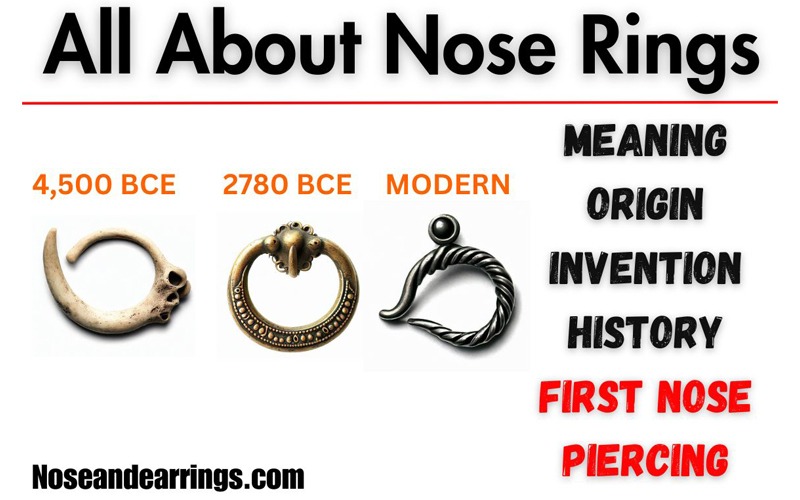
Choosing the right size nose ring is essential for comfort and style. Typically, standard nose ring sizes range from 20 gauge (0.8 mm) to 18 gauge (1.0 mm), but factors like your piercing type and personal preference also play significant roles. Understanding these dimensions and options will help you select the perfect nose ring that not only fits well but also complements your unique style.
Understanding Nose Ring Sizes

Nose rings are commonly measured in gauge, a system that indicates the thickness of the jewelry. The gauge scale is somewhat counterintuitive; the higher the gauge number, the thinner the jewelry. For instance, a 20 gauge nose ring measures 0.8 mm in thickness, making it thinner than an 18 gauge, which measures 1.0 mm. This distinction is crucial, as the size of the ring can affect both the comfort level and the visual impact of the piercing. Generally, a thinner ring may be less noticeable but could also be more prone to bending or breaking, while a thicker ring can offer a bolder aesthetic but may feel bulkier.
Types of Nose Rings
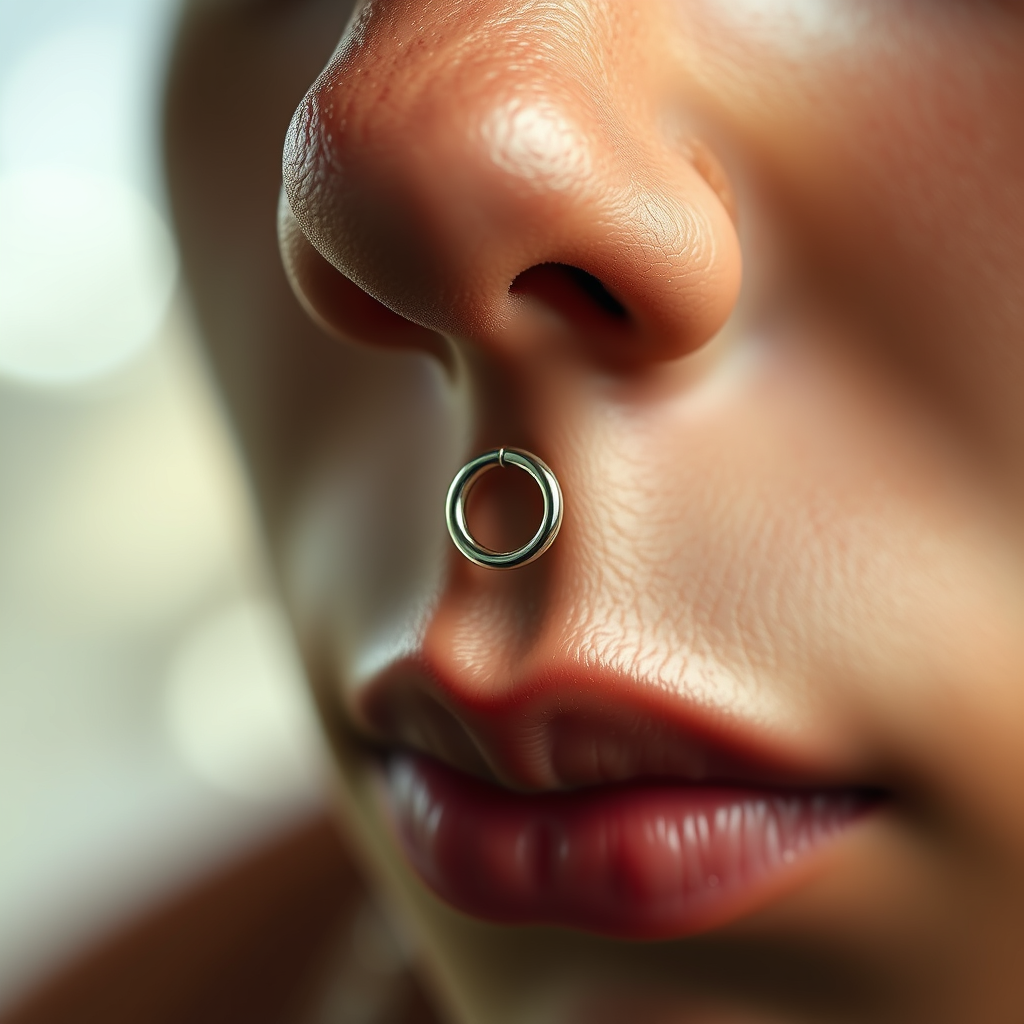
There are several popular types of nose rings that can cater to different styles and preferences.
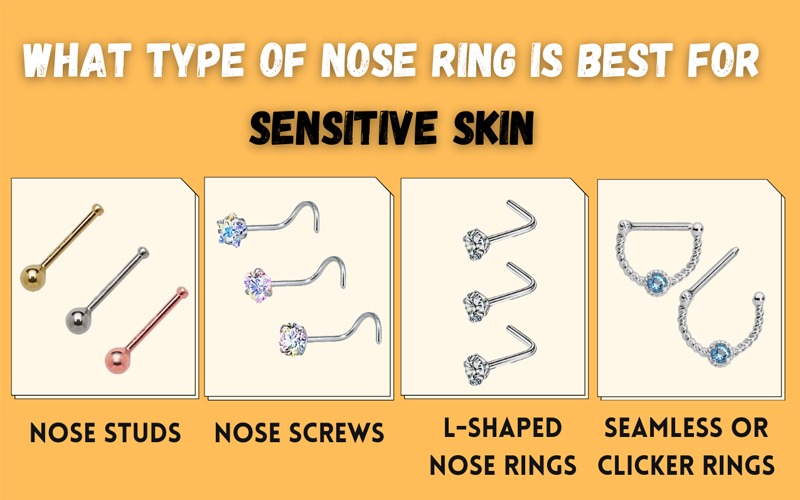
– Studs: Typically featuring a straight post with a decorative end, nose studs are a classic choice that works particularly well for new piercings. They are less likely to snag on clothing or hair, making them a practical option during the healing process. Studs come in various shapes, from simple balls to more elaborate designs, allowing for personalization while maintaining a subtle appearance.
– Hoops: Available in a variety of sizes and styles, nose hoops provide a fashionable and versatile look. They can range from small, delicate hoops to larger, bold designs that make a statement. Hoops can be a great way to express individuality, but they may require more careful consideration during the healing process, as they can be more prone to movement and irritation.
Measuring Your Nose Piercing
Accurate measurement of your nose piercing is essential for selecting the right size nose ring.
– Use a caliper or a ruler to measure the diameter of your piercing accurately. This measurement will guide you in determining the appropriate gauge size. If you are uncertain about doing this yourself, it’s advisable to consult with a professional piercer, who can provide a precise measurement and offer recommendations based on your individual anatomy.
– Additionally, consider the depth of the piercing, as this can influence the length of the post or hoop you select. A professional piercer can also give you insights into the best options based on your healing progress and personal preferences.
Common Nose Ring Sizes
Understanding the standard sizes of nose rings can help streamline your shopping process.
– 20 Gauge: This size is typically suitable for new piercings or individuals who prefer a smaller, more discreet accessory. It’s less likely to cause discomfort during the initial healing phase, making it a popular choice for first-time wearers.
– 18 Gauge: A widely favored option for most nose piercings due to its balance between comfort and visibility, the 18 gauge provides a slightly thicker look while remaining manageable for daily wear. Many people find this size offers the best combination of aesthetic appeal and comfort, making it a go-to choice in the jewelry market.
Material Considerations
When selecting a nose ring, the material plays a crucial role, especially for individuals with sensitive skin.
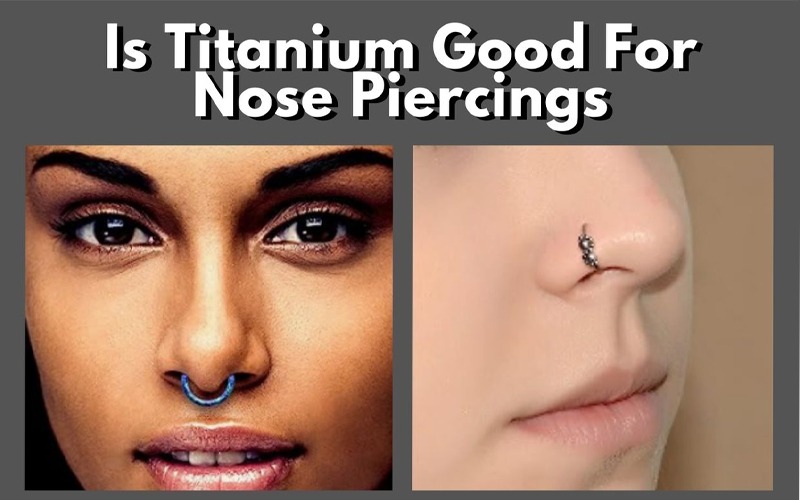
– Opt for hypoallergenic materials such as titanium, surgical steel, or gold if you have sensitivities or allergies. These materials are less likely to cause irritation or allergic reactions, ensuring a more comfortable wearing experience.
– Avoid cheap metals that may contain nickel or other irritants, as these can lead to skin reactions and infection. Investing in quality materials not only enhances comfort but also contributes to the longevity of your jewelry.
Tips for Trying on Nose Rings
If you’re uncertain about the right size, trying on different options can clarify your preferences.
– Visiting a local jewelry store allows you to experiment with various gauges and styles. Many shops have professional staff who can assist you in finding the right fit and style for your nose shape and personal taste.
– Consider the overall style of the nose ring you are trying on. Some designs may appear larger or smaller depending on the shape of your nose or the size of your face. Take your time to find a piece that feels comfortable and looks good from various angles.
Aftercare for Nose Piercings
Proper aftercare is crucial for maintaining the health and appearance of your nose piercing.
– Clean your nose ring and piercing regularly with a saline solution or a gentle, non-alcoholic cleanser. This prevents infections and ensures your piercing heals properly.
– Avoid touching or twisting the jewelry unnecessarily, as this can introduce bacteria and hinder the healing process. Be gentle when cleaning, and follow your professional piercer’s aftercare instructions closely to promote optimal healing and comfort.
In summary, selecting the right size nose ring involves understanding gauge measurements, considering your piercing type, and choosing suitable materials for your skin. By measuring correctly, exploring various styles, and adhering to aftercare guidelines, you can ensure that your nose ring enhances your personal style while remaining comfortable and safe. Now that you’re equipped with this knowledge, visit a local jewelry store or consult with a professional piercer to find the perfect nose ring for you!
Frequently Asked Questions
What size nose ring do I need for my piercing?
The size of a nose ring typically depends on the gauge of the piercing and the diameter of the jewelry. Most standard nostril piercings are done with a gauge of 20 or 18, and the diameter usually ranges from 6mm to 10mm. It’s essential to measure your piercing accurately and consider your personal comfort and style preferences when selecting the right size.
How do I measure my nose for a nose ring?
To measure your nose for a nose ring, you can use a ruler or a caliper to find the distance from the piercing hole to the edge of your nostril. For diameter, measure across the opening of the piercing, ensuring that you consider the thickness of the jewelry as well. This will give you a good idea of the size you need to ensure a comfortable fit and avoid irritation.
Why is it important to choose the correct size for a nose ring?
Choosing the correct size for a nose ring is crucial for both comfort and healing. A ring that is too tight can cause irritation and potential scarring, while one that is too loose may fall out or get caught on objects. Proper sizing also ensures that the jewelry sits nicely and looks aesthetically pleasing, enhancing your overall appearance.
What is the best material for nose rings if I have sensitive skin?
If you have sensitive skin, it’s best to choose nose rings made from hypoallergenic materials such as titanium, surgical stainless steel, or gold that is nickel-free. These materials are less likely to cause allergic reactions or irritation, making them ideal for new piercings or individuals with skin sensitivities. Always ensure that the jewelry is well-crafted and safe for body wear.
Which type of nose ring style is easiest to wear for beginners?
For beginners, the best nose ring styles are typically studs or hoops with a secure closure, such as a screw or a latch-back. These styles are easy to insert and remove, providing a comfortable fit while minimizing the risk of losing the jewelry. Studs, in particular, are a popular choice because they sit flat against the nostril and are less likely to get snagged on clothing or hair.
References
- Nose ring
- https://www.healthline.com/health/body-piercing
- https://www.medicalnewstoday.com/articles/what-to-know-about-nose-piercings
- https://www.verywellhealth.com/nose-piercings-5186107
- https://www.hopkinsmedicine.org/health/wellness-and-prevention/piercing-safety-tips