Bulls typically have a ring in their nose to facilitate easier handling and control. This practice helps farmers and handlers manage the animal’s behavior, as the ring provides a convenient point to lead or restrain the bull. By understanding the significance of this common practice, as well as its benefits and implications for bull management, we can appreciate the balance between animal welfare and effective agricultural practices.
The Purpose of the Nose Ring
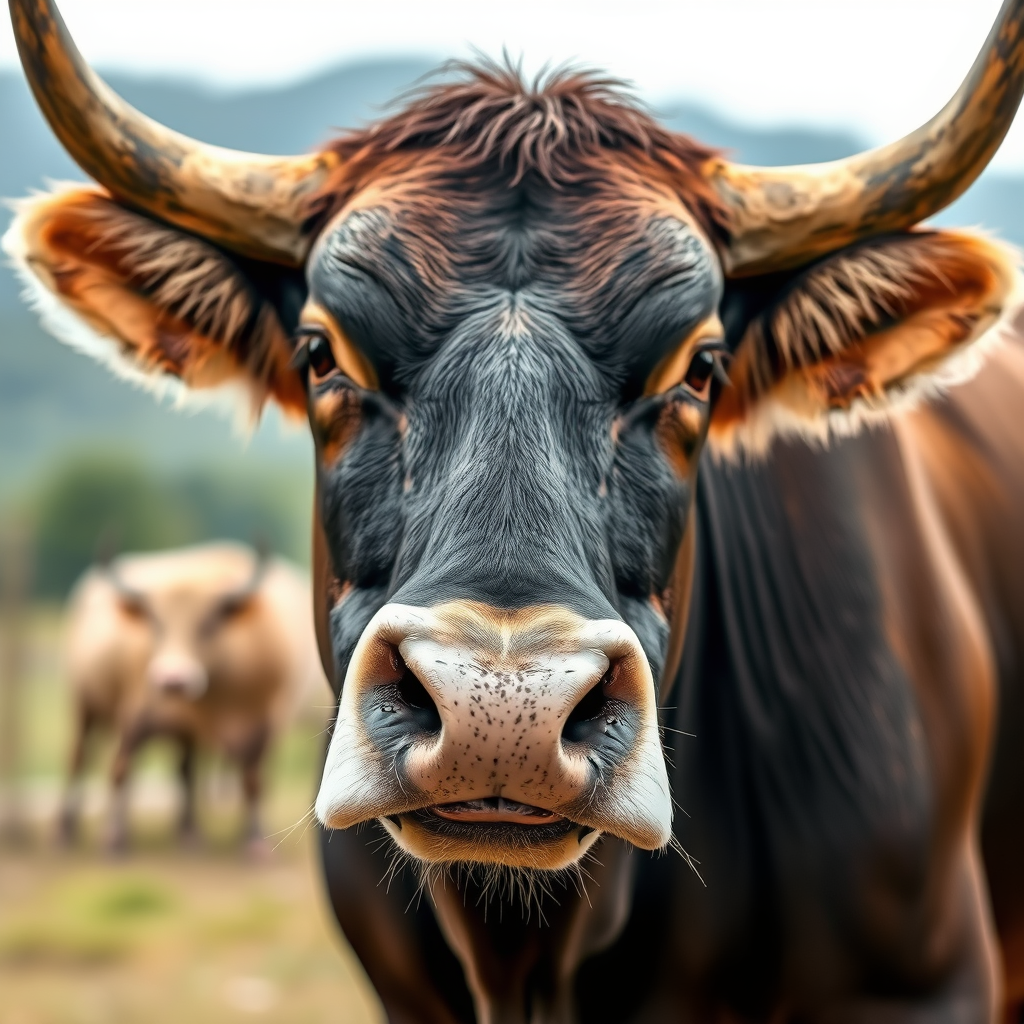
The nose ring serves as a crucial tool for handlers in managing and controlling bulls, which are inherently strong and potentially aggressive animals. By placing a ring through the bull’s nose, handlers gain a direct point of leverage that simplifies the process of leading or restraining the animal. This is particularly important during routine activities such as grooming, veterinary care, and transportation, where a bull may otherwise resist or pose a danger to those nearby.
In addition to facilitating control, the nose ring minimizes the risk of injury to both the bull and the handler. Unlike other restraining methods that may cause discomfort or stress, a properly fitted nose ring allows the animal to move while still being manageable. Furthermore, the ring can be used in conjunction with a lead rope or halter, providing an added layer of control without compromising the animal’s welfare.
Historical Background
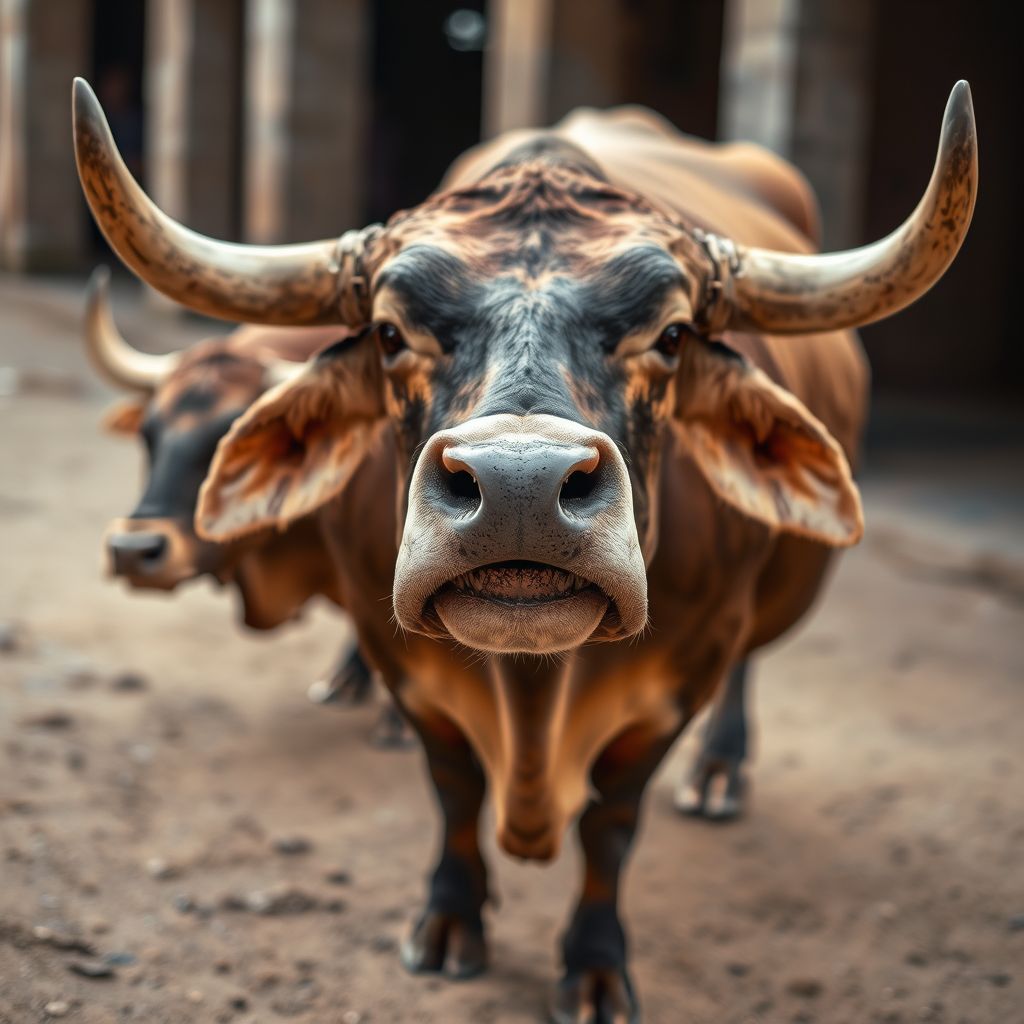
The use of nose rings in bulls has a rich history that spans centuries and cultures. Farmers and herders have employed this practice worldwide as a method of effective animal husbandry. In ancient agricultural societies, where bulls played a critical role in farming and labor, the need for efficient and safe handling techniques became paramount. The nose ring emerged as a practical solution to manage these powerful animals, ensuring that they could be led to the plow or taken to market without incident.
In many cultures, the tradition of using nose rings has been passed down through generations, underscoring its importance in livestock management. Historical texts and artifacts reveal that variations of nose rings have been used for millennia, indicating that this practice is deeply ingrained in agricultural customs. Today, although advancements in animal handling technology and methods have emerged, the nose ring remains a relevant tool in the management of bulls.
Behavioral Management
Bulls are known for their formidable size and strength, but they can also exhibit unpredictable behavior, including aggression. The introduction of the nose ring plays a significant role in behavioral management by providing handlers with a means to mitigate risks associated with handling these animals. When properly trained, bulls can learn to associate the ring with positive experiences, reducing stress and aggression during handling.
Furthermore, the nose ring serves as a training tool that encourages bulls to respond well to commands and guidance. By employing consistent handling techniques, farmers can instill discipline and compliance in their bulls. For instance, when a bull is rewarded for following commands while wearing a nose ring, it reinforces good behavior and creates a more harmonious relationship between the animal and handler.
Health Considerations
While the nose ring is a practical tool, it is essential to consider the health and welfare of the animal. Proper use of a nose ring can prevent injuries to both the bull and handlers. However, if not fitted correctly or maintained, it can lead to discomfort or health issues for the bull. Regular inspections of the ring and the surrounding area are vital to ensure that there are no signs of irritation or infection.
Handlers must also be educated on the proper techniques for fitting and using the nose ring. A ring that is too tight can cause pain and restrict breathing, while a loose ring may not provide adequate control. Therefore, it is important for farmers to be vigilant about their bulls’ health, ensuring that the nose ring does not impede their well-being.
Alternatives to Nose Rings
While noserings are a common choice for managing bulls, some farmers may choose alternative methods for restraint and control. Halters, for instance, can be used as a less invasive option that still provides a means to lead and manage the animal. Halters can be made from various materials and can be adjusted for comfort, making them suitable for different breeds and individual animal temperaments.
The choice of equipment often depends on the handler’s experience and the bull’s individual characteristics. Some bulls may respond better to a halter, while others may require the added control of a nose ring. Furthermore, advancements in animal handling equipment have led to the development of innovative products designed to improve safety and comfort for both bulls and handlers.
Best Practices for Use
To maximize the benefits of using a nose ring, handlers should be trained in the proper techniques for its use. Understanding animal behavior is crucial for effective handling and reducing stress for the bull. Handlers should learn how to approach the animal calmly and confidently, establishing trust before attempting to lead or restrain the bull.
Additionally, it is essential to use the nose ring in conjunction with other management practices, such as positive reinforcement training. By rewarding the bull for good behavior, handlers can create a more cooperative and less stressful environment. Regular training sessions can help reinforce desired behaviors, allowing for safer handling in various situations.
In summary, best practices for using a nose ring include regular inspections for comfort, proper fitting, and consistent handling techniques. Continuous education and training for handlers are also vital to ensure that safety and welfare standards are met.
The practice of using a nose ring on bulls is a long-standing tradition that aids in managing these powerful animals safely and effectively. By understanding its purpose and best practices, handlers can ensure both the welfare of the bull and the safety of those around it. This practice not only enhances the efficiency of agricultural operations but also fosters a more respectful relationship between humans and livestock. For those interested in learning more about bull handling techniques or alternatives, further research and training resources are readily available to enhance their understanding and skills in this critical area of animal husbandry.
Frequently Asked Questions
Why do bulls have a ring in their nose?
Bulls have a ring in their nose primarily for control and handling purposes. The ring is inserted through the nasal septum and allows handlers to lead or restrain the animal safely. This is particularly important for larger bulls, which can be strong and difficult to manage without proper equipment.
How does a nose ring help in bull management?
A nose ring helps in bull management by providing a point of leverage for handlers, making it easier to guide and control the animal during various activities, such as veterinary care, breeding, or transportation. The ring also serves as a deterrent for aggressive behavior, as pulling on the ring can cause discomfort, encouraging the bull to behave more calmly.
What are the potential risks of having a nose ring in bulls?
While nose rings can facilitate management, there are potential risks involved, including the chance of injury if the bull gets caught on objects or if the ring causes irritation or infection in the nasal tissue. It’s crucial for handlers to ensure that the nose ring is properly fitted and maintained to prevent complications and ensure the welfare of the animal.
Which type of nose ring is best for bulls?
The best type of nose ring for bulls typically depends on the size and temperament of the animal. Common options include simple circular rings or more secure designs with a locking mechanism. It’s essential to choose a ring that’s appropriate for the bull’s size to ensure comfort and effective control, while also considering the specific handling needs of the farm or ranch.
Are there alternatives to using a nose ring for bulls?
Yes, there are alternatives to using a nose ring for bulls, such as using halters or headstalls, which can provide better comfort and control without piercing the nose. Additionally, training techniques that focus on positive reinforcement can be employed to manage bulls effectively without the need for invasive equipment. Each method should be evaluated based on the individual animal’s behavior and the specific management practices in place.
References
- Bull ring
- https://www.extension.purdue.edu/extmedia/AS/AS-583-W.pdf
- https://www.ansci.oregonstate.edu/animal-health/bull-management
- https://www.cattlenetwork.com/cattle-news/bull-management-tips
- https://www.tn.gov/content/dam/tn/agriculture/documents/animal-health/Bull_Management.pdf
- https://www.ncbi.nlm.nih.gov/pmc/articles/PMC7122350/