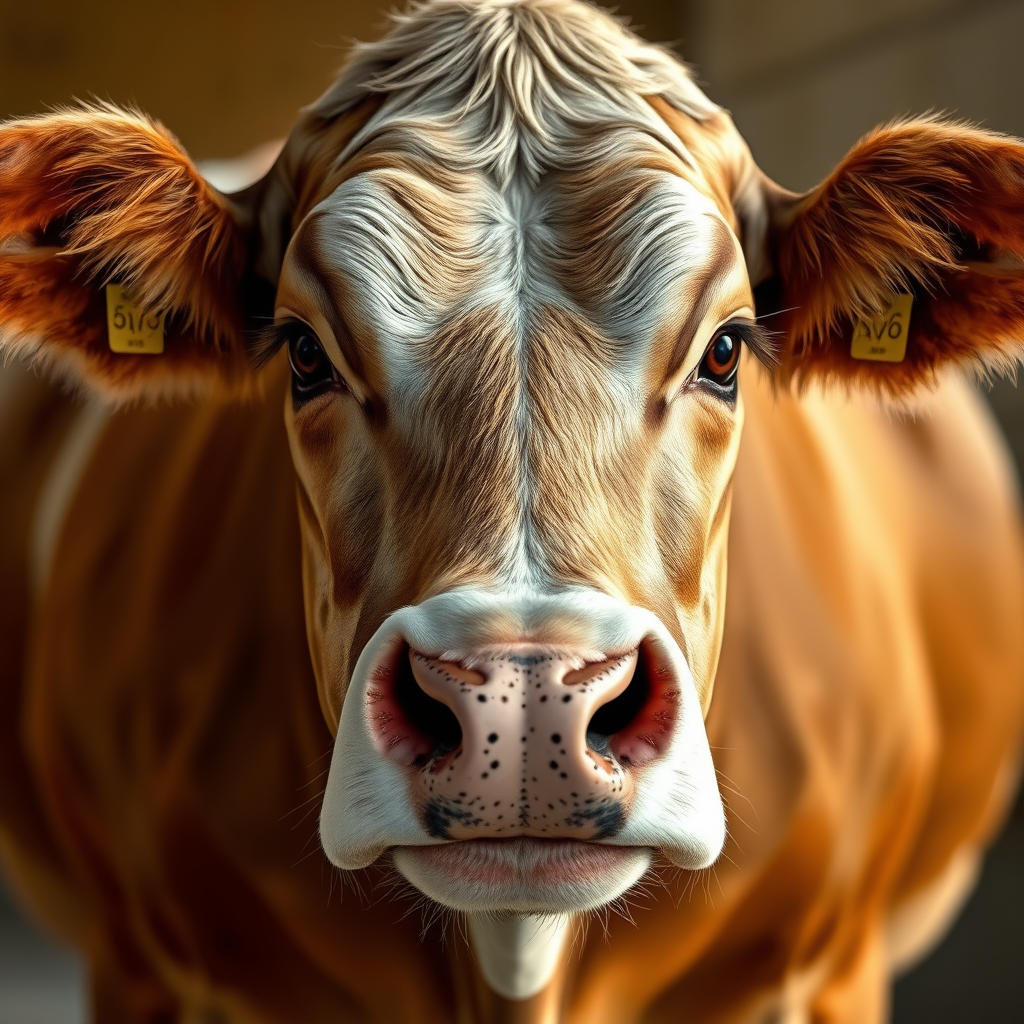
Cows have rings in their noses primarily for control and management. These rings facilitate safer handling, allowing farmers to lead and manage their livestock without causing harm. Beyond mere convenience, this practice is rooted in animal behavior, herd dynamics, and ethical considerations that shape modern farming practices. In this article, we will explore the reasons behind this practice, the benefits for farmers and cows, and some considerations regarding animal welfare.
The Purpose of Nose Rings
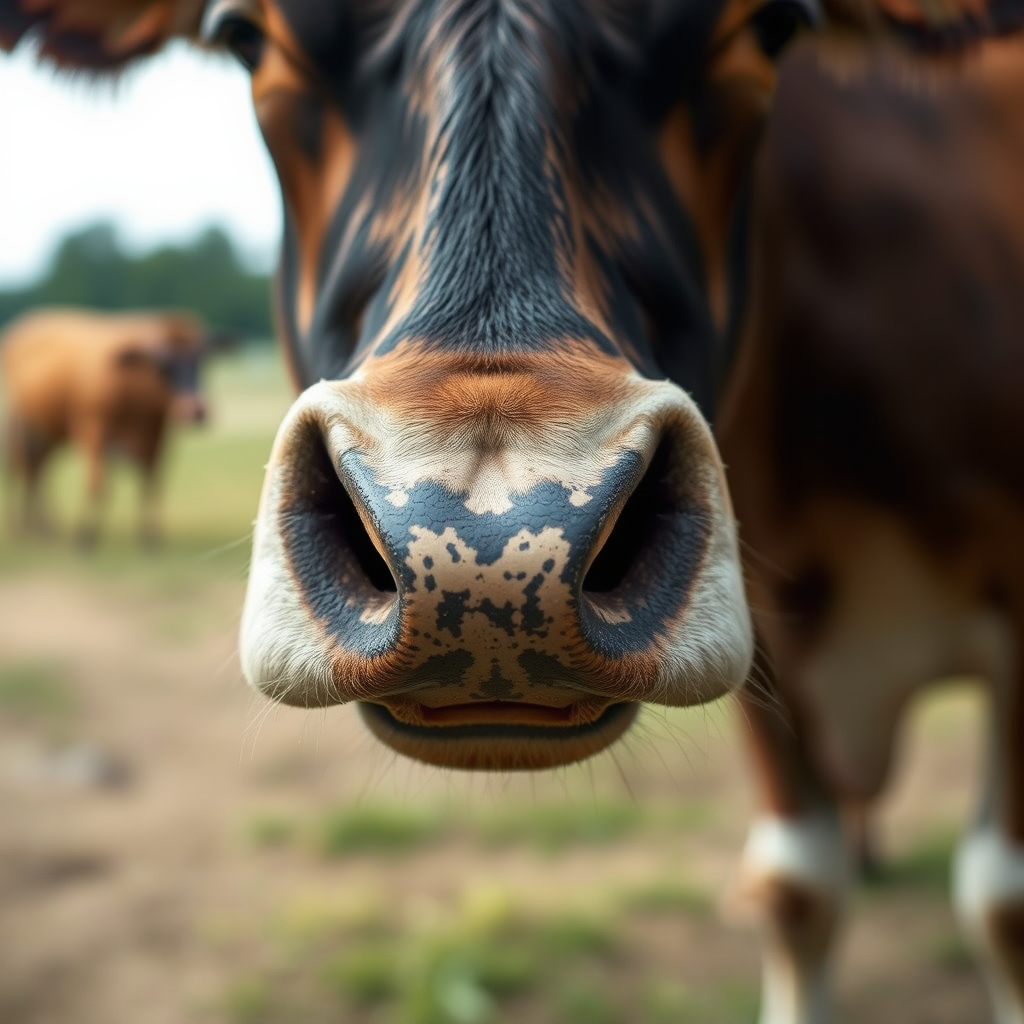
Nose rings serve multiple purposes in the management of cattle. One of the primary reasons for their use is to prevent cows from rooting or grazing destructively. Cows are naturally inquisitive animals, and without proper guidance, they may engage in behaviors that can lead to overgrazing or damage to pastureland. The presence of a nose ring discourages such behaviors, as it provides a physical deterrent when farmers need to redirect the animals’ attention.
Additionally, nose rings allow farmers to lead cows more easily and safely through various environments, whether it be loading them onto a trailer for transport or moving them to different pastures. When a farmer uses a lead attached to a nose ring, it offers a direct point of control, reducing the chances of the cow pulling away or becoming agitated. This control is not just for the benefit of the farmer but is also crucial for the safety of the animals themselves, as it minimizes the risk of accidents during handling.
Benefits for Farmers
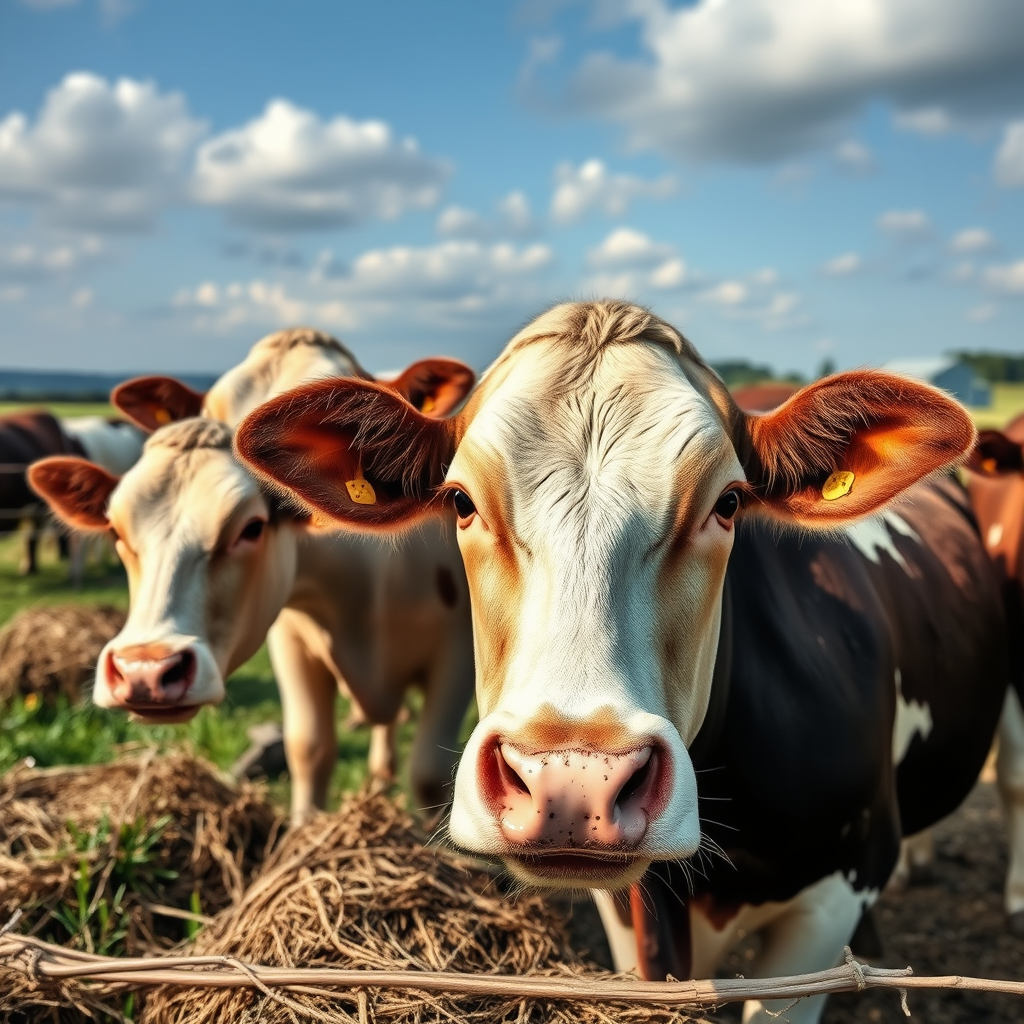
For farmers, the implementation of nose rings can significantly improve herd management. By using nose rings, farmers can navigate their livestock more effectively, making it easier to move cows between enclosures or during routine veterinary checks. This efficiency is beneficial in large-scale farming operations where time and labor resources are often stretched thin.
Moreover, the use of nose rings helps reduce the risk of injury to both the cows and the handlers. During feeding routines, for example, cows can become excited and may push against one another or the handlers. A nose ring allows for better control during these potentially chaotic times, ensuring that the animals are kept safe and that handlers can perform their duties without fear of being harmed by an agitated cow. This control not only fosters a safer working environment but also contributes to a more stable and less stressful atmosphere for the cows themselves.
Animal Behavior Insights
Understanding cow behavior is essential for the effective use of nose rings. Cows are social animals that thrive in herds, exhibiting behaviors shaped by their environment and interactions with other animals. Their natural curiosity can lead them to explore their surroundings, often resulting in behaviors that might be destructive or dangerous. Nose rings serve as a practical tool to mitigate these behaviors, allowing farmers to manage their cows in a way that respects their instincts while maintaining order.
Additionally, research into cow behavior has shown that when cows are handled calmly and with respect, their stress levels decrease, leading to improved overall health and productivity. Therefore, the humane use of nose rings can actually enhance the well-being of the animals. Farmers who take the time to understand their cows’ social dynamics and individual temperaments may find that using nose rings in conjunction with positive handling techniques yields the best results for both the livestock and the farming operation.
Alternatives to Nose Rings
While nose rings are a common management tool, there are alternative methods for managing cows that farmers may consider. Halters, for example, can be used to lead cows without the need for a nose ring. Halters offer a more gentle approach to handling and allow for better communication between the handler and the animal. Training techniques, such as positive reinforcement, can also be effective in teaching cows to respond to commands without the need for physical restraints.
Farmers should weigh the pros and cons of each method based on their specific circumstances, including the size of their operation, the temperament of their livestock, and their own comfort level with different handling techniques. The choice of using nose rings versus alternatives often comes down to personal preference and the specific management goals of the farm.
Ethical Considerations
The use of nose rings raises important questions about animal welfare and humane treatment in farming practices. Critics argue that any form of physical restraint can lead to discomfort or stress for the animals. It is crucial for farmers to follow best practices to ensure the well-being of their livestock. This includes using nose rings only when necessary and ensuring that they are fitted correctly to avoid injury or infection.
Farmers are encouraged to stay informed about animal welfare standards and to seek guidance from veterinary professionals or animal welfare organizations. By adopting a thoughtful approach to the use of nose rings and remaining open to alternative methods, farmers can strike a balance between effective herd management and the ethical treatment of their animals.
The Process of Fitting Nose Rings
Fitting a nose ring involves a specific procedure that must be performed with care to minimize discomfort for the cow. The process typically begins with selecting an appropriate size and type of ring, which can vary depending on the breed and age of the cow. Proper hygiene is crucial during the fitting process to prevent infections; thus, farmers should ensure that all equipment is sterilized and that the cow is handled in a clean environment.
Once the ring is selected, the fitting procedure usually involves a quick, careful application, often performed by experienced personnel. It is essential to monitor the cow closely after fitting the nose ring to ensure that there are no adverse reactions. Farmers should also be prepared to provide care and support if the cow shows signs of distress or discomfort, as the immediate post-fitting period can be critical.
Incorporating regular checks and observations into the management routine can help identify any issues early on, enabling farmers to take appropriate action to ensure the health and comfort of their livestock.
In summary, nose rings serve a critical purpose in managing cows effectively while also considering their safety and behavior. As farmers weigh the pros and cons, understanding both the benefits and ethical implications is essential. If you’re interested in learning more about livestock management practices or exploring humane alternatives, consider reaching out to local agricultural extension services or animal welfare organizations.
Frequently Asked Questions
Why do farmers put rings in cows’ noses?
Farmers put rings in cows’ noses primarily to control and manage their behavior, particularly when it comes to grazing. The nose ring serves as a tool to discourage excessive rooting or unwanted behaviors, making it easier to lead or handle the animal. This practice is common in cattle farming as it ensures safety for both the farmer and the livestock while minimizing damage to pastures.
How does a nose ring affect a cow’s health?
A properly fitted nose ring does not negatively impact a cow’s health; however, it should be applied correctly to avoid discomfort. Some farmers choose to use nose rings made from soft materials to reduce irritation. Regular monitoring of the ring’s fit and the cow’s overall condition is essential to ensure that it remains a safe management tool without causing harm.
What are the different types of rings used in cows’ noses?
There are several types of rings used in cows’ noses, including plain nose rings, which are the most common, and more specialized designs like those with a hook or a chain. Plain rings are typically used for general handling, while more complex designs may aid in specific management practices such as limiting feed intake. Choosing the right type depends on the farmer’s management goals and the individual cow’s behavior.
Which breeds of cows are most likely to have nose rings?
While nose rings can be used on various breeds of cattle, they are most commonly seen in larger breeds known for their strength and assertive behavior, such as Angus or Hereford. These breeds often require more handling and management, making the use of nose rings beneficial for controlling their actions. However, the decision to use a nose ring is more about the individual animal’s temperament than the breed itself.
How can farmers minimize stress when using nose rings on cows?
To minimize stress when using nose rings, farmers should ensure that the fitting is done calmly and gently, preferably with the help of experienced personnel. Introducing the cow to the nose ring gradually, along with positive reinforcement techniques, can also help ease anxiety. It’s crucial to observe the cow’s behavior after fitting the ring to ensure it is comfortable and to make adjustments as needed for their well-being.
References
- Cattle
- https://www.msu.edu/user/mitchellm/animalhusbandry/cows.html
- https://www.extension.purdue.edu/extmedia/AS/AS-618-W.pdf
- https://www.thebeefsite.com/articles/25027/animal-welfare-and-behavior-in-cattle
- https://www.nal.usda.gov/legacy/legacy/cattle-management
- https://www.extension.iastate.edu/cattle/documents/CattleManagement.pdf