Nose rings can develop an unpleasant odor primarily due to the growth of bacteria, the accumulation of sweat, and the materials used in the jewelry. This issue, while common, can often be alleviated with proper care and maintenance. Understanding how these factors contribute to odor formation can significantly enhance your nose ring experience, keeping your piercings fresh and comfortable. In this article, we’ll explore the causes of nose ring odors and how to keep your piercings clean and odor-free.
The Role of Bacteria

Bacteria are one of the leading culprits behind unpleasant odors associated with nose rings. These microorganisms thrive in warm, moist environments, making the area around piercings an ideal breeding ground. The nose itself is home to natural oils and sweat, which can accumulate over time. When hygiene is neglected, these oils can trap bacteria, leading to a foul smell.
For example, a study published in the Journal of Clinical Microbiology highlighted that skin flora, including various types of bacteria, can proliferate around body piercings. This not only contributes to odor but can also lead to infections if not addressed promptly. Therefore, maintaining a clean environment around your nose ring is crucial. Regular cleaning can help disrupt bacterial growth, minimizing both odor and the risk of infection.
Material Matters

The material of your nose ring plays a significant role in both comfort and odor control. Cheap metals, such as nickel or brass, can cause skin irritation and allergic reactions, leading to inflammation and increased sweating. This irritation can exacerbate odor issues, as inflamed skin is more prone to bacterial growth.
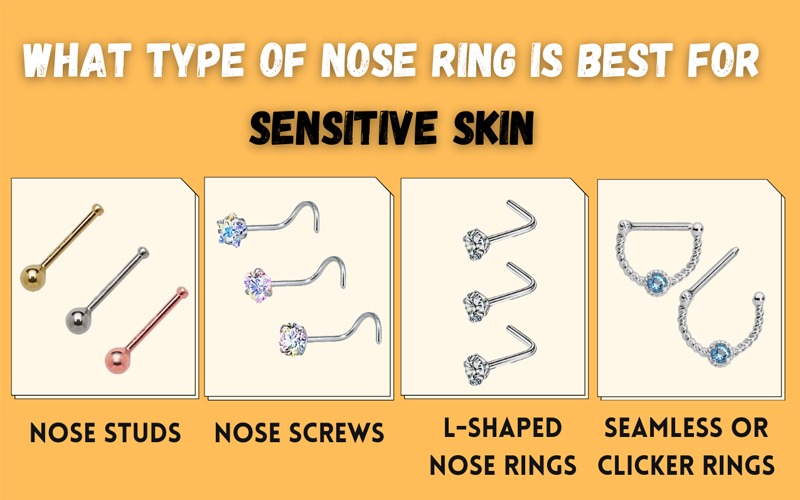
To avoid these problems, it is advisable to choose hypoallergenic materials such as titanium, surgical steel, or gold. These materials are less likely to cause allergic reactions and tend to be more resistant to corrosion and tarnishing. For instance, titanium is not only strong and lightweight but also biocompatible, making it an excellent choice for body jewelry. Investing in quality materials can significantly enhance your overall experience and reduce odors associated with your nose ring.
Hygiene Practices
Establishing a robust hygiene routine is essential for preventing odor around your nose ring. Regular cleaning of the piercing site is crucial; it’s recommended to use saline solutions or a mild, fragrance-free soap. Saline solutions help to disinfect the area without causing irritation, while mild soaps can effectively remove dirt and excess oils.
Moreover, it’s important to avoid touching your nose ring with dirty hands. This can introduce additional bacteria to the area and increase the likelihood of odor. When cleaning, use clean cotton swabs or pads to apply the saline solution, ensuring that you do not introduce further contaminants. Setting a cleaning schedule—ideally once or twice daily—can help to maintain a fresh and odor-free piercing.
Sweat and Lifestyle Factors
Sweating can significantly contribute to the odor associated with nose rings. Physical activities, hot weather, and even emotional stress can lead to increased perspiration, which can mix with bacteria and natural oils on the skin. This combination can create a breeding ground for odor-causing microbes.
Additionally, certain lifestyle choices can impact the cleanliness of your piercings. For instance, smoking can impart a strong odor that may cling to your jewelry, while a diet high in spicy foods can alter body odors. To mitigate these effects, consider wearing a nose ring less frequently during intense workouts or in very hot weather. Staying hydrated and maintaining a balanced diet can also help regulate sweat and improve skin health.
Signs of Infection
It is crucial to be vigilant about the signs of infection, as these can escalate into more serious issues if left untreated. Symptoms may include redness, swelling, warmth around the piercing, and a persistent foul odor. If you notice any of these signs, it is essential to seek professional help promptly. Early intervention can prevent complications and ensure the health of your piercing.
Infections may require treatment with antibiotics or, in some cases, removal of the jewelry. A healthcare professional can provide tailored advice and appropriate treatment options, so do not hesitate to reach out if you suspect an infection.
Long-Term Care Tips
To ensure the long-term health of your nose ring, consider changing your jewelry periodically. Over time, buildup of skin cells, oils, and bacteria can occur, even with regular cleaning. Switching to a new, clean piece of jewelry can help prevent this accumulation and reduce odor.
Maintaining a regular cleaning schedule is also crucial. Assess your piercing regularly for any changes, such as increased redness or swelling, and adjust your cleaning routine accordingly. If you notice persistent odor or discomfort, it may be time to consult a professional piercer or healthcare provider for advice.
Maintaining a nose ring doesn’t have to be complicated. By understanding the causes of odor and implementing effective hygiene practices, you can enjoy a fresh and healthy piercing. If you have found this information helpful, consider sharing it with friends or checking out more piercing care tips!
Frequently Asked Questions
Why do nose rings develop an unpleasant odor?
Nose rings can develop an unpleasant odor due to the accumulation of bacteria, sweat, and sebum (natural oils produced by the skin) around the piercing. When these substances mix, they create a foul smell. Additionally, if the jewelry is made from materials that irritate the skin, it can exacerbate this issue, making it essential to choose high-quality materials like surgical stainless steel or titanium for your nose ring.
How can I prevent my nose ring from smelling bad?
To prevent your nose ring from developing an odor, maintain proper hygiene by cleaning the area regularly with saline solution or a gentle antiseptic. Avoid touching your nose ring with dirty hands and consider removing it during activities that cause excessive sweating. Regular cleaning not only helps to eliminate odors but also promotes overall healing and prevents infections.
What materials are best for avoiding odor in nose rings?
The best materials for nose rings that minimize odor and irritation are surgical stainless steel, titanium, and niobium. These materials are hypoallergenic and resistant to tarnishing, which helps reduce the risk of bacteria buildup. Avoid cheap jewelry made from materials like nickel or brass, as they can create allergic reactions and contribute to odor problems.
Why does my nose ring smell worse when I have a cold or allergies?
When you have a cold or allergies, your body produces more mucus and your nasal passages can become inflamed, leading to increased drainage. This excess fluid can carry bacteria and other irritants, which may accumulate around your nose ring, resulting in a stronger odor. Keeping your piercing clean and paying attention to hygiene during these times can help manage the smell.
Which cleaning methods are most effective for eliminating odors from nose rings?
Effective cleaning methods for eliminating odors from nose rings include using a saline solution, witch hazel, or an antiseptic specifically designed for piercings. Soaking a cotton ball in these solutions and gently cleaning around the piercing can help remove buildup. It’s important to avoid harsh chemicals and alcohol-based products, as they can irritate the piercing and worsen odor issues.
References
- Nose ring
- https://www.ncbi.nlm.nih.gov/pmc/articles/PMC5887894/
- https://www.healthline.com/health/nose-piercing-infection
- https://www.mayoclinic.org/healthy-lifestyle/skin-care/expert-answers/nose-piercing-care/faq-20057926
- https://www.verywellhealth.com/nose-piercing-care-5074845