When you move your nose ring and feel pain, it is typically caused by irritation, an improper fit of the jewelry, or the possibility of infection. Understanding these underlying issues can significantly help to alleviate your discomfort and ensure that your piercing heals properly. This article delves into the various reasons for pain associated with nose rings and offers effective management strategies.
Common Causes of Pain

– Irritation from Movement: One of the most prevalent causes of pain when moving a nose ring is irritation at the piercing site. This irritation can occur due to frequent movement of the ring, particularly if the jewelry does not fit snugly or is too large. When a ring shifts too much, it can cause friction against the surrounding tissue, leading to inflammation and tenderness. Additionally, if the piercing is still healing, any movement could exacerbate discomfort.
– Infection Risk: Another significant factor to consider is the risk of infection. If you notice symptoms such as increased redness, swelling, or discharge from the piercing, it may indicate an infection. Infections can lead to localized pain, especially when the jewelry is moved. Paying attention to these signs and seeking medical advice promptly can help prevent further complications.
Jewelry Material Matters
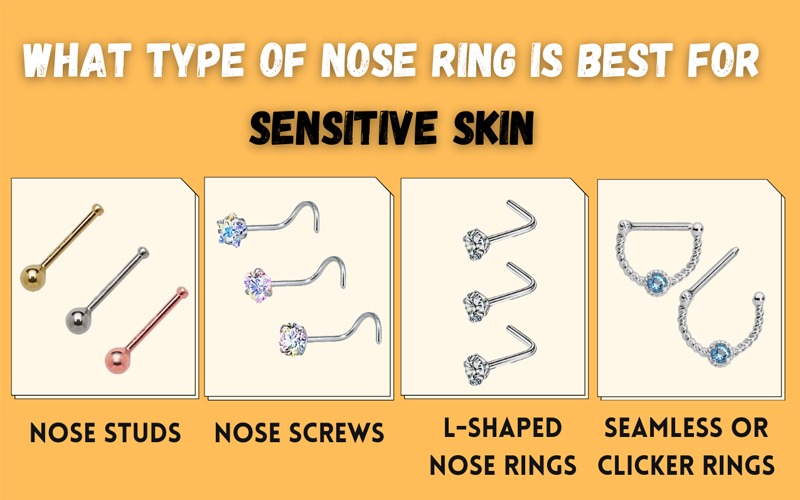
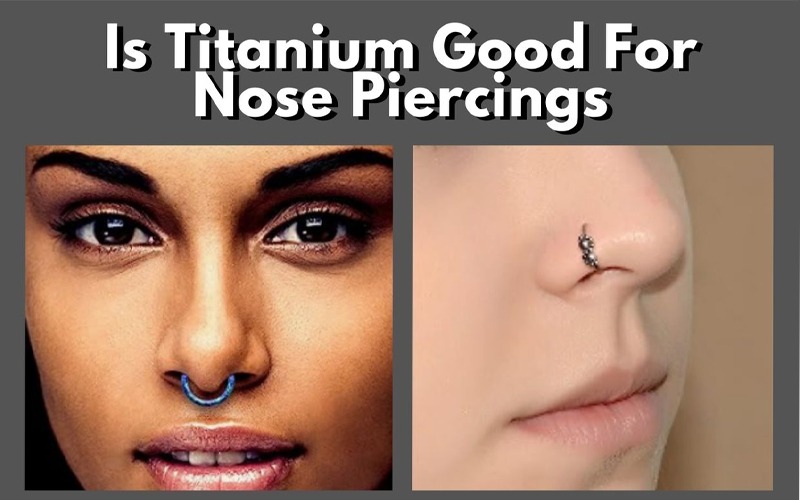
– Hypoallergenic Options: The material of your nose ring plays a crucial role in your overall comfort. Choosing high-quality jewelry made from hypoallergenic materials like surgical stainless steel, titanium, or solid gold can minimize irritation. These materials are less likely to provoke an allergic reaction or cause skin sensitivity, which can lead to pain when the jewelry is manipulated.
– Avoiding Allergens: Conversely, jewelry made from materials like nickel can trigger allergic reactions in sensitive individuals, resulting in pain and discomfort. If you find that your nose ring consistently causes issues, it may be worth investing in jewelry made from more biocompatible materials to ensure a more pleasant wearing experience.
Aftercare Tips for Healing
– Regular Cleaning: Proper aftercare is essential for the healing process of any piercing. Cleaning the area regularly with a saline solution or a gentle antiseptic can help prevent infection and promote healing. It’s advisable to avoid alcohol-based products, as these can dry out the area and irritate the skin. Clean your nose ring and the surrounding area at least twice a day, especially in the initial weeks post-piercing.
– Avoid Touching: Limiting the movement of your nose ring is crucial for healing. Avoiding unnecessary touching or playing with the jewelry helps reduce the risk of irritation and infection. When you do need to clean or adjust your ring, make sure to wash your hands thoroughly first to prevent introducing bacteria to the area.
When to Seek Professional Help
– Persistent Pain: If you experience pain that does not subside despite following proper care protocols, it may be time to consult a professional piercer or healthcare provider. They can evaluate your piercing to determine if there are underlying issues that need addressing, such as an improperly placed piercing or an allergic reaction to the jewelry.
– Signs of Infection: Should you observe increased redness, swelling, or discharge, it’s vital to seek medical advice promptly. An untreated infection can lead to more severe complications, including abscess formation. Healthcare professionals can provide appropriate treatment, which may include antibiotics or other interventions to facilitate healing.
Potential Complications
– Keloids and Scarring: Some individuals are predisposed to keloids—thick, raised scars that develop at the site of a wound, including piercings. If you notice abnormal growth around your nose ring, it may be a keloid. While they are not harmful, they can be unsightly and may require medical treatment for removal.
– Migration or Rejection: Poorly placed piercings can lead to migration (where the jewelry shifts from its original position) or rejection (where the body pushes the jewelry out). Both scenarios can cause discomfort and require professional intervention. It’s crucial to be aware of your body’s response to a new piercing and to seek assistance if you suspect migration or rejection is occurring.
Preventive Measures
– Choosing the Right Piercer: Selecting a reputable and experienced piercer is one of the best ways to minimize risks associated with new piercings. A professional piercer will use sterile techniques and high-quality materials, ensuring that your piercing is done correctly and with care.
– Proper Jewelry Sizing: Ensuring that your jewelry is the correct size is vital for comfort and healing. A properly sized ring should fit snugly without excessive movement. If you’re unsure about what size to choose, consult with your piercer for guidance.
Maintaining awareness of these factors can empower you to address discomfort related to your nose ring effectively. If you experience ongoing pain, do not hesitate to reach out to a professional for assistance. Understanding the causes of discomfort and adhering to proper care protocols can lead to a more comfortable experience and the enjoyment of your beautiful accessory.
Frequently Asked Questions
Why does my nose ring hurt when I move it?
Pain when moving your nose ring can be caused by several factors, including irritation from the jewelry material, infection, or improper placement of the piercing. If the ring is too tight or if you’re moving it too often, it can lead to inflammation of the surrounding tissue, resulting in discomfort. It’s essential to ensure that your jewelry is made from hypoallergenic materials and that you allow your piercing to heal properly.
How can I tell if my nose ring pain is due to an infection?
Signs of an infection in your nose piercing may include redness, swelling, warmth around the area, and pus or other discharge. If you experience persistent pain, especially if it worsens over time, it’s essential to consult a healthcare professional who can assess the situation and recommend appropriate treatment. Early detection of an infection can help prevent further complications.
What type of jewelry is best to prevent pain in my nose piercing?
To minimize pain and irritation, it’s best to choose jewelry made from high-quality, hypoallergenic materials such as titanium, surgical steel, or gold (14k or higher). Avoid nickel-containing jewelry, as many people have allergies to nickel that can cause pain and inflammation. Additionally, consider using a nose ring with a smooth surface and a comfortable fit to reduce friction and irritation.
Why does my nose ring hurt after changing it?
Experiencing pain after changing your nose ring is common, especially if the piercing is still healing. New jewelry may cause irritation or trauma to the piercing, leading to inflammation. To mitigate this, ensure that the new jewelry is properly sanitized before insertion and that it is suitable for your healing stage. If pain persists, you may want to consult a professional piercer for advice.
Which aftercare practices can help alleviate pain from my nose ring?
To alleviate pain from your nose ring, it’s crucial to maintain proper aftercare. This includes cleaning the area with a saline solution or a gentle antiseptic solution, avoiding touching the piercing with dirty hands, and minimizing movement of the ring. Additionally, avoiding makeup and skincare products near the piercing can help prevent irritation and promote healing. Regular care will help reduce discomfort and prevent complications.
References
- https://www.healthline.com/health/nose-piercing-pain
- https://www.mayoclinic.org/healthy-lifestyle/adult-health/expert-answers/nose-piercings/faq-20057954
- https://www.medicalnewstoday.com/articles/nose-piercing-infection
- https://www.ncbi.nlm.nih.gov/pmc/articles/PMC6466325/
- https://www.verywellhealth.com/nose-piercing-5184462