Nose rings should not be excessively loose; they should fit snugly and comfortably while allowing for a slight degree of movement. A well-fitted nose ring ensures that the jewelry remains secure, minimizing the risk of loss or irritation. In this article, we will delve into what constitutes an ideal fit for nose rings, address common concerns associated with fit issues, and provide helpful tips for selecting the right nose ring to enhance both comfort and style.
Understanding Nose Ring Fit

A properly fitted nose ring is essential for both aesthetic appeal and comfort. It should rest snugly against the nostril without pinching or causing discomfort to the wearer. The ideal fit is one that allows for a small degree of movement; this ensures that the jewelry does not feel overly restrictive, which can lead to irritation or pressure points. A nose ring that is too loose can shift excessively and may even fall out, while one that is too tight can lead to complications, especially in the case of freshly pierced nostrils. When assessing the fit, it is crucial to balance comfort with security, allowing the wearer to go about their daily activities without constant concern for their jewelry.
Types of Nose Rings
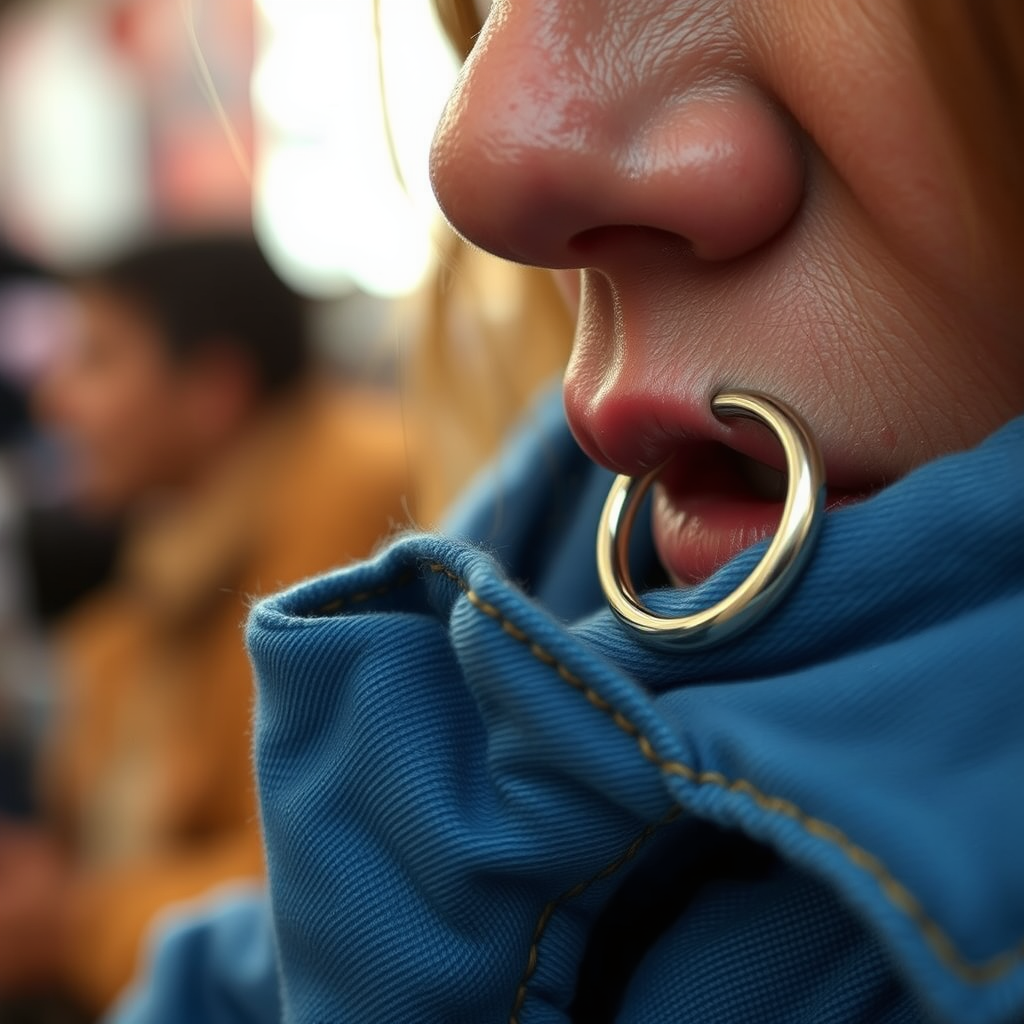
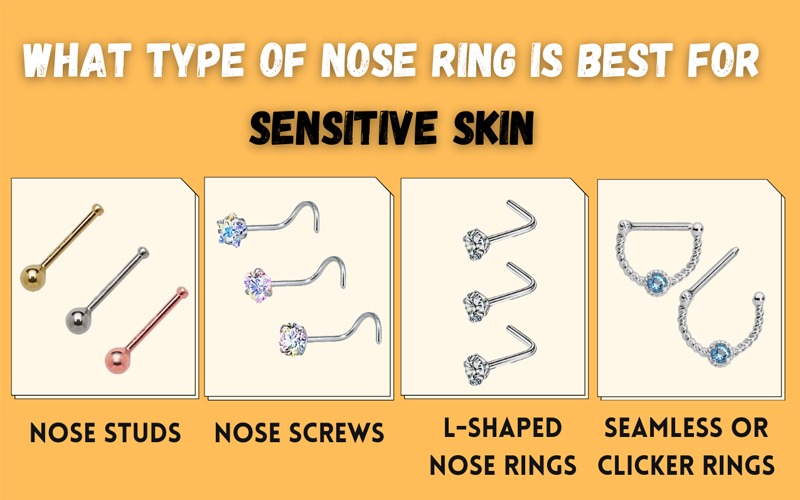
Nose rings come in various styles, including hoops, studs, and L-shaped pins, each with its own fit expectations and aesthetic appeal.
– Hoops: These are circular rings that can vary in diameter and thickness. A well-fitted hoop should hug the nostril while allowing enough space to avoid pinching. If you prefer a more daring look, larger hoops might suit you, but they should still remain securely in place.
– Studs: Often considered the most classic option, studs provide a simple yet elegant look. They typically have a backing that secures them in place, which can help mitigate concerns about them being too loose. However, it’s important to choose a size that feels comfortable against the nostril for prolonged wear.
– L-shaped Pins: These are designed with a bend at the end to hold the jewelry securely in place. L-shaped pins can be particularly favorable for new piercings due to their reduced likelihood of falling out, but they must still fit properly to avoid causing irritation.
Understanding the different types of nose rings and their respective fit requirements can help you make an informed choice that aligns with your aesthetic preferences and comfort levels.
Common Fit Issues
While the aesthetic appeal of a nose ring is often a primary consideration, fit issues can significantly impact the overall experience.
– Loose Nose Rings: If a nose ring fits too loosely, it can lead to irritation, as the jewelry may rub against the skin. Additionally, loose jewelry increases the risk of loss; it can easily snag on clothing or accidentally be pulled out, particularly during sports or other activities.
– Tight Nose Rings: Conversely, a nose ring that is too tight can cause discomfort, swelling, and may impede the healing process for newly pierced nostrils. Tight jewelry can restrict blood flow and lead to complications such as infections or scarring, particularly if the piercing is still healing.
Recognizing these common fit issues is essential for maintaining both the health of the piercing and the comfort of the wearer.
Signs of a Poor Fit
Understanding the signs of a poorly fitting nose ring can help you take prompt action to rectify the situation.
– Excessive Movement: If you find that your nose ring moves around too much, it likely means that it is not the right fit. This excessive movement can lead to irritation and discomfort over time.
– Irritation and Discomfort: Frequent discomfort or irritation around the piercing site is a strong indicator that the fit is incorrect. Signs such as redness, swelling, or a persistent itch can signify that the jewelry is either too tight or too loose.
– Frequent Adjustments: If you find yourself constantly adjusting your nose ring throughout the day, this could indicate that it does not fit properly. A well-fitted nose ring should feel secure enough that it does not require constant attention.
If you notice any of these signs, it may be time to consult a professional piercer for guidance on selecting a more suitable piece of jewelry.
Tips for Choosing the Right Nose Ring
Selecting the right nose ring involves several considerations that go beyond mere aesthetics.
– Consider Your Lifestyle: Your daily activities can greatly influence the type of nose ring that best suits you. For example, if you lead an active lifestyle or participate in sports, a more secure style, such as a stud or L-shaped pin, might be the best option.
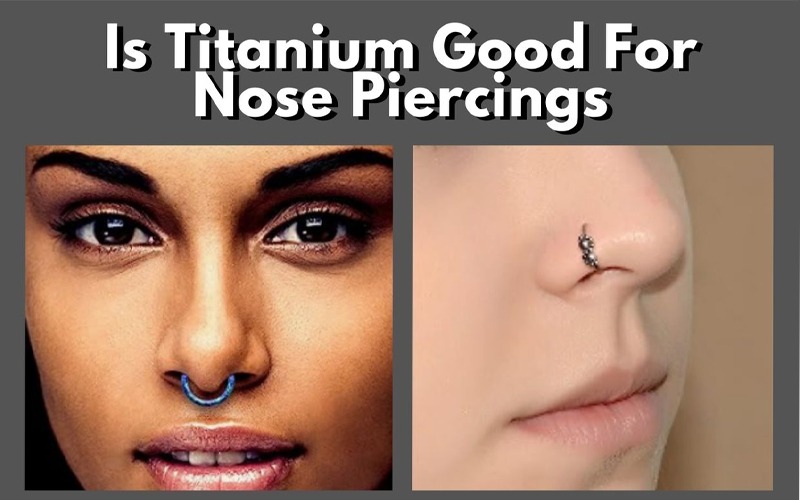
– Material Matters: The material of the nose ring can also affect fit and comfort. Hypoallergenic materials such as titanium or surgical steel are often recommended for new piercings due to their reduced likelihood of causing allergic reactions.
– Consult a Professional Piercer: A knowledgeable piercer can provide valuable insights based on your anatomy and personal preferences. They can recommend specific styles and sizes that will ensure both comfort and security.
– Try Before You Buy: Whenever possible, try on different styles and sizes before making a purchase. This hands-on approach can help you determine what feels best for you.
By considering these factors, you can make a more informed decision that enhances your comfort and style.
Maintenance and Care
Proper maintenance and care of your nose ring are vital for ensuring its longevity and maintaining a good fit.
– Regular Cleaning: Cleaning your nose ring regularly is essential to prevent infection and maintain the integrity of the fit. Use a saline solution or a gentle antiseptic to clean both the jewelry and the piercing site.
– Monitor the Fit: Especially during the healing phase, it is important to regularly check the fit of your nose ring. As the piercing heals, swelling may decrease, and the fit may change. Be vigilant for signs of irritation or discomfort, and adjust as necessary.
– Avoid Playing with the Jewelry: While it may be tempting to fiddle with your nose ring, particularly if it feels loose, excessive handling can introduce bacteria and increase the risk of infection.
By following these maintenance tips, you can help ensure that your nose ring remains secure and comfortable throughout its wear.
The fit of a nose ring is crucial for both comfort and style. Understanding what constitutes a proper fit, recognizing signs of poor fit, and knowing how to select the right jewelry can significantly enhance your experience. If you have further questions or need personalized advice, don’t hesitate to consult with a professional piercer. Prioritizing fit and comfort not only contributes to a polished look but also promotes the health and longevity of your piercing.
Frequently Asked Questions
Are nose rings supposed to be loose or tight?
Nose rings should fit snugly but not be overly tight. A properly fitted nose ring allows for some movement without falling out, providing comfort while ensuring it doesn’t irritate the piercing. If your nose ring feels excessively loose, it may not be the right size or style for your piercing.
How can I tell if my nose ring is too loose?
If your nose ring slides around easily or comes out with minimal tugging, it may be too loose. You should be able to gently pull on it without it falling out, but if you feel it shifting excessively or if it gets caught on clothing or hair frequently, it’s a sign that you should consider a tighter fit or a different style.
Why does my nose ring feel loose after getting pierced?
After getting pierced, it’s common for the piercing to swell and then shrink as it heals, which can cause the nose ring to feel looser than it initially did. Additionally, using a nose ring that is too big for your piercing can also contribute to this feeling. It’s important to choose jewelry made from suitable materials and to follow aftercare instructions to ensure proper healing.
What type of nose ring is best for sensitive skin?
For sensitive skin, the best type of nose ring is typically made from hypoallergenic materials like titanium, surgical stainless steel, or gold (at least 14k). These materials are less likely to irritate the skin and can help prevent allergic reactions, ensuring both comfort and safety for your piercing.
Which size nose ring should I choose for my piercing?
Choosing the correct size nose ring involves measuring the diameter of your nostril and considering the gauge of the jewelry. Most standard nose piercings use a 20-gauge needle, which corresponds to a 0.8mm thickness. When selecting a ring, make sure it fits snugly in your piercing without being overly tight or loose, allowing for some movement without discomfort.
References
- Nose ring
- https://www.ncbi.nlm.nih.gov/pmc/articles/PMC5415098/
- https://www.healthline.com/health/nose-piercing-care
- https://www.medicalnewstoday.com/articles/nose-piercing-care
- https://www.aafp.org/pubs/afp/issues/2001/1001/p1113.html
- Osteopenia – StatPearls – NCBI Bookshelf
- https://www.sciencedirect.com/science/article/pii/S1877056120300573