
Many customers wonder if Spencer’s nose rings are safe to wear. The good news is that most of their jewelry is made from body-safe materials. However, it’s vital to consider individual skin sensitivities and proper care practices. In this article, we’ll explore the materials, potential risks, and best practices for wearing Spencer’s nose rings, ensuring that you make informed choices about your body jewelry.
Understanding Materials Used in Spencer’s Nose Rings

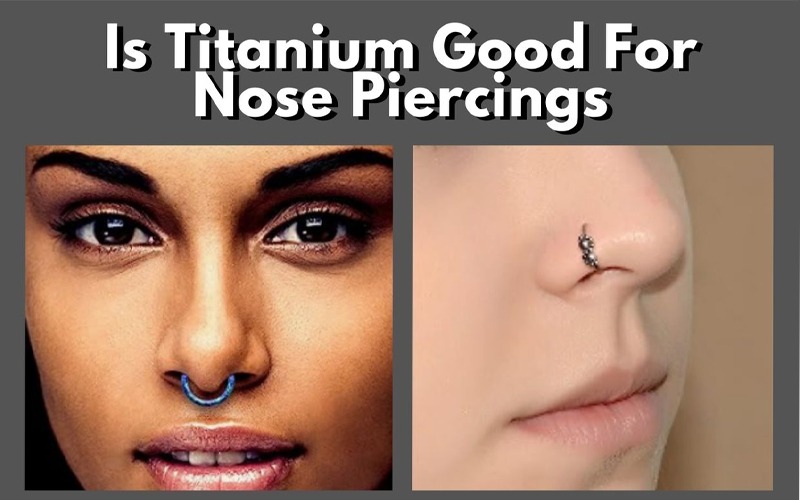
Spencer’s often uses a range of materials in their nose rings, primarily stainless steel, titanium, and surgical-grade metals. These materials are generally deemed safe for most wearers, especially those who are looking for durable options that can withstand daily wear. Stainless steel and titanium are favored for their strength and resistance to tarnish, making them suitable for body jewelry.
However, it is crucial to note that some pieces may incorporate nickel or other alloys, which can provoke allergic reactions in sensitive individuals. Nickel is a common allergen that can lead to contact dermatitis, a condition characterized by redness, itching, and inflammation. If you have a known sensitivity to nickel, it’s advisable to opt for jewelry that is explicitly labeled as nickel-free. Additionally, surgical-grade stainless steel and titanium are often better choices as they are specifically designed for long-term wear in body piercings.
Common Safety Concerns
While Spencer’s nose rings can be safe, certain safety concerns must be addressed to avoid complications. One prominent issue is the risk of infections. Wearing jewelry that is not made from hypoallergenic materials can lead to infections, particularly if the piercing is not properly cared for. Infections can occur due to the introduction of bacteria into the piercing site, which can be exacerbated by wearing low-quality jewelry.
Reactions to materials can also manifest as skin sensitivities, causing irritation or allergic responses. Symptoms may include redness, swelling, or even localized pain around the piercing. It is important to monitor your body’s response to any new jewelry and to remove the ring if any adverse reactions occur.
How to Choose the Right Spencer’s Nose Ring
Choosing the right nose ring is crucial for both safety and comfort. To minimize the risk of allergic reactions, look for hypoallergenic options. Jewelry labeled as nickel-free or made from titanium is ideal, as these materials are less likely to cause irritation. Spencer’s often provides information on the materials used in their products, so take advantage of that to make informed purchasing decisions.
Additionally, consider the size and design of the nose ring. An appropriate size is essential to ensure comfort and avoid unnecessary pressure on the piercing. Designs that are too heavy or large might cause discomfort or even lead to complications. Always opt for a style that aligns with both your aesthetic preferences and the practicalities of your piercing.
Proper Care for Nose Rings
Proper care is paramount for maintaining the health of your nose piercing and ensuring the longevity of the jewelry. Regular cleaning is essential; using saline solutions or antiseptic wipes can help keep the piercing site free from bacteria. It is generally recommended to clean the area twice a day during the healing process, which can take several weeks.
Another critical aspect of care is to avoid touching the nose ring unnecessarily. Frequent contact can introduce bacteria to the piercing, increasing the risk of infection. If you must touch it, ensure your hands are clean. Additionally, refrain from changing the jewelry too frequently during the healing process, as this can disrupt the healing skin.
When to Seek Professional Help
Understanding when to seek professional help is crucial in managing any complications that may arise from wearing nose rings. If you experience persistent irritation—such as redness, swelling, or pain—it is advisable to consult a healthcare professional. This could be a sign that your piercing is not healing properly or that you are experiencing a reaction to the jewelry.
Alternative Options for Sensitive Skin
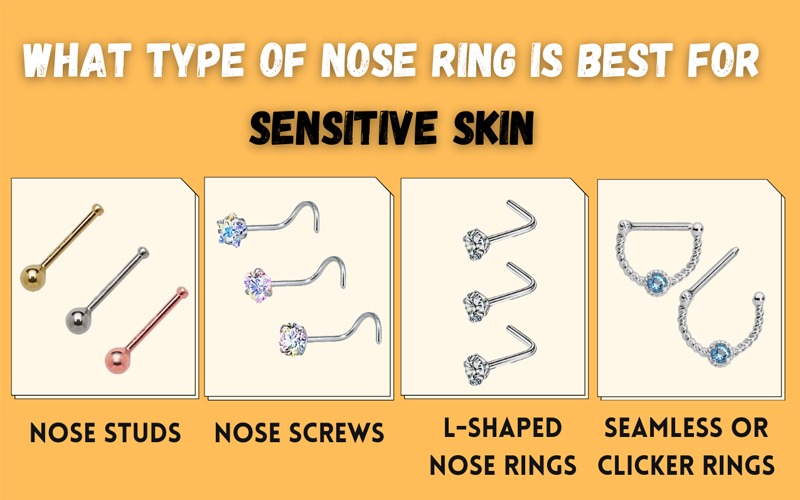
For individuals with sensitive skin or specific metal allergies, exploring alternative jewelry options is a wise choice. Several retailers specialize in hypoallergenic jewelry, offering a variety of styles that cater to sensitive skin. Brands that focus on materials such as medical-grade plastic or biocompatible metals can provide a safer alternative for those who have had adverse reactions in the past.
Additionally, consider custom-made pieces that accommodate your specific sensitivities. Many jewelers can create tailored solutions, ensuring that the materials used are safe and suitable for your skin type. This approach allows you to enjoy fashionable body jewelry without compromising your comfort or health.
Spencer’s nose rings can be safe when chosen and cared for wisely. By selecting the right materials and following proper care guidelines, you can enjoy your jewelry without worry. If you have any concerns about your piercing or experience any adverse reactions, don’t hesitate to reach out to a professional for advice. Ultimately, being informed and proactive about your choices will lead to a satisfying and safe experience with your body jewelry.
Frequently Asked Questions
Are Spencer’s nose rings made from safe materials?
Yes, Spencer’s nose rings are generally made from materials like stainless steel, titanium, and acrylic, which are safe for most people. It’s important to check the specific product description, as some items may contain nickel or other metals that can cause allergic reactions. Always choose hypoallergenic materials if you have sensitive skin or a known metal allergy.
How do I know if a Spencer’s nose ring is suitable for my piercing?
To determine if a Spencer’s nose ring is suitable for your piercing, consider the gauge size and length specified for the jewelry. Spencer’s typically offers a range of sizes, but it’s essential to match the gauge with your piercing to ensure a proper fit. If you’re unsure, consult with a professional piercer for advice on the best options based on your individual anatomy and healing stage.
Why do some people experience irritation from Spencer’s nose rings?
Irritation from Spencer’s nose rings can occur due to several factors, including the material of the jewelry, improper sizing, or poor hygiene practices. If you have sensitive skin, metals like nickel can cause allergic reactions, leading to redness and swelling. To minimize irritation, choose high-quality, hypoallergenic jewelry and maintain proper cleaning routines for your piercings.
What should I do if my Spencer’s nose ring causes an infection?
If you suspect that your Spencer’s nose ring has caused an infection, it’s crucial to take immediate action. Gently clean the area with saline solution or a mild antiseptic and avoid removing the jewelry, as this can trap bacteria inside. If the infection worsens or does not improve within a few days, consult a healthcare professional for appropriate treatment.
Which Spencer’s nose rings are recommended for new piercings?
For new piercings, it’s best to choose nose rings made from surgical stainless steel or titanium, as these materials are less likely to cause irritation or allergic reactions. Spencer’s offers a variety of styles, including studs and hoops that feature these safe materials. Always look for jewelry that is labeled as suitable for new piercings to ensure a comfortable healing process.
References
- Nose piercing
- https://www.ncbi.nlm.nih.gov/pmc/articles/PMC5929890/
- https://www.aafp.org/pubs/afp/issues/2012/0315/p507.html
- https://www.cdc.gov/oralhealth/publications/nose-piercing.html
- https://www.mayoclinic.org/diseases-conditions/ear-piercing/in-depth/piercing-safety/art-20044071
- https://www.healthline.com/health/nose-piercing-infection#prevention
- https://www.verywellhealth.com/nose-piercing-infection-5182179