Yes, there are different sizes of nose rings, and choosing the right size is essential for both comfort and style. Nose rings come in a variety of gauges and diameters, allowing for a personalized fit that complements individual preferences and anatomy. Understanding these sizing options, how to measure for a perfect fit, and the various factors influencing your choice can help you select the ideal nose ring.
Understanding Nose Ring Sizes

Nose rings are primarily categorized by two key measurements: gauge and diameter. The gauge refers to the thickness of the jewelry, while the diameter denotes its circumference. Common gauge sizes for nose rings include 20G, 18G, and 16G, with 20G being the thinnest option suitable for most piercings. Understanding these measurements is crucial, as the right gauge can significantly impact the comfort and security of the nose ring.
For example, a 20G nose ring is often used for new piercings because it creates a smaller hole and minimizes irritation during the healing process. In contrast, a 16G ring is sturdier and may be preferred by those with more established piercings seeking a more robust look. When selecting a size, it is also important to consider any swelling that may occur post-piercing, as the right gauge can accommodate changes in the nostril shape during the healing period.
How to Measure for a Nose Ring

Measuring for a nose ring involves two key steps: determining the diameter and assessing the thickness of the jewelry wire (gauge). To measure the diameter, use a caliper or a ruler to find the distance across the nostril, which will help you identify the appropriate size for a snug yet comfortable fit. Typically, a diameter of 6mm to 10mm is common for most nostrils, but individual anatomy can vary significantly.
When it comes to gauge thickness, you can measure the width of the jewelry wire using calipers, which can provide precise readings. Alternatively, if you have an existing nose ring that fits well, you can compare it to a gauge chart available at most jewelry stores or online. This approach ensures that your new purchase will be compatible with your existing piercing.
Types of Nose Rings and Their Sizes
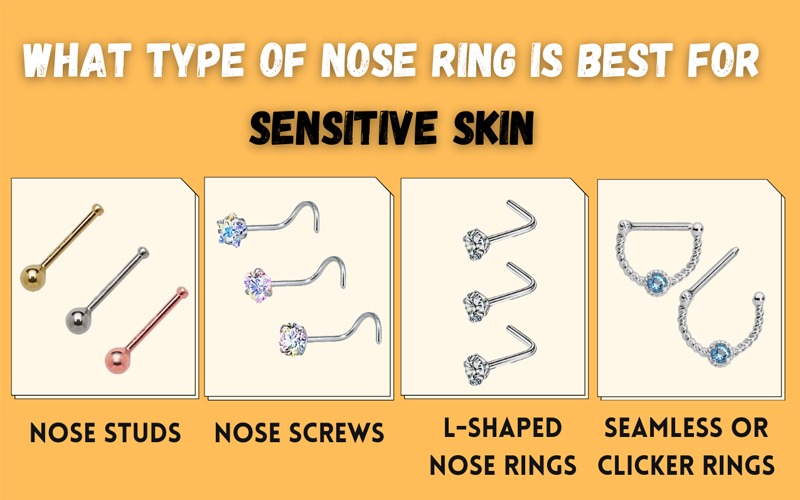
Nose rings come in various styles, each with its own sizing standards. The most common types include studs, hoops, and septum rings, and each has unique considerations regarding size.
– Nose studs are typically available in various lengths and diameters, with the post length affecting how far the stud protrudes from the nostril.
– Hoops can vary in diameter and thickness, and the size you choose will impact how the hoop sits on your nostril. Larger hoops may provide a bolder look, while smaller ones can offer a more subtle aesthetic.
– Septum rings are unique in that they can be either circular or horseshoe-shaped, with sizing focused on the diameter of the ring and the thickness of the wire.
Each style also comes in multiple sizes to cater to different preferences and nose shapes, allowing for a customized fit that enhances your overall look. When selecting a style, consider how it aligns with your personal aesthetic and the occasions for which you’ll be wearing it.
Factors Influencing Nose Ring Size Choice
Several factors can influence your choice of nose ring size, with personal comfort being paramount. Some individuals may prefer a tighter fit, while others might opt for a looser option that allows for more movement. The anatomy of your nose also plays a critical role; a wider nostril may require a larger diameter, while a more petite shape could call for a smaller fit.
Additionally, the placement of the piercing can affect your size choice. For instance, a high nostril piercing may look best with a smaller stud, while a low placement might accommodate a larger hoop. It’s essential to consider these anatomical factors when making your decision to ensure both comfort and aesthetic appeal.
Material Considerations for Nose Rings
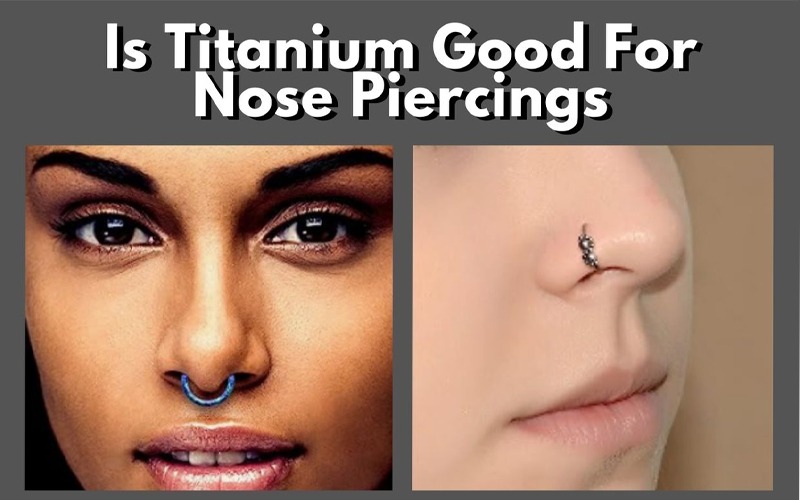
The material of a nose ring can also impact its sizing and overall comfort. Common materials include surgical steel, titanium, and gold. Each of these materials may have different sizing options, particularly in terms of gauge thickness.
For example, surgical steel is often used for initial piercings due to its hypoallergenic properties, while titanium is a great choice for those with metal allergies. Gold, although beautiful, can sometimes be softer and may bend more easily, which can affect the fit over time. It’s also crucial to be aware of any allergies to certain metals, as this can influence both the choice of material and the size that feels most comfortable.
When selecting a material, consider not only allergies but also the visual impact and how the metal complements your skin tone and personal style.
Style Trends in Nose Rings
Current trends in nose rings can significantly influence size choices. Minimalist designs, which emphasize simplicity and elegance, often utilize smaller sizes and thinner gauges to achieve a delicate look. Conversely, bold statement pieces, such as oversized hoops or decorative studs, may require larger sizes to make an impactful statement.
Social media and fashion influencers can also play a significant role in shaping trends. For instance, popular styles on platforms like Instagram and TikTok can lead to increased demand for specific sizes and designs. Staying attuned to these trends can help you select a nose ring that not only fits well but also aligns with current fashion aesthetics.
Where to Buy Nose Rings in Different Sizes
When searching for nose rings in various sizes, both online retailers and local shops offer a wide selection. Recommended online retailers such as Etsy, Amazon, and specialized jewelry websites often carry a diverse range of styles and sizes. Local piercing studios and jewelry shops can also be excellent sources, as they typically offer professional advice and assistance in selecting the right size.
When shopping, it’s essential to find reputable sellers who provide high-quality products. Look for customer reviews and ratings, and ensure that they offer clear return policies. Additionally, some retailers provide detailed sizing charts, which can help you make an informed decision before purchasing.
Choosing the right size nose ring is critical for both comfort and style. By understanding the different sizes available, how to measure correctly, and the factors influencing your choice, you can find the perfect nose ring to enhance your look. Remember to explore various retailers to discover the options that best suit your preferences and elevate your personal style.
Frequently Asked Questions
Are there different sizes of nose rings available?
Yes, nose rings come in a variety of sizes to accommodate different piercings and personal preferences. Common sizes for the gauge (thickness) range from 20G (0.8 mm) to 16G (1.2 mm), while the diameter can vary between 6 mm to 12 mm or more, depending on the style and fit. It’s essential to choose the right size for comfort and to ensure proper healing if you’re newly pierced.
How do I know what size nose ring to get?
To determine the appropriate size nose ring, you should first consider the gauge of your piercing, which is typically 20G or 18G for nostril piercings. If you already have a piercing, measuring the diameter of your existing jewelry can help you select the right fit. Additionally, consult with your piercer for personalized recommendations based on your nose shape and healing stage.
Why is it important to choose the right size for a nose ring?
Selecting the correct size for a nose ring is crucial for both comfort and aesthetic appeal. An ill-fitting nose ring can cause irritation, discomfort, or even lead to complications during the healing process. Moreover, the right size will enhance your overall look, allowing the jewelry to complement your facial features effectively.
What are the best types of nose rings for different sizes?
The best types of nose rings often depend on the size of your piercing and personal style. For smaller gauges, hoop nose rings or stud options like a ball or gemstone are popular choices. If you have a larger gauge, consider using septum rings or larger hoops that provide a bolder look. Ultimately, the right style should align with both your comfort and your fashion preferences.
Which materials are best for different sizes of nose rings?
When choosing nose rings of different sizes, it’s important to opt for materials that are safe and suitable for your skin type. Surgical stainless steel, titanium, and niobium are excellent choices for their hypoallergenic properties, especially for new piercings. Avoid nickel-containing jewelry, as it can cause allergic reactions. Additionally, ensure that the material matches the gauge of your piercing to prevent complications.
References
- Nose ring
- https://www.ncbi.nlm.nih.gov/pmc/articles/PMC1616139/
- https://www.healthline.com/health/nose-piercing-guide
- https://www.verywellhealth.com/nose-piercing-5192360
- https://www.jamanetwork.com/journals/jama/fullarticle/1104329