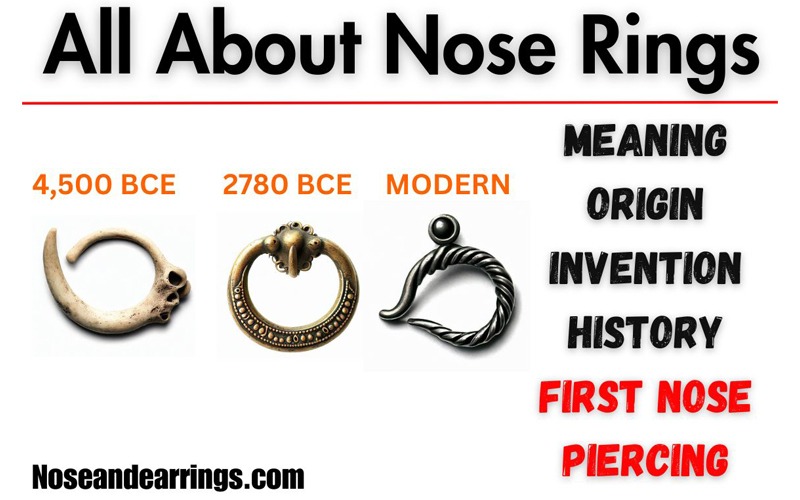
Using an earring back on a nose ring is generally not recommended. Although it may seem like a convenient solution, several critical factors must be considered to ensure safety and proper healing of your piercing. Nose rings have unique designs and requirements, and substituting components can lead to complications. In this article, we’ll explore the compatibility of earring backs with nose rings, the associated risks, and suitable alternatives you might consider.
Understanding Nose Ring Components
Nose rings are available in various styles, including hoops, studs, and captive bead rings, each with specific components tailored for safety, comfort, and secure fitting. The primary components of a nose ring typically include the post, the decorative element, and the backing mechanism, which are designed to accommodate the anatomy of the nose and ensure that the jewelry remains in place.
Earring backs, on the other hand, are designed primarily for earrings and are not engineered with the same considerations as nose rings. The diameter, threading system, and overall design of earring backs do not match the specifications of nose rings, which can lead to improper fitting and increased discomfort. For example, the post of a nose ring is often thicker than that of a standard earring, making an earring back unsuitable for secure attachment. Understanding these differences is crucial for anyone who is considering using earring backs in place of appropriate nose ring components.
Risks of Using Earring Backs

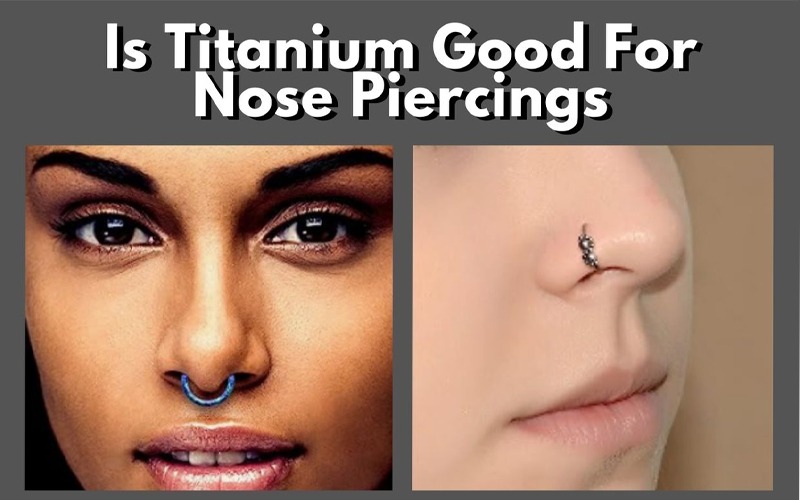
Using an inappropriate back for a nose ring can pose several risks. Firstly, the material composition of earring backs may differ significantly from that of nose jewelry, potentially leading to skin irritation or allergic reactions. Jewelry made from metals such as nickel or lead can cause inflammation and discomfort, particularly in sensitive areas like the nose. In contrast, nose rings are typically crafted from surgical-grade stainless steel, titanium, or gold, which are less likely to provoke adverse reactions.
Moreover, an earring back may not secure the nose ring adequately. This improper fit can increase the risk of losing the jewelry altogether, especially during activities that involve movement or contact with the face. A loose nose ring can also create an entry point for bacteria, leading to infections or prolonged healing times. Therefore, it is essential to use components that are specifically designed for nose rings to mitigate these risks effectively.
Alternatives to Earring Backs
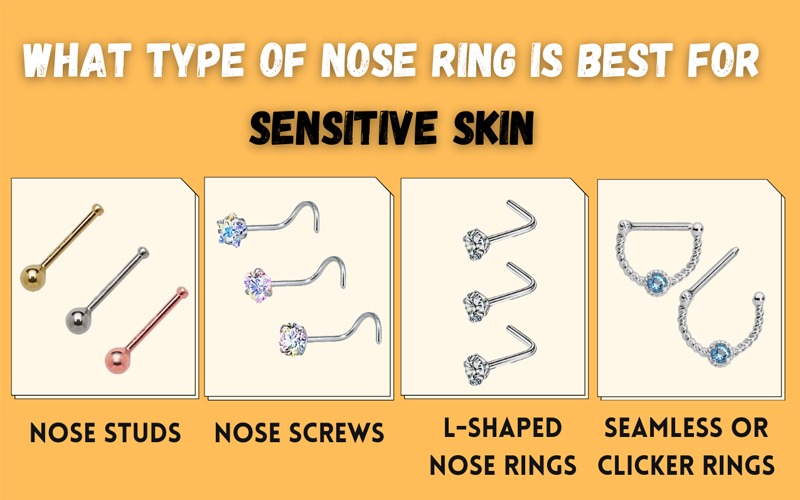
Instead of using an earring back, there are several alternatives that can provide better security and comfort for your nose ring. One option is to use a nose ring that features a screw-on back or a secure closure mechanism specifically designed for nasal piercings. These types of backs are engineered to fit snugly and keep the jewelry securely in place, reducing the likelihood of losing the ring.
Additionally, specialty body jewelry stores offer backs that are specifically made for nose rings. These backs often come in various sizes and styles, allowing you to find the perfect fit for your piercing. Using these alternatives not only ensures a proper fit but also promotes healing by reducing irritation and discomfort.
How to Properly Secure a Nose Ring
To properly secure a nose ring, it is critical to follow the manufacturer’s instructions regarding its specific design. For threaded nose rings, make sure to thread the post correctly and ensure the backing is tightened without excessive force that could cause injury. If you have a hoop or captive bead ring, ensure that the closure mechanism is securely fastened.
It is also advisable to regularly check the security of your nose ring, especially during the initial healing process, which can take several weeks to months. Being proactive about the condition of your jewelry can prevent complications, such as losing the ring or developing an infection due to an insecure fit.
When to Consult a Professional
If you experience discomfort with your nose ring or if it falls out frequently, it is wise to seek advice from a professional piercer. Professional piercers possess the expertise necessary to assess your piercing and recommend suitable jewelry options that promote healing and comfort. They can also provide valuable insights into proper care and maintenance of your nose ring, ensuring that you avoid common pitfalls associated with improper jewelry choices.
Additionally, if you suspect that you may have developed an allergy or infection related to your nose piercing, consulting a healthcare professional is paramount. They can help diagnose the issue and suggest appropriate treatments to alleviate discomfort and promote healing.
Care Tips for Nose Rings
Caring for your nose ring is crucial to ensure a smooth healing process and prevent complications. It’s essential to keep the area clean and free from bacteria. Avoid touching the piercing with unwashed hands, as this can introduce harmful pathogens that lead to infections. Instead, clean the area gently with saline solutions or a mild antiseptic recommended by your piercer.
In addition to maintaining cleanliness, it’s important to avoid changing the jewelry too early, as this can disturb the healing process. Most professionals recommend waiting at least six to eight weeks before switching to different jewelry. Following these care tips can help foster a healthy healing environment for your nose piercing and ensure its longevity.
In summary, while it might be tempting to use an earring back on your nose ring, it’s best to avoid this practice to prevent complications. Always use components designed specifically for nose jewelry and consult with professionals when in doubt. By exploring appropriate alternatives for securing your nose ring and adhering to proper care guidelines, you can ensure a safe and pleasant experience with your piercing.
Frequently Asked Questions
Can I use an earring back on my nose ring?
While it may seem convenient to use an earring back on your nose ring, it’s not recommended. Earring backs are typically designed for larger posts, while nose rings usually have thinner stems. Using an earring back can lead to improper fit, discomfort, or risk of infection, as it may not provide a secure closure.
What are the best alternatives to earring backs for securing my nose ring?
The best alternatives for securing your nose ring are specifically designed nose ring backs or closures, such as ball closures, threaded backs, or captive bead rings. These options are designed to fit the dimensions of nose rings, ensuring a secure and comfortable fit while minimizing the risk of losing your jewelry.
How do I replace the back of my nose ring safely?
To replace the back of your nose ring safely, first wash your hands thoroughly to prevent any bacteria from entering the piercing. Gently unscrew or pull out the existing closure, and then align the new back correctly with the post before securing it. If you’re unsure or feel any discomfort, consider consulting a professional piercer for assistance.
Why does my nose ring keep falling out, even with a proper back?
If your nose ring keeps falling out, it could be due to several reasons, such as using the wrong size or type of closure, or that the piercing hole has stretched over time. Additionally, excessive movement, touching, or irritation from products can also contribute to the issue. Consider consulting a professional piercer to assess the situation and recommend the best solution.
Which type of nose ring closure is best for sensitive skin?
For sensitive skin, it’s best to choose nose rings made from hypoallergenic materials such as titanium, surgical stainless steel, or gold that is nickel-free. Look for closures like L-shaped or screw-on styles, as they provide a secure fit without irritating the piercing. Always check for any specific allergies you may have to ensure you select the right jewelry for your nose piercing.
References
- Nose piercing
- https://www.ncbi.nlm.nih.gov/pmc/articles/PMC6475773/
- https://www.healthline.com/health/nose-piercing-care
- https://www.webmd.com/beauty/what-to-know-nose-piercings
- https://www.mayoclinic.org/healthy-lifestyle/adult-health/in-depth/piercings/art-20045480
- Hydrogen Peroxide Therapy: Good for Cancer or a Hoax?