Using a septum ring as a nose piercing is generally possible, but there are important considerations to keep in mind. While some individuals successfully wear septum rings in their nostrils, one must consider factors such as fit, comfort, and style to ensure a pleasing and safe experience. In this article, you’ll learn about the differences between septum rings and traditional nose rings, their suitability for various styles, and tips for safe and effective use.
Understanding Septum Rings
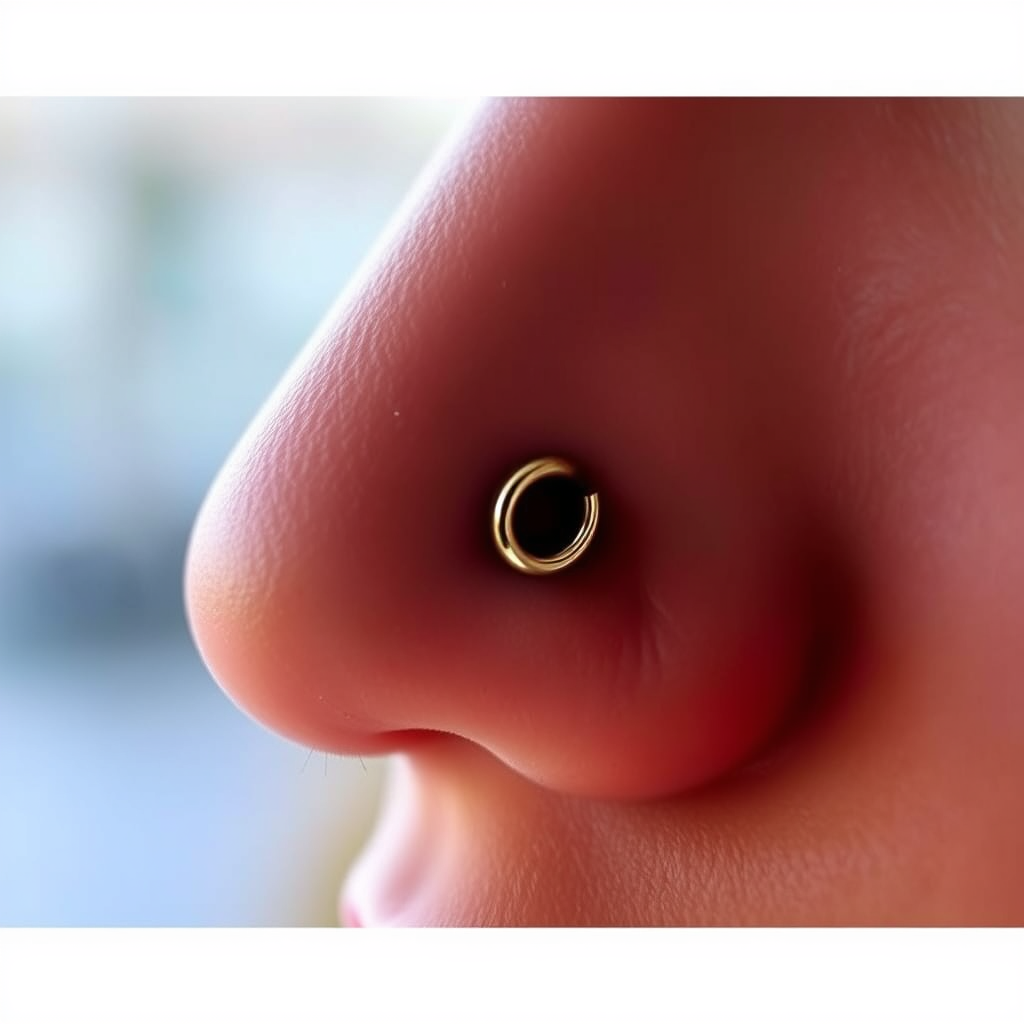
Septum rings are designed specifically to be worn in the cartilage between the nostrils, known as the septum. Unlike traditional nose piercings, which are inserted through the nostrils, septum rings occupy a different anatomical location. They come in various styles, including captive bead rings, circular barbells, and hinged segments, allowing for a wide range of personal expression. Due to their unique placement, septum rings can create a striking look that draws attention to the center of the face. Additionally, the material used in septum rings often includes stainless steel, titanium, or niobium, all of which are less likely to cause allergic reactions compared to other metals.
Differences Between Septum Rings and Nose Rings
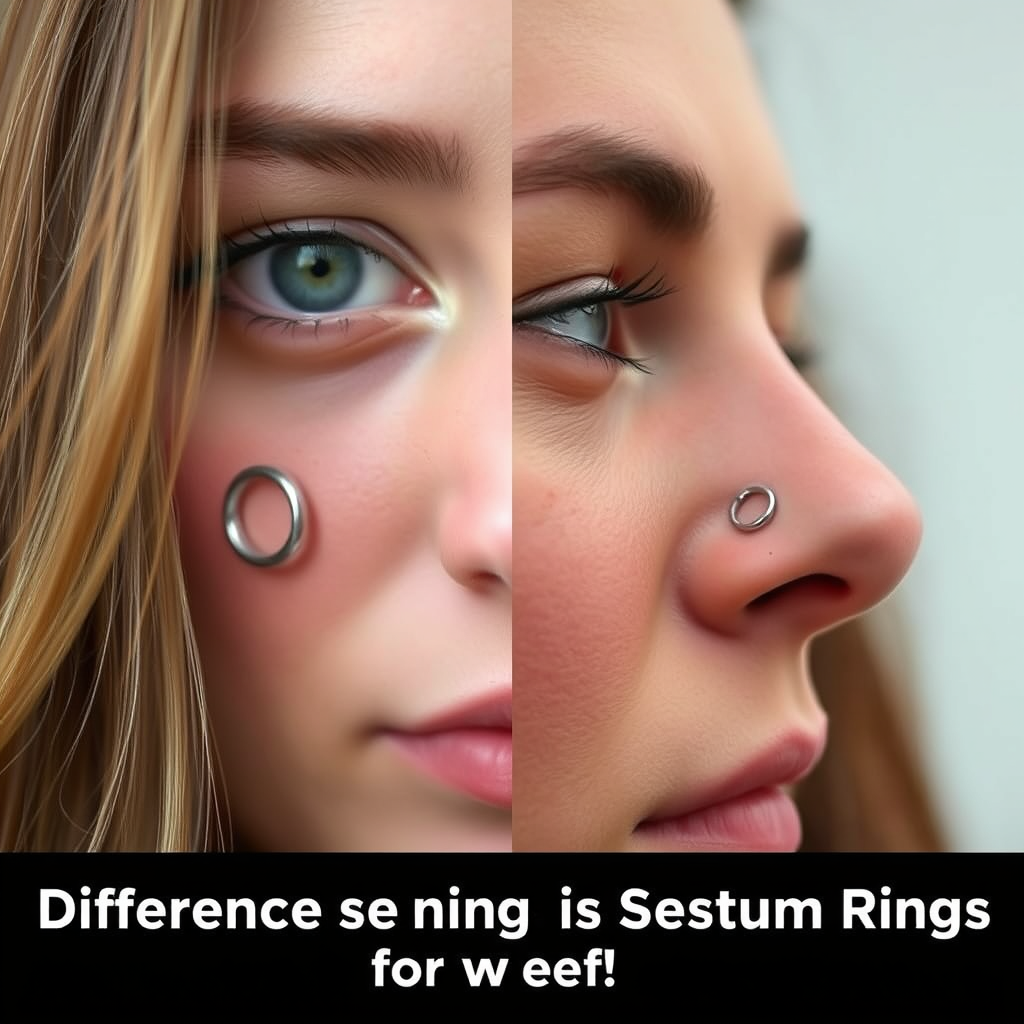
The primary difference between septum rings and traditional nose rings lies in their placement. Nose rings typically go through the nostril piercing, while septum rings sit snugly in the septum. This distinction not only affects the aesthetics but also the comfort and ease of wearing the jewelry. While septum rings can give the illusion of being a nose ring, their fit may vary depending on the individual’s anatomy. Moreover, the style of the ring can significantly influence how it complements facial features. For example, a larger, more decorative septum ring may stand out more distinctly than a subtle nostril stud, impacting the overall look.
Compatibility with Nose Piercings
While septum rings can be styled to resemble traditional nose piercings, it is crucial to note that they may not always fit snugly or comfortably. The gauge and diameter of the septum ring play a significant role in how it feels and looks when worn in the nostril. A standard nostril piercing typically uses a 20-gauge or 18-gauge stud, while septum rings can vary from 16-gauge to 14-gauge or larger. Therefore, selecting the right size is vital for ensuring both comfort and aesthetics. It’s advisable to consult with a professional piercer to determine the best gauge and diameter for your specific needs.
Tips for Wearing a Septum Ring
When considering a septum ring for use as a nose piercing, there are several tips to follow to ensure a pleasant experience. First and foremost, ensure that your septum ring is made from body-safe materials to prevent irritation and allergic reactions. Materials such as titanium, surgical stainless steel, and bioplast are excellent choices. Additionally, starting with a larger gauge can provide the flexibility needed for adjustments if the fit is off. This allows for an easier transition should you decide to switch back to a traditional nose ring or try a different style. Lastly, take your time to explore various styles and placements to find the look that best suits you.
Care and Maintenance
Proper care and maintenance of your septum ring are essential, especially if you are new to body jewelry. Regular cleaning is vital to prevent infections and ensure the longevity of the piercing. A saline solution or a gentle, non-alcoholic body jewelry cleaner can effectively cleanse the area. It is recommended to clean the piercing at least twice a day, particularly during the initial healing period. Furthermore, it’s important to monitor for any signs of irritation or infection, such as redness, swelling, or discharge. If you notice persistent discomfort, it may be necessary to consult a healthcare professional or a piercer for advice.
Alternative Styles and Options
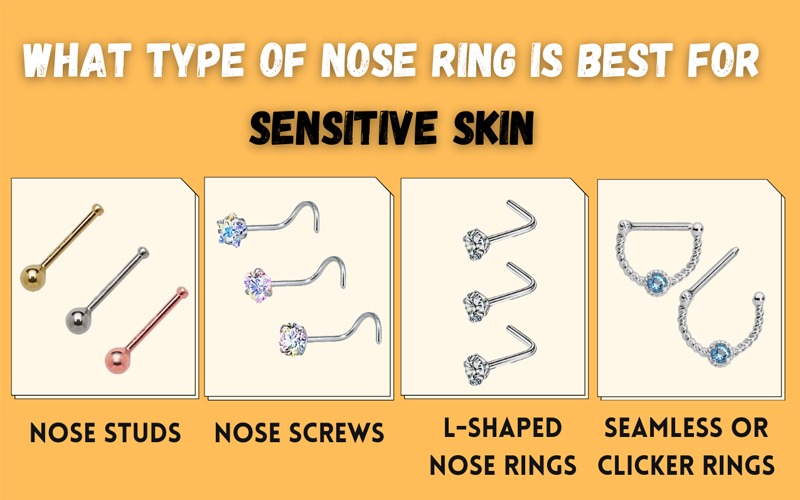
While septum rings can serve as an alternative to traditional nose piercings, exploring various designs can enhance your overall look. Decorative septum rings, featuring intricate designs or embellishments, can add a unique flair to your appearance. Additionally, there are options like clickers and segment rings that provide ease of use and comfort. If you’re uncertain about what design or style will work best for you, consider consulting with a professional piercer. They can provide personalized advice and recommendations based on your facial structure and personal style preferences.
In conclusion, using a septum ring as a nose piercing is indeed possible, but it requires careful consideration of fit, material, and style. Understanding the differences between septum and traditional nose rings, ensuring compatibility, and following proper care techniques are essential for a successful experience. Explore your options, consult with professionals, and experiment with styles that resonate with your personal aesthetic. With the right approach, you can confidently enjoy the unique appeal of a septum ring as a nose piercing.
Frequently Asked Questions
Can I use a septum ring for my nose piercing?
Yes, you can use a septum ring for your nose piercing, as septum rings are specifically designed for the septum area, which is located between the nostrils. However, if you have a different type of nose piercing, such as a nostril piercing, it’s essential to choose jewelry that fits that specific piercing type. Always consult with a professional piercer to ensure you select the appropriate jewelry for your piercing location to avoid irritation or complications.
What are the benefits of using a septum ring?
Septum rings offer several benefits, including versatility in style and ease of wear. They come in various materials and designs, allowing for personal expression and customization. Additionally, septum rings can be easily flipped up into the nose if you need to temporarily hide the piercing, making them a practical choice for individuals who may have dress codes at work or school.
How do I choose the right septum ring for my piercing?
To choose the right septum ring, you should consider several factors, including the material, gauge size, and style. Common materials include surgical steel, titanium, and bioplast, which are hypoallergenic and safe for new piercings. The gauge size refers to the thickness of the ring, and it’s important to select one that matches your piercing. Finally, consider the style; options range from simple hoops to decorative designs, allowing you to express your personal taste.
Why is my septum ring causing irritation or discomfort?
Irritation or discomfort from a septum ring can occur for several reasons, including improper sizing, an allergic reaction to the metal, or poor aftercare. If the ring is too tight or too loose, it can cause friction against the skin, leading to irritation. Additionally, if you’re experiencing an allergic reaction, consider switching to a hypoallergenic material like titanium. Ensure you are following proper aftercare guidelines, such as cleaning the area regularly to prevent infection.
Which septum ring styles are best for everyday wear?
The best septum ring styles for everyday wear typically include simple, minimalist designs such as seamless hoops or circular barbells. These styles are comfortable and less likely to catch on clothing or other objects, making them ideal for daily use. If you’re looking for a little flair, consider a slightly thicker gauge or a ring with subtle embellishments, but ensure that it remains comfortable for long-term wear.
References
- https://en.wikipedia.org/wiki/Nose_piercing
- https://www.ncbi.nlm.nih.gov/pmc/articles/PMC5117530/
- https://www.aad.org/public/diseases/a-z/piercings
- https://www.healthline.com/health/septum-piercing
- https://www.webmd.com/beauty/what-to-know-about-nose-piercing
- https://www.mayoclinic.org/healthy-lifestyle/adult-health/in-depth/piercings/art-20046499