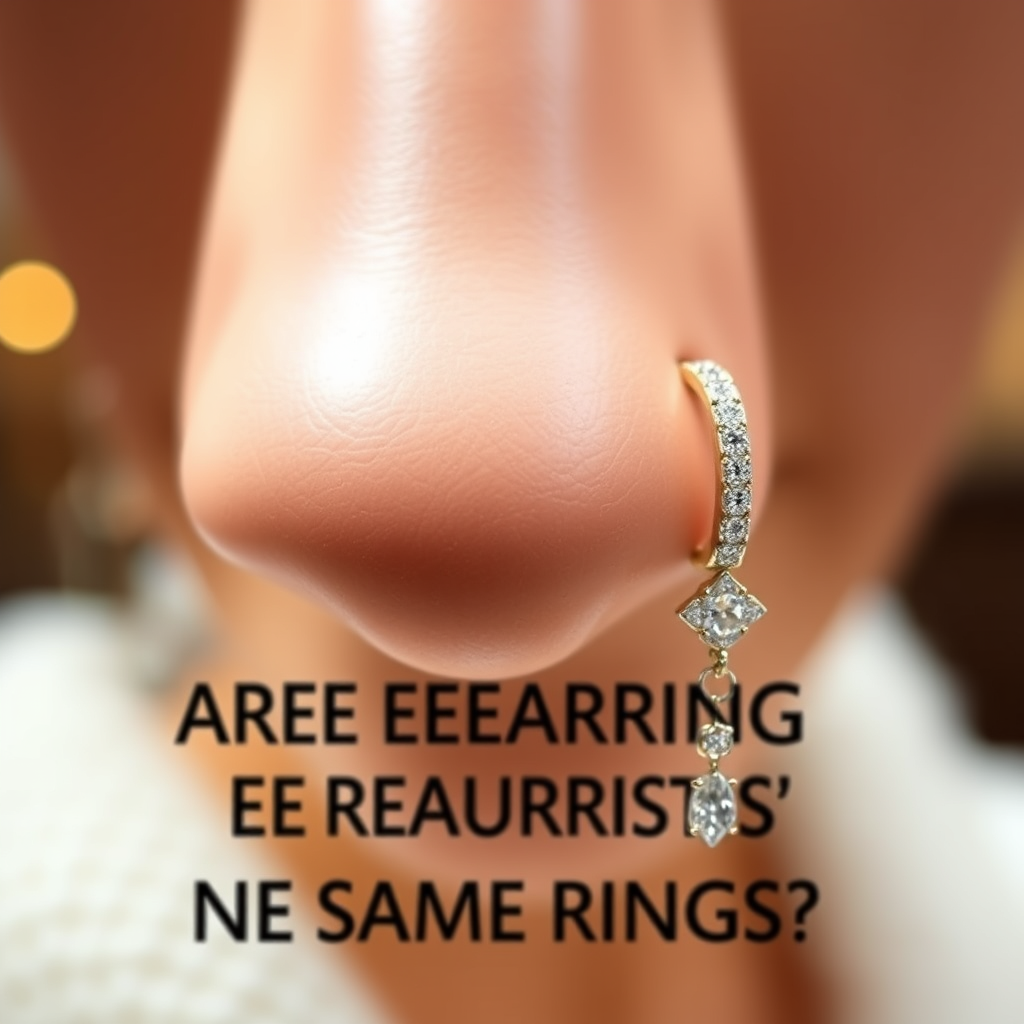
Earrings and nose rings are not necessarily the same size; they often differ in gauge and style. While both types of jewelry serve the purpose of adornment, they are designed to fit different types of piercings and personal aesthetics. Understanding these differences is crucial for anyone looking to enhance their look or explore new jewelry options. In this article, we’ll explore the differences in gauge sizes, common styles, and material considerations, providing you with a comprehensive guide for choosing the right jewelry.
Understanding Gauge Sizes
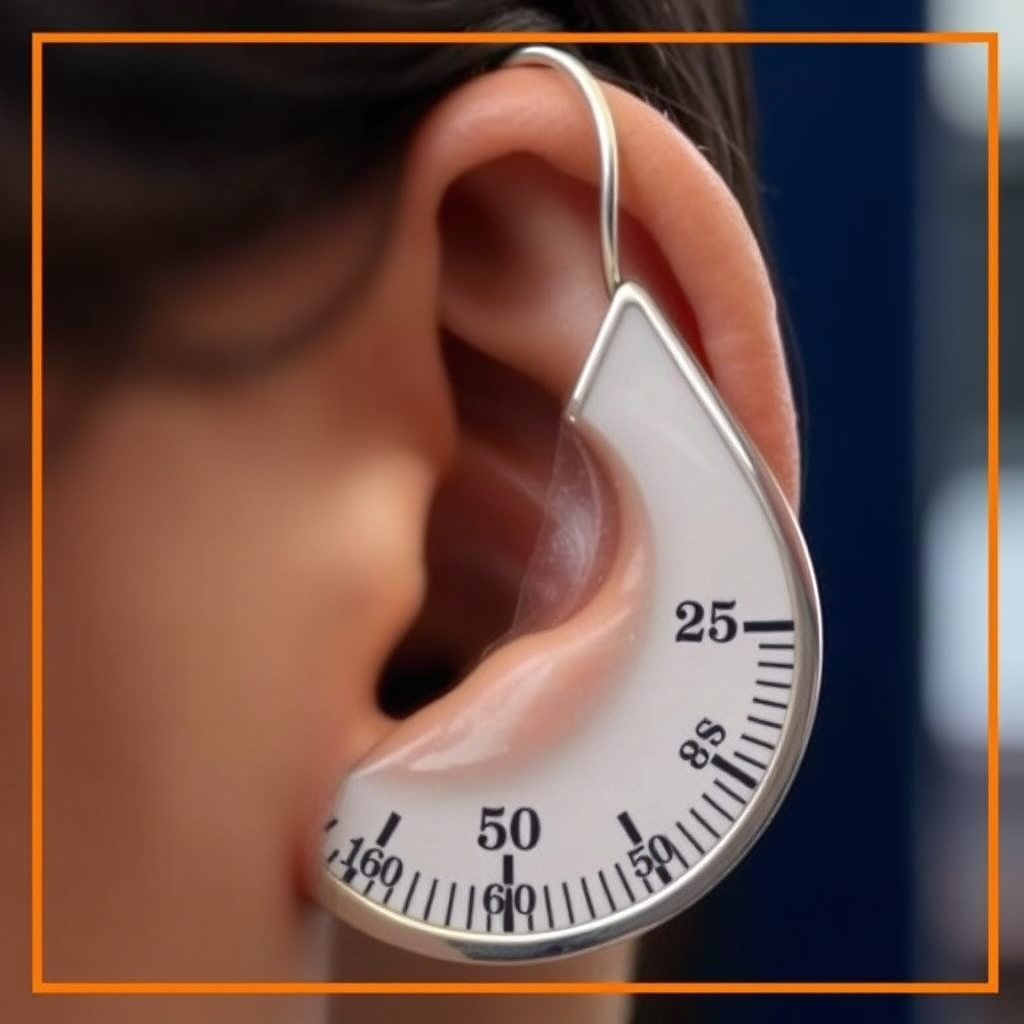
Gauge size refers to the thickness of the jewelry, and it plays a significant role in determining comfort and fit. Earrings typically come in various gauges, commonly ranging from 20 to 14 gauge. The 20 gauge is often used for standard stud earrings, making them a versatile choice for daily wear. On the other hand, larger hoop earrings may go as high as 14 gauge, creating a bolder look that appeals to fashion-forward individuals.
Nose rings, however, usually have a standard gauge of 20 to 18, which is thinner than many earrings. The thinner gauge makes nose rings more comfortable for the sensitive tissue of the nasal area and reduces the risk of irritation. It’s important to note that some individuals may prefer a snugger fit, which is why 18 gauge options are available. When choosing between earrings and nose rings, understanding these gauge sizes can help ensure that the jewelry not only fits well but also complements your style.
Common Sizes for Earrings

When it comes to earrings, there is a wide range of sizes available to suit various preferences and styles. Standard stud earrings often use 20 gauge, which is ideal for initial piercings and everyday wear. The understated elegance of stud earrings makes them a staple in many jewelry collections. However, earrings are not limited to just studs; larger hoops and drop earrings may utilize a thicker gauge, often reaching up to 14 gauge. This allows for a greater variety of designs and ensures that individuals can find earrings that resonate with their personal style.
Different styles, such as dangly earrings or clip-on designs, may also come in varying sizes and gauges. For instance, a pair of chandelier earrings could utilize a thicker gauge to support intricate designs and multiple components. Jewelry designers often take these factors into account, creating pieces that are not only fashionable but also comfortable to wear for extended periods. Thus, when selecting earrings, it is essential to consider both the gauge and the specific design characteristics that appeal to you.
Common Sizes for Nose Rings
Nose rings have their own set of common sizes that differ from earrings. The most prevalent size for nose rings is 20 gauge, which is designed specifically for comfort and to minimize irritation. This size is particularly popular among those who have newly pierced their noses, as it allows for healing while still providing a stylish look.
In addition to 20 gauge, nose studs and hoops can also come in 18 gauge, offering a snugger fit for those who prefer a more secure option. This is particularly beneficial for individuals with active lifestyles, as a tighter fit can prevent the jewelry from shifting or falling out.
It’s also worth noting that some nose rings come with adjustable features, allowing wearers to customize the fit to their liking. Whether you opt for a simple stud or a more decorative hoop, understanding the common sizes for nose rings is essential for achieving both style and comfort.
Material Considerations
The materials used in earrings and nose rings can significantly impact both comfort and health. Earrings can be made from various materials, including gold, silver, stainless steel, and even plastic. While these materials offer a range of aesthetic options, it’s crucial to select hypoallergenic materials if you have sensitive skin or allergies, particularly with earrings that may come into direct contact with the skin.
On the other hand, nose rings often require hypoallergenic materials, such as titanium or surgical steel, due to the sensitivity of nasal tissue. These materials are less likely to cause allergic reactions, making them a safer choice for individuals with metal sensitivities. Additionally, some nose rings are made from acrylic or glass, which can also be suitable options for those looking for something unique or colorful.
When selecting jewelry, it’s important to consider not only the appearance but also the material’s compatibility with your skin type. Opting for high-quality materials can enhance the longevity of your jewelry and prevent skin irritations, ensuring that you can wear your favorite pieces with confidence.
Style Preferences
Style plays a significant role in choosing between earrings and nose rings. Earrings come in a wider variety of styles and designs, appealing to diverse fashion tastes. From classic studs to elaborate chandeliers, earrings can be easily matched with different outfits, making them a versatile accessory. The expansive range allows individuals to express their personalities, whether they prefer understated elegance or bold statements.
Nose rings, in contrast, are generally more understated in their designs but can still serve as a form of self-expression. Simple studs or hoops can accentuate the face without overwhelming it, allowing for a subtler approach to personal style. However, nose rings can also be embellished with gemstones or unique designs, offering options for those who wish to make a statement.
Ultimately, the choice between earrings and nose rings often comes down to personal preference and the desired level of visibility in one’s jewelry. By considering the styles available, individuals can select pieces that resonate with their aesthetic sensibilities.
Choosing the Right Jewelry
When choosing between earrings and nose rings, several factors should be considered to ensure both style and comfort. First and foremost, it is essential to think about the piercing location and the specific jewelry requirements for that area. For example, if you have a newly pierced nose, opting for a 20 gauge nose ring may be more appropriate, while established ear piercings may accommodate a wider variety of gauges.
Personal comfort should also be a priority. It’s crucial to ensure that the chosen jewelry fits well and doesn’t irritate the skin, especially for individuals with sensitive skin. Trying on different styles and gauges can help you find the perfect fit.
Lastly, consider your lifestyle and how often you plan to wear the jewelry. If you lead an active life or work in a profession where jewelry may be obstructive, opting for more secure, understated designs may be advisable. Balancing comfort, style, and practicality will lead you to the right choice, enhancing both your look and overall experience with your jewelry.
With the differences in size, gauge, and style between earrings and nose rings, it’s essential to choose the right piece based on your personal preferences and the type of piercing. Understanding these factors can help you make informed decisions and ensure comfort and style in your jewelry choices. By being mindful of gauge sizes, material considerations, and individual style preferences, you can confidently enhance your collection and express your personality through your jewelry.
Frequently Asked Questions
Are earrings and nose rings typically the same size?
No, earrings and nose rings are not typically the same size. Earrings come in various styles, including studs, hoops, and dangling designs, and their gauge (thickness) can vary widely. Nose rings, on the other hand, are generally smaller and designed to fit comfortably in the nostril, commonly available in gauges ranging from 20 to 18, depending on the type of jewelry. Therefore, it’s important to choose the appropriate size for each type of piercing.
How do I know what size nose ring to buy if I usually wear earrings?
To find the right size nose ring, you should consider the gauge of the jewelry. Nose rings are often thinner than earrings; while earrings can range from 20 gauge to 14 gauge, nose rings typically start at 20 gauge. It’s best to measure your current nose piercing size using a caliper or consult with a professional piercer for the exact size and style that will suit your nostril piercing.
Why do earrings and nose rings have different sizing standards?
Earrings and nose rings have different sizing standards primarily due to their intended locations and functions. Earrings are designed for the earlobe or cartilage, requiring various styles and sizes for aesthetic purposes. Nose rings, however, need to fit snugly in the nostril without causing irritation or discomfort, leading to a more standardized gauge sizing specifically suited for nasal piercings.
What is the best material for earrings and nose rings to avoid irritation?
The best materials for both earrings and nose rings to avoid irritation are surgical-grade stainless steel, titanium, and niobium, as these metals are hypoallergenic and less likely to cause allergic reactions. Additionally, for those with sensitive skin, materials like gold (at least 14k) and platinum are excellent alternatives. Always ensure that your jewelry is made from safe materials, especially for initial piercings, to minimize complications.
Which type of nose ring is easiest to wear for beginners compared to earrings?
For beginners, a stud nose ring is often the easiest to wear compared to earrings because it has a simple design that stays securely in place without the risk of falling out. Studs are less likely to get caught on clothing or hair, making them a practical choice for new piercings. In contrast, hoop nose rings may require more adjustment and care to ensure they fit properly, especially as beginners get used to wearing jewelry in their nostrils.