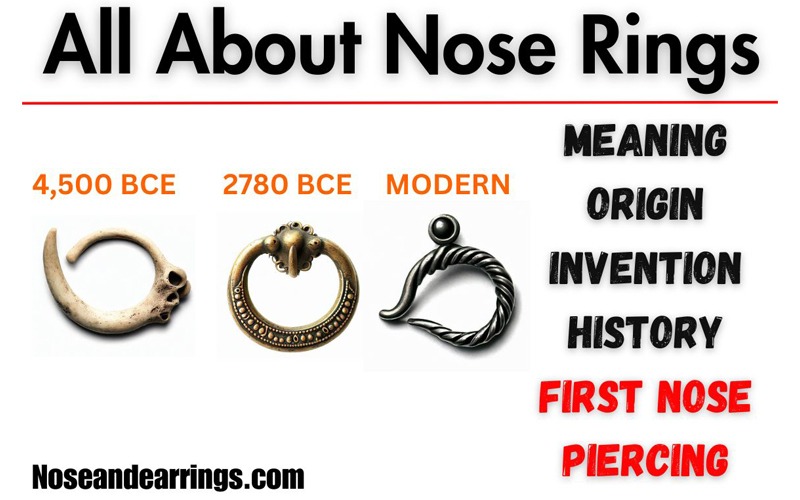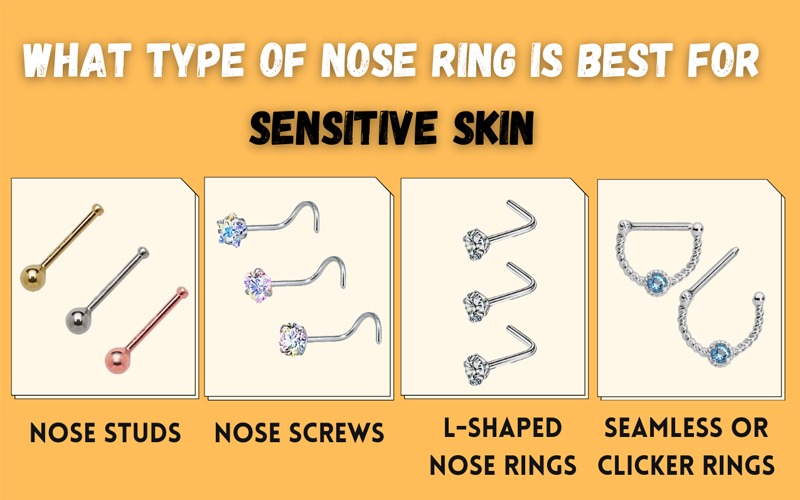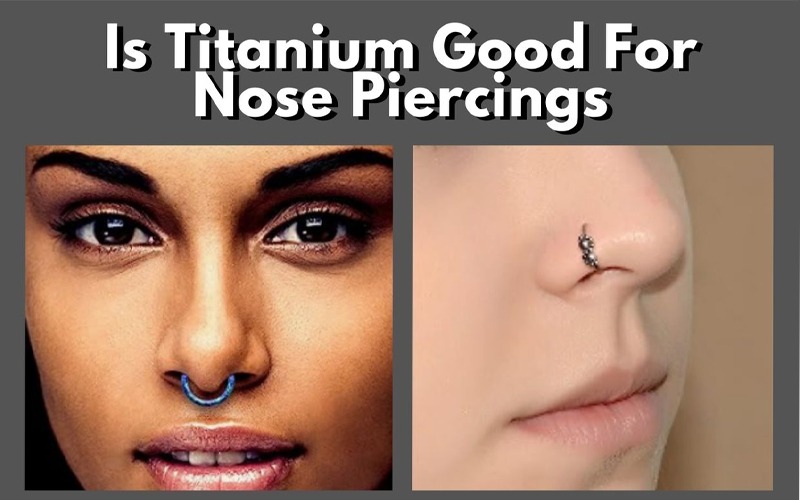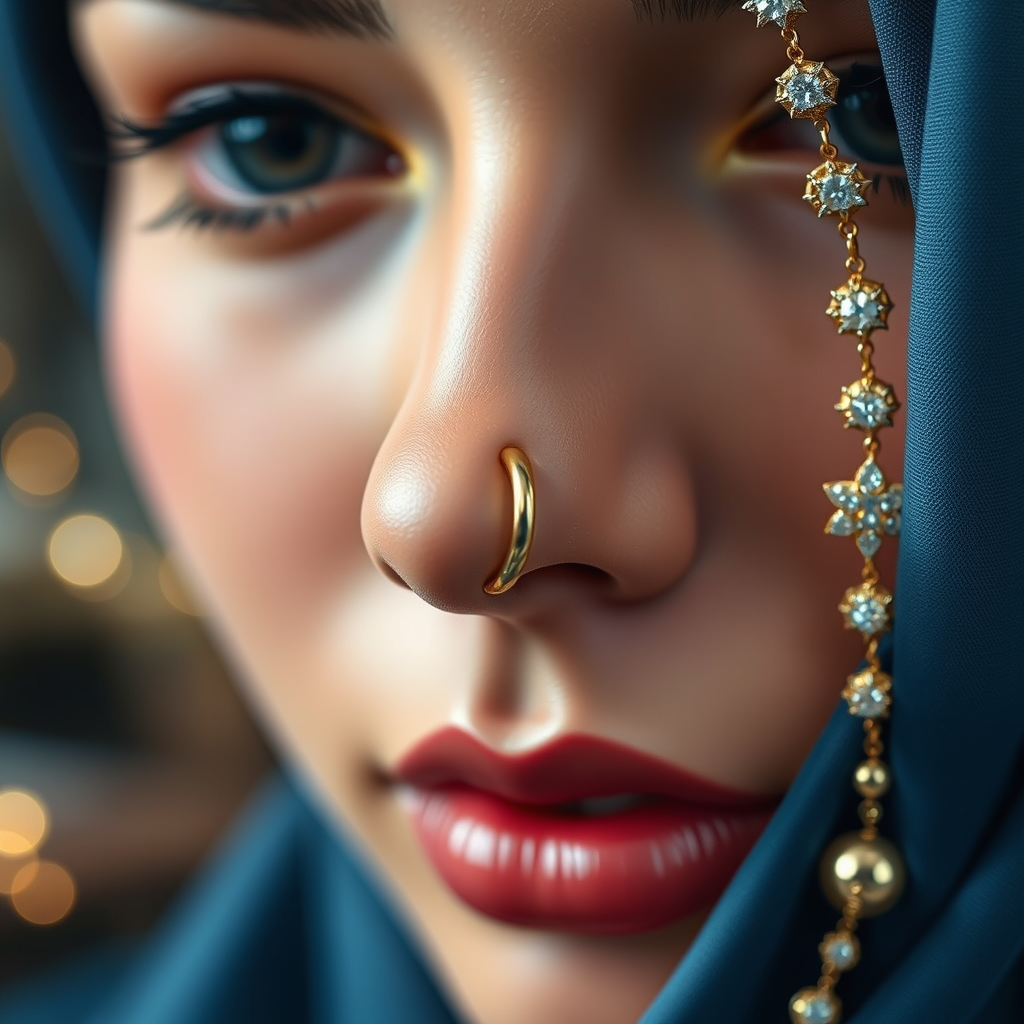
There is no universal consensus on whether nose rings are allowed in Islam; opinions vary among scholars and cultural practices. While some interpretations view body piercings as permissible, others consider them to be inappropriate. This article will explore the different perspectives, cultural influences, and religious guidelines surrounding nose rings in Islam, providing a comprehensive understanding of the issue.
The Islamic Perspective on Body Modifications

Body modifications, including piercings, are viewed differently by various scholars within the Islamic tradition. The core of Islamic teaching emphasizes modesty, respect for one’s natural appearance, and adherence to the principles outlined in the Quran and Hadith. Some scholars argue that body modifications, such as nose rings, can be permissible if they do not contradict Islamic values. They cite the importance of intention and context when considering such practices.
However, other scholars maintain a stricter interpretation, arguing that any alteration to the body might be seen as an attempt to change Allah’s creation. This perspective is rooted in the belief that Muslims should present themselves in a manner that reflects humility and submission to God’s will. Thus, the debate continues, with various scholars offering insights based on their understanding of Islamic texts and cultural contexts.
Cultural Influences on Nose Piercing
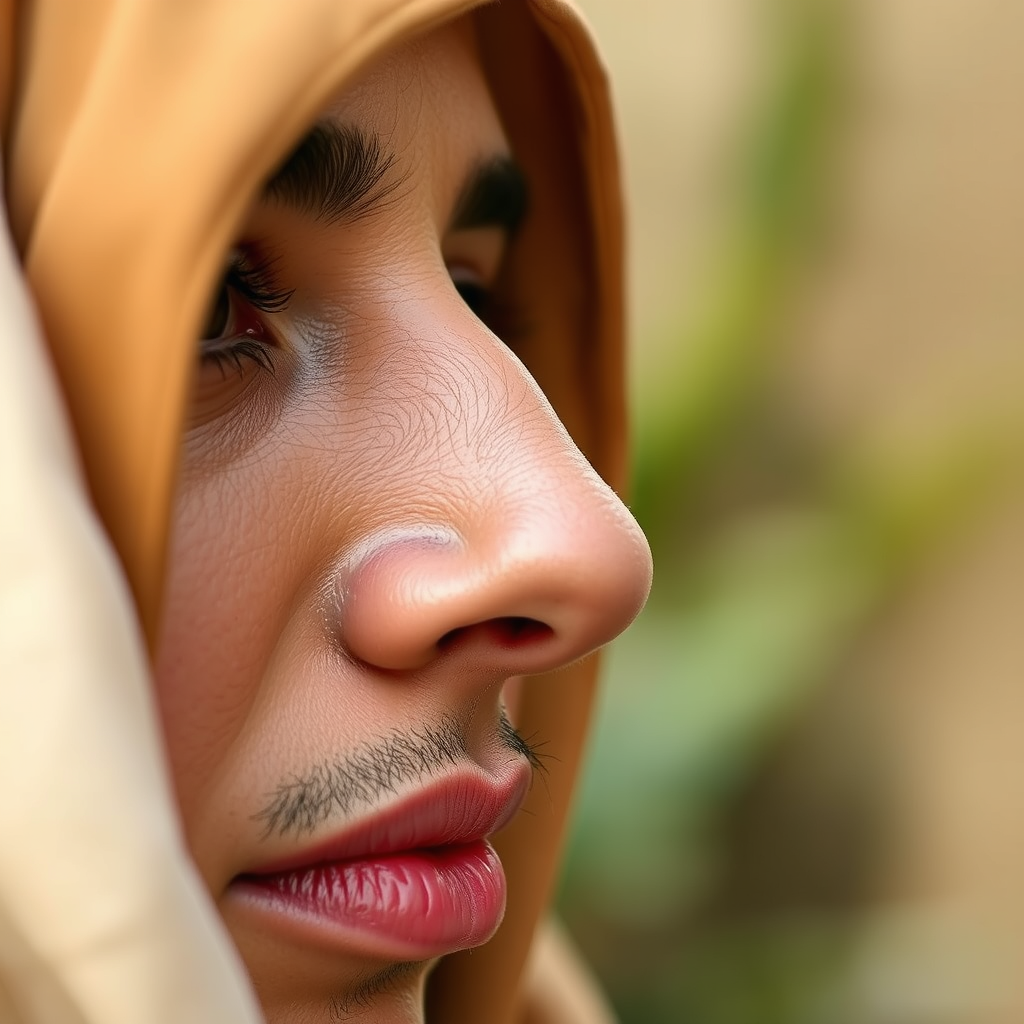
Nose rings often hold significant cultural meaning and are widely regarded as a traditional practice in many societies around the world. In South Asia, for example, nose piercings are deeply embedded in cultural heritage, symbolizing beauty and femininity. They are commonly worn by women as part of their wedding attire and are viewed as an essential aspect of personal identity.
Conversely, the acceptance of nose rings can vary widely by region and community within the Muslim world. In some cultures, such as among certain tribes in Africa or indigenous communities in India, nose piercings are embraced as expressions of cultural identity, while in others, they may be discouraged or viewed as inappropriate. These cultural variances underscore the importance of considering local customs and traditions when discussing body modifications in an Islamic context.
Scholarly Opinions on Nose Rings
The opinions of Islamic scholars on nose rings range from permissibility to outright prohibition. Some scholars argue that nose rings are permissible as they do not contradict fundamental Islamic principles. They often point to the absence of explicit prohibitions in the Quran regarding body piercings, suggesting that as long as the act does not promote vanity or excess, it can be accepted.
On the other hand, other scholars may view the practice as an alteration of Allah’s creation, thus deeming it impermissible. This viewpoint is particularly prevalent among conservative scholars who emphasize a strict adherence to natural appearance and modesty. These differing scholarly perspectives highlight the complexity of Islamic jurisprudence and the importance of considering individual circumstances and community norms when addressing the issue of body modifications.
The Role of Intention in Piercing
The intention behind getting a nose ring plays a crucial role in its permissibility within Islamic teachings. In Islam, intention (niyyah) is a significant factor in determining the morality of an action. If the intention behind acquiring a nose ring is rooted in cultural expression or personal significance rather than vanity, some scholars may consider it acceptable.
For instance, a woman may choose to wear a nose ring as a symbol of her heritage or to honor familial traditions. In such cases, the act transcends mere adornment and becomes an expression of identity and cultural pride. However, if the motivation is primarily for showing off or attracting attention, it might be viewed less favorably. This nuanced understanding emphasizes the importance of context and personal motivations when navigating the permissibility of body modifications in Islam.
Modesty and Personal Expression
Understanding the balance between personal expression and Islamic principles of modesty is vital for Muslims considering nose rings. Modesty, or hijab, extends beyond clothing to encompass behavior, demeanor, and overall presentation. While personal expression is important, it should not compromise the values of modesty upheld in Islamic teachings.
Individual choices regarding body modifications can vary based on personal beliefs, community standards, and cultural backgrounds. Some may find ways to incorporate a nose ring into their personal style while still adhering to the tenets of modesty by ensuring that their overall appearance remains respectful and dignified. As such, open discussions within communities about the intersection of personal expression and Islamic values can facilitate a better understanding of these choices.
Practical Considerations for Muslims
For Muslims contemplating body modifications, it is essential to approach the subject with thoughtfulness and sensitivity. Engaging in open dialogue with family and community members can provide valuable insights and help navigate differing opinions. It may be beneficial to seek guidance from knowledgeable scholars or community leaders who can offer perspectives rooted in Islamic teachings and cultural sensitivity.
Additionally, considering the implications of personal choices on one’s community and family is crucial. Practicing patience and empathy when discussing such topics can foster understanding and respect for diverse viewpoints. Ultimately, individuals should strive to make informed decisions that resonate with their values, beliefs, and cultural contexts while remaining respectful of the rich tapestry of opinions within the Muslim community.
Nose rings, like many forms of body modification, evoke diverse opinions influenced by cultural, scholarly, and individual perspectives. The acceptance of such practices can vary widely, reflecting the complexity of Islamic teachings and cultural traditions. By exploring these facets and engaging in thoughtful dialogue, individuals can better navigate their choices and align them with their understanding of Islamic principles. It is essential to consider both personal beliefs and the cultural context in which one lives, ensuring that decisions are made with respect and informed insight.
Frequently Asked Questions
Is wearing a nose ring permissible in Islam?
The permissibility of wearing a nose ring in Islam varies among different scholars and interpretations. Generally, many scholars agree that body adornment, including nose rings, is allowed as long as it does not promote vanity or distract one from their religious duties. However, it is essential to consider cultural context and personal intentions when deciding to wear a nose ring, as some communities may have specific views on body modifications.
What do Islamic scholars say about body piercings, including nose rings?
Islamic scholars have diverse opinions regarding body piercings. Some scholars view them as permissible as long as they do not contravene Islamic principles and do not lead to excessive display or attraction of attention. Others may discourage piercings that could be seen as imitating non-Muslim practices or as a form of excessive beautification. It’s advisable for individuals to consult knowledgeable sources within their specific school of thought for personalized guidance.
How can I determine if wearing a nose ring aligns with my Islamic beliefs?
To determine if wearing a nose ring aligns with your Islamic beliefs, you should consider consulting with a knowledgeable religious authority, such as an imam or scholar, who understands your specific cultural and religious context. Additionally, reflecting on your intentions behind wearing the nose ring and how it aligns with Islamic teachings on modesty and humility can help you make a more informed decision.
Which factors should I consider when deciding to get a nose ring as a Muslim?
When deciding to get a nose ring as a Muslim, consider factors such as your community’s cultural norms, the significance of modesty in Islam, and the potential impact on your religious obligations. It’s also important to evaluate the intention behind the piercing—whether it’s for self-expression, cultural identity, or simply for beauty—and how it may be perceived by others in your community.
Are there any specific guidelines for Muslim women regarding piercings and jewelry?
Yes, Islamic guidelines for Muslim women regarding piercings and jewelry generally emphasize modesty and simplicity. While adornments such as earrings and nose rings can be permissible, they should not lead to excess or draw undue attention from others. It’s essential for Muslim women to balance their personal expression with the values of modesty and to ensure that their choices reflect their faith and respect for Islamic teachings.
References
- https://en.wikipedia.org/wiki/Islamic_views_on_body_modification
- https://www.al-islam.org/articles/body-piercing-and-islam
- https://www.islamicity.org/10066/the-permissibility-of-body-piercing-in-islam/
- https://www.islamqa.info/en/answers/14547/rules-regarding-women-wearing-jewelry-and-piercings
- https://www.abc.net.au/religion/nose-piercings-and-islam/11376392