Nose rings are not inherently associated with being gay; they are a form of personal expression that transcends sexual orientation. While certain styles of jewelry may evoke connections to specific subcultures or identities, the choice to wear a nose ring primarily reflects individual style and preference. In this article, we will explore the cultural significance of nose rings, their relation to gender and sexuality, and the broader context of body piercings in society.
The Cultural Significance of Nose Rings

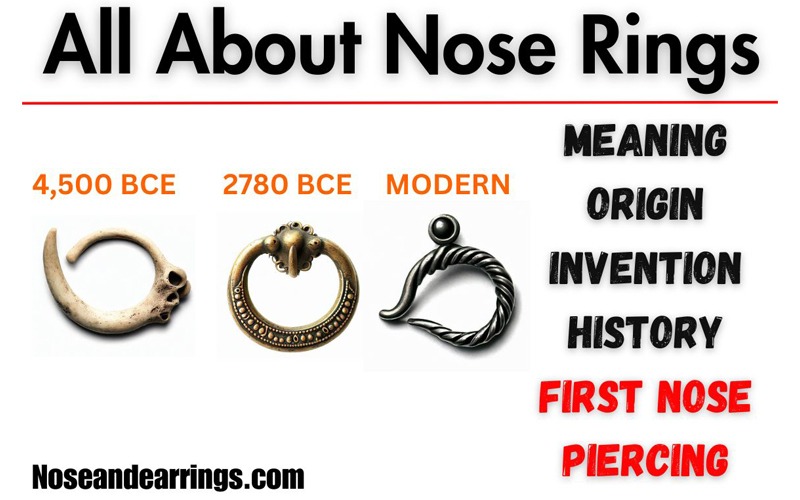
Nose rings have deep historical roots in various cultures around the world, often serving as symbols of status, wealth, or spirituality. For example, in India, nose piercings are traditionally linked to marital status, with married women often wearing a nose ring as a sign of their commitment. This cultural practice dates back thousands of years and is intertwined with religious and social customs. In the Middle East, nose rings have also been used in tribal societies to denote wealth or lineage.
Beyond their historical significance, nose rings carry various meanings in contemporary society. While many people may associate them with rebelliousness or nonconformity, they can also symbolize empowerment and self-identity. In some cultures, they are regarded as a rite of passage or a mark of adulthood. Therefore, it is crucial to differentiate between these cultural connotations and any modern associations with sexual orientation. The importance of the nose ring often lies in its cultural context, rather than its perceived connections to sexuality.
Gender Expression Through Body Modifications

Body modifications, including nose rings, serve as powerful tools for self-expression that can transcend traditional gender norms. In contemporary society, the notion of gender fluidity has gained prominence, leading many individuals to adopt body jewelry as a means of expressing their unique identities. Wearing a nose ring may be a way for someone to assert their individuality or challenge conventional gender expectations.
For instance, non-binary and genderqueer individuals often utilize body modifications to blur the lines between masculine and feminine aesthetics. The rise of inclusive fashion has further popularized the acceptance of diverse styles, allowing people to wear nose rings regardless of their gender identity. This shift places body jewelry, including nose rings, in a broader context of individual expression, making it less about conforming to stereotypes and more about embracing one’s authentic self.
Fashion Trends and Personal Identity
The popularity of nose rings in mainstream fashion is undeniable, as many celebrities and influencers sport them, regardless of their sexual orientation. Icons such as Rihanna, Kendall Jenner, and Billie Eilish have helped elevate the nose ring from a subcultural artifact to a fashionable accessory that appeals to a wide audience. This trend highlights how personal style choices can exist independently of societal labels or assumptions about one’s sexuality.
Moreover, the integration of nose rings into high-fashion runways and commercial brands demonstrates the accessory’s versatility. Designers have embraced nose rings as part of their collections, signaling a shift in how society perceives body modifications. This evolution suggests that the decision to wear a nose ring can be purely aesthetic, further distancing it from any association with sexual orientation.
The Intersection of LGBTQ+ Culture and Body Art
In some LGBTQ+ communities, body modifications can serve as a means to challenge societal norms and express individuality. Nose rings may be embraced as part of a broader statement of identity; however, it is essential to recognize that they are not exclusive to any particular orientation. Many LGBTQ+ individuals utilize body art as a way to reclaim their narratives, often using modifications to convey their experiences and beliefs.
For instance, events like Pride serve as platforms for individuals to showcase their identities through various forms of body art, including piercings and tattoos. These expressions can foster a sense of community and solidarity among those who may feel marginalized by mainstream society. While nose rings may be popular within some LGBTQ+ circles, they remain a personal choice that reflects individual taste and identity rather than a definitive marker of sexual orientation.
Societal Perceptions and Stereotypes
Stereotypes surrounding body piercings can lead to misconceptions about the wearer’s sexual orientation. Some individuals may assume that someone with a nose ring fits into a particular mold—often mistakenly associating it with being part of the LGBTQ+ community or a broader countercultural movement. Such assumptions can perpetuate harmful stereotypes and diminish the complexity of individual identities.
Understanding these stereotypes is crucial for separating personal style from societal assumptions. By challenging preconceived notions about body modifications, society can move toward a more inclusive understanding of personal expression. Nose rings, like other forms of body art, should be viewed through the lens of individuality rather than as indicators of one’s sexual orientation.
Personal Stories and Experiences
Interviews with individuals who wear nose rings can provide valuable insight into their motivations and the meanings behind their choices. For many, the decision to get a nose ring is rooted in personal experience rather than a desire to conform to any particular identity. For example, one individual may share that their nose ring symbolizes a transformative period in their life, while another might view it as a fashion statement that aligns with their aesthetic.
Sharing diverse perspectives helps challenge the notion that body jewelry is tied to specific identities. By exploring the stories of various individuals, we can appreciate the nuanced reasons behind their choices, further illustrating that the decision to wear a nose ring is ultimately a personal one.
Incorporating these personal narratives into the broader conversation about body modifications can foster greater understanding and acceptance. It underscores the importance of recognizing that such expressions are not monolithic but rather reflect the rich tapestry of human experience.
In conclusion, while nose rings can be a form of self-expression that resonates within LGBTQ+ communities, they are not exclusively associated with being gay. The decision to wear a nose ring is deeply personal and varies widely among individuals. As society continues to evolve, it is essential to appreciate body modifications as reflections of individuality rather than as markers of sexual orientation. If you’re considering getting a nose ring or exploring body modifications, remember to choose what feels right for you, independent of societal norms or expectations.
Frequently Asked Questions
Are nose rings considered a symbol of being gay?
Nose rings, like many forms of body jewelry, do not inherently signify a person’s sexual orientation. The symbolism of a nose ring can vary greatly depending on cultural, regional, and personal contexts. In some cultures, nose rings are traditional and worn by individuals of all sexual orientations. Ultimately, wearing a nose ring is a personal choice and should not be associated with any specific identity.
Do people think nose rings are associated with LGBTQ+ culture?
Nose rings have become popular in various subcultures, including LGBTQ+ communities, but they are not exclusively tied to these groups. Many individuals, regardless of their sexual orientation, wear nose rings for fashion, self-expression, or cultural reasons. It’s important to recognize that while certain styles may be prevalent in LGBTQ+ circles, body piercings like nose rings are embraced by a diverse range of people.
How can I choose the best nose ring for my style?
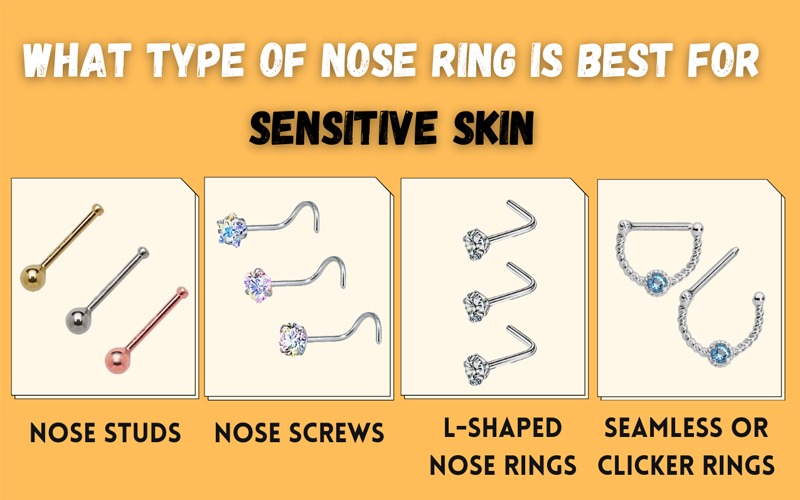
Choosing the best nose ring for your style involves considering several factors, such as your personal aesthetic, comfort, and the occasion. Options include studs, hoops, and septum rings, each offering a different vibe. To ensure a good fit, consider the material (like gold, silver, or surgical steel), size, and design that aligns with your individual taste, while also keeping in mind any potential skin sensitivities.
Why do some people associate nose rings with rebelliousness?
Nose rings can be perceived as symbols of rebellion or nonconformity, often due to their association with alternative lifestyles and subcultures. Historically, body piercings have challenged societal norms, making them appealing to those who wish to express individuality or dissent against conventional standards. This perception, however, has evolved, and many now view nose rings simply as a fashionable accessory rather than a sign of rebellion.
Which celebrities have popularized nose rings, and what does it say about their style?
Various celebrities, such as Rihanna, Cardi B, and Billie Eilish, have popularized nose rings, showcasing their versatility and appeal across different fashion aesthetics. Their choice to wear nose rings often reflects their unique styles and willingness to challenge traditional beauty norms. This has contributed to the mainstream acceptance of nose rings as a trendy accessory, demonstrating that they can be worn by anyone, regardless of their sexual orientation or identity.
References
- Body piercing
- https://www.theguardian.com/commentisfree/2019/jun/05/the-daily-briefing-piercings-gender-identity
- https://www.bbc.com/culture/article/20200520-how-piercings-became-a-symbol-of-rebellion
- https://www.psychologytoday.com/us/blog/what-they-said/201511/what-your-piercings-say-about-you
- https://www.ncbi.nlm.nih.gov/pmc/articles/PMC3016265/