Nose rings are not inherently a sin; rather, their acceptance varies across different cultures, religions, and personal beliefs. As a form of body modification, nose rings can provoke a wide range of opinions and emotions. While some view them as a beautiful expression of individuality and cultural heritage, others may perceive them as inappropriate or contrary to their religious values. In this article, we’ll explore the historical context, religious perspectives, and societal views surrounding nose rings to help you better understand the nuances of this body modification.
Historical Context of Nose Rings

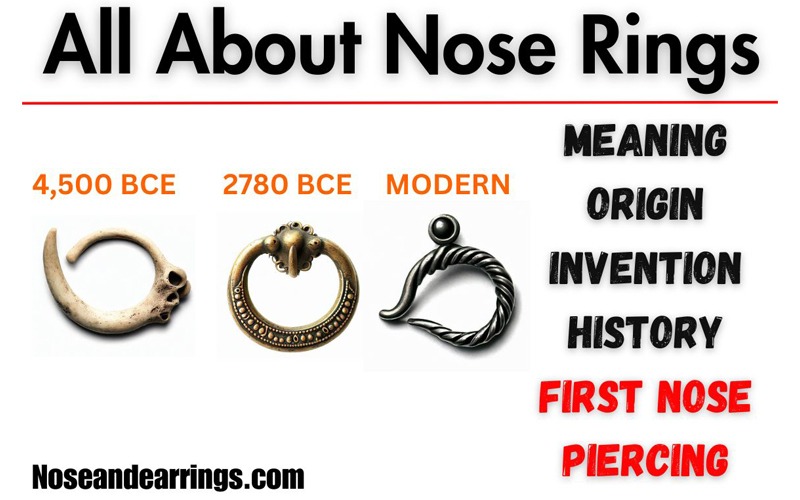
Nose rings have a rich history that dates back thousands of years and can be traced to various ancient cultures around the world. Their origins can be found in regions such as India and the Middle East, where they have been worn for both aesthetic and symbolic reasons. In Indian culture, for example, nose rings are often associated with marital status, with married women typically wearing them as a sign of their commitment. In ancient Persia, they were believed to enhance beauty and status, reflecting the wearer’s wealth and social standing.
Nose rings have also appeared in other cultures, such as among the Bedouins of the Arabian Peninsula, where they serve both as adornment and as a marker of social identity. In many African cultures, rings and other forms of body jewelry signify rites of passage and tribal affiliation, showcasing the individual’s status within their community. This historical significance underlines the complexity of nose rings, revealing that their meanings can vary dramatically depending on cultural context.
Religious Perspectives on Body Modifications

The view of body modifications, including nose rings, differs significantly among various religious traditions. In some faiths, such as Islam and Christianity, adornments may be viewed as distractions that detract from spiritual practice. For instance, certain conservative interpretations of Islamic teachings discourage body modifications, arguing that the human body should be left in its natural state as a form of respect for God’s creation. Similarly, some branches of Christianity may regard body piercings as inconsistent with their doctrines regarding modesty and humility.
Conversely, other religious perspectives embrace body modifications as expressions of individuality and personal faith. Hinduism, for instance, often celebrates the use of jewelry and body adornments as part of its cultural practices, with nose rings being a common accessory among women. These differences highlight the importance of understanding the religious context surrounding body modifications, as they can significantly influence personal beliefs about wearing a nose ring.
Cultural Significance of Nose Rings
Nose rings hold deep cultural significance in various societies, often playing a crucial role in traditional attire and rituals. In India, for example, the nath, or nose ring, is an integral part of bridal jewelry, symbolizing a woman’s transition into married life. It is not merely an accessory; it embodies cultural values and traditions that have been passed down through generations.
In contrast, in Western societies, the perception of nose rings is often more fluid and associated with subcultures such as punk or alternative fashion. Here, they might signify rebellion or a break from conventional standards of beauty. However, as global interconnectedness increases, the cultural significance of nose rings is evolving, and they are increasingly embraced across various demographics, often viewed as a fashionable choice rather than a cultural statement.
Modern Views and Trends
In contemporary society, nose rings have surged in popularity, transcending their historical and cultural boundaries. Today, they are commonly seen as a fashion statement, embraced by individuals of diverse backgrounds and ages. The rise of social media and influencers has contributed significantly to this trend, as celebrities and public figures showcase their body modifications, including nose rings, encouraging acceptance and normalization.
Moreover, the body positivity movement has played a vital role in reshaping perceptions of body adornments. This movement emphasizes self-acceptance and the celebration of individual choices regarding one’s body, including the decision to wear a nose ring. This shift allows people to express their identities freely without fear of judgment, making nose rings a symbol of personal empowerment rather than a source of controversy.
Arguments For and Against Nose Rings
The debate surrounding nose rings often hinges on arguments for and against their acceptance. Proponents assert that wearing a nose ring is a form of self-expression, allowing individuals to showcase their unique identities and cultural heritage. They argue that body modifications, including nose rings, can foster a sense of belonging and community among those who share similar values or aesthetics.
On the other hand, critics of nose rings often cite conservative or religious viewpoints, arguing that such adornments can lead to moral decay or distract from more important life pursuits. They may perceive body modifications as signs of rebellion against societal norms or traditional values. This polarized perspective underscores the importance of understanding the diverse beliefs that inform opinions on body modifications.
Navigating Personal Beliefs and Choices
When considering whether to wear a nose ring, it is essential to navigate personal beliefs and the potential impact on relationships. Individuals must weigh their values, cultural backgrounds, and the reactions of those around them. Engaging in open discussions with family members, friends, or community members can provide valuable insights and foster understanding, especially if differing viewpoints exist.
Moreover, it is crucial to respect the beliefs of others while standing firm in one’s choices. Understanding that the perception of nose rings varies widely can help individuals navigate conversations and interactions more effectively. Ultimately, the decision to wear a nose ring should be personal, reflecting one’s values and identity rather than succumbing to societal pressures or expectations.
In summary, whether nose rings are considered a sin largely depends on individual beliefs, cultural backgrounds, and religious teachings. The historical context, religious perspectives, cultural significance, and modern trends all play pivotal roles in shaping opinions on body modifications. By understanding these aspects, individuals can navigate their personal decisions regarding nose rings with greater clarity and confidence. If you’re contemplating getting a nose ring or wish to discuss its implications, consider reaching out to others who may share their experiences and insights, fostering a dialogue that enriches your understanding of this complex subject.
Frequently Asked Questions
Are nose rings considered a sin in Christianity?
The perception of nose rings as a sin in Christianity varies significantly among different denominations and individual beliefs. Many Christians believe that body modifications like nose rings are acceptable as long as they do not promote vanity or distract from one’s faith. Ultimately, it comes down to personal convictions and interpretations of biblical teachings, so it’s best to consult with a spiritual leader if you have concerns.
What do different religions say about wearing nose rings?
Different religions have varied views on wearing nose rings. In Hinduism, nose rings are traditional and often symbolize marital status, while in some Islamic cultures, they can be seen as a form of self-expression. In contrast, certain Christian groups may view body piercings, including nose rings, as inappropriate. Understanding the cultural context within each religion can provide clarity on this topic.
How do cultural beliefs influence the perception of nose rings as a sin?
Cultural beliefs play a significant role in how nose rings are perceived. In some cultures, particularly in South Asia and among indigenous groups, nose rings are embraced as a form of beauty and identity, contrasting sharply with some Western perspectives that may associate them with rebellion or non-conformity. This cultural context can greatly influence whether wearing a nose ring is seen as acceptable or sinful.
Why do some people believe that wearing a nose ring is disrespectful?
Some individuals believe that wearing a nose ring is disrespectful due to traditional values or societal norms that associate piercings with rebellion or a lack of professionalism. They may view body modifications as a rejection of conventional beauty standards or as a challenge to authority. However, this belief is subjective and can vary widely based on personal experiences and cultural backgrounds.
What are the best practices for wearing a nose ring respectfully?
To wear a nose ring respectfully, consider the cultural context and setting in which you are wearing it. Choose a style that aligns with your personal values and the norms of your community, and ensure that it is tasteful and appropriate for the occasion. It’s also wise to maintain good hygiene and care for your piercing to avoid any health issues, showing respect for both your body and the cultural significance of the jewelry.
References
- Body piercing
- https://www.bbc.com/culture/article/20170608-what-does-it-mean-to-have-a-nose-ring
- https://www.theguardian.com/fashion/2020/jul/06/piercings-are-they-just-for-teens-or-a-trend-for-all-ages
- https://www.christianitytoday.com/ct/2020/august-web-only/piercings-tattoos-christian-faith-cultural-expressions.html
- https://www.ncbi.nlm.nih.gov/pmc/articles/PMC6463261/
- https://www.history.com/topics/food/piercing