Nose rings can be seen as cultural appropriation, depending on the context and the background of the person wearing them. This article explores the nuances of this debate, examining cultural significance, individual identity, and the impact of fashion trends. Readers will gain insight into when wearing a nose ring crosses the line into appropriation and how to be respectful in their choices.
The Cultural Significance of Nose Rings

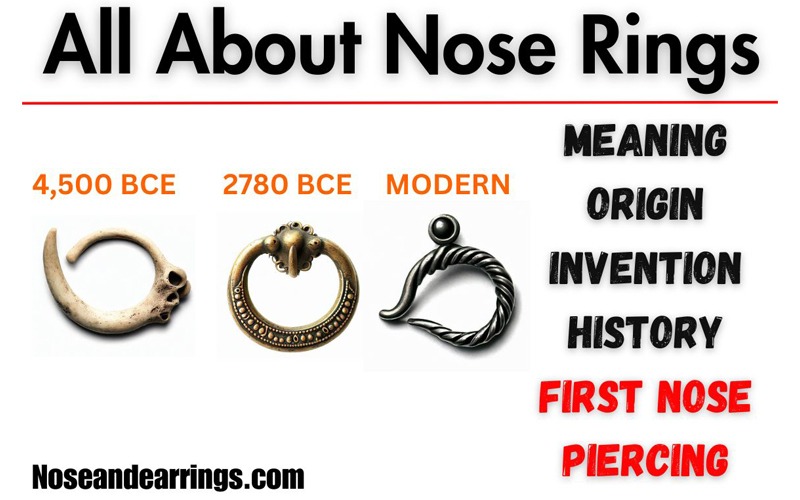
Nose rings have deep historical roots in various cultures, particularly in South Asia and the Middle East. In India, for example, wearing a nose ring, often referred to as a “nath,” is a traditional practice that dates back centuries. It is commonly associated with marital status, with many brides wearing elaborate nose rings as a sign of their new identity within their family. Similarly, in Middle Eastern cultures, nose rings have been worn for centuries, often symbolizing wealth, beauty, and cultural pride.
The significance of nose rings extends beyond mere adornment; they are often embedded in the social fabric of the cultures that embrace them. For example, in some tribal communities, nose rings are seen as a rite of passage and a marker of femininity. This cultural depth is crucial to understanding the potential implications of wearing a nose ring outside its traditional context. When individuals adopt these symbols without appreciating their rich history and meaning, it raises important questions about respect and understanding.
Understanding Cultural Appropriation

Cultural appropriation involves adopting elements of one culture by individuals from another culture, often without understanding or respecting their significance. This dynamic can be particularly problematic when the appropriators belong to a dominant culture that has historically marginalized the source culture. The act of wearing a nose ring, in this context, can be perceived as an exploitation of a cultural symbol that holds deep meaning for others.
It is important to differentiate between appreciation and appropriation; the former involves respect and understanding, while the latter can lead to exploitation. For instance, attending a cultural festival and wearing traditional attire in a respectful manner can be an act of appreciation. Conversely, donning a nose ring as a fashion statement without knowledge of its cultural implications can be seen as appropriation. This distinction plays a pivotal role in the ongoing debate, making it essential for individuals to reflect on their motives and the messages they convey through their fashion choices.
Personal Identity and Expression
For many individuals, wearing a nose ring is a form of self-expression and personal identity, transcending cultural boundaries. The act of adorning oneself with body jewelry can be a celebration of individuality, a nod to personal style, or a means of connecting with one’s heritage. In this light, a nose ring can symbolize empowerment and autonomy over one’s body, allowing wearers to express their uniqueness.
However, the intent behind wearing a nose ring can significantly influence whether it is perceived as appropriation or a personal choice. For example, someone of South Asian descent may wear a nose ring as a homage to their cultural heritage, while someone outside that culture may wear it simply because it is trendy. The difference in context and intent is key; while one may be a celebration of cultural identity, the other could unintentionally strip the symbol of its significance. Thus, understanding personal identity in relation to cultural symbols is vital in navigating this complex discussion.
The Impact of Fashion Trends
Fashion industries often adopt cultural symbols without proper acknowledgment, leading to tension and accusations of appropriation. The commercialization of cultural elements, including nose rings, can dilute their significance and perpetuate stereotypes. For instance, high-fashion designers have frequently incorporated traditional attire and jewelry into their collections without recognizing their origins or the cultures that hold them dear. This practice not only trivializes the history behind these items but also commodifies cultural heritage.
Moreover, when celebrities and influencers popularize these trends without context, they can inadvertently perpetuate harmful stereotypes or remove the cultural significance associated with these symbols. For example, when a nose ring becomes a fleeting trend in Western fashion, it can overshadow the rich narratives and traditions from which it originates. This phenomenon showcases the need for greater accountability in the fashion industry, emphasizing the importance of ethical practices that respect cultural origins.
Navigating the Conversation
Engaging in conversations about cultural appropriation can help raise awareness and promote understanding among diverse groups. Open dialogues can foster a greater appreciation for different cultures and their practices. It is essential to approach these conversations with sensitivity and a willingness to listen.
Listening to and valuing the perspectives of those from cultures that traditionally wear nose rings is crucial in this discourse. For instance, inviting members of those communities to share their experiences and insights can create a more inclusive environment and help bridge the gap between cultures. Additionally, seeking feedback from cultural representatives before adopting cultural symbols can demonstrate respect and foster collaboration.
Encouraging education around cultural practices can also play a vital role in combating appropriation. Workshops, discussions, and educational resources can help individuals understand the significance of cultural symbols and empower them to make informed choices when it comes to their fashion expressions.
Tips for Respectful Fashion Choices
To navigate the complexities surrounding cultural symbols like nose rings respectfully, consider the following tips:
1. Research Cultural Significance: Before wearing a nose ring or any cultural item, take the time to understand its history and meaning. This knowledge can inform your choices and help you appreciate the culture behind the symbol.
2. Support Artisans and Creators: Whenever possible, buy from artisans and creators from the cultures you admire. This not only promotes ethical consumerism but also supports the preservation of cultural practices.
3. Be Mindful of Context: Consider the context in which you wear a nose ring. Are you attending a cultural event, or is it simply for fashion? Being aware of your surroundings can influence how your choices are perceived.
4. Engage in Conversations: Open dialogue with individuals from different cultures can provide insights and foster understanding. Be willing to listen and learn from their experiences.
5. Avoid Stereotypes: Be conscious of the narratives you perpetuate through your fashion choices. Ensure that your representation is respectful and avoids reinforcing negative stereotypes.
By following these guidelines, individuals can navigate the delicate balance between personal expression and cultural respect, ultimately fostering appreciation over appropriation.
In summary, the question of whether nose rings are cultural appropriation is complex and layered with cultural significance, personal identity, and social dynamics. By understanding the cultural context and being mindful of intentions and choices, individuals can navigate this topic with respect. As you explore your own fashion expressions, consider the impact of your choices and strive for cultural appreciation rather than appropriation. Engaging in thoughtful discourse and supporting the cultures you admire can lead to a more inclusive and respectful fashion landscape.
Frequently Asked Questions
What is cultural appropriation and how does it relate to nose rings?
Cultural appropriation refers to the adoption of elements from one culture by members of another culture, often without understanding or respecting the original context. In the case of nose rings, which have cultural significance in various traditions, such as Indian and Indigenous cultures, wearing them without appreciation for their history can lead to accusations of cultural appropriation. It’s essential to recognize the meanings and values attached to these adornments within their cultural origins.
How can I tell if wearing a nose ring is cultural appropriation?
To determine if wearing a nose ring constitutes cultural appropriation, consider the cultural significance of the jewelry within its original context. Research the history and meaning of the nose ring in cultures where it is prevalent, and assess your own connection to those cultures. If you have no ties or understanding of its significance, it may be more respectful to avoid adopting that symbol to prevent misrepresentation or disrespect.
Why is there controversy over wearing nose rings as a fashion statement?
The controversy surrounding nose rings as a fashion statement stems from the intersection of cultural appreciation and appropriation. While many individuals wear nose rings for aesthetic reasons, critics argue that adopting culturally significant jewelry purely for style can trivialize its meaning. This can perpetuate stereotypes and contribute to the commodification of the culture from which the item originates, leading to a broader discussion about respect and representation.
What are some alternatives to wearing nose rings that honor cultural significance?
If you’re looking to honor the cultural significance of nose rings without appropriating them, consider alternatives such as wearing jewelry inspired by your own cultural heritage or choosing pieces that are designed by artisans from the culture in question. Engaging with and supporting creators from the culture you admire not only shows respect but also fosters cultural exchange rather than appropriation.
Which cultures have a history of wearing nose rings and what do they symbolize?
Nose rings have historical significance in several cultures, most notably in Indian culture, where they are often worn by women as a symbol of marriage and fertility. In some Indigenous cultures, nose rings may signify social status or spiritual beliefs. Understanding these cultural meanings can help individuals appreciate the deeper significance behind nose rings and approach the topic with greater sensitivity and awareness.
References
- Nose ring
- https://www.theguardian.com/commentisfree/2021/jul/15/cultural-appropriation-nose-rings
- https://www.bbc.com/culture/article/20190329-what-is-cultural-appropriation
- https://www.nytimes.com/2021/06/10/style/what-is-cultural-appropriation.html
- https://www.jstor.org/stable/10.5325/jcultures.8.1.0025
- https://www.huffpost.com/entry/what-is-cultural-appropriation_n_5d9d8a4de4b0c5f7f9b8d6f6
- https://www.aclu.org/news/free-speech/what-is-cultural-appropriation
- https://www.npr.org/sections/codeswitch/2017/02/02/511046175/a-guide-to-cultural-appropriation