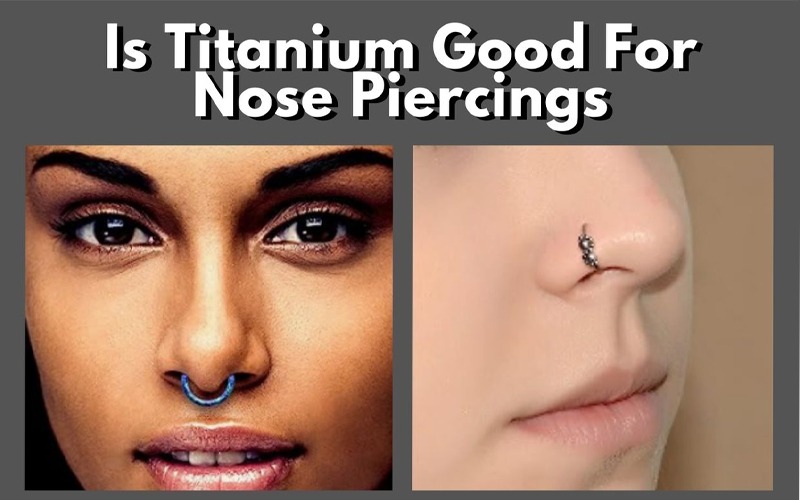
Choosing titanium nose rings is generally safe for most people, particularly those with sensitive skin or metal allergies. Titanium is known for its hypoallergenic properties, making it an excellent choice for body jewelry, especially in piercings that may be prone to irritation. In this article, we’ll explore the safety of titanium nose rings, their benefits, potential risks, and tips for proper care to ensure a comfortable and stylish experience.
Understanding Titanium as a Material
Titanium is a unique metal that stands out in the body jewelry market due to its hypoallergenic qualities. This means that it is less likely to cause allergic reactions compared to other metals commonly used in jewelry, such as nickel or cobalt. The inert nature of titanium allows it to resist interactions with skin, making it an ideal choice for those with sensitivities or allergies.
In addition to being hypoallergenic, titanium is also resistant to corrosion and tarnishing. Unlike other metals that may discolor or degrade over time due to exposure to moisture, sweat, or other environmental factors, titanium maintains its appearance and structural integrity. This durability ensures that titanium nose rings can withstand the test of time, providing a long-lasting accessory that continues to look good and feel comfortable.
Benefits of Titanium Nose Rings

One of the primary advantages of titanium nose rings is their lightweight design. Unlike heavier metals, titanium jewelry feels almost weightless on the skin, which can significantly enhance comfort during wear. This is particularly important for piercings that may be sensitive or prone to irritation, as a lighter piece is less likely to cause discomfort or pressure around the piercing site.
Furthermore, titanium nose rings have a significantly lower likelihood of triggering allergic reactions compared to other common materials. For instance, many individuals who experience sensitivity to jewelry often react to nickel, which is prevalent in many lower-quality metal accessories. Titanium’s hypoallergenic nature not only allows for a comfortable wearing experience but also reduces the risk of complications that can arise from metal allergies, such as inflammation and infection.
Potential Risks and Considerations
While titanium is generally a safe material, there are still risks associated with titanium nose rings that should be considered. Some individuals may experience irritation from poorly manufactured titanium, which can contain trace amounts of other metals or impurities. This is why it is crucial to choose high-quality jewelry from reputable suppliers.
The quality and grade of titanium can vary, so it is advisable to opt for implant-grade titanium (also known as ASTM F136 titanium) for body jewelry. This grade is specifically designed for medical implants and has undergone rigorous testing to ensure its safety and compatibility with human tissue. Lower-grade titanium may not offer the same level of safety and could lead to complications, including skin irritation or infections.
Care and Maintenance Tips
To ensure the longevity and safety of your titanium nose ring, proper care and maintenance are essential. It is recommended to clean your nose ring regularly using a saline solution or mild soap diluted in water. This practice helps to remove any accumulated sweat, dirt, or bacteria that can lead to irritation or infection.
Avoid exposing your titanium jewelry to harsh chemicals or environments. Substances such as chlorine in swimming pools, strong cleaning agents, or even certain cosmetics can negatively impact the metal’s surface and lead to discoloration or damage. Additionally, it is wise to remove your nose ring during activities that may expose it to excessive moisture or impact, such as swimming or vigorous sports, to minimize the risk of complications.
Signs of Infection or Allergic Reaction
While titanium nose rings are generally safe, it is essential to be vigilant for any signs of infection or allergic reaction. Common symptoms to watch for include redness, swelling, or discharge around the piercing site. These indicators could signal an infection, which may require medical treatment to prevent further complications.
If you observe any persistent or worsening symptoms, it is crucial to seek medical advice promptly. Early intervention can help mitigate the severity of an infection and ensure proper healing. Additionally, if you experience ongoing discomfort or irritation, it may be necessary to consult with a professional piercer or dermatologist to assess whether your jewelry is suitable for your skin type.
Choosing the Right Titanium Nose Ring
When selecting a titanium nose ring, consider various factors to ensure that your choice aligns with your personal style and comfort. The gauge size, which refers to the thickness of the jewelry, is a crucial aspect to consider. A gauge that is too thick may cause discomfort, while one that is too thin may not provide adequate support for the piercing.
Design is another important factor; titanium nose rings come in a variety of styles, including hoops, studs, and decorative pieces. Choose a design that resonates with your aesthetic while ensuring it is comfortable for everyday wear. Always purchase from reputable sources to guarantee the quality of the titanium and ensure that you are getting an implant-grade product.
Conclusion
Having a titanium nose ring can be a safe and stylish choice if you take the necessary precautions and care for it properly. The hypoallergenic nature, lightweight design, and resistance to corrosion make titanium an ideal material for body jewelry, particularly for individuals with sensitive skin or metal allergies. However, it is crucial to be aware of potential risks associated with lower-quality products and to maintain proper hygiene and care to prevent complications. By prioritizing quality and hygiene, you can enjoy your titanium nose ring without complications, making it a fashionable addition to your personal style.
Frequently Asked Questions
Are titanium nose rings safe for sensitive skin?
Yes, titanium nose rings are generally safe for individuals with sensitive skin. Titanium is a biocompatible metal, meaning it is less likely to cause allergic reactions compared to other materials like nickel or brass. Additionally, titanium is often used in medical implants, further highlighting its safety for body jewelry. However, it’s always advisable to consult with a professional piercer or dermatologist if you have specific allergies.
How do I know if my titanium nose ring is high quality?
To ensure that your titanium nose ring is of high quality, look for jewelry that is labeled as “implant-grade” titanium (such as ASTM F136). This type of titanium is specifically designed for body jewelry and is pure, durable, and hypoallergenic. Additionally, check for a smooth finish and a reputable brand that follows safety standards, as this can indicate a commitment to quality.
Why should I choose a titanium nose ring over other materials?
Choosing a titanium nose ring over other materials offers several benefits. Titanium is lightweight, corrosion-resistant, and hypoallergenic, making it a great option for those with metal sensitivities. Unlike stainless steel or gold, titanium is less likely to irritate fresh piercings, promoting faster healing and reducing the risk of infections. This makes it an ideal choice for both new and existing piercings.
What should I do if my titanium nose ring causes irritation?
If your titanium nose ring causes irritation, first remove the jewelry to prevent further discomfort. Clean the area with saline solution or a mild antiseptic to reduce inflammation. If the irritation persists or worsens, consult with a professional piercer or healthcare provider to determine if there is an underlying issue, such as an infection or an allergic reaction, even though titanium is hypoallergenic.
Which type of titanium nose ring is best for initial piercings?
The best type of titanium nose ring for initial piercings is a captive bead ring or a straight stud made from implant-grade titanium. These styles are easy to insert and remove, and their smooth edges minimize irritation during the healing process. Additionally, make sure to choose a gauge size that fits your piercing correctly, as proper sizing can significantly affect comfort and healing time.
References
- https://www.ncbi.nlm.nih.gov/pmc/articles/PMC6319849/
- https://www.aafp.org/pubs/afp/issues/2018/1201/p741.html
- Acalculous Cholecystitis – StatPearls – NCBI Bookshelf
- https://www.healthline.com/health/piercing-infection#titanium
- https://www.jamanetwork.com/journals/jama/fullarticle/2631859
- https://www.verywellhealth.com/ear-piercing-safety-5072648
- https://www.mayoclinic.org/healthy-lifestyle/adult-health/in-depth/tattoo-piercing-safety/art-20044221