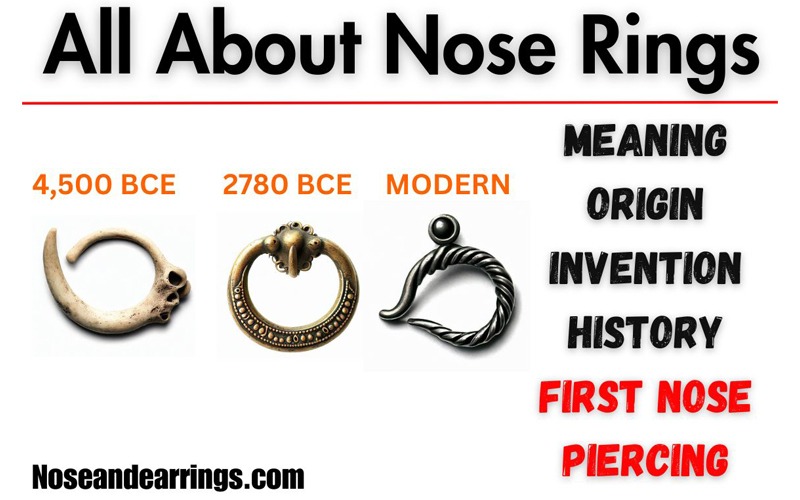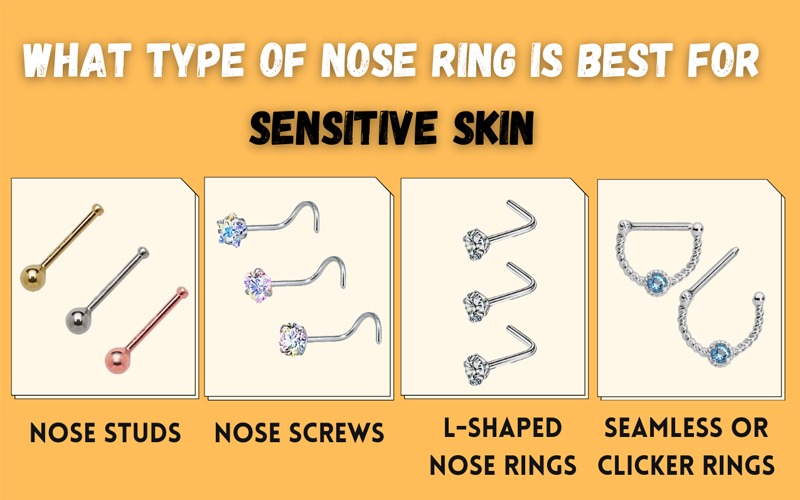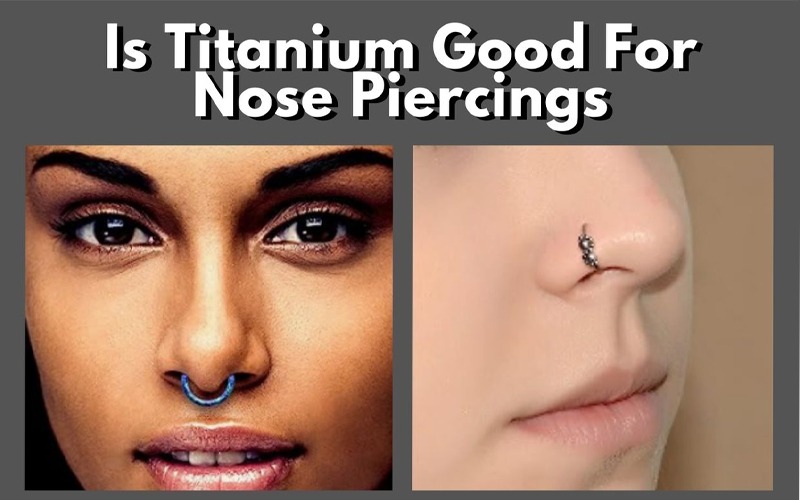
While a nose ring itself typically doesn’t directly cause a sinus infection, improper care and hygiene associated with the piercing can lead to complications. The introduction of bacteria, inflammation, and inadequate aftercare can create an environment conducive to infection. This article will explore how a nose ring might contribute to sinus issues, the importance of proper aftercare, and what to do if you experience symptoms.
Understanding Sinus Infections

Sinus infections, clinically known as sinusitis, occur when the sinus cavities become inflamed, often due to bacteria, viruses, or allergens. The inflammation can obstruct normal mucus drainage, resulting in a buildup that can cause infection. Symptoms of sinus infections commonly include facial pain or pressure, nasal congestion, thick nasal discharge, and fever. Chronic sinusitis can also lead to prolonged symptoms, which can significantly impact one’s quality of life. Understanding these symptoms is crucial, especially for individuals with new piercings, as they may inadvertently confuse piercing-related discomfort with sinus infection symptoms.
How Nose Piercings Can Affect Sinuses
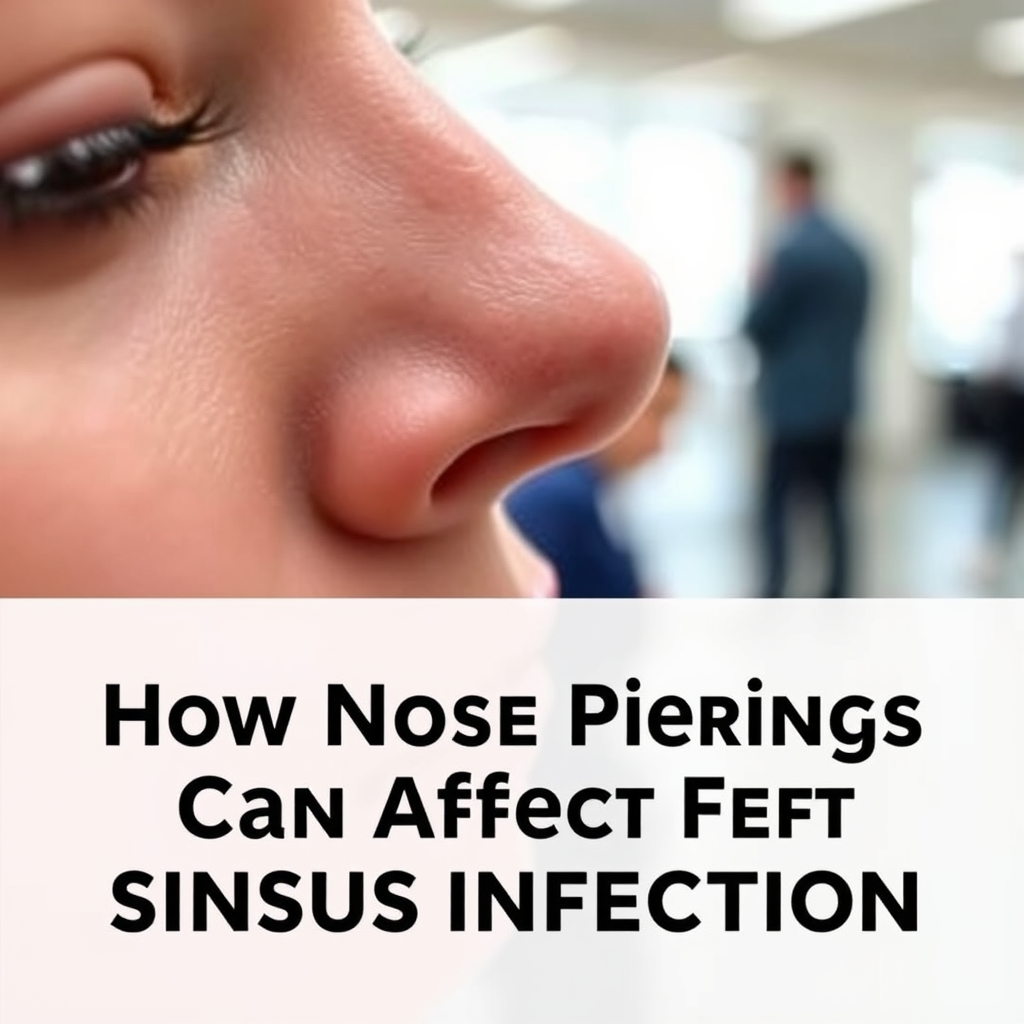
Nose piercings create an entry point into the nasal cavity, which can introduce bacteria if not handled carefully. The act of piercing itself can cause localized inflammation, leading to swelling around the piercing site. This inflammation can sometimes obstruct nasal airflow, increasing sinus pressure and contributing to feelings of sinus pressure or discomfort. Additionally, if the piercing becomes infected, the body’s immune response may exacerbate existing sinus problems, as the body diverts resources to combat the infection. Therefore, while a nose ring may not be a direct cause of sinus infections, the conditions surrounding a poorly managed piercing can certainly instigate issues that mimic or contribute to sinusitis.
Importance of Proper Aftercare
Proper aftercare following a nose piercing is essential for preventing infections and maintaining overall nasal health. Regular cleaning of the piercing with saline solution or a specialized piercing cleaner can help eliminate bacteria and debris that accumulate at the site. It is recommended to clean the piercing at least twice a day, especially during the initial healing phase, which can last from six weeks to several months. Furthermore, avoiding touching the piercing with dirty hands is crucial to maintaining hygiene. If you find yourself adjusting or fiddling with your nose ring, ensure your hands are clean, as this can prevent the transfer of bacteria that might lead to infection.
In addition to cleaning, be mindful of environmental factors that may irritate the piercing. Avoid exposure to smoke, dust, and harsh chemicals during the healing process, as these can exacerbate inflammation and increase the risk of complications.
Signs of Infection to Watch For
Recognizing the signs of infection early can make a significant difference in treatment outcomes. Look for symptoms such as redness or swelling around the piercing site, warmth to the touch, or discharge that may be yellow, green, or have an unpleasant odor. Persistent headaches or facial pain that doesn’t improve can also indicate a developing sinus issue or an infection. If you notice any of these signs, it is essential to take them seriously and monitor your symptoms closely. Early intervention can prevent a minor issue from becoming a more serious health concern.
When to Seek Medical Attention
If symptoms of a sinus infection develop following a nose piercing, it is advisable to seek medical attention promptly. Symptoms like a persistent fever, severe facial pain, or thick nasal discharge warrant a visit to a healthcare provider. They can assess whether the symptoms are related to the piercing or if there is a separate underlying issue contributing to the sinus infection. A medical professional may prescribe antibiotics if a bacterial infection is confirmed, or they might recommend other treatments to relieve symptoms and promote healing.
Consulting with a healthcare provider ensures that you receive proper treatment and management, especially if the infection begins to affect your daily life. It’s essential to approach any signs of infection with caution, as untreated infections can lead to more serious health complications.
Tips for Preventing Sinus Issues with Nose Rings
Preventative measures can significantly reduce the risk of sinus issues associated with nose piercings. Firstly, consider choosing high-quality jewelry, preferably made from materials like surgical stainless steel, titanium, or gold, which are less likely to cause allergic reactions or irritation. Cheap or poorly made jewelry can increase the risk of infection and inflammation, complicating the healing process.
Additionally, regularly monitoring the piercing for signs of infection is crucial. If you notice any changes in appearance or feel discomfort, it is better to err on the side of caution and consult with a healthcare professional. Keeping the piercing clean and avoiding unnecessary contact can also minimize the risk of introducing bacteria.
Lastly, maintaining a healthy lifestyle can bolster your immune system, making you less susceptible to infections in general. Ensure you are eating a balanced diet, staying hydrated, and getting regular exercise to support your overall health.
In summary, while nose rings themselves are not direct causes of sinus infections, the potential for complications due to improper care is significant. Prioritizing hygiene and proper aftercare can mitigate these risks. If you notice any concerning symptoms, do not hesitate to consult a healthcare professional for guidance. For more tips on maintaining healthy piercings, check out our related articles!
Frequently Asked Questions
Can wearing a nose ring lead to sinus infections?
Wearing a nose ring can potentially lead to sinus infections, particularly if the jewelry is not properly maintained or if the piercing itself becomes infected. Bacteria can enter through the piercing site, leading to inflammation and possible blockage of the sinuses. To minimize this risk, it’s essential to choose high-quality materials, practice good hygiene, and ensure that the piercing is healed before wearing jewelry.
How can I tell if my nose ring is causing a sinus issue?
Symptoms of a sinus issue related to a nose ring may include nasal congestion, facial pain or pressure, and a runny nose. If you notice these symptoms alongside redness, swelling, or discharge from the piercing site, it may indicate an infection that could affect your sinuses. Consulting with a healthcare professional is advisable for an accurate diagnosis and appropriate treatment.
What are the best practices for preventing infections from a nose ring?
To prevent infections from a nose ring, it’s crucial to clean the area regularly with saline solution or an antiseptic recommended by your piercer. Avoid touching the piercing with dirty hands, and choose jewelry made from hypoallergenic materials like titanium or surgical steel. Additionally, avoid changing your jewelry too soon; ensure the piercing is fully healed, which can take several weeks, before wearing different pieces.
Why do some people get sinus infections after getting a nose piercing?
Some individuals may be more susceptible to sinus infections after getting a nose piercing due to pre-existing conditions like allergies or a history of sinus issues. The introduction of bacteria during the piercing process or from touching the area can lead to localized infections that may spread and cause sinus problems. Proper aftercare and monitoring for symptoms can help mitigate these risks.
Which types of nose rings are less likely to cause sinus problems?
Nose rings made from high-quality, hypoallergenic materials such as titanium, surgical stainless steel, or gold are less likely to cause sinus problems compared to cheaper metals that may irritate the skin. Additionally, opting for simpler designs, like studs or hoops that don’t irritate the nasal passages, can also reduce the risk of complications. Always consult with a professional piercer to find the best options for your specific needs.
References
- https://www.ncbi.nlm.nih.gov/pmc/articles/PMC5403244/
- https://www.healthline.com/health/nose-piercing-infection
- Heart disease – Symptoms and causes – Mayo Clinic
- Insulin Lispro – StatPearls – NCBI Bookshelf
- https://www.webmd.com/skin-problems-and-treatments/guide/piercings-infections
- https://www.aaaai.org/conditions-and-treatments/allergies/nasal-allergy-symptoms
- https://www.cdc.gov/nceh/hsb/chemical/piercings.htm
- https://www.verywellhealth.com/nose-piercing-infection-5115531