Getting a nose ring can indeed lead to allergic reactions, particularly if the jewelry is made from certain metals. Allergies often arise due to the presence of nickel, which is prevalent in inexpensive jewelry. Many individuals experience skin irritation or other allergy symptoms as a result. In this article, we will delve into how nose rings can cause allergies, the specific materials that pose risks, and effective strategies to prevent allergic reactions.
Understanding Allergies and Jewelry

Allergies occur when the immune system reacts to a substance, known as an allergen. When it comes to jewelry, common allergens include metals and materials that are frequently used in the fabrication of body adornments. Nickel, cobalt, and certain plastics are often implicated in allergic reactions associated with piercings. The body’s immune response can trigger inflammation, leading to discomfort and other symptoms. Understanding the underlying mechanisms of these allergic reactions is crucial for anyone considering body jewelry.
The risk of developing allergies can vary significantly among individuals, as some people may be more sensitive to certain materials than others. Factors such as genetics, existing skin conditions, and overall health can influence an individual’s likelihood of experiencing an allergic reaction. Therefore, it is essential to be aware of what materials are used in the jewelry you choose, particularly for sensitive areas like the nose.
Common Symptoms of Allergic Reactions

Allergic reactions to nose rings can manifest in various ways. Symptoms typically include redness and swelling around the piercing site, alongside itching and potential rashes. These reactions can be quite uncomfortable, causing significant distress to the individual.
In more severe cases, the reaction can escalate to blistering or even infection, particularly if the area is not kept clean or if the jewelry is not removed promptly. Some individuals may experience systemic reactions, where symptoms extend beyond the local area, potentially affecting their overall well-being. Recognizing these symptoms early is vital for effective management and treatment, as untreated reactions can lead to long-term complications.
Materials That Can Cause Allergies
– Nickel: This metal is frequently found in lower-cost jewelry and is one of the leading causes of allergic reactions. Reports suggest that up to 20% of the population may have some level of sensitivity to nickel. For those with known allergies, it is imperative to avoid any contact with this metal, particularly in body jewelry.
– Sterling Silver: While sterling silver is generally considered a safe option, it often contains small amounts of nickel or other alloys that can provoke allergic reactions. To minimize risk, individuals should opt for higher-quality versions or pure silver, which does not contain nickel.
– Other Alloys: Gold-plated jewelry, brass, and some costume jewelry may also trigger allergies. Gold itself is typically hypoallergenic, but lower-quality gold products often contain alloys that can lead to reactions. Always check for the purity of the gold used in the jewelry to ensure it does not contain irritants.
Understanding these materials is crucial for anyone considering getting a nose ring. Investing in high-quality jewelry made from hypoallergenic materials can significantly reduce the risk of an allergic reaction.
How to Prevent Allergic Reactions
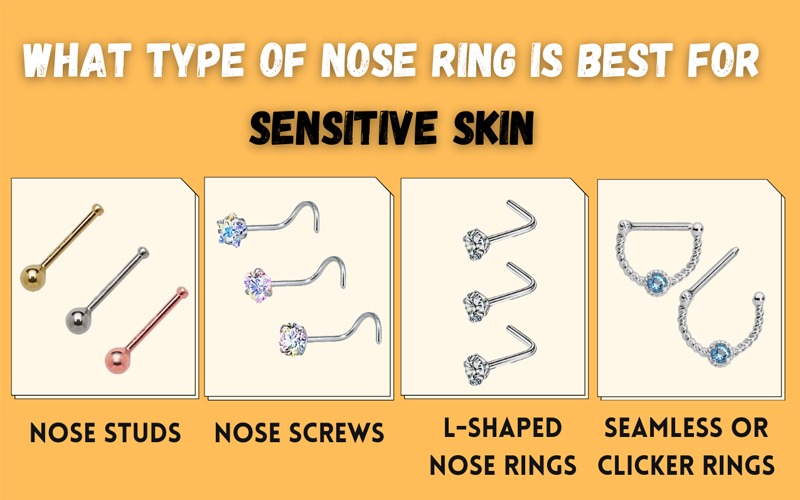
To mitigate the risk of allergic reactions when wearing a nose ring, individuals should prioritize choosing hypoallergenic jewelry. Materials such as titanium, surgical stainless steel, and pure gold are excellent choices for those with sensitive skin.
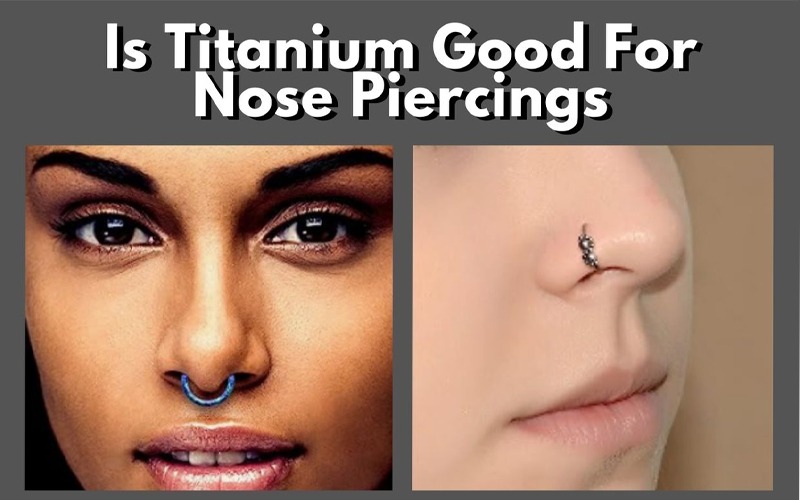
– Titanium: Known for its durability and biocompatibility, titanium is an excellent option for body piercings, minimizing the risk of allergic reactions.
– Surgical Stainless Steel: Often used in medical applications, surgical stainless steel is resistant to corrosion and generally free from nickel, making it a safer choice for nose rings.
– Pure Gold: While gold is typically well-tolerated, opting for 14K or higher gold can help ensure that the jewelry is less likely to cause irritation.
Additionally, avoiding cheaper jewelry that may contain harmful metals is essential. Always check for certifications and labels that indicate the materials used in the jewelry, ensuring they are safe for skin contact.
When to See a Professional
If you experience symptoms of an allergic reaction that persist or worsen despite changing your jewelry, it is crucial to seek medical advice. A healthcare professional, particularly a dermatologist, can provide guidance on how to manage your symptoms effectively.
In some cases, allergy testing may be recommended to identify specific triggers. This testing can help pinpoint the exact materials causing your allergic reactions, enabling you to make informed decisions regarding your jewelry choices in the future. Do not hesitate to consult a professional if you experience severe symptoms, as they can provide treatment options to alleviate discomfort and prevent further complications.
Caring for Your Nose Ring
Proper care of your nose ring is essential to avoid irritation or infection. Keeping the area clean is a fundamental step in maintaining piercing health. Here are some key aftercare practices:
– Cleansing: Gently clean the piercing site with a saline solution or a mild antibacterial soap. Avoid harsh chemicals that can irritate the skin.
– Avoid Touching: Refrain from touching the piercing with unwashed hands, which can introduce bacteria and lead to infections.
– Follow Aftercare Instructions: If the nose ring is new, follow the aftercare instructions provided by your piercer meticulously. This includes avoiding swimming pools and hot tubs during the initial healing period.
By adhering to these care guidelines, you can significantly reduce the risk of complications and enjoy your nose ring without concern.
In summary, while nose rings can cause allergic reactions, understanding the risks associated with different materials can help you make informed choices. If you suspect an allergy to your nose ring, consider switching to hypoallergenic materials and consult with a healthcare professional for personalized advice. Prioritizing quality jewelry and proper care can enhance your piercing experience while minimizing discomfort and health risks.
Frequently Asked Questions
Can wearing a nose ring cause allergic reactions?
Yes, wearing a nose ring can cause allergic reactions, particularly if the jewelry is made from materials that contain nickel or other allergens. Many people are sensitive to these metals, leading to symptoms such as redness, swelling, or itching around the piercing site. To minimize the risk of allergic reactions, it’s advisable to choose hypoallergenic materials like titanium, surgical stainless steel, or gold.
How can I tell if I’m allergic to my nose ring?
Signs of an allergic reaction to a nose ring may include persistent irritation, redness, swelling, or itching around the piercing. If these symptoms occur after inserting a new nose ring, it’s important to remove the jewelry and consult with a healthcare professional. They can help determine if an allergy is present and recommend suitable alternatives that are less likely to cause reactions.
Why do some people develop allergies to nose rings after years of wearing them?
Allergies to nose rings can develop over time due to changes in the body’s immune response or prolonged exposure to certain metals. Additionally, skin conditions or sensitivities can evolve, leading to a reaction even if the jewelry was previously tolerated. Factors such as skin care products, environmental changes, or hormonal fluctuations may also contribute to the sudden onset of allergic reactions.
What materials are best for nose rings to avoid allergies?
The best materials for nose rings to avoid allergies include titanium, surgical stainless steel, and 14k or 18k gold. These materials are less likely to cause irritation or allergic reactions compared to cheaper metals that might contain nickel or other allergens. Always ensure that the jewelry is specifically labeled as hypoallergenic for added assurance.
Which symptoms indicate that I should replace my nose ring due to an allergy?
Symptoms indicating that you should consider replacing your nose ring include persistent redness, itching, swelling, or the formation of a rash around the piercing site. If you notice these symptoms worsening or developing after changing your jewelry, it’s a clear sign that you may be experiencing an allergic reaction. Consulting with a dermatologist can provide guidance on the best course of action and suitable jewelry materials to prevent future reactions.