Changing your nose ring after two months is generally acceptable, but it’s essential to ensure that your piercing has fully healed and to adhere to proper aftercare procedures to avoid complications. The healing process for nose piercings can vary, and understanding when it’s safe to change your jewelry is crucial for maintaining your health and achieving the desired aesthetic. In this article, we’ll explore the healing process, signs that indicate your piercing is ready for a change, tips for selecting appropriate jewelry, techniques for safely changing your nose ring, aftercare recommendations, and advice for troubleshooting any common issues.
Understanding the Healing Process

Most nose piercings take between 2 to 4 months to heal completely, but this timeline can vary based on several individual factors. The healing process is influenced by your skin type, lifestyle choices, and how well you care for the piercing during the initial healing stages. For instance, individuals with oily skin may experience a longer healing time due to increased sebum production, which can irritate the piercing. Additionally, if you are active or frequently exposed to bacteria—such as in swimming pools or gyms—this can also prolong the healing process. It’s important to be patient and allow your body the necessary time to heal to avoid complications such as infections or prolonged discomfort.
Signs Your Piercing is Ready

Before changing your nose ring, it is crucial to assess whether your piercing has fully healed. Look for signs such as the absence of swelling, redness, or discharge around the piercing site. A healthy piercing should present a clean appearance, with skin that looks normal and feels comfortable. You should also be able to gently move the jewelry without experiencing discomfort. If you notice any tenderness or resistance, it is advisable to wait until these sensations completely subside before attempting to change your ring. Ensuring your piercing is ready not only promotes your comfort but also minimizes the risk of irritation or complications.
Choosing the Right Jewelry
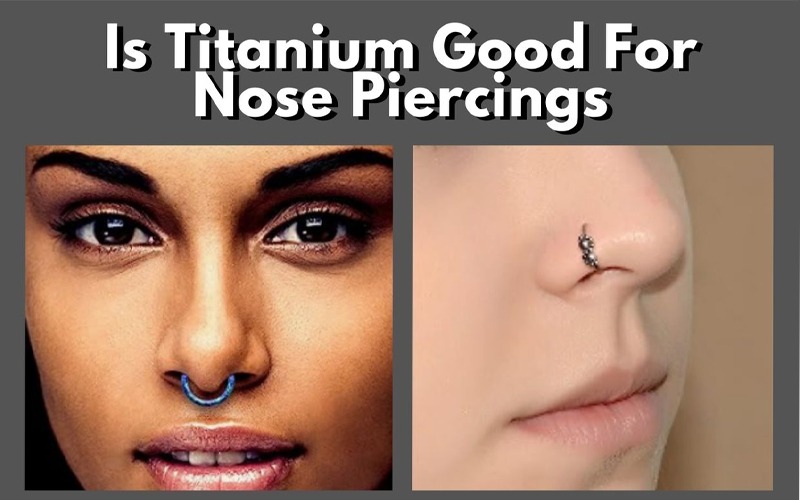
When selecting new jewelry for your nose piercing, it is vital to choose materials that are safe and non-irritating. Opt for hypoallergenic options such as titanium, surgical stainless steel, or 14k gold, as these materials are less likely to cause allergic reactions. Avoid materials that contain nickel, as they can lead to irritation and allergic responses in some individuals. Additionally, ensure that the new nose ring is the appropriate size for your healed piercing. A ring that is too tight may cause discomfort, while one that is too loose can lead to increased movement and potential irritation. Measuring your healed piercing and consulting with a professional piercer can help you make the right choice.
Proper Techniques for Changing Your Nose Ring
Changing your nose ring requires careful attention to hygiene and technique to prevent infection. Begin by washing your hands thoroughly with antibacterial soap to ensure they are clean. It is also advisable to use clean, sanitized tools, such as a pair of gloves or clean tissue, to handle the jewelry. Follow a step-by-step guide for safely removing and inserting the new jewelry. Start by gently twisting the existing ring to remove it, taking care not to apply too much pressure. Once it is out, carefully insert the new ring, ensuring it goes through the same hole without forcing it. If you encounter resistance, do not force the jewelry; instead, wait a little longer before trying again.
Aftercare Tips Post-Change
After changing your nose ring, proper aftercare is crucial to ensure that your piercing remains healthy. Clean the area with a saline solution or a gentle antiseptic specifically designed for piercings. This helps to remove any bacteria that may have come into contact with the piercing during the change. It is also advisable to avoid touching the new jewelry with unwashed hands and to refrain from swimming in pools or hot tubs for a few weeks post-change. Monitor the piercing for any signs of irritation or infection, such as increased redness, swelling, or unusual discharge. If you notice any concerning symptoms, consult a healthcare professional or a professional piercer for guidance.
Troubleshooting Common Issues
Even with careful practices, some complications may arise when changing your nose ring. If you experience pain, swelling, or unusual discharge after changing your jewelry, it is essential to consult a professional piercer or a healthcare provider. These symptoms could indicate an infection or an allergic reaction to the new material. In some cases, it may be wise to revert back to the original jewelry until any complications resolve. If you are uncertain about whether to proceed with changing your jewelry again, seek advice from a professional who can assess your healing progress and provide tailored recommendations.
In summary, you can change your nose ring after two months, provided you ensure that it has fully healed and follow appropriate procedures for changing your jewelry. By understanding the healing process, recognizing signs of readiness, selecting the right jewelry, employing proper techniques for changing your ring, and practicing diligent aftercare, you can confidently enjoy your new piercing while prioritizing your health and well-being. Always consult with professionals when in doubt, as they can offer valuable insights and assistance tailored to your needs.
Frequently Asked Questions
Can I change my nose ring after 2 months of getting it pierced?
Yes, you can typically change your nose ring after 2 months if your piercing has healed sufficiently. Most professional piercers recommend waiting at least 6 to 8 weeks before changing your jewelry, but individual healing times can vary. It’s crucial to ensure there are no signs of infection or irritation before making the switch to avoid complications.
How do I know if my nose piercing is healed enough to change the ring?
To determine if your nose piercing is healed, look for signs like minimal swelling, no redness, and no discharge or crusting around the piercing. It should feel comfortable and not painful. If you’re unsure, consult with your piercer, who can provide personalized advice based on the healing progress of your specific piercing.
Why is it important to wait before changing my nose ring?
Waiting to change your nose ring is important because it allows the piercing to heal properly, reducing the risk of infection, irritation, or migration. Changing the jewelry too early can disrupt the healing process and potentially lead to complications. A well-healed piercing will also be more comfortable when changing jewelry.
What is the best type of nose ring to use after the initial healing period?
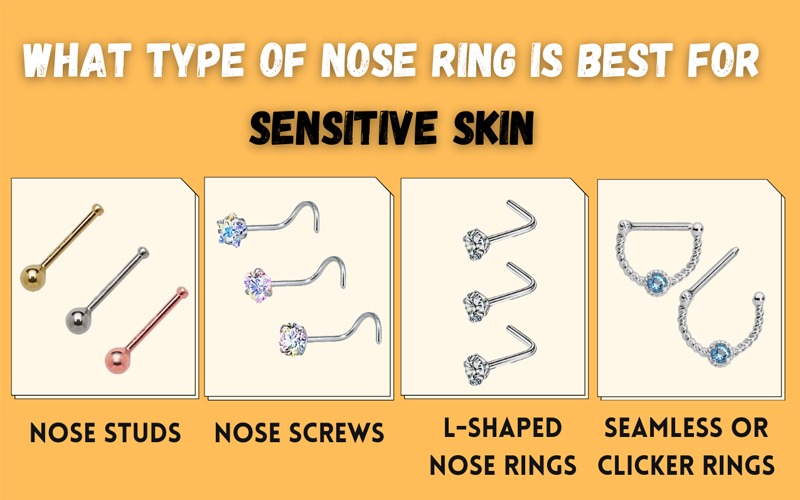
After the initial healing period, the best types of nose rings to use are those made from hypoallergenic materials, such as titanium, surgical steel, or gold. These materials are less likely to cause allergic reactions or irritation. You may also want to opt for simple designs, such as studs or hoops, that are easy to insert and remove.
Which signs indicate that I should not change my nose ring yet?
You should avoid changing your nose ring if you notice any signs of infection, such as increased redness, swelling, warmth, or discharge, especially if it has a foul smell. Other indicators include persistent pain or discomfort around the piercing. If you experience any of these symptoms, it’s best to consult your piercer or a healthcare professional for advice before making any changes.
References
- https://www.ncbi.nlm.nih.gov/pmc/articles/PMC6465139/
- https://www.healthline.com/health/piercing-care
- https://www.verywellhealth.com/piercing-aftercare-5203031
- https://www.mayoclinic.org/healthy-lifestyle/adult-health/in-depth/piercings/art-20046045
- https://www.webmd.com/beauty/features/body-piercings-what-to-know
- https://www.clevelandclinic.org/health/diseases/21534-piercing-infections
- https://www.piercing.org/faq/piercing-care/
- https://www.americanacademyofdermatology.org/public/everyday-care/piercings/