Nose rings can indeed leave scars, especially if not cared for properly. While many people enjoy the aesthetic of a nose ring, understanding the potential for scarring is crucial for a positive piercing experience. Scarring can occur due to various factors, including the healing process and the care provided post-piercing. This article will discuss how scars form, the individual factors influencing scarring, essential prevention strategies, and effective care practices that can help minimize the risk of scarring from your nose ring.
How Scarring Occurs

Scars form when the skin heals after any injury, including piercings like nose rings. The body’s natural response to injury involves the formation of collagen, a protein that helps repair damaged skin. In the case of a nose piercing, if the skin is punctured, the body works to close that wound, which can lead to scar formation. The type of jewelry used, as well as the piercing technique, can significantly influence the likelihood and appearance of scars. For instance, using low-quality metals can trigger allergic reactions or infections, complicating the healing process and increasing scarring. Additionally, poorly executed piercings can result in excessive trauma to the skin, leading to more noticeable scars.
Factors Affecting Scarring

Several individual factors can significantly influence the degree of scarring following a nose piercing. Skin types vary widely among individuals; for example, those with oily skin may experience a different healing process compared to individuals with dry or sensitive skin. Furthermore, genetic predisposition plays a role; some people naturally heal with more pronounced scars due to their skin’s unique characteristics. The location of the piercing is another critical factor. Piercings on the bridge of the nose may be more prone to scarring compared to those placed on the nostril, as the former experiences more movement and potential irritation. Understanding these variables can help individuals make informed decisions about their piercing.
Prevention Strategies
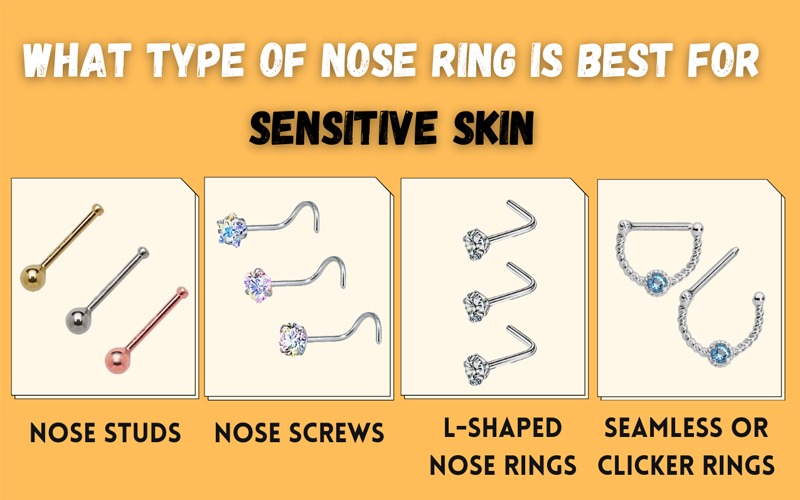
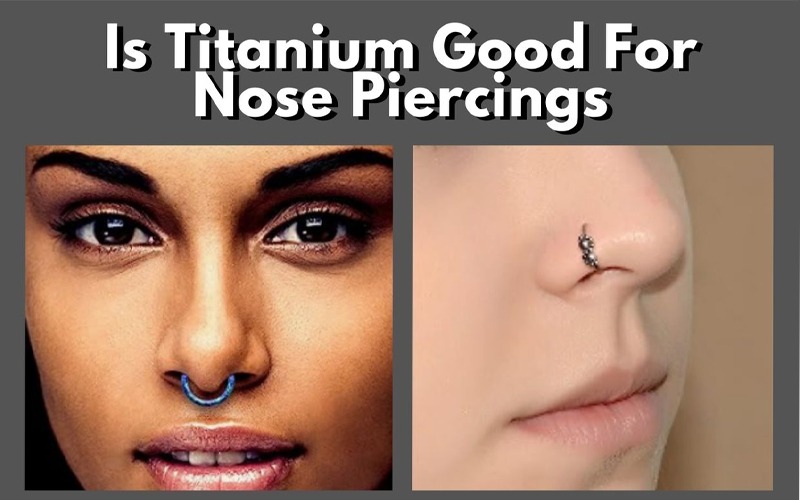
Minimizing the risk of scarring begins with choosing high-quality jewelry. Opt for jewelry made from materials like surgical stainless steel, titanium, or gold, which are less likely to cause irritation and allergic reactions. It is also vital to follow aftercare instructions meticulously, as proper care promotes healing and reduces the likelihood of complications that can lead to scarring. For example, cleaning the piercing site with saline solution or an antiseptic solution as directed by a professional piercer can help prevent infection. Avoiding exposure to irritants such as makeup or harsh skincare products during the healing process is also crucial. Furthermore, steering clear of swimming pools or hot tubs can minimize the risk of introducing bacteria to the piercing.
Caring for Your Piercing
After getting a nose ring, maintaining cleanliness and moisture is vital to support the healing process. Regularly clean the area with saline solution and gently pat it dry to prevent moisture buildup, which can harbor bacteria. Additionally, consider applying a non-comedogenic moisturizer to keep the skin hydrated without clogging pores. It is essential to avoid touching or twisting the jewelry, as this can introduce bacteria and cause trauma to the skin. If you notice any signs of irritation, such as swelling or redness, it’s crucial to consult a professional piercer or healthcare provider to address the issue before it escalates.
Recognizing Scar Tissue
Early detection of scarring is key to addressing issues promptly. Signs of scar tissue can include changes in the texture or color of the skin surrounding the piercing. If you notice that the area feels harder or appears unusually raised compared to the surrounding skin, these could be early indicators of scarring. It’s advisable to consult a healthcare professional if you observe persistent redness, swelling, or pain, as these may signal an infection rather than normal healing. They can provide guidance on appropriate interventions, such as topical treatments or referrals to specialists if necessary.
Long-Term Considerations
It is essential to understand that while some scars may fade over time, others may remain more pronounced. The healing process can take several months, and ongoing skin care can influence the final appearance of a scar. If scarring does occur and becomes a concern, various treatment options are available. Topical treatments, such as silicone gel sheets or creams containing ingredients like onion extract, can help reduce the visibility of scars. In more severe cases, individuals may consider professional treatments such as laser therapy or microdermabrasion, which can effectively minimize the appearance of scars. Consulting with a dermatologist can provide tailored recommendations based on individual skin types and scarring severity.
Understanding the risks associated with nose rings and taking proactive measures can significantly reduce the chance of scarring. By selecting high-quality jewelry, following aftercare instructions, and recognizing the early signs of potential scarring, you can enjoy your piercing while minimizing concerns about permanent marks. If you are considering getting a nose ring, keep these insights in mind to ensure a successful and aesthetically pleasing experience.
Frequently Asked Questions
Do nose rings leave scars after removal?
Yes, nose rings can leave scars after removal, especially if the piercing was not cared for properly or if the jewelry was removed prematurely. The extent of scarring often depends on individual skin types and healing processes. Proper aftercare can minimize the risk of scarring, so it’s essential to follow recommended guidelines during and after the healing period.
How can I prevent scarring from my nose ring?
To prevent scarring from your nose ring, it is crucial to follow a thorough aftercare routine, including cleaning the area regularly with saline solution or an antiseptic recommended by your piercer. Avoid touching or twisting the jewelry excessively, as this can irritate the skin. Additionally, keeping the piercing site moisturized can promote healing and reduce the likelihood of scar formation.
Why do some nose piercings scar more than others?
Some nose piercings scar more than others due to factors such as skin type, healing time, and how well the piercing is cared for. Individuals with sensitive skin or those prone to keloid scarring may experience more noticeable scars. Additionally, piercings that become infected or are frequently irritated can lead to more significant scarring, highlighting the importance of proper aftercare.
What is the best jewelry material to minimize scarring from nose rings?
The best jewelry materials to minimize scarring from nose rings are titanium, surgical stainless steel, and niobium. These materials are hypoallergenic and less likely to cause irritation or allergic reactions compared to other metals. Opting for high-quality jewelry can help reduce inflammation and promote better healing, thereby minimizing the risk of scarring.
Which aftercare products are most effective for preventing nose ring scars?
Effective aftercare products for preventing nose ring scars include saline solutions, witch hazel, and antiseptic ointments like bacitracin. Saline solutions help keep the piercing clean and free from bacteria, while witch hazel can reduce inflammation. Always consult with a professional piercer or dermatologist for tailored advice on the best products for your skin type and piercing.
References
- https://www.ncbi.nlm.nih.gov/pmc/articles/PMC4101445/
- https://www.healthline.com/health/nose-piercing-scar
- https://www.verywellhealth.com/nose-piercing-5118309
- https://www.mayoclinic.org/healthy-lifestyle/adult-health/expert-answers/nose-piercing/faq-20057883
- https://www.aad.org/public/diseases/skin-cancer/skin-care/nose-piercing-skin-care
- https://www.webmd.com/beauty/what-to-know-about-nose-piercing
- https://www.americanacademyoffacialplasticsurgery.org/faq/nose-piercing-scar/
- https://www.medicinenet.com/nose_piercing/article.htm