Getting your nose ring changed typically takes about 2 to 3 months after the initial piercing. However, this timeframe can vary based on individual healing rates and aftercare practices. The healing process is influenced by multiple factors, including piercing technique, jewelry material, and personal body responses. Understanding these elements can help ensure a smooth transition when it’s time to change your nose ring. In this article, we’ll explore the factors influencing the healing process, proper care tips, and signs that indicate when it’s safe to change your nose ring.
Understanding the Healing Process
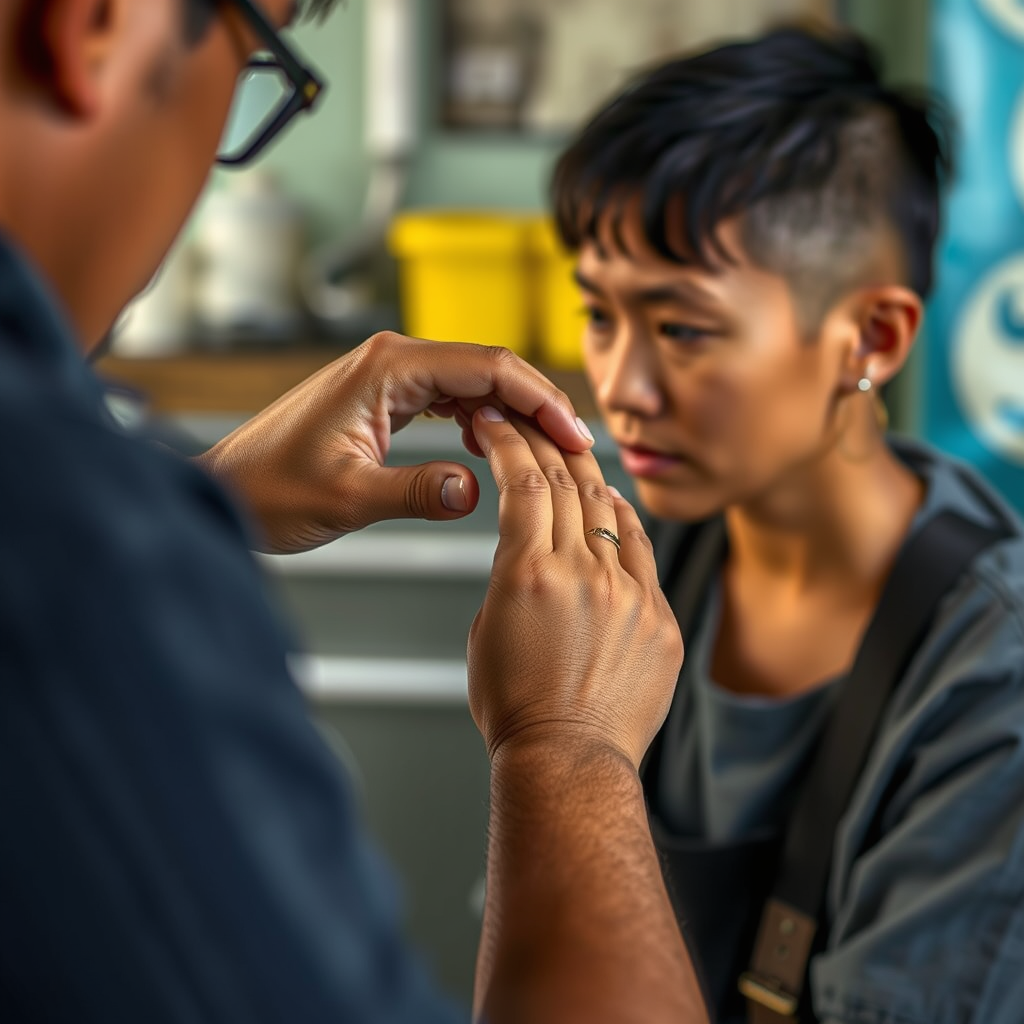
The healing time for a nose piercing usually ranges from 2 to 4 months, depending on various factors. The type of piercing technique employed by your professional piercer plays a crucial role; for instance, a well-executed piercing with a sterile needle generally heals more quickly than one done with a gun. Additionally, individual healing rates can vary widely; some people may heal in as little as 6 weeks, while others might take up to 6 months.
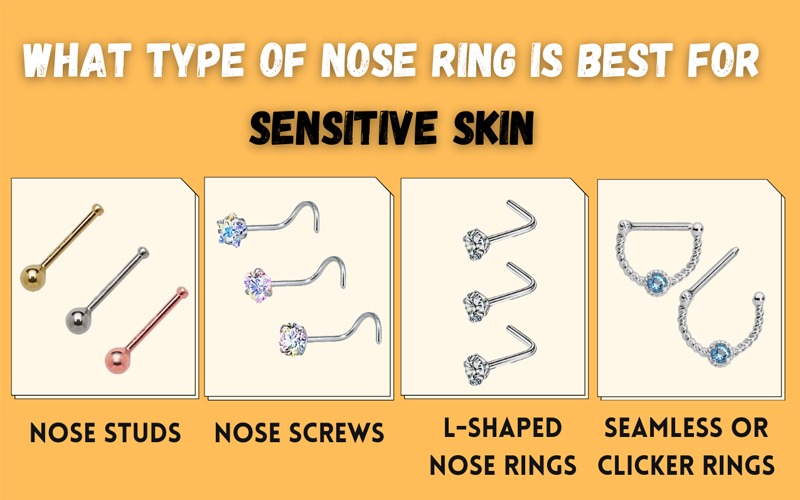
Another critical factor influencing healing duration is the material of the jewelry used. Hypoallergenic materials like surgical stainless steel, titanium, or gold are less likely to cause irritation and can promote faster healing. Conversely, jewelry made from nickel or non-sterile materials can lead to complications that prolong the healing process. Understanding these variables can help set realistic expectations for your healing journey.
Aftercare Essentials
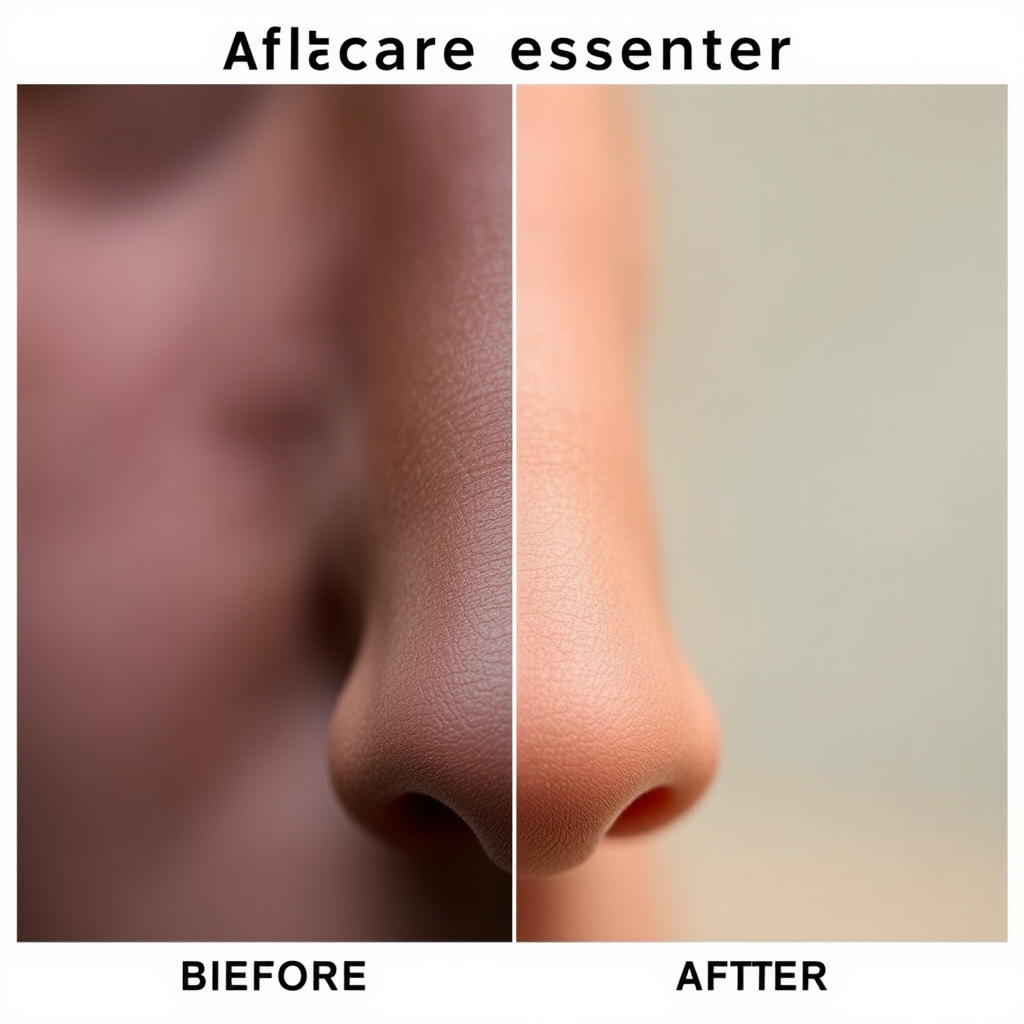
Avoid touching or twisting the nose ring, as this can introduce bacteria and irritate the piercing. If you need to adjust the ring, ensure your hands are thoroughly washed first. Additionally, refrain from using alcohol or hydrogen peroxide for cleaning, as these substances can dry out the skin and slow down the healing process. Remember, patience and consistency are key to successful aftercare.
Signs Your Nose Piercing is Healed
Knowing when your nose piercing has healed is essential before considering a change. One of the first signs of healing is the reduction of redness and swelling around the piercing site. Initially, some inflammation is normal, but if this persists beyond a few weeks or worsens, it may indicate an issue.
Another indicator is the absence of pain or tenderness. A fully healed piercing should feel comfortable and show no signs of sensitivity when touched. If you can gently move the jewelry without discomfort, it’s likely safe to consider changing your nose ring. Additionally, any discharge should be minimal and clear; excessive or colored discharge may be a sign of infection, requiring a professional evaluation.
Jewelry Materials and Their Impact
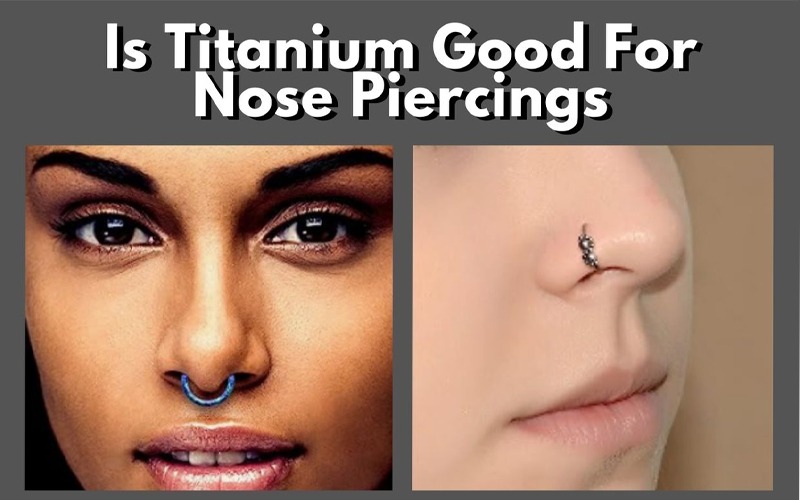
The material of your initial jewelry plays a significant role in the healing process. Materials such as surgical stainless steel and titanium are highly recommended due to their biocompatibility and resistance to corrosion. These materials are less likely to cause allergic reactions, which can hinder healing.
On the other hand, jewelry made from materials like brass, copper, or low-grade metals can cause irritation or an allergic response, leading to prolonged healing times. If you have a history of metal allergies, it’s wise to consult with your piercer about the best material options for your new nose ring. When selecting new jewelry, consider styles and materials that suit your lifestyle while prioritizing your skin’s health.
When to Consult a Professional
While many aspects of nose piercing care can be managed at home, there are times when a consultation with a professional is necessary. If you notice persistent signs of infection, such as increased redness, swelling, warmth, or unusual discharge, it’s crucial to seek help from a qualified piercer or healthcare provider. Early intervention can prevent further complications and ensure your piercing heals properly.
Additionally, if you are uncertain about the healing status of your piercing or have questions about changing your ring, don’t hesitate to consult a professional. A knowledgeable piercer can provide valuable insights and help determine the best course of action tailored to your situation.
Tips for Changing Your Nose Ring Safely
When it’s finally time to change your nose ring, taking precautions is essential to avoid complications. First and foremost, ensure that both your hands and the new jewelry are clean. Wash your hands thoroughly with soap and water, and consider using gloves if you’re particularly concerned about hygiene.
Using a mirror and good lighting is vital for visibility. This allows you to see what you are doing clearly and reduces the risk of mishaps during the change. If you experience resistance while changing the jewelry, do not force it, as this could lead to injury or irritation. Instead, seek advice from a professional if you encounter difficulties.
Common Mistakes to Avoid
One of the most common mistakes is changing the nose ring too early, which can lead to complications such as infection or the piercing closing up. Always adhere to the recommended healing timeline and listen to your body’s signals.
Another mistake is neglecting aftercare instructions, which can prolong healing times. Consistency in aftercare routines is crucial; skipping cleaning sessions or using harsh products can introduce bacteria and lead to irritation. Being proactive in following aftercare guidelines will help ensure your nose piercing heals correctly and efficiently.
Maintaining proper care and being aware of your body’s healing signals are key to knowing when to change your nose ring. Always prioritize safety and consult with professionals if you’re uncertain. By understanding the healing process, adhering to aftercare essentials, and knowing when to seek help, you can enjoy your new nose ring without complications. Ready to make the change? Follow these guidelines to ensure a smooth transition!
Frequently Asked Questions
How long should I wait before changing my nose ring for the first time?
It is generally recommended to wait at least 2 to 3 months before changing your nose ring for the first time. This timeframe allows your piercing to heal properly, reducing the risk of infection and ensuring that the hole is stable enough for a new piece of jewelry. Always consult with your piercer for personalized advice based on your healing progress.
What signs indicate that it’s safe to change my nose ring?
You can safely change your nose ring when the piercing is no longer red, swollen, or painful, and there’s no discharge or crusting around the area. Additionally, if you can easily move the jewelry without discomfort, it’s a good indication that the healing process is complete. However, if you experience any unusual symptoms, consult a professional before making any changes.
Why is it important to wait before changing a nose ring?
Waiting before changing your nose ring is crucial to avoid complications such as infection, irritation, or rejecting the jewelry. The tissue around a fresh piercing is delicate, and premature changes can disrupt the healing process, leading to painful side effects. Proper healing ensures a smooth transition to new jewelry and helps maintain the health of your piercing.
What is the best type of jewelry to use after changing my nose ring?
The best type of jewelry to use after changing your nose ring is made from hypoallergenic materials such as surgical stainless steel, titanium, or niobium. These materials reduce the risk of allergic reactions and irritation, especially in fresh piercings. Opt for a simple design, like a stud or hoop, that won’t put excessive pressure on the healing tissue.
Which factors can affect how long I need to wait to change my nose ring?
Several factors can influence how long you should wait to change your nose ring, including your body’s healing rate, the placement of the piercing, and your aftercare routine. Individual health conditions, such as diabetes or skin sensitivities, can also prolong healing times. Always listen to your body and consult your piercer for tailored advice based on your specific situation.
References
- Nose piercing
- https://www.ncbi.nlm.nih.gov/pmc/articles/PMC5631230/
- https://www.healthline.com/health/body-piercing-care
- https://www.mayoclinic.org/healthy-lifestyle/adult-health/in-depth/body-piercing/art-20045586
- https://www.verywellhealth.com/nose-piercing-care-5193377
- https://www.cdc.gov/nceh/ehs/docs/body_art.pdf