Leaving your nose ring out for a few hours to a few days is generally acceptable, but the exact timeframe can vary based on individual healing and the duration since you had the piercing. In this article, we’ll explore the consequences of removing your nose ring, how long you can safely leave it out, and tips for keeping your piercing healthy. Understanding the nuances of nose piercing care is essential to maintaining its integrity and your overall comfort.
Understanding Piercing Healing Times

Nose piercings typically take 4 to 6 months to fully heal, although this can vary based on individual factors such as skin type, aftercare practices, and overall health. In the initial weeks following the piercing, the body goes through several stages of healing, including inflammation and tissue remodeling. During this time, the piercing is particularly vulnerable. For instance, freshly pierced noses are more prone to closing up quickly when jewelry is removed, often leading to discomfort or complications if not managed properly.
The healing process can be influenced by external factors such as exposure to irritants, wearing non-hypoallergenic jewelry, and maintaining proper hygiene. It’s important to follow your piercer’s aftercare instructions closely to ensure the best healing results. This includes avoiding unnecessary contact with the piercing area and using suitable cleaning solutions.
How Long Can You Leave It Out?

For recently pierced noses (less than 6 months), it is advisable to avoid removing the ring for more than a few hours. If you must take it out, consider using a retainer—a clear or metal piece designed to keep the opening from closing while minimizing visibility. After the piercing has fully healed, typically around the 4 to 6 month mark, you can leave it out for several days without immediate risk of closure; however, it’s best to put it back in as soon as possible.
As a general rule of thumb, the longer you have had the piercing, the longer you can go without the jewelry. For instance, a nose piercing that has been in place for over a year might allow for a week or more without significant risk of closing. However, personal experiences can vary significantly, so it’s essential to gauge your own healing and comfort levels.
Risks of Leaving Your Nose Ring Out
Leaving the ring out for too long can lead to several complications, including the piercing closing up or becoming irritated. When the jewelry is removed, the body may begin to heal the perforation, leading to tissue growth that can close the hole. This is particularly true for newer piercings, where the skin is still in the process of healing.
Additionally, without the jewelry in place, the piercing is exposed to potential irritants, bacteria, and environmental factors that can increase the risk of infection. Symptoms such as redness, swelling, or discharge may arise if the piercing area is not adequately cared for during this time. Therefore, it is crucial to be mindful of the duration and circumstances under which you remove your nose ring.
Signs You Should Replace Your Nose Ring
Recognizing the signs that indicate it’s time to put your nose ring back in can help prevent complications. If you notice redness, swelling, or discharge, it’s a strong indication that the piercing is becoming irritated and the jewelry should be reinserted as soon as possible. Additionally, if you find that you can barely fit the jewelry back in, it’s a sign that the hole is closing, and immediate action is required to prevent further closure.
Other signs that may warrant the reinsertion of the nose ring include increased sensitivity or pain in the area. If any of these symptoms occur, it’s advisable to consult with your piercer or a healthcare professional to assess the situation and determine the best course of action.
Tips for Maintaining Your Nose Piercing
Proper maintenance of your nose piercing is crucial for its health and longevity. Here are several actionable tips to ensure your piercing remains in optimal condition:
1. Clean Regularly: Use a saline solution to clean your piercing regularly. This helps to prevent infection and promotes healing. A simple saline solution can be made by mixing 1/4 teaspoon of non-iodized sea salt with 8 ounces of distilled water.
2. Avoid Touching: Refrain from touching or playing with the piercing. This can introduce bacteria and irritants, leading to potential infections.
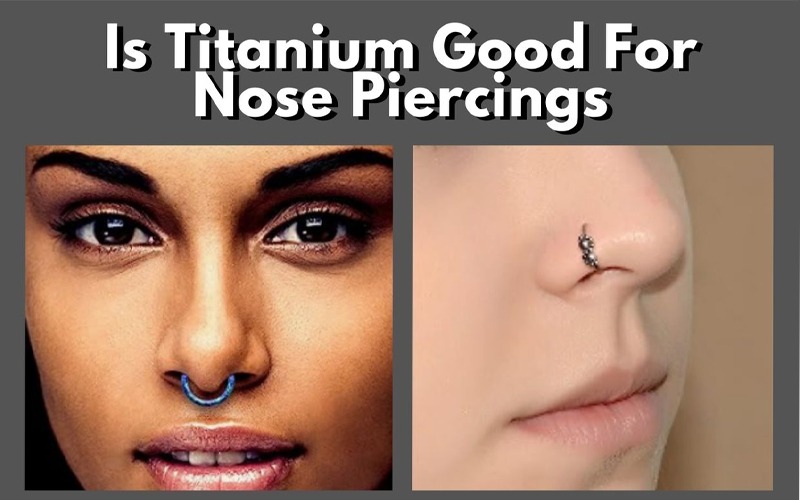
3. Use Hypoallergenic Jewelry: Opt for jewelry made from materials such as titanium, surgical stainless steel, or gold. These metals are less likely to cause allergic reactions or irritation compared to cheaper alternatives.
4. Avoid Swimming: Steer clear of swimming in pools, lakes, or oceans until your piercing has fully healed. Water can introduce bacteria and contaminants that increase the risk of infection.
5. Monitor for Changes: Keep an eye on your piercing for any changes or signs of infection. Early detection of issues can help you address them promptly.
By following these tips, you can maintain the health of your nose piercing and enjoy it for years to come.
When to Consult a Professional
If you experience persistent pain or signs of infection, such as increasing redness, swelling, or discharge, it is crucial to consult your piercer or a healthcare provider. They can provide personalized advice and treatment options based on your situation.
Additionally, if you are unsure about the health of your piercing or how to care for it, seeking professional advice is always a wise course of action. A professional can offer insights into any necessary adjustments in your aftercare routine or assess whether the jewelry needs to be changed.
Leaving your nose ring out can be manageable, but it’s crucial to be mindful of how long you do so to avoid complications. Always prioritize your piercing’s health and follow best practices for care. If you have further questions or need guidance, consider reaching out to a professional piercer for personalized advice. Taking these steps can ensure that your nose piercing remains a beautiful and healthy expression of your individuality.
Frequently Asked Questions
How long can I leave my nose ring out after getting it pierced?
After getting your nose pierced, it’s generally recommended to keep the nose ring in for at least 6 to 8 weeks to allow for proper healing. Removing the jewelry too soon can lead to the piercing closing or becoming irritated. If you must take it out, consider using a retainer or a small stud to prevent the hole from closing up.
What happens if I leave my nose ring out for too long?
If you leave your nose ring out for an extended period, especially within the initial healing phase, the piercing may begin to close up. Even after healing, prolonged absence of jewelry can lead to scar tissue formation, making it difficult to reinsert the ring. Thus, it’s best to put in a retainer or jewelry as soon as possible if you need to remove it.
How can I keep my nose piercing open if I need to remove the ring?
To keep your nose piercing open while removing the ring temporarily, you can use a clear retainer or a small piece of jewelry designed for this purpose. Silicone retainers are a popular option because they are flexible and comfortable. Applying a bit of saline solution to the piercing area can also help keep it clean and reduce irritation.
Why does my nose piercing feel irritated when I leave the ring out?
Irritation can occur when you leave your nose ring out due to exposure to bacteria and allergens, as well as potential dryness of the skin around the piercing. The absence of jewelry can also lead to the opening of the piercing becoming inflamed or infected, particularly if you touch the area frequently. Always ensure the area is clean and avoid touching it to minimize irritation.
What is the best type of jewelry to wear in a healed nose piercing?
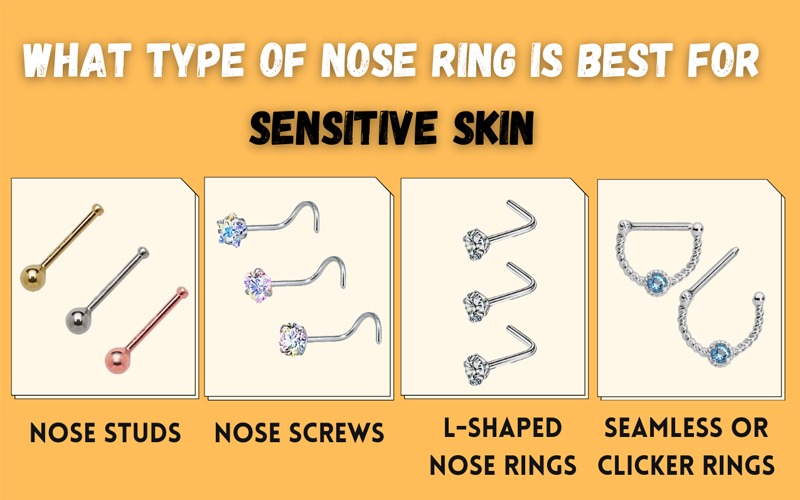
Once your nose piercing has healed, the best types of jewelry to wear include surgical stainless steel, titanium, or gold options that are hypoallergenic. These materials are less likely to cause allergic reactions and are durable for everyday wear. Consider styles like stud earrings, hoops, or L-shaped pins, depending on your personal style and comfort.
References
- https://www.ncbi.nlm.nih.gov/pmc/articles/PMC4007707/
- https://www.healthline.com/health/nose-piercing-care
- https://www.medicalnewstoday.com/articles/nose-piercing-care
- https://www.verywellhealth.com/nose-piercing-care-5190179
- https://www.mayoclinic.org/healthy-lifestyle/adult-health/expert-answers/nose-piercing/faq-20057688