Changing your nose ring too soon can lead to complications, while waiting too long can cause discomfort or irritation. Generally, it’s best to wait about 2 to 4 months before changing a newly pierced nose ring. This timeframe allows for adequate healing, minimizing the risk of infections and ensuring that your piercing is safe for jewelry swaps. In this article, we’ll explore the healing process, signs to look for, and tips for changing your nose ring safely.
Understanding the Healing Process

The average healing time for a nose piercing is typically between 2 to 4 months; however, this can vary significantly depending on several factors. Skin type plays a crucial role; for instance, oily skin may lead to increased irritation, while sensitive skin might take longer to heal. The placement of the piercing also affects healing; piercings located close to the nostril edge may be more prone to movement and irritation than those positioned further in. Additionally, the quality of aftercare can drastically influence how quickly a piercing heals. Proper hygiene, avoiding irritants, and following your piercer’s aftercare instructions are essential practices that can expedite the healing process.
Signs Your Nose Piercing is Healed
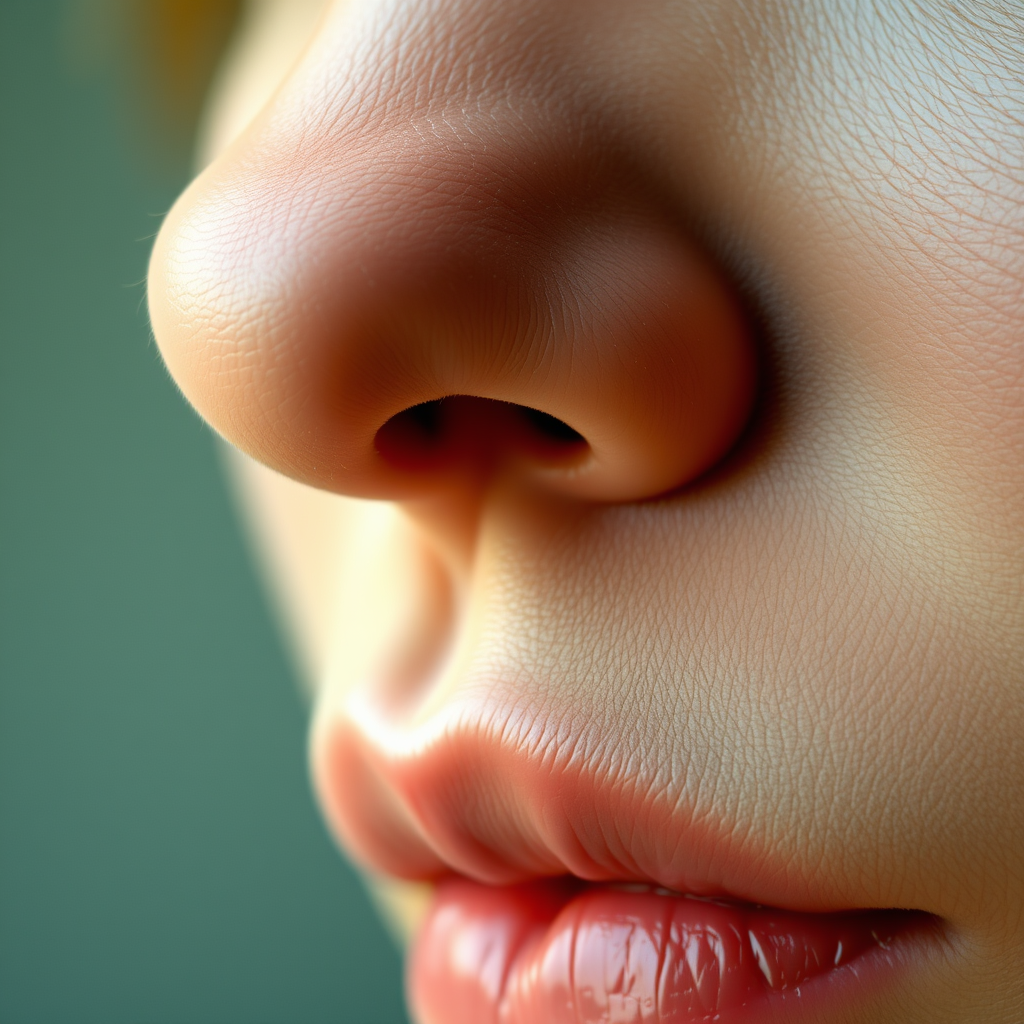
One of the most important aspects of changing your nose ring is recognizing when your piercing has fully healed. Minimal pain or irritation is an encouraging sign; if you can touch the area gently without discomfort, it’s likely ready for a change. Additionally, look for the absence of swelling, redness, and discharge, which are common indicators of a healthy piercing. A healed piercing will often present a clean, well-defined hole with no signs of inflammation. It’s important to note that while some individuals may heal faster than others, patience and careful observation are key to ensuring a healthy transition to new jewelry.
Risks of Changing Your Nose Ring Too Early
Changing the ring before the healing process is complete can lead to a host of complications. Infections are perhaps the most common risk; introducing new jewelry into an unhealed piercing can introduce bacteria and irritants, leading to inflammation and pus. Furthermore, a premature change in jewelry can result in scarring, which may alter the appearance of the piercing and potentially lead to keloids, an overgrowth of scar tissue that can be permanent. Prolonged discomfort is another risk; if you experience pain and irritation after changing your jewelry too soon, it may require additional time to heal or even professional intervention to rectify the issue.
Aftercare Tips for a Healthy Piercing
Maintaining a consistent aftercare routine is critical to ensuring your nose piercing heals properly. Clean the area regularly with a saline solution or an antiseptic recommended by your piercer, as this will help prevent infections and promote healing. It’s advisable to clean the piercing at least twice a day, particularly in the initial weeks following the piercing. Additionally, avoid touching or twisting the ring, as this can introduce unwanted bacteria and lead to irritation. If you wear makeup, be cautious to keep it away from the piercing to avoid clogging the area with products that may cause an allergic reaction or infection.
Choosing the Right Nose Ring
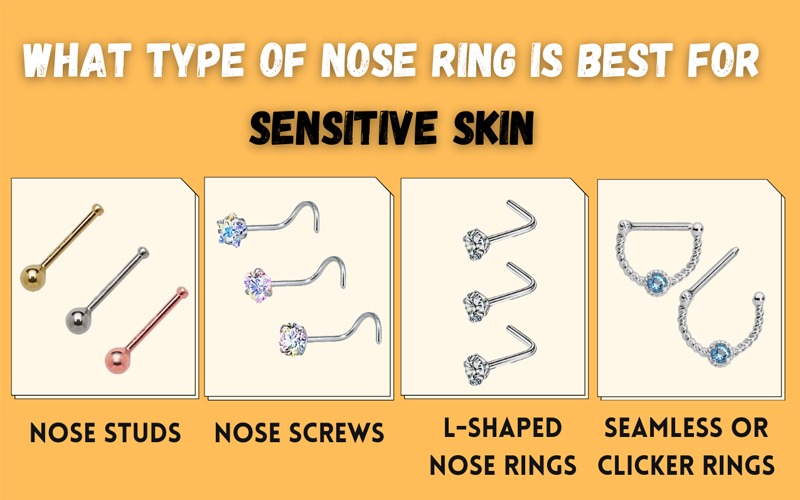
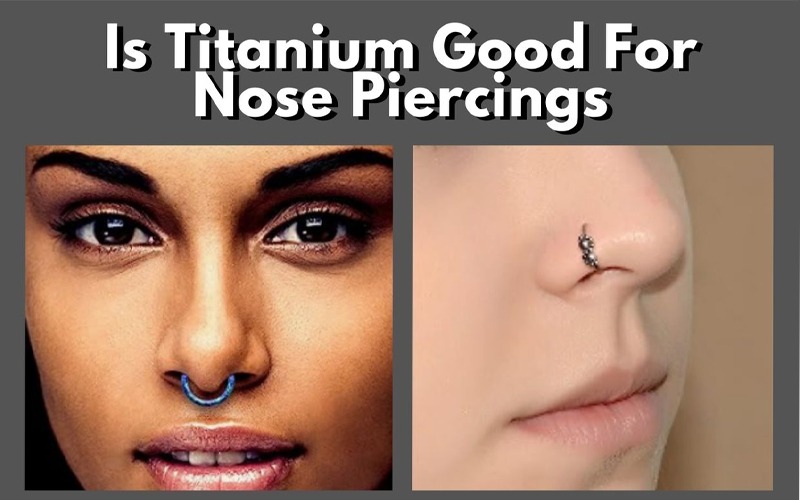
When the time comes to change your nose ring, selecting the right material is essential to minimize the risk of allergic reactions or irritation. Opt for high-quality materials such as titanium or surgical steel, which are hypoallergenic and less likely to cause adverse reactions. Additionally, consider the size and style that will suit your healed piercing; while fashion is important, ensure that the new ring is not too heavy or large, as this can lead to discomfort and additional strain on the piercing. Ultimately, choosing jewelry that complements your style while prioritizing your health will ensure a successful transition.
When to Seek Professional Help
If you notice persistent pain, excessive swelling, or unusual discharge from your nose piercing, it’s crucial to consult a professional piercer or healthcare provider. These symptoms could indicate an infection or other complications that require immediate attention. Regular check-ups with your piercer can also ensure that your piercing is healing correctly and that any potential issues are addressed promptly. Remember, it’s always better to be safe than sorry; if you’re unsure about the status of your piercing, professional guidance is invaluable.
Changing Your Nose Ring: Step-by-Step
When you feel confident that your piercing is healed and you’re ready to change your nose ring, follow these steps for a safe and effective process. Start by thoroughly cleaning your hands and the area around the piercing with soap and water or an antiseptic. Next, sanitize the existing ring and the new one using a reliable antiseptic solution to prevent introducing bacteria. Carefully remove the old ring, ensuring not to apply excessive pressure or force, and insert the new ring gently. Once in place, give the area a gentle clean again to ensure everything is sterile. After changing your nose ring, monitor the piercing closely for any signs of irritation or infection.
Changing your nose ring can be an exciting yet careful process. Always prioritize your health and safety by waiting until your piercing is fully healed and following proper aftercare techniques. If you’re unsure, reach out to your piercer for personalized advice. By understanding the healing process and recognizing the signs of a healthy piercing, you can enjoy your new jewelry without compromising your well-being.
Frequently Asked Questions
How soon can I change my nose ring after getting it pierced?
It is generally recommended to wait at least 2 to 3 months before changing your nose ring. This timeframe allows the piercing to fully heal, reducing the risk of infection or irritation. However, healing times can vary based on individual skin types and aftercare practices, so it’s essential to listen to your body and consult your piercer if you have concerns.
What signs indicate that I can safely change my nose ring?
You can safely change your nose ring when the piercing is no longer red, swollen, or painful, and no discharge is present. Additionally, the skin around the piercing should feel smooth and healthy. If you notice any persistent irritation or signs of infection, it’s best to wait longer before attempting to change the jewelry.
Why is it important to wait to change my nose ring?
Waiting to change your nose ring is crucial to ensure proper healing and avoid complications. Changing the jewelry too soon can lead to additional trauma, increase the risk of infection, and prolong the healing process. Your nose piercing needs time to properly close around the jewelry, which helps prevent scarring and other issues.
What is the best type of nose ring to use during the healing process?
The best type of nose ring to use during the healing process is a small, solid metal stud made of surgical stainless steel, titanium, or gold. These materials are less likely to cause allergic reactions and are more biocompatible, which aids in healing. Avoid using hoops or larger decorative pieces until the piercing has fully healed.
Which aftercare practices help in the healing process of a nose piercing?
Effective aftercare practices for a nose piercing include cleaning the area with saline solution or an antiseptic recommended by your piercer, avoiding touching the piercing with unwashed hands, and steering clear of swimming pools, hot tubs, and excessive sun exposure. Additionally, maintaining a healthy diet and staying hydrated can promote faster healing and minimize irritation.
References
- https://www.ncbi.nlm.nih.gov/pmc/articles/PMC6518063/
- https://www.healthline.com/health/piercing-aftercare
- https://www.medicalnewstoday.com/articles/nose-piercing-care
- Fainting during urination (micturition syncope): What causes it? – Mayo Clinic
- https://www.webmd.com/beauty/what-to-know-about-nose-piercings
- https://www.verywellhealth.com/nose-piercing-aftercare-5197858