Wearing a nose ring can be a stylish and expressive choice that enhances your look, but knowing how to wear it properly is key to making a statement. This guide will provide you with essential insights into the different types of nose rings, tips for selecting the right style for your face shape and occasion, detailed instructions on how to insert a nose ring, and advice on caring for and styling your new accessory.
Understanding Nose Ring Types

Hoops vs. Studs
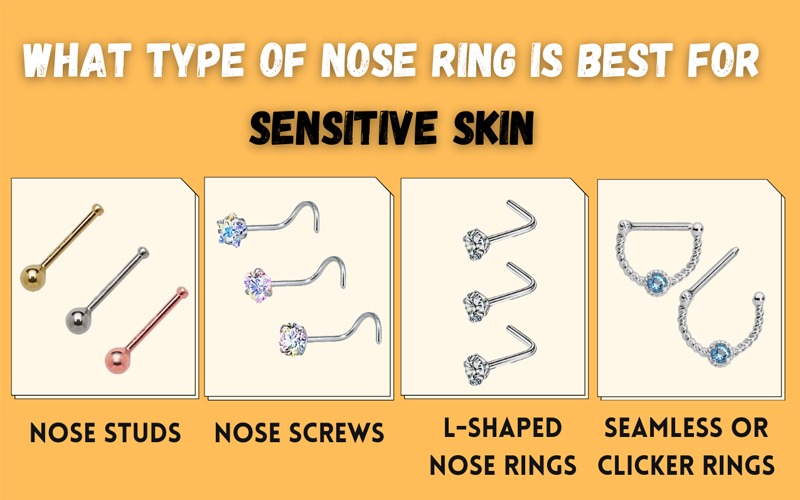
When it comes to nose rings, the two primary styles are hoops and studs, each offering distinct aesthetics and versatility. Hoop nose rings, which come in various sizes and designs, can create a bold statement, drawing attention to your face and enhancing the overall look. They often suit those with rounder face shapes, as they can elongate the features. On the other hand, stud nose rings are understated yet elegant, making them ideal for both everyday wear and formal occasions. They sit flush against the nostril, providing a subtle touch of flair. Choosing between these two styles largely depends on your personal style and the impression you wish to convey.
Materials Matter
The material of your nose ring is crucial not only for aesthetics but also for your comfort and skin sensitivity. Common materials include surgical stainless steel, which is hypoallergenic and a great choice for initial piercings; gold, which offers a touch of luxury but may irritate sensitive skin if not pure; and plastic or acrylic options, often used for fashion or temporary piercings. When selecting a material, consider your skin type—individuals with sensitive skin may prefer hypoallergenic options to avoid rashes or infections.
Choosing the Right Style for You
Face Shape Considerations
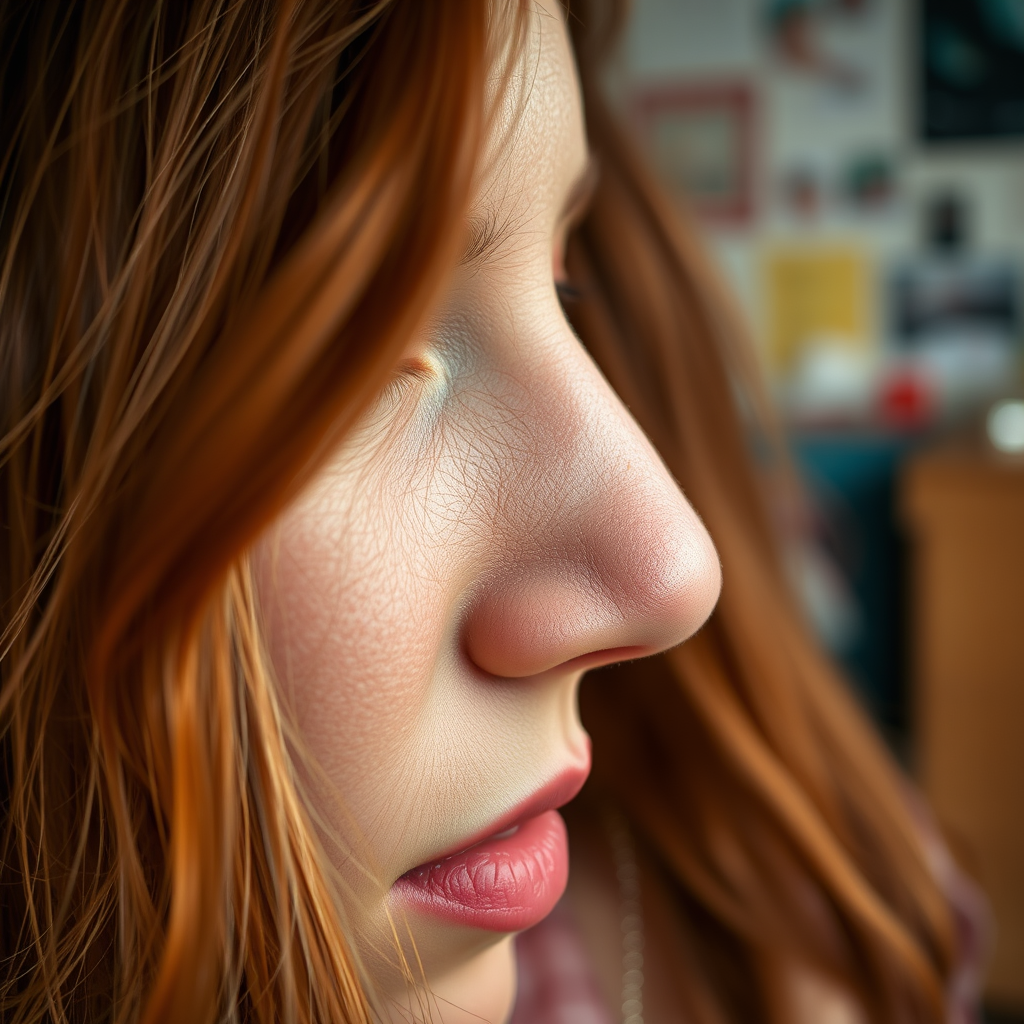
Selecting the right nose ring style goes beyond personal preference; it also involves understanding how different styles complement your face shape. For instance, individuals with oval faces can experiment with both hoops and studs, as most styles will suit them. In contrast, those with square faces might find that circular hoops soften angular features, while teardrop-shaped or curved studs can add elegance. Round faces may benefit from elongated hoops that add height, whereas heart-shaped faces often look stunning with stud earrings that draw attention to the center of the face.
Occasion Appropriateness
Different occasions call for varying styles of nose rings. For casual outings, a simple stud may suffice, allowing for easy wear and versatility. When attending formal events, consider opting for a more sophisticated hoop or a decorative stud embellished with gemstones. Work environments may dictate more conservative choices, while festivals or parties provide a perfect opportunity to experiment with colorful or elaborate designs. Always consider the setting to ensure your choice aligns with the occasion’s vibe.
How to Properly Insert a Nose Ring
Preparation Steps
Proper insertion of a nose ring is essential for preventing infections and ensuring a comfortable fit. Start by washing your hands thoroughly with soap and water to eliminate any bacteria. Next, clean the nose area with an antiseptic solution to ensure the piercing site is sanitized. It’s also advisable to clean the nose ring using rubbing alcohol or a similar disinfectant before insertion.
Techniques for Insertion
Inserting a nose ring can be a straightforward process if done correctly. Begin by holding your nostril gently while positioning the nose ring at the piercing. If using a screw-type stud, align it correctly with the hole, and gently push it through. For hoops, ensure the circular end aligns with the piercing before gently pushing it through. After insertion, secure the backing if applicable and avoid twisting or pulling on the ring, as this can cause irritation. If you experience significant discomfort, remove the jewelry and consult a professional piercer.
Caring for Your Nose Ring
Cleaning Tips
Maintaining hygiene is crucial for preventing infections and promoting healing. Clean your nose ring at least twice a week with saline solution or a gentle antibacterial soap. Avoid using harsh chemicals or alcohol-based products, as they can irritate the piercing. Make it a point to avoid touching your nose ring frequently, as this increases the risk of transferring bacteria from your hands to the piercing.
Signs of Trouble
Awareness of potential complications is vital. Common signs of infection include redness, swelling, unusual discharge, or persistent pain around the piercing. If you notice any of these symptoms, it is imperative to consult a healthcare professional for guidance. Allergic reactions may manifest as bumps or rashes, indicating that the material of your nose ring may not be suitable for your skin type.
Styling Your Nose Ring
Outfit Pairing
A nose ring can be a statement piece that ties your entire outfit together. When styling, consider the color palette and overall vibe of your attire. For example, if you’re wearing a casual denim jacket, a simple gold stud can add a subtle touch without clashing. Conversely, if you’re donning a vibrant dress, a bright hoop can enhance your look by adding a playful element. Always aim for cohesion, ensuring your nose ring complements rather than competes with your outfit.
Layering with Other Accessories
Layering your nose ring with other jewelry can elevate your style. For instance, pairing a hoop with delicate earrings or stacking rings can create a visually appealing bohemian look. However, it’s essential to maintain balance; if your nose ring is particularly bold, opt for understated accessories elsewhere. Conversely, if you’re wearing minimal jewelry, a striking nose ring can serve as a focal point.
Troubleshooting Common Issues
Pain or Discomfort
Experiencing pain or discomfort when wearing a nose ring is not uncommon, especially immediately after piercing. To alleviate discomfort, consider using a saline solution to keep the area clean and promote healing. If pain persists, check for signs of irritation and consider switching to a hypoallergenic material. Consulting a professional piercer or healthcare provider is advisable if discomfort continues.
Changing Your Nose Ring
Changing your nose ring too soon can lead to complications. It’s recommended to wait at least six to eight weeks after the initial piercing before changing to a different style. When ready to change, ensure your hands and the new jewelry are clean. Gently remove the old ring, and without twisting, insert the new one in a straightforward motion to minimize discomfort.
Wearing a nose ring can be an exciting way to express your individuality, but it’s important to choose the right style and maintain proper care. By following these guidelines, you can confidently rock your nose ring while ensuring your piercing remains healthy. Ready to find your perfect nose ring? Start exploring styles that resonate with you today!
Frequently Asked Questions
What are the different types of nose rings I can wear?
There are several popular types of nose rings, including studs, hoops, and septum rings. Nose studs are typically small, discreet, and come in various materials like gold, silver, and titanium, making them ideal for everyday wear. Hoops can range from small, tight-fitting rings to larger, more eye-catching designs, while septum rings, worn through the nasal septum, offer a bolder statement. Choosing the right type depends on your personal style, comfort, and the placement of your piercing.
How do I choose the right size nose ring for my piercing?
When selecting a nose ring, it’s essential to consider both gauge and diameter. The gauge refers to the thickness of the jewelry, with common sizes being 20g to 22g for nostril piercings. The diameter varies based on the type of ring; for hoops, a smaller diameter is better for snug fits, while larger hoops can create a relaxed look. If you’re unsure, consulting with a professional piercer can help you find the perfect size that suits your anatomy and style.
Why does my nose ring keep falling out, and how can I prevent this?
If your nose ring is falling out frequently, it might be due to an incorrect size or gauge, or the jewelry may not be properly secured. To prevent this, ensure that your nose ring fits snugly in the piercing without being too tight, as this can cause discomfort. Additionally, consider using a nose ring with a secure backing or closure mechanism, such as a screw-on or clicker design, which can provide added security against accidental loss.
What should I do if my nose ring gets infected?
If you suspect your nose ring is infected, signs may include redness, swelling, pain, or discharge. It’s crucial to clean the area gently with saline solution or a mild saline rinse and avoid touching or changing the jewelry until the infection is treated. If symptoms persist or worsen, consult a healthcare professional or a reputable piercer for further advice and potential treatment options to ensure proper healing and prevent complications.
Which materials are best for nose rings to avoid allergic reactions?
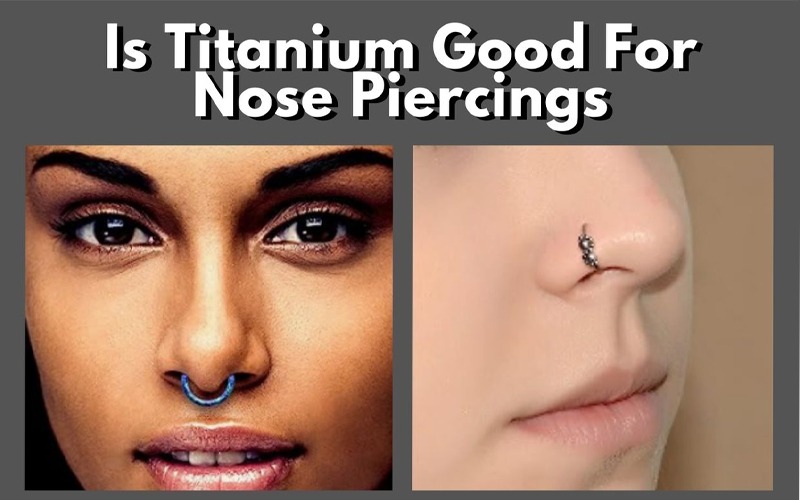
The best materials for nose rings that minimize the risk of allergic reactions include surgical stainless steel, titanium, and niobium. These materials are hypoallergenic and safe for most skin types, reducing the likelihood of irritation or allergy. Avoid inexpensive jewelry made from metals like nickel, which can cause allergic reactions in some individuals. Always choose high-quality jewelry, especially for initial piercings, to ensure comfort and safety.