Nose rings can often symbolize sexual openness and desire, encapsulating a blend of cultural significance, personal expression, and psychological factors. This article delves into the multifaceted interpretations of nose rings within a sexual context, illuminating how they resonate with various individual and societal narratives.
Cultural Interpretations of Nose Rings

In many cultures, nose rings have historically been regarded as powerful symbols of femininity and fertility. For instance, in certain parts of India, the nose ring (or “nath”) is traditionally worn by married women as a sign of marital status, serving as a cultural marker that indicates both a woman’s social standing and her role within the family. This adornment is not merely decorative; it can also signify readiness for motherhood, embodying a connection to femininity that extends beyond the physical.
Moreover, in Middle Eastern and African cultures, nose rings can represent wealth and social status. In some communities, they are worn as a form of cultural pride and identity, where the choice to wear a nose ring aligns with long-established traditions. As such, the cultural implications of nose rings can encompass themes of sexuality, fertility, and identity, showcasing their intricate roles across various societies.
Personal Expression and Sexual Identity

The decision to wear a nose ring can reflect an individual’s sexual openness or adventurous nature. For many, this body art serves as a bold statement of personal identity, allowing wearers to express their sexual preferences and align them with their external appearance. This form of self-expression can be particularly empowering for those within the LGBTQ+ community, where body modifications often serve as a reclamation of identity and a celebration of sexual freedom.
In a more general sense, the act of adorning oneself with a nose ring can symbolize a break from societal norms, promoting a narrative of nonconformity that resonates with a person’s sexual identity. This choice can be seen as an invitation to explore one’s sexuality more freely, creating an aura of intrigue and allure that can attract potential partners.
Historical Context of Nose Rings
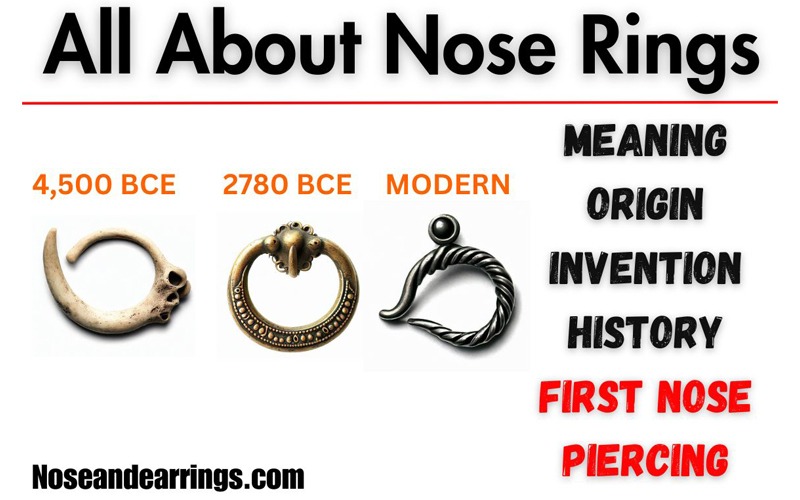
Nose rings have an extensive historical background that spans thousands of years and various cultures. They are believed to have originated in the Middle East, with references to nose rings found in ancient texts, including those from the Bible. In many historical contexts, wearing a nose ring was linked to social status and rebellion against societal norms, particularly during periods of upheaval and change.
During the 1960s and 1970s, the resurgence of body modifications, including nose rings, became synonymous with the counterculture movement. This period marked a significant shift towards sexual liberation and personal autonomy, where traditional values were challenged, and individuality was celebrated. In this context, the nose ring became a symbol of rebellion, aligning itself with broader themes of freedom and self-exploration.
The Psychological Aspects of Wearing a Nose Ring
The psychology behind the choice to wear a nose ring can reveal much about an individual’s relationship with their sexuality. Research suggests that body piercings, including nose rings, are often linked to a desire for intimacy and connection. Individuals who choose to modify their bodies may do so as a way to enhance their self-image and express their inner selves, often correlating with increased confidence in their sexual identities.
Moreover, psychological studies indicate that individuals with body piercings may be more open to exploring their sexuality, suggesting a correlation between body modifications and sexual adventurousness. This openness can facilitate deeper connections with partners, as the act of wearing noticeable body art can serve as a conversation starter and a means of expressing one’s sexual persona.
Nose Rings in Modern Sexual Culture
In contemporary society, nose rings are frequently perceived as fashionable and can attract attention in both social and sexual contexts. The resurgence of interest in piercings and body art has led to a broader acceptance of diverse expressions of beauty, where nose rings are seen as trendy accessories that enhance one’s attractiveness.
Furthermore, celebrities and influencers often sport nose rings, contributing to their popularity and associated meanings. This visibility can influence cultural perceptions, as many individuals now view nose rings as a sign of confidence and individuality, rather than merely a rebellious gesture. In this way, the modern interpretation of nose rings often intersects with themes of empowerment and sexual liberation, reinforcing their role as symbols of personal authenticity.
Misconceptions Surrounding Nose Rings
Despite their rich meanings, there are prevalent misconceptions that equate nose rings with promiscuity or a lack of seriousness. Such stereotypes can be misleading and fail to capture the personal motivations behind wearing a nose ring. Many individuals choose this body modification as a form of self-expression or cultural identity rather than a reflection of their sexual behavior.
By understanding the diverse reasons people wear nose rings—whether for cultural significance, personal style, or a celebration of sexuality—we can dispel these myths and appreciate the depth of meaning behind this form of body art. Engaging in conversations about body modifications can also help challenge societal stereotypes, fostering a more inclusive understanding of personal expression.
Practical Considerations for Getting a Nose Ring
For those considering getting a nose ring, several practical factors should be taken into account. It is crucial to select a reputable piercer who adheres to safety and hygiene standards to minimize the risk of infection or complications. Furthermore, understanding the aftercare required for maintaining a nose ring is essential to ensure proper healing and longevity.
Before making the decision, individuals should reflect on the personal significance of a nose ring and its potential impact on their sexual expression. This includes considering how it may affect their professional life, social interactions, and personal relationships. Engaging in thoughtful reflection can lead to a more meaningful choice, aligning one’s personal values with their outward expression.
The meanings behind nose rings can vary widely based on cultural, personal, and historical contexts. While they can symbolize sexual openness or creativity, it’s important to recognize that each individual’s choice is unique. If you’re curious about expressing your sexuality through body art, consider exploring the significance of a nose ring further or consult with others who share similar interests. Ultimately, the decision to wear a nose ring should be a personal one, reflecting one’s identity and beliefs while celebrating the multifaceted nature of sexual expression.
Frequently Asked Questions
What does wearing a nose ring signify about someone’s sexual orientation or preferences?
A nose ring does not directly signify someone’s sexual orientation or preferences; rather, it can reflect personal style, cultural background, or rebelliousness. While some people associate nose rings with certain subcultures that may embrace alternative sexual expressions, it is essential to remember that jewelry choices are highly individual and can vary widely in meaning from person to person.
How can a nose ring be interpreted in terms of sexual symbolism?
In some cultures, a nose ring is seen as a symbol of sexuality and femininity, often linked to ideas of sensuality and allure. Historically, in certain regions, nose rings were worn as a sign of marital status or fertility, which can also carry sexual connotations. However, interpretations can vary greatly based on context and personal beliefs, so it is crucial not to assume universal meanings.
Why do people associate nose rings with sexual freedom or rebellion?
The association of nose rings with sexual freedom or rebellion often stems from their popularity within alternative and counterculture movements. These groups tend to challenge conventional norms and express individuality, which can include a more open approach to sexuality. As a result, nose rings may symbolize a break from traditional values and a celebration of personal expression and sexual liberation.
Which types of nose rings are considered more sexually suggestive?
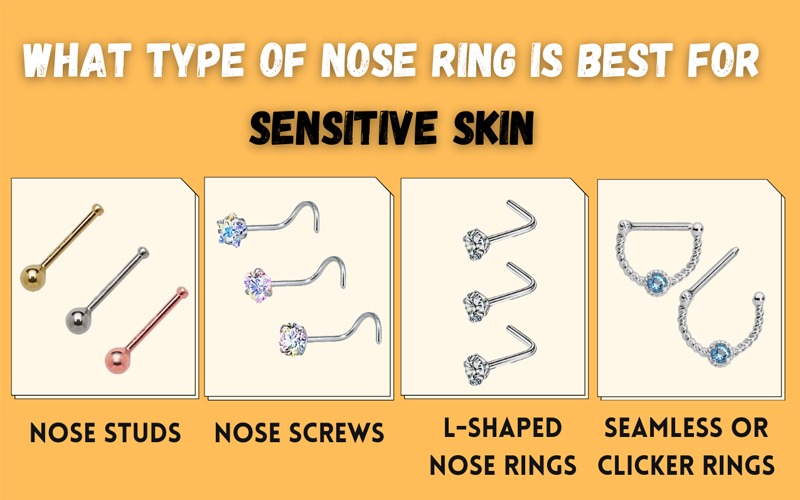
Certain styles of nose rings, such as septum rings or those adorned with charms, may be perceived as more sexually suggestive due to their positioning and decorative elements. These designs can draw attention to the face and enhance the allure of the wearer, potentially evoking a more daring or adventurous aesthetic. Ultimately, the interpretation of these styles can be subjective, depending on cultural and individual perspectives.
What should I consider before getting a nose ring related to sexual implications?
Before getting a nose ring, it’s essential to consider the cultural significance and personal meaning you want to convey. Think about how a nose ring might affect your image in both social and professional settings, especially if you are concerned about potential sexual implications. Understanding the diverse interpretations of nose rings can help you choose a style that aligns with your identity and values without unintended connotations.
References
- Nose ring
- https://www.psychologytoday.com/us/blog/the-meaning-relationships/202108/the-psychology-piercings
- https://www.ncbi.nlm.nih.gov/pmc/articles/PMC5585837/
- https://www.bbc.com/culture/article/20190404-how-body-piercings-challenge-societal-norms
- https://www.theguardian.com/lifeandstyle/2015/mar/30/nose-piercing-an-exploration-of-its-history-and-meaning
- https://www.healthline.com/health/nose-piercing#cultural-significance
- https://www.huffpost.com/entry/nose-piercings-meanings_n_5a62ed96e4b0d9e5a81c8c01