Choosing the right gauge for your nose ring is crucial for ensuring both comfort and style. Typically, a 20-gauge nose ring is recommended for new piercings as it strikes a balance between ease of healing and wearability. For those seeking a more durable option, an 18-gauge may be preferable. This article delves into the various gauges available, their specific benefits, and how to make an informed choice tailored to your individual needs.
Understanding Nose Ring Gauges

Nose rings are available in a range of gauges, usually spanning from 20 to 14-gauge, with 20-gauge being the thinnest option. The gauge system is a standard measurement in body jewelry, where the gauge number inversely correlates with thickness—the lower the number, the thicker the jewelry. For instance, while a 20-gauge nose ring has a diameter of approximately 0.8 mm, an 18-gauge ring measures about 1.0 mm. Understanding this system is vital for selecting jewelry that not only fits your piercing but also aligns with your comfort level and aesthetic preferences.
Recommended Gauges for New Piercings
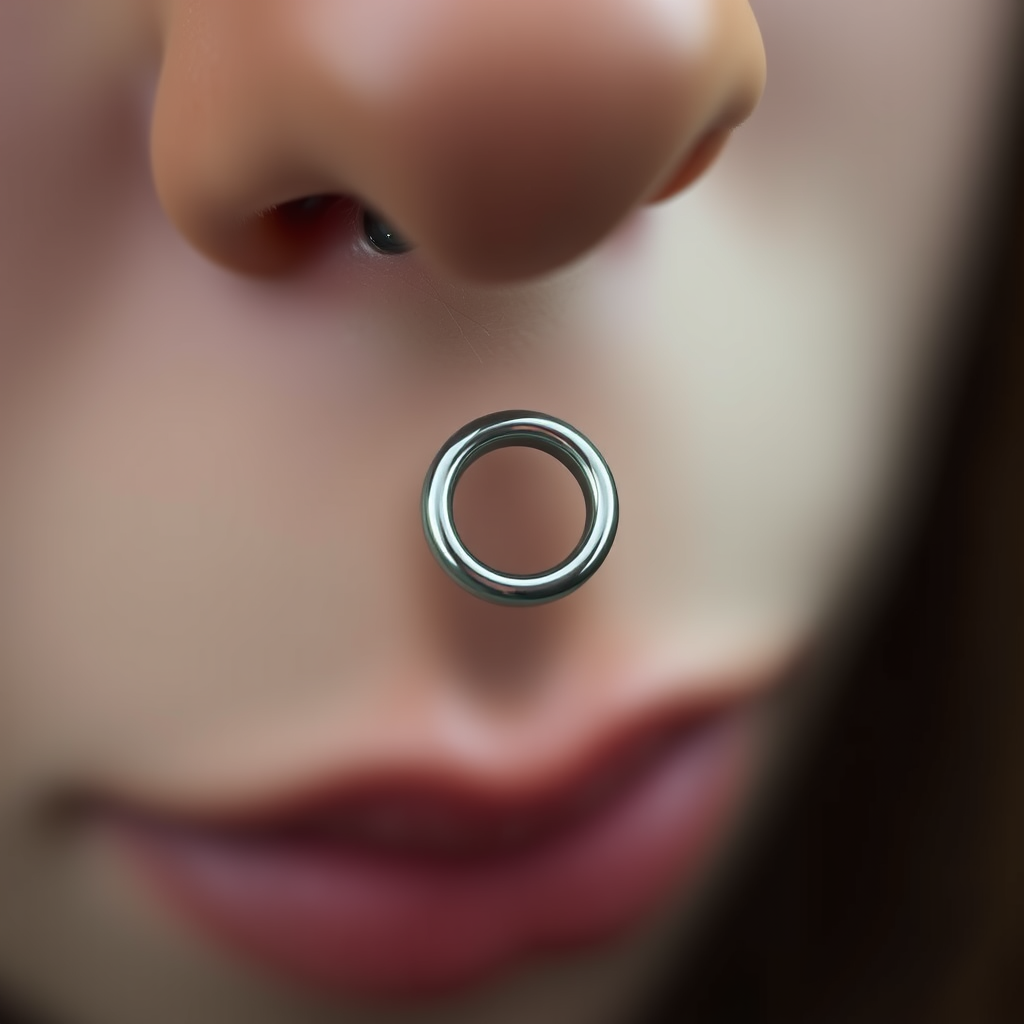
For individuals getting their noses pierced for the first time, a 20-gauge is generally the standard recommendation. This gauge provides a comfortable fit while allowing the piercing to heal properly. The thinner diameter minimizes irritation during the healing process, which typically lasts between 4 to 6 weeks, depending on individual factors such as skin type and aftercare.
Alternatively, an 18-gauge is an excellent choice for those who prefer a sturdier option. It offers a bit more strength and durability without significantly compromising comfort. This gauge is particularly suitable for individuals who lead active lifestyles or those who may be more prone to accidentally bumping their piercings. Ultimately, the choice between these two gauges should align with your comfort levels and lifestyle considerations.
Factors to Consider When Choosing a Gauge
When selecting the appropriate gauge for your nose ring, several factors should be taken into account. Personal comfort is paramount; some individuals may find that thicker rings exacerbate irritation during the healing phase. If you have sensitive skin or have experienced issues with piercings in the past, opting for a 20-gauge could be the safer choice.
Jewelry material is another critical consideration. Common materials include surgical steel, titanium, and gold, each of which can influence how your body responds to the piercing. For example, titanium is hypoallergenic and often recommended for those with metal sensitivities. The material you choose can also affect the overall weight of the jewelry, which may impact your comfort level with thicker gauges.
Transitioning to a Different Gauge
If you’re contemplating a switch from a 20-gauge to an 18-gauge, it is advisable to consult with a professional piercer. A professional can assess your healing progress and determine whether your piercing is ready for a gauge change. Gradual transitions are generally recommended to minimize discomfort and prevent complications such as tearing or infection.
For those considering downsizing from an 18-gauge to a 20-gauge, it is equally important to seek professional advice. Changing gauges too soon can lead to issues with your piercing, including irritation or even rejection of the jewelry. Patience and proper aftercare are essential during this process.
Style and Aesthetic Preferences
Your personal style plays a significant role in selecting the right gauge for your nose ring. Thicker rings, such as those in the 18-gauge range, can make a bolder fashion statement, while thinner options like the 20-gauge tend to convey a more delicate aesthetic. When considering thickness, think about how the jewelry will complement your overall look and wardrobe.
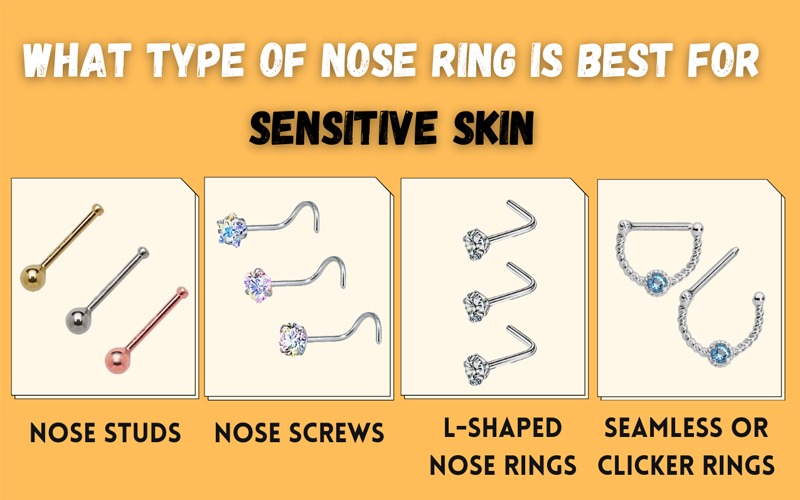
In addition to gauge, the style of the jewelry is also important. Nose rings come in various styles, including studs, hoops, and even decorative options adorned with gemstones. Exploring different designs can help you find the perfect piece that aligns with your personal style while also considering the practicality of your chosen gauge.
Aftercare Tips for Your Nose Piercing
Regardless of the gauge you choose, proper aftercare is essential to ensure a healthy healing process. Regular cleaning of your piercing is vital to prevent infection, which can be exacerbated by the choice of gauge. A saline solution or a specialized piercing aftercare spray is often recommended for cleaning.
It is also crucial to resist the temptation to change the jewelry too soon. Allowing ample time for your piercing to heal—typically at least six to eight weeks—will help ensure that your body adjusts properly to the jewelry. Consult your piercer for specific aftercare instructions tailored to your individual needs and gauge selection.
Choosing the right gauge for your nose ring is a significant decision that affects both comfort and style. With options ranging from 20 to 18-gauge, it is essential to consider personal comfort, jewelry material, and aesthetic preferences. Always consult a professional piercer for advice tailored to your specific situation, and remember to prioritize aftercare for a successful healing process. Taking the time to make an informed decision will ultimately enhance your experience and satisfaction with your nose piercing.
Frequently Asked Questions
What gauge nose ring should I get for my piercing?
The most common gauge for nose rings is 18-gauge (1.0 mm), which is suitable for most standard piercings. If your piercing was done with a different gauge, such as 20-gauge (0.8 mm) or 16-gauge (1.2 mm), you should stick to that gauge to ensure a proper fit and minimize healing complications. Always consult with your piercer to confirm the appropriate gauge for your specific piercing.
How do I choose the right size nose ring?
To choose the right size nose ring, measure the diameter of your nostril and consider the style you prefer, whether it’s a stud, hoop, or septum ring. For studs, the post length is also important; it should be long enough to accommodate any swelling but not so long that it sticks out excessively. If you’re unsure, consult with a professional piercer for personalized recommendations based on your anatomy.
Why does the gauge of a nose ring matter?
The gauge of a nose ring is crucial because it affects the comfort and healing process of your piercing. A gauge that is too large can cause pain and irritation, while one that is too small may not fit properly, leading to potential infections or complications. Selecting the correct gauge ensures that the jewelry sits comfortably in the piercing, allowing for optimal healing.
What is the best material for nose rings in terms of gauge?
The best materials for nose rings, especially in the 18-gauge category, include surgical stainless steel, titanium, and gold (14k or 18k). These materials are hypoallergenic and tend to minimize the risk of irritation or allergic reactions during the healing process. Avoid using cheap materials, such as nickel, as they can provoke adverse reactions and prolong healing times.
Which nose ring styles are available in different gauges?
Nose rings come in various styles that are available in different gauges, including studs, hoops, and septum rings. Standard studs are often found in 18-gauge, while some hoops may be available in both 20-gauge and 18-gauge sizes. It’s important to check the specifications of each style to ensure you select the right gauge for your needs and preferences, enhancing both aesthetic appeal and comfort.
References
- Body piercing
- https://www.ncbi.nlm.nih.gov/pmc/articles/PMC5752615/
- https://www.healthline.com/health/body-piercing-guide
- https://www.aaaai.org/conditions-and-treatments/library/allergy-library/piercings-and-allergies
- https://www.medicalnewstoday.com/articles/nose-piercing-guide
- www.thepiercinglife.com – Coming Soon
- https://www.mayoclinic.org/healthy-lifestyle/adult-health/in-depth/body-piercings/art-20044536