Having a ring in your nose often signifies various meanings depending on cultural, social, and personal contexts. It can represent individuality, cultural heritage, or even rebellion. This body modification has a rich history and diverse interpretations that reflect the wearer’s identity and values. In this article, we will explore the different interpretations and significances behind nose rings, helping you understand what this popular body modification truly represents.
Cultural Significance of Nose Rings
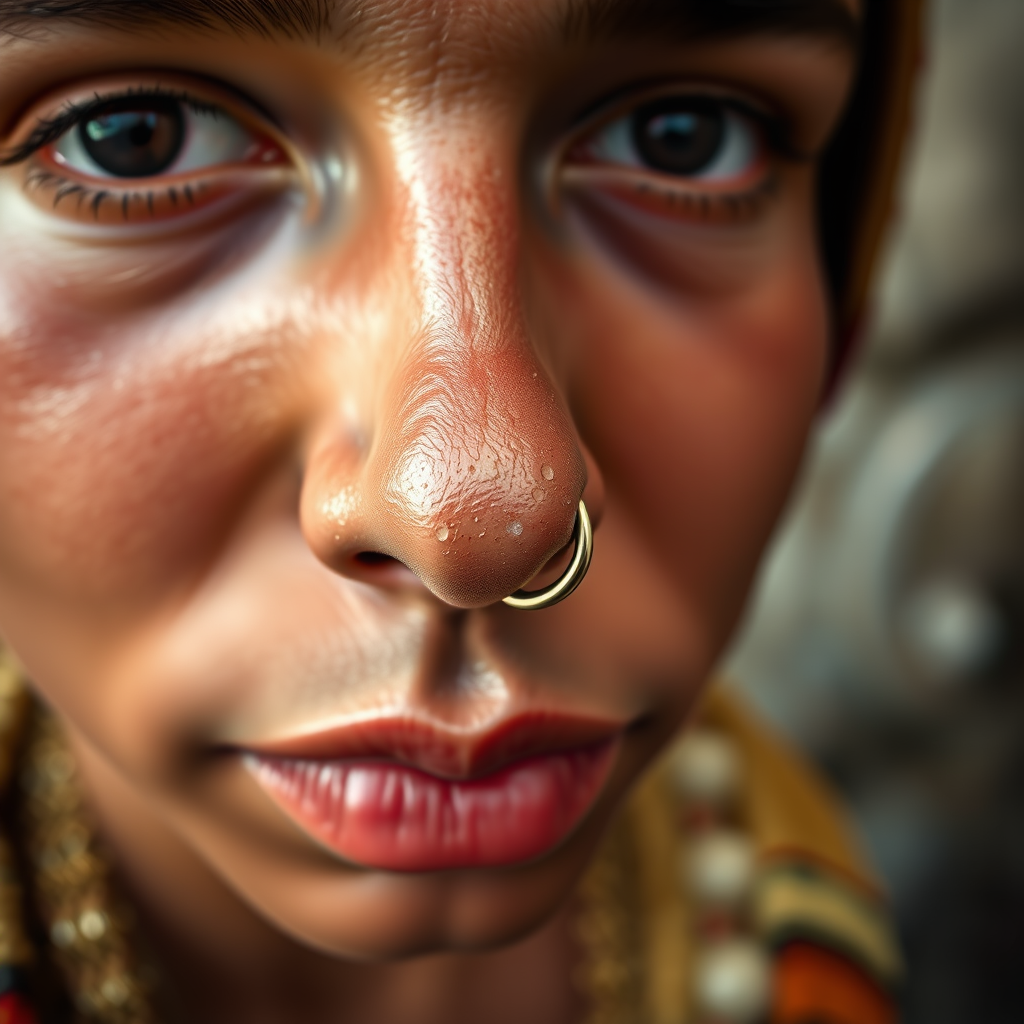
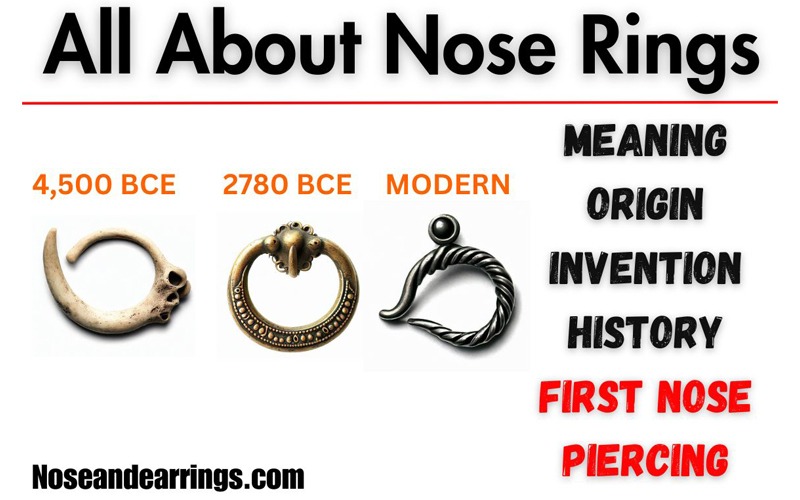
Nose rings have been an integral part of various cultures for centuries, often symbolizing deep-rooted traditions and beliefs. In many societies, particularly in South Asia, nose rings are not merely fashion statements but are deeply embedded in rituals. For instance, in India, a nose ring, or “nath,” is commonly worn by married women and is a traditional symbol of marital status. In certain regions, it is believed that the left nostril is associated with the reproductive organs, making it a significant aspect of femininity and fertility.
Furthermore, in Nepal, nose piercings are often performed as a rite of passage for young women, marking their transition into adulthood. In tribal cultures, such as among some Indigenous peoples of the Americas, nose rings can denote tribal affiliation or social status. These cultural significances underscore the importance of understanding the context behind a nose ring, as it can vary greatly across different backgrounds and traditions.
Personal Expression and Identity
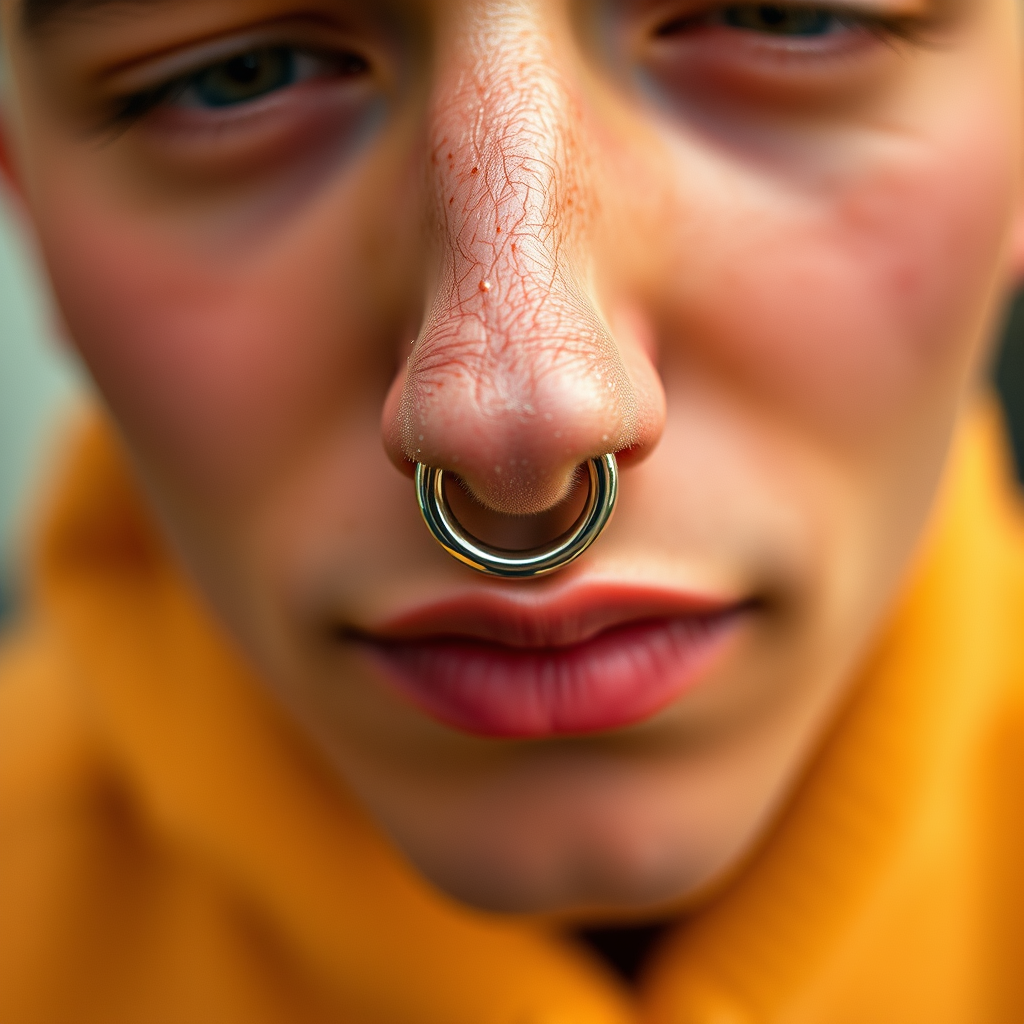
Beyond cultural implications, nose rings serve as a powerful form of self-expression. In contemporary society, individuals often choose to wear nose rings as a way to showcase their unique personalities and personal styles. The variety of designs—from simple studs to elaborate hoops—allows for a personalized touch that can reflect one’s aesthetic preferences.
Moreover, for some, a nose ring can be a statement of individuality or an assertion of freedom from societal norms. The act of piercing can be a bold declaration of self-identity, particularly for those who may feel marginalized or constrained by conventional standards of beauty. In this sense, a nose ring becomes more than just an accessory; it embodies the wearer’s journey towards self-acceptance and authenticity.
Fashion Trends and Influences
The perceived significance of nose rings has evolved dramatically over the years, especially in the realm of fashion. What was once seen primarily as a cultural or religious symbol has now become a mainstream fashion statement, heavily influenced by celebrities and social media influencers. High-profile figures such as Rihanna and Kylie Jenner have helped popularize nose rings, showcasing them as trendy accessories that can elevate an outfit.
Fashion designers also play a crucial role in shaping trends; many incorporate nose rings into their runway shows, further normalizing the practice. This shift in perception has led to a wider acceptance of body jewelry in various professional and social settings, making it an accessible choice for many individuals looking to enhance their personal style.
Psychological Aspects of Piercing
The psychological implications of body modifications, including nose rings, are significant. Many individuals report feelings of empowerment and increased confidence when they adorn themselves with body jewelry. The act of piercing can symbolize personal growth, marking a transition or a significant life change—be it overcoming a challenge, embracing one’s identity, or simply asserting autonomy over one’s body.
Research indicates that body modifications can lead to improved self-esteem and body image. For some, the process of choosing a design and undergoing the piercing is a therapeutic experience, providing a sense of control and self-affirmation. This psychological aspect highlights the importance of understanding the emotional connection individuals may have with their body art.
Health and Safety Considerations
While nose rings can be a beautiful form of self-expression, it is essential to prioritize health and safety during the piercing process. Proper care and hygiene are critical to prevent infections and complications. It is advisable to seek out a reputable and professional piercer who adheres to strict hygiene standards and uses sterile equipment.
Aftercare is equally important. New piercings should be cleaned regularly using saline solutions or specialized cleaning products recommended by the piercer. Avoiding touching the piercing with unwashed hands and refraining from changing jewelry too soon can significantly reduce the risk of irritation or infection. Understanding these health considerations is crucial for anyone considering a nose ring.
Common Misconceptions About Nose Rings
Despite their growing acceptance, several misconceptions about nose rings persist. A common stereotype is that individuals who wear nose rings are rebellious or nonconformist. While some may choose to wear them as a form of defiance against societal norms, this view overlooks the cultural and personal significance that nose rings hold for many people.
Moreover, the assumption that nose rings are solely associated with specific subcultures can alienate those who wear them for different reasons, such as cultural heritage or personal style. Promoting a broader understanding of the diverse meanings behind nose rings can encourage acceptance and appreciation for individuals’ choices, regardless of their motivations.
Caring for Your Nose Ring
Proper aftercare is crucial for ensuring that your nose ring heals correctly and remains a healthy part of your body. Here are some tips for maintaining hygiene and ensuring your piercing heals properly:
1. Keep It Clean: Use a saline solution or a gentle, alcohol-free cleanser recommended by your piercer to clean the area around the piercing.
2. Avoid Irritants: Steer clear of makeup, perfumes, or other products near the piercing until it has fully healed.
3. Don’t Touch or Twist: Minimize touching your nose ring with unwashed hands and avoid twisting or changing the jewelry too soon.
4. Follow Piercer Instructions: Always adhere to the aftercare instructions provided by your piercer, as they will have the best knowledge of how to care for your specific piercing.
By following these guidelines, you can help ensure a smooth healing process and maintain the beauty of your nose ring.
Summarizing the various meanings of a nose ring reveals its rich cultural heritage, personal significance, and evolving fashion status. Whether you’re considering getting one or simply curious, understanding these aspects can provide valuable insight into this form of body jewelry. As societal perceptions continue to evolve, the nose ring remains a compelling symbol of identity, tradition, and personal expression. Explore the world of body jewelry further and consider how it can reflect your own identity or cultural background.
Frequently Asked Questions
What does having a ring in your nose symbolize?
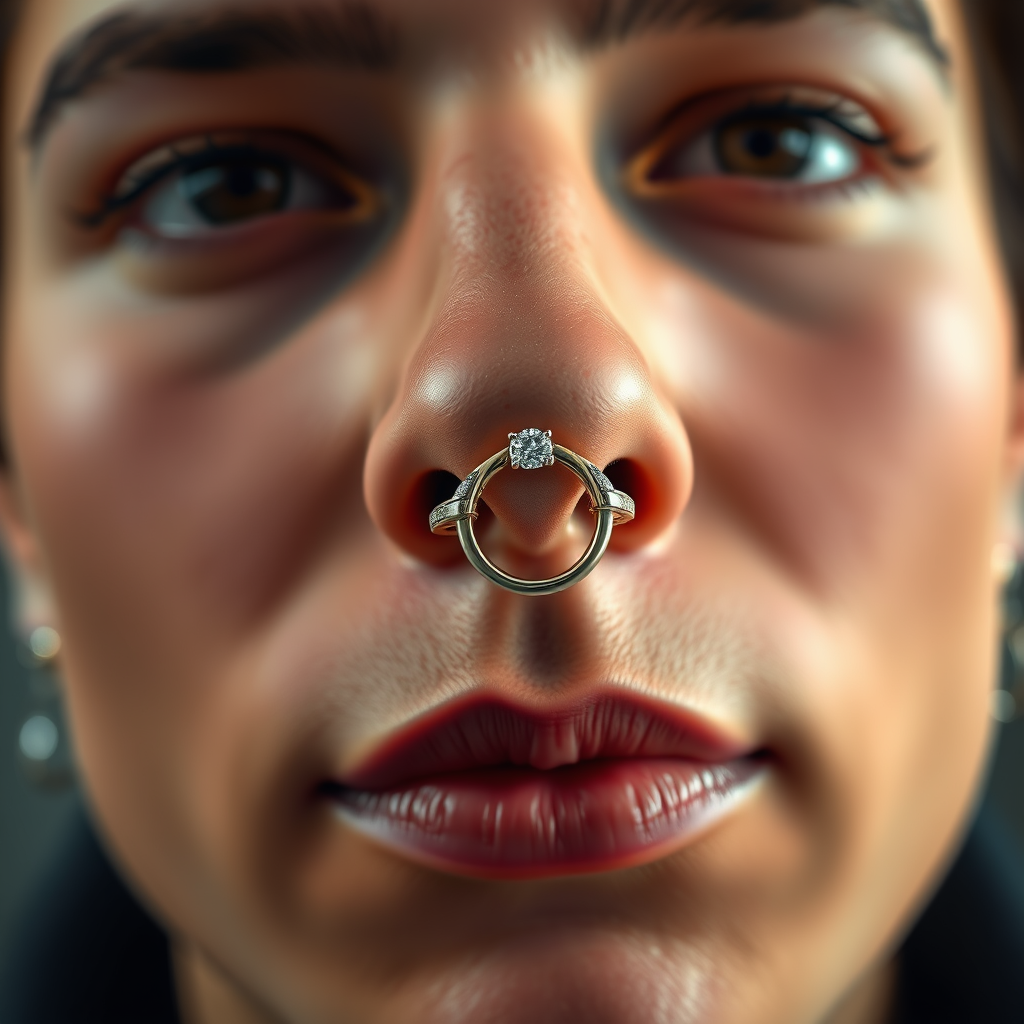
A ring in the nose, typically a nostril or septum piercing, can symbolize various meanings depending on cultural context and personal preference. In many cultures, it represents individuality, rebellion, or fashion statement. For some, particularly within certain Indigenous cultures, it may hold significant spiritual meaning or denote a rite of passage. Understanding these diverse interpretations can enhance your appreciation of the art of body modification.
How do I take care of a new nose ring piercing?
Proper care of a new nose ring piercing is crucial to avoid infections and ensure proper healing. You should clean the area twice daily with a saline solution or a mild antiseptic recommended by your piercer. Avoid touching the piercing with dirty hands, and refrain from changing the jewelry until it’s fully healed, which typically takes 4 to 6 months for nostril piercings and up to a year for septum piercings.
Why do people get nose rings?
People get nose rings for a variety of reasons, including self-expression, fashion, or cultural significance. For some, a nose ring can serve as a form of personal identity, allowing them to showcase their individuality or adhere to cultural traditions. Additionally, nose piercings can be seen as a fashion accessory, complementing personal style and enhancing facial features.
Which type of nose ring is best for sensitive skin?
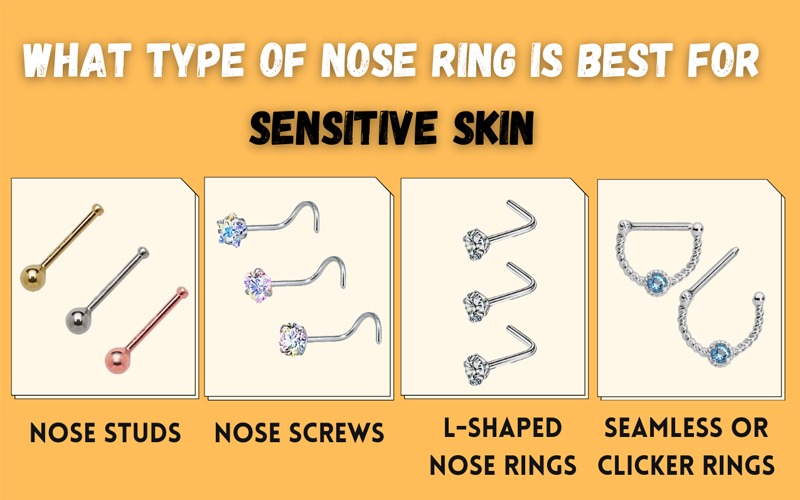
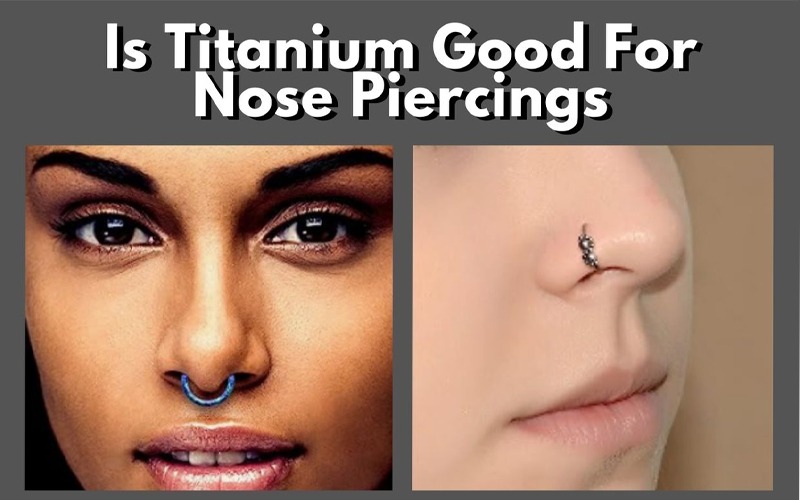
For individuals with sensitive skin, the best type of nose ring is often one made from hypoallergenic materials such as titanium, surgical steel, or niobium. These materials minimize the risk of allergic reactions and irritation. It’s advisable to avoid jewelry made from nickel or brass, as these can cause allergic reactions and discomfort for sensitive skin types.
What should I do if my nose ring gets infected?
If you suspect your nose ring is infected, it’s important to act quickly to prevent further complications. Begin by cleaning the area gently with saline solution and avoid removing the jewelry, as this can cause the hole to close and trap the infection. If symptoms persist or worsen, such as increased redness, swelling, or pus, consult a healthcare professional for advice, who may recommend antibiotics or other treatments.
References
- Nose ring
- https://www.bbc.com/culture/article/20200814-the-history-of-piercings
- https://www.theguardian.com/fashion/2020/oct/29/piercings-and-tattoos-the-future-of-body-art
- https://www.ncbi.nlm.nih.gov/pmc/articles/PMC6368949/
- https://www.huffpost.com/entry/body-piercings-meanings_n_5907c6e0e4b0c9e9a2b66b0d
- https://www.psychologytoday.com/us/blog/the-science-relationships/201107/what-your-body-art-says-about-you
- https://www.verywellmind.com/what-body-piercings-really-mean-2795757