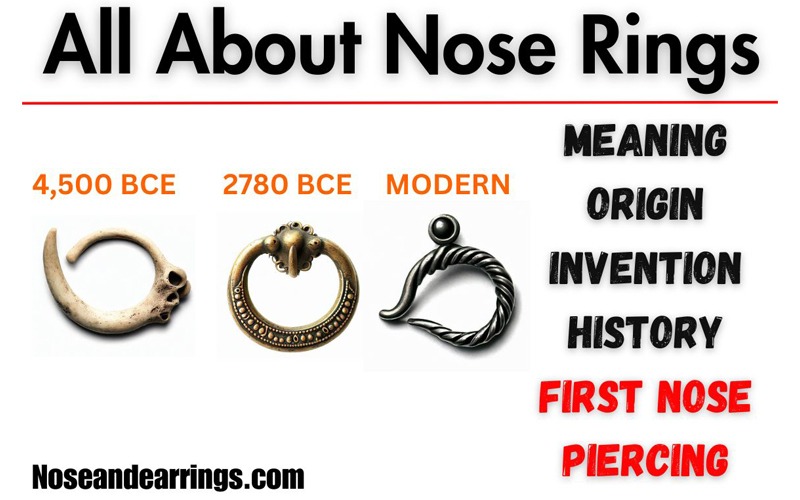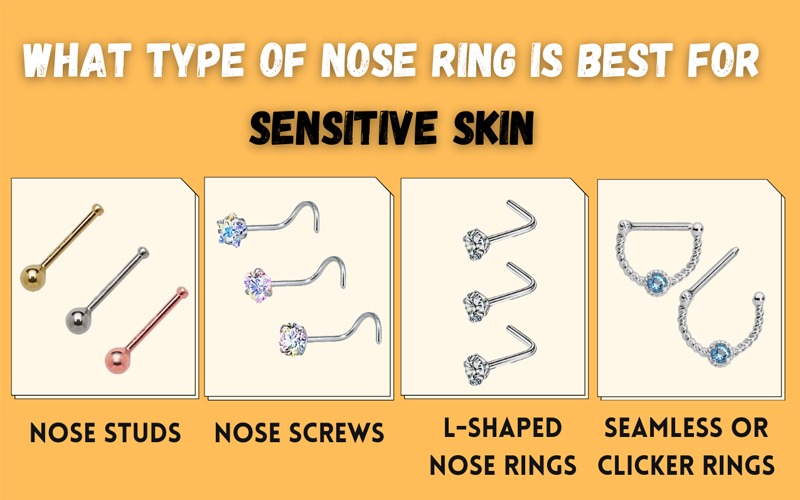
A fishtail nose ring is a distinctive type of body jewelry known for its elongated, tapered design that resembles a fishtail. This innovative shape not only offers a customizable fit for the wearer but also adds a unique flair to body adornment. In this comprehensive guide, we will explore the features, materials, benefits, styling options, and maintenance tips associated with fishtail nose rings, providing you with all the information you need to make an informed decision about this trendy accessory.
Understanding the Fishtail Design

Fishtail nose rings are characterized by a long, pointed end that allows for individual customization to suit the unique anatomy of the wearer’s nostril. Unlike standard nose rings, which often feature fixed loops or studs, the fishtail design can be trimmed to the desired length, ensuring a snug fit. This adjustability is particularly beneficial for those with piercings that vary in size or depth, as it accommodates a wide range of nose shapes while providing a more comfortable wearing experience.
The tapered design not only enhances comfort but also minimizes the risk of irritation or displacement, making it an excellent choice for individuals active in sports or other physical activities. Additionally, the fishtail nose ring can be worn in different orientations, offering versatility in how it can be styled. Whether you prefer a subtle look or a bold statement piece, the fishtail design can adapt to your personal preferences.
Materials Used in Fishtail Nose Rings

When it comes to materials, fishtail nose rings are available in various options to cater to different preferences, budgets, and skin sensitivities. Common materials include:
– Surgical Steel: Known for its durability and resistance to tarnishing, surgical steel is a popular choice for body jewelry. It is often used in initial piercings and provides a good balance of affordability and quality.
– Titanium: This lightweight and strong metal is ideal for those with sensitive skin, as it is hypoallergenic and less likely to cause irritation or allergic reactions. Titanium fishtail nose rings come in various colors and finishes, providing aesthetic options alongside functional benefits.
– Gold: For those looking to make a more luxurious statement, gold fishtail nose rings are an excellent choice. Available in different karats, gold offers a classic and timeless appeal, though it may come at a higher price point. It’s important to note that gold-plated options exist for those on a budget, though they may not be as durable as solid gold.
Hypoallergenic options are particularly important for individuals with sensitive skin or metal allergies, as they can prevent discomfort and promote healing. Always check for quality certifications when selecting materials for your fishtail nose ring to ensure you are choosing a safe and reliable product.
Benefits of Fishtail Nose Rings
The fishtail nose ring brings several advantages that make it a favorite among body jewelry enthusiasts. Here are some of the key benefits:
– Unique Aesthetic: Fishtail nose rings offer a distinctive look that sets them apart from traditional nose jewelry. The tapered design can serve as a conversation starter and a way to express individuality through body art.
– Customizable Fit: One of the standout features of the fishtail design is its adjustable nature. Wearers can easily trim the length to achieve a perfect fit without needing professional assistance, making it a convenient option for those who may want to periodically change their look.
– Comfort and Stability: Because they can be tailored to fit the wearer’s nostril precisely, fishtail nose rings tend to be more comfortable than standard designs, reducing the likelihood of discomfort or shifting during daily activities.
– Versatile Styling Options: Fishtail nose rings can be styled in various ways, either as a subtle accent or a bold statement piece. They can easily be paired with other jewelry types for a layered look or worn alone to draw attention to the piercing.
How to Choose the Right Fishtail Nose Ring
Choosing the right fishtail nose ring involves several considerations to ensure comfort, style, and longevity. Here are some actionable tips to guide your selection process:
– Gauge Size: The gauge refers to the thickness of the jewelry. Standard sizes for nose rings typically range from 20 to 18 gauge. It’s crucial to select a gauge that matches your piercing to avoid discomfort or complications.
– Quality Materials: Opt for high-quality materials that are durable and hypoallergenic, particularly if you have sensitive skin. Look for reputable brands that provide clear information about their materials and manufacturing processes.
– Length and Shape: Consider how you want your fishtail nose ring to fit. The length should allow for a snug fit without excessive protrusion, which could lead to snagging or discomfort. Take measurements prior to purchasing, if possible.
– Style Preferences: Fishtail nose rings come in various designs, including simple and ornate styles. Consider your personal aesthetic and how the piece will fit into your overall jewelry collection.
Styling Your Fishtail Nose Ring
Styling a fishtail nose ring can be an enjoyable process that allows for personal expression. Here are some effective strategies for incorporating it into your look:
– Layering Jewelry: Fishtail nose rings can be beautifully paired with other types of jewelry, such as hoop earrings, studs, or dainty necklaces. Mixing and matching different styles can create a cohesive yet eclectic look.
– Minimalistic Outfits: To let your fishtail nose ring shine, consider wearing it with minimalistic clothing. A simple t-shirt or a classic blouse can serve as a backdrop, allowing the nose ring to be the focal point of your ensemble.
– Bold Statements: Alternatively, if you prefer a bolder look, consider choosing a fishtail nose ring with intricate designs or embellishments. This can draw attention and create a striking contrast against more elaborate outfits.
– Occasion-Specific Styles: Think about the context in which you’ll be wearing the nose ring. For formal events, opt for a more refined design, while casual outings might allow for more playful or experimental styles.
Maintenance and Care Tips
To ensure the longevity and comfort of your fishtail nose ring, proper maintenance and care are essential. Here are some key tips to follow:
– Regular Cleaning: Keep your piercing clean to prevent infection. Use a saline solution or specialized piercing cleaning products, following the instructions provided by your piercer. Avoid harsh chemicals or alcohol-based cleansers, as these can cause irritation.
– Monitoring for Irritation: Pay close attention to your piercing for any signs of irritation, such as redness, swelling, or discomfort. If you notice any concerning symptoms, consult a professional piercer or dermatologist for advice.
– Avoiding Snagging: Be mindful of your clothing and hair when wearing a fishtail nose ring. The pointed end can be prone to snagging, so consider securing long hair back and choosing clothing styles that minimize contact with the piercing.
– Healing Period: If your fishtail nose ring is new, allow adequate time for healing. Avoid changing or removing the jewelry during the initial healing phase, as this can lead to complications.
The fishtail nose ring is not just a piece of jewelry; it’s a statement of style and individuality. Its unique design and customizability make it an appealing choice for body jewelry lovers. If you’re considering adding a fishtail nose ring to your collection, explore different styles and materials to find the perfect match for your aesthetic. With the right care and attention, your fishtail nose ring can serve as a lasting representation of your personal style and creativity.
Frequently Asked Questions
What is a fishtail nose ring?
A fishtail nose ring is a specific type of nose jewelry characterized by a long, tapered end that resembles a fishtail. This design allows for customization in terms of length and style, as the tail can be trimmed to fit the wearer’s nostril perfectly. Fishtail nose rings are popular among those who prefer a seamless look, as they can be easily inserted and adjusted without visible clasps or beads.
How do you wear a fishtail nose ring?
To wear a fishtail nose ring, first, gently insert the tapered end into your nostril. Depending on the gauge of the ring, you may need to twist or push slightly for a secure fit. It’s essential to ensure that the ring is positioned comfortably and snugly to avoid irritation. Regular cleaning and maintenance are also crucial to prevent infection and ensure comfort.
Why choose a fishtail nose ring over a traditional stud?
Choosing a fishtail nose ring over a traditional stud offers several benefits, including versatility and adjustability. Fishtail designs allow for personalized length, making them suitable for various nostril shapes and sizes. Additionally, they provide a sleek and minimalist aesthetic, which many people find appealing compared to bulky studs or hoops.
What materials are best for fishtail nose rings?
The best materials for fishtail nose rings include surgical stainless steel, titanium, and gold, as these materials are hypoallergenic and reduce the risk of irritation or allergic reactions. Surgical stainless steel is especially popular due to its durability and affordability, while titanium is a great choice for those with sensitive skin. Gold options, particularly 14k or 18k, provide a luxurious look and are also safe for most wearers.
Which fishtail nose ring styles are trending in 2023?
In 2023, trending fishtail nose ring styles include minimalist designs featuring simple, sleek lines, as well as ones adorned with tiny gemstones or charms for a touch of personalization. Vintage-inspired fishtail rings with intricate patterns are also gaining popularity, appealing to those who enjoy unique and artistic jewelry. When choosing a style, consider your personal aesthetic and how the fishtail nose ring complements your overall look.
References
- Nose ring
- https://www.ncbi.nlm.nih.gov/pmc/articles/PMC7510893/
- https://www.healthline.com/health/nose-piercing-guide
- https://www.verywellhealth.com/nose-piercings-5112691
- https://www.medicalnewstoday.com/articles/what-to-know-about-nose-piercings
- Breastfeeding and Returning to Work in the Physician’s Office | AAFP