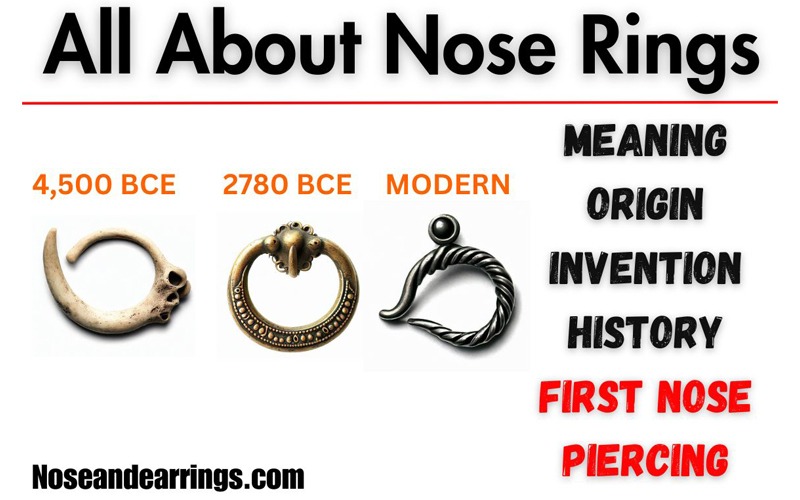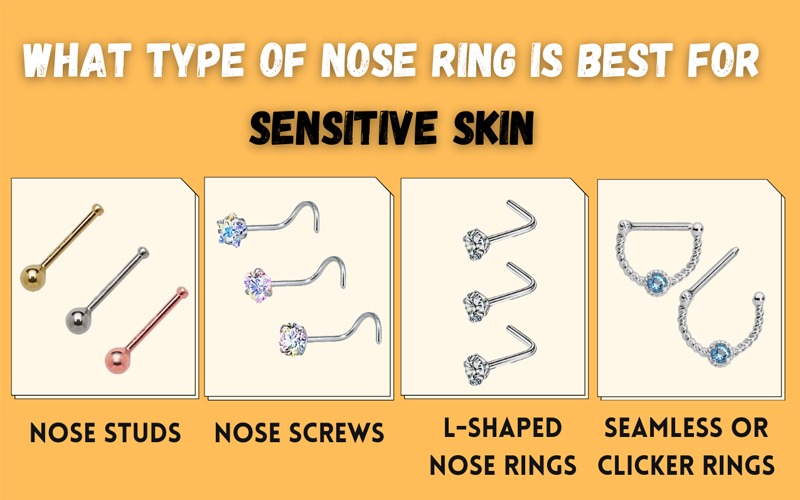
The bull nose ring is commonly referred to as a “bull ring” or “bull nose piercing.” This type of piercing is designed for livestock, particularly bulls, to facilitate handling and control. Bull rings are integral to effective livestock management, allowing handlers to lead and guide these powerful animals safely. In this article, we will explore the different terms associated with bull nose rings, their uses, and important considerations for both animal welfare and management.
Understanding Bull Nose Rings
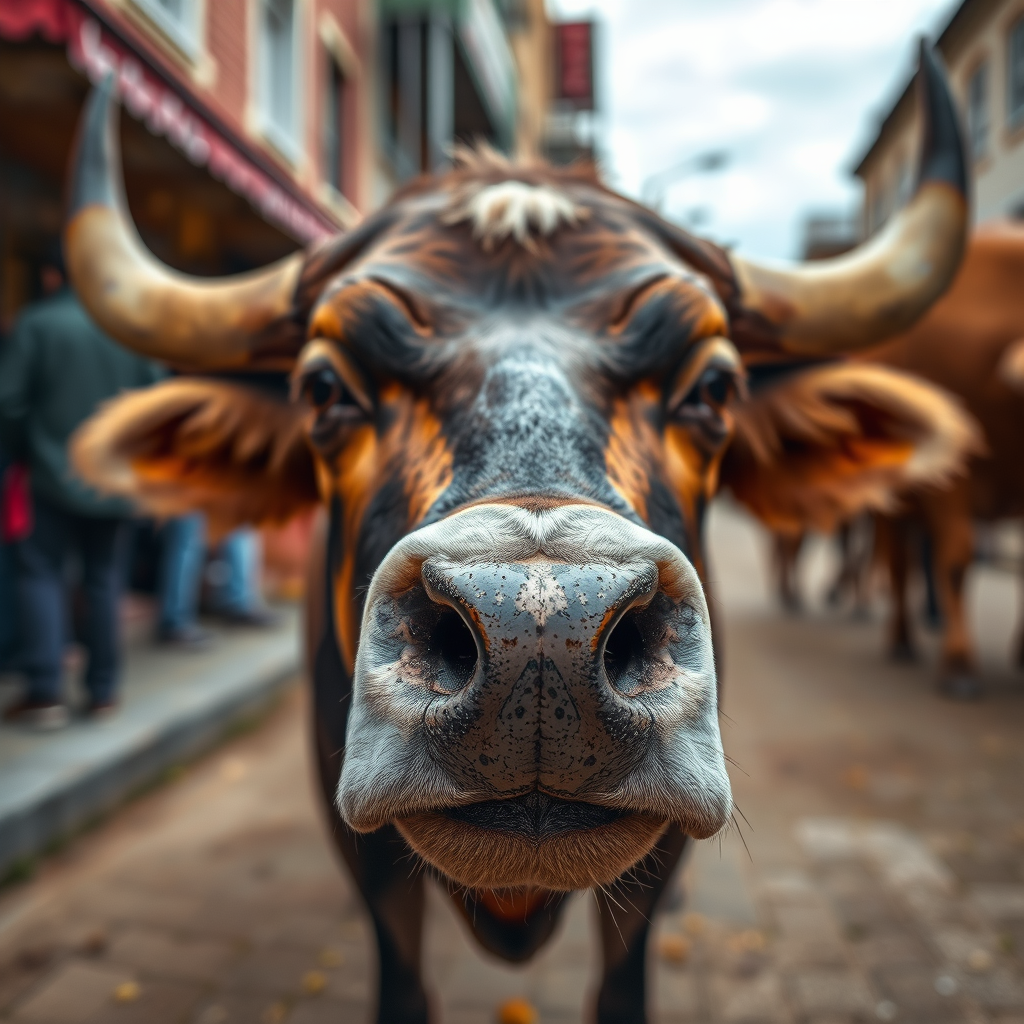
Bull nose rings are used primarily in livestock management to control and guide bulls. These rings are typically inserted through the septum of the bull’s nose, providing a secure point of attachment for handlers. The design allows for effective steering and control without causing significant discomfort to the animal. Historically, the bull ring has been a critical tool on farms and ranches, particularly in situations where bulls need to be moved or restrained for veterinary care or breeding purposes. Understanding how they work and their impact on animal behavior is essential for those involved in livestock management.
The bull ring’s placement through the septum also takes advantage of the natural structure of the bull’s nose, which is designed to accommodate such a piercing. This feature minimizes stress on the animal while providing handlers with a means to exert influence over the bull’s movements. Furthermore, the use of bull rings can significantly improve safety for both the animal and the handler, particularly in environments where bulls may exhibit unpredictable behavior.
Different Types of Bull Nose Rings
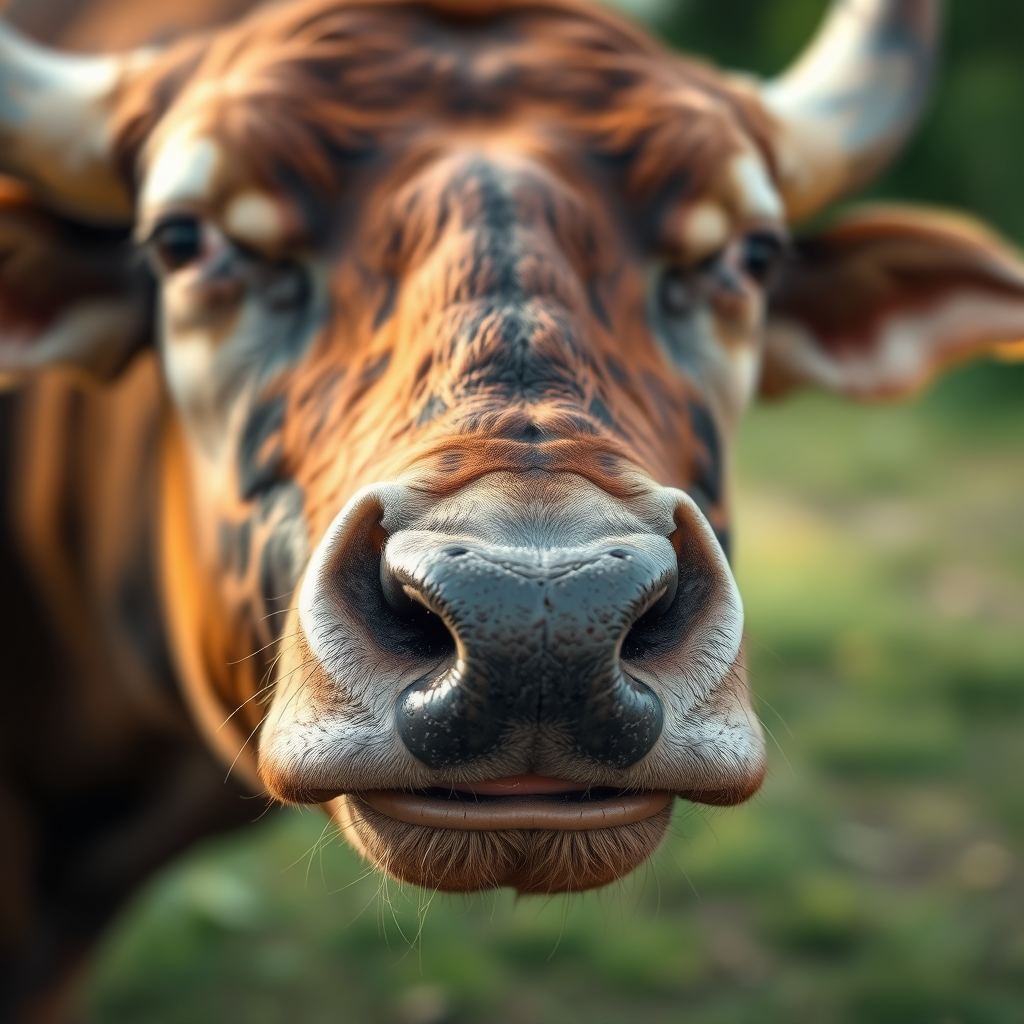
There are various designs of bull nose rings, including traditional rings made of metal and modern variations equipped with safety features. Traditional bull rings are typically circular and can be made from stainless steel or other durable metals. These rings are favored for their strength and reliability, especially in environments where bulls may challenge the control of their handlers.
More modern designs include bull nose rings that feature spring-loaded mechanisms or breakaway designs. These innovations are intended to enhance safety by allowing the ring to detach under excessive pressure, thereby preventing injury to the bull or handler. Each type serves a specific purpose depending on the bull’s behavior, the intended use, and the handler’s preferences. For instance, a bull that is known to be particularly aggressive may benefit from a more robust design, while a calmer bull may require a simpler, less invasive option.
Materials Used in Bull Nose Rings
Common materials for bull nose rings include stainless steel, plastic, and rubber, each offering unique benefits. Stainless steel is a popular choice due to its strength, corrosion resistance, and ease of cleaning. It is particularly suited for outdoor environments where exposure to moisture and dirt is common. However, it can be less forgiving if a bull pulls on the ring, potentially leading to injury.
Plastic rings, while generally less durable, provide a lightweight alternative that may reduce irritation in the bull’s nose. They are often easier to clean and can be more cost-effective, making them a suitable option for less aggressive bulls or temporary situations. Rubber rings, on the other hand, are designed for comfort and flexibility, allowing a better fit while minimizing the risk of damage to the septum. The choice of material can affect durability, comfort, and ease of cleaning, and should be made based on the specific needs of the livestock and the management situation.
Health and Safety Considerations
Proper hygiene and care are essential to prevent infections and complications from the piercing. It is crucial to maintain cleanliness during the insertion of the bull ring and to monitor the piercing site regularly for signs of infection, irritation, or damage. A dirty ring can introduce bacteria into the piercing, leading to serious health issues for the animal.
Regular checks for irritation or damage help ensure the bull’s well-being. Handlers should be trained to recognize symptoms that may indicate discomfort, such as excessive head shaking or pawing at the nose. If any complications arise, it is advisable to consult a veterinarian immediately to assess the situation and provide appropriate care.
Additionally, handlers should be educated on the best practices for using bull rings, including the proper techniques for leading and controlling the animal. This knowledge not only enhances safety for both the bull and the handler but also promotes a more humane approach to livestock management.
Legal and Ethical Aspects
Understanding local regulations regarding bull nose rings is crucial for compliance. Different regions may have specific laws governing the use of bull rings, including guidelines on how and when they can be used. Familiarizing oneself with these regulations helps ensure that livestock management practices are not only effective but also compliant with legal standards.
Ethical considerations also come into play when using bull nose rings. It is essential to prioritize the animal’s welfare during and after the piercing process. This includes ensuring that the piercing is performed humanely, avoiding unnecessary pain or stress to the animal, and providing adequate care post-piercing. Engaging with veterinarians and animal welfare organizations can offer valuable insights into best practices that align with ethical standards.
Alternatives to Bull Nose Rings
While bull nose rings are a widely accepted tool in livestock management, there are alternative methods that may not require nose rings. Halters, for instance, are a common alternative that allows for control without the need for a piercing. Halters can be adjusted for comfort and can be used to lead, tie, or restrain bulls safely.
Other restraint systems, such as chutes or pens, can also be effective without the need for invasive equipment. Each method comes with its own set of pros and cons; for example, while halters may be less invasive, they can be less effective for particularly obstinate bulls. It’s essential for handlers to assess the specific needs of their livestock and choose the most appropriate method based on behavior, safety, and ethical considerations.
The bull nose ring, or bull ring, serves a vital role in livestock management but comes with responsibilities. Understanding its purpose, types, materials, and the surrounding ethical considerations can help ensure the safe handling of these powerful animals. If you’re considering using a bull nose ring, take the time to research and choose the best options for your livestock and their welfare. By prioritizing animal health and adopting best practices, handlers can contribute to a more humane and effective approach to livestock management.
Frequently Asked Questions
What is the bull nose ring called and what is its purpose?
The bull nose ring is commonly referred to as a “bull ring” or “bull nose.” It is a type of nose piercing typically placed through the septum of the bull’s nose. The primary purpose of the bull ring is to help control the animal during handling and transport, as it provides a means for farmers or handlers to guide the bull safely.
How is a bull nose ring inserted into an animal?
Inserting a bull nose ring typically involves a veterinarian or trained professional using a specialized tool to create a small hole in the septum of the bull’s nose. This process is usually quick and minimizes discomfort for the animal, followed by inserting the ring. Proper technique is essential to ensure the safety of both the animal and the handler.
Why do farmers use bull nose rings instead of other methods of restraint?
Farmers often prefer bull nose rings because they provide a more effective and humane method for controlling large bulls compared to other restraint methods, such as ropes or chains. Bull rings allow for quick and direct control without causing excessive stress or harm to the animal. Additionally, they can help prevent dangerous behaviors during transport or veterinary care.
What are the best materials for a bull nose ring?
The best materials for a bull nose ring typically include stainless steel, which is durable and resistant to rust, or high-quality plastic for lightweight options. Stainless steel rings are favored for their strength and longevity, while plastic rings can be a safer option for young or less aggressive bulls. Choosing the right material is crucial for ensuring the ring remains secure and comfortable for the animal.
Which size bull nose ring should I choose for my bull?
Choosing the correct size for a bull nose ring depends on the age and size of the bull. It is important to measure the septum accurately to ensure a proper fit, as rings that are too small can cause discomfort, while those that are too large may not provide adequate control. Consulting with a veterinarian or experienced handler can help determine the best size for your specific animal.