Nose ring gauges refer to the thickness of the jewelry, typically measured in millimeters or American Wire Gauge (AWG), and they play a crucial role in both comfort and aesthetics. Understanding the gauge sizes, which range from common options like 20 and 18 gauges for nostril piercings to larger 16 and 14 gauges for septum piercings, is essential for selecting the appropriate jewelry that fits snugly and looks stylish. This guide will delve into the nuances of nose ring gauges to help you make informed choices when it comes to your piercing.
Understanding Nose Ring Gauges
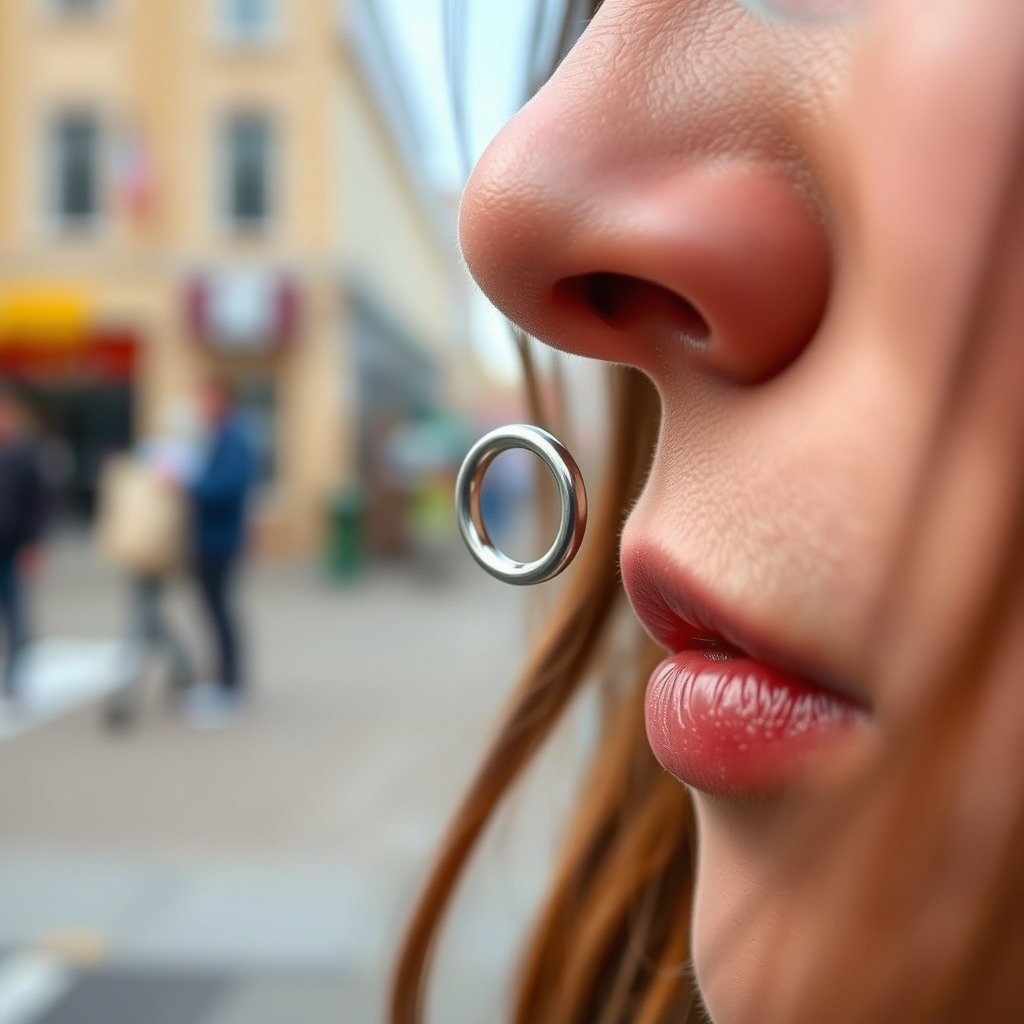
Nose ring gauges are a critical aspect of jewelry selection, as they determine the thickness of the piercing jewelry, which can significantly impact both comfort and visual appeal. The gauge system is somewhat counterintuitive; in general, the smaller the gauge number, the thicker the jewelry is. For instance, a 16-gauge nose ring, which measures approximately 1.2 mm in diameter, is thicker than a 20-gauge ring that measures about 0.8 mm. This measurement system is essential for ensuring that the jewelry fits properly within the piercing and does not cause undue irritation or discomfort. Understanding this sizing is particularly important for those who wish to switch out their jewelry or get a new piercing, as an ill-fitting gauge can lead to complications and prolonged healing times.
Common Nose Ring Gauge Sizes
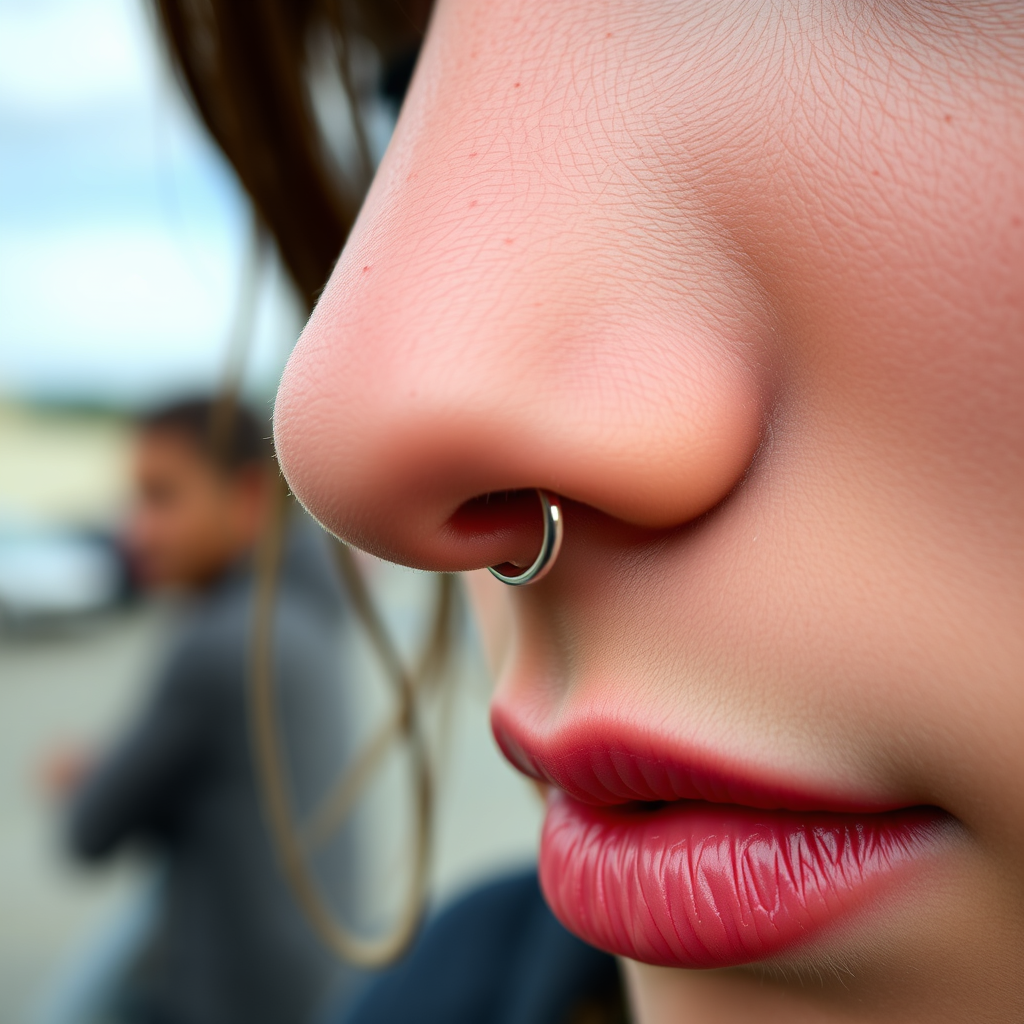
When it comes to nostril piercings, the most popular gauge sizes are 20 gauge (0.8 mm) and 18 gauge (1.0 mm). These sizes provide a comfortable fit for most individuals, allowing for a wide variety of styles and designs. For septum piercings, the gauge sizes often range from 16 gauge (1.2 mm) to 14 gauge (1.6 mm). The thicker gauges in septum piercings not only accommodate a larger range of styles but also provide a sturdier option that can endure the everyday wear and tear of jewelry. It’s important to note that while these sizes are common, there is a wide array of options available, and individual anatomy can affect the best choice. Therefore, consulting with a professional piercer is recommended for personalized advice.
Choosing the Right Gauge for Your Piercing
Selecting the appropriate gauge for your nose ring begins with understanding your current piercing size. If you already have a piercing, it’s imperative to choose a gauge that matches your existing jewelry to ensure a comfortable fit. Transitioning between gauges can be uncomfortable and may lead to complications if not done correctly. If you’re new to piercings, seeking guidance from a professional piercer is advisable. They can assess your anatomy to recommend the best gauge for your specific needs. For instance, individuals with thicker nasal tissue may benefit from a larger gauge to accommodate the anatomy better, while those with thinner tissue might find smaller gauges more suitable.
Materials and Gauge Compatibility
The material of the nose ring plays a significant role in its compatibility with different gauge sizes. Common materials such as surgical steel, titanium, and gold, each have unique properties and thickness profiles, impacting the overall fit. Surgical steel and titanium are often preferred for their hypoallergenic properties and durability, whereas gold offers a luxurious look but may require a specific gauge sizing due to its malleability. When selecting your jewelry, ensure that the material aligns with your chosen gauge for a proper fit. For example, if you choose a thicker gauge made of a more flexible material, you might find that it fits differently than a stiffer material of the same gauge.
Aftercare and Gauge Considerations
Proper aftercare is essential for all types of piercings, and the gauge can significantly affect the healing process. A thicker gauge may create a larger puncture in the skin, which can lead to more swelling and require additional care. It’s crucial to follow your piercer’s aftercare instructions meticulously, which often include cleaning the area with saline solution and avoiding unnecessary handling of the jewelry. Be particularly mindful during the healing phase, as swelling is common and might necessitate a temporary switch to a larger gauge if discomfort arises. If you experience significant swelling or irritation, consult with your piercer for advice tailored to your situation.
Upgrading Your Nose Ring: Gauge Changes
If you’re considering upgrading or switching gauges, it’s essential to consult a professional to avoid complications such as tearing or infection. Gradual changes are often recommended; for instance, if you are moving to a larger gauge, consider allowing your piercing to acclimate to the new size before making further modifications. This approach can lead to a more comfortable transition, as your piercing may need time to adjust to the increased thickness. Always ensure that the new jewelry is made from appropriate materials and fits snugly to prevent discomfort or injury.
The choice of gauge for your nose ring is vital for both comfort and aesthetics. Selecting the right size can enhance your piercing experience and ensure that your jewelry complements your personal style. Always prioritize finding the appropriate gauge for your piercing, and don’t hesitate to seek professional advice when needed. If you have further questions about nose ring gauges or wish to explore different styles, reach out to a local piercer or jewelry expert for personalized guidance. Understanding these factors will ultimately enhance your overall experience with nose piercings and help you achieve the look you desire.
Frequently Asked Questions
What is the gauge of a nose ring?
The gauge of a nose ring refers to the thickness of the jewelry, typically measured in millimeters or by a numerical system where lower numbers indicate thicker jewelry. Standard gauges for nose rings usually range from 20 gauge (0.8 mm) to 14 gauge (1.6 mm). Understanding the gauge is crucial for ensuring a comfortable fit and preventing irritation or complications during the healing process.
How do I choose the right gauge for my nose ring?
Choosing the right gauge for your nose ring depends on whether you are piercing a new hole or wearing an existing one. If it’s a fresh piercing, it’s best to stick with the standard 20 gauge to allow for healing. For jewelry swaps, ensure you measure your current jewelry or consult your piercer for the best advice on gauge size and what will fit comfortably without causing pain or irritation.
Why is the gauge size important for nose rings?
The gauge size is vital for nose rings because it affects the fit, comfort, and healing of the piercing. A gauge that is too thick can cause pain and complications, while one that is too thin may not stay securely in place. Proper gauge selection helps ensure that the jewelry fits well, minimizes the risk of infection, and allows for optimal healing post-piercing.
What is the best gauge for a nose ring for a cartilage piercing?
For a cartilage nose piercing, the best gauge is typically 18 gauge (1.0 mm) or 20 gauge (0.8 mm), depending on personal preference and the specific area being pierced. These gauges provide a balance between durability and comfort, allowing for proper healing while also giving you options for stylish jewelry. Always consult with a professional piercer to determine the most suitable gauge for your unique anatomy.
Which materials are best for nose rings in various gauges?
The best materials for nose rings vary by gauge but generally include surgical stainless steel, titanium, and nickel-free gold. Surgical stainless steel is a popular choice due to its hypoallergenic properties and durability, making it ideal for initial piercings. Titanium is an excellent alternative for sensitive skin, while gold options (at least 14k) can be stylish choices for healed piercings. Always prioritize materials that minimize allergic reactions and allow for comfortable wear.