Getting a nose ring? The standard gauge for most nostril piercings is typically 18 gauge (1.0 mm) or 20 gauge (0.8 mm), depending on personal preference and the thickness of the jewelry. Understanding these measurements is crucial for ensuring a comfortable and aesthetically pleasing experience. In this article, we’ll explore the various gauges, their implications for healing and comfort, and tips for choosing the right size for your new nose ring.
Understanding Nose Ring Gauges
Gauges measure the thickness of the jewelry, with a lower number indicating a thicker piece. This means that an 18G nose ring is thicker than a 20G nose ring. The choice between these gauges often comes down to individual preferences and the specific anatomy of the person being pierced. Most commonly, 18G is favored for initial nostril piercings because it tends to provide a better balance of durability and ease of insertion. The slightly thicker jewelry can also help in maintaining the integrity of the piercing during the sensitive healing period.
When considering gauges, it’s also worth noting that some piercers may offer different gauges based on their personal experience and the standards of their studio. Therefore, consulting with a professional piercer can provide valuable insights tailored to your unique needs.
Benefits of Standard Gauges

Standard gauges like 18G provide a balance between durability and comfort, reducing the risk of irritation. The thicker material often ensures that the jewelry stays in place and is less prone to bending or breaking, which is particularly important during the initial healing period. Additionally, because 18G and 20G are the most commonly used sizes, there is a vast selection of styles and materials available in both gauges. This variety allows individuals to choose designs that align with their personal aesthetic while ensuring they are using a size that is widely accepted and recommended by professionals.
Moreover, opting for a standard gauge can lead to fewer complications. Many jewelry makers produce pieces specifically designed for these gauges, ensuring that they fit properly and are comfortable to wear. This availability can make it easier for individuals to experiment with different styles over time.
Choosing the Right Gauge for Your Nose Ring
When selecting the appropriate gauge for your nose ring, personal comfort is a crucial factor. Some individuals may prefer the lighter feel of a 20G ring, especially if they are new to body piercings or have a lower pain threshold. Conversely, those seeking a more substantial look or who engage in activities that may put their jewelry at risk might lean towards an 18G.
Consulting with your piercer is essential in this decision-making process. A professional can assess your anatomy, discuss your lifestyle, and provide recommendations based on their experience. They can also take into account any pre-existing conditions or sensitivities that may influence your choice of gauge.
Jewelry Materials and Their Impact on Gauge
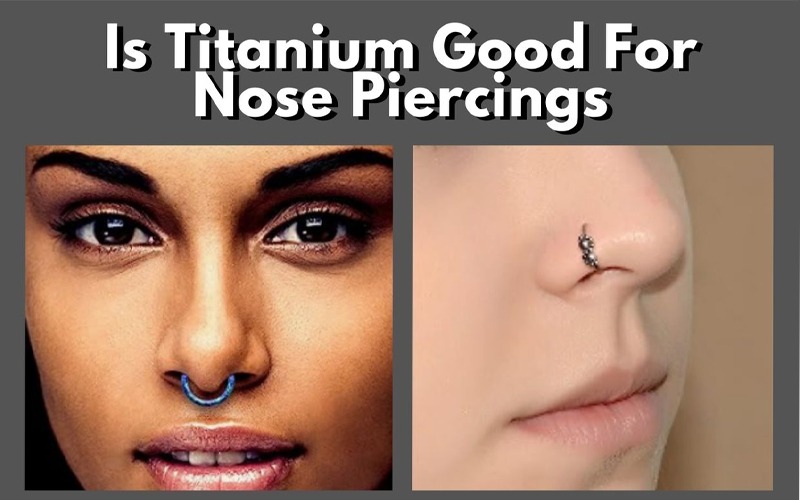
The material of the jewelry plays an essential role in how the gauge feels and heals. Common materials for nose rings include titanium, surgical stainless steel, gold, and even acrylic. Titanium is particularly favored in the body piercing community due to its lightweight nature and hypoallergenic properties, making it an excellent choice for individuals with sensitive skin. Surgical stainless steel is another popular option, known for its durability and affordability.
Gold, while aesthetically pleasing, can sometimes cause allergic reactions in certain individuals, especially if it is not of high purity. Therefore, individuals with known metal sensitivities should opt for hypoallergenic materials to minimize the risk of irritation or infection.
Selecting the right material in conjunction with the appropriate gauge can significantly affect the overall experience of wearing a nose ring. It is advisable to prioritize materials that promote healing and comfort, particularly during the initial healing period.
Care and Maintenance for Your Nose Ring
Proper aftercare is essential to prevent infections and ensure healing, regardless of gauge. After getting your nose pierced, it’s crucial to keep the area clean and avoid touching it unnecessarily. Most professionals recommend using saline solution or specific piercings aftercare products to clean the area gently.
Regular cleaning should be part of your daily routine, especially in the early stages of healing. Avoiding irritants, such as harsh chemicals and fragrances, is also essential. Additionally, it’s recommended to avoid swimming in pools or hot tubs during the initial healing period to prevent exposure to bacteria.
Maintaining a healthy lifestyle, including staying hydrated and eating nutritious foods, can also aid in the healing process. Remember that the healing time for nostril piercings can vary but generally falls within the range of 4 to 6 months, depending on individual factors.
Common Misconceptions About Nose Ring Gauges
Many people believe thicker gauges are always better, but this isn’t always true; it depends on the individual. While a thicker gauge can provide more durability, it may also be less comfortable for some, particularly during the initial healing period. Additionally, misconceptions about healing times and jewelry choices often lead to complications. For instance, individuals might assume that switching to a thinner gauge will be a simple process, but doing so too soon can result in pain or damage to the piercing.
Another common misconception is that all jewelry is created equal, regardless of its gauge. This is not the case; the quality and material of the jewelry can significantly impact both comfort and healing. Therefore, it is essential to choose high-quality pieces that are appropriate for your specific gauge.
Transitioning Between Gauges
If you wish to change your gauge after your piercing has healed, it’s advisable to consult a professional piercer for advice on stretching safely. Transitioning between gauges should be done gradually to avoid trauma to the piercing. Stretching too quickly can lead to tearing or damaging the delicate tissue of the piercing, which can result in complications.
There are various methods for stretching, including using tapering tools or gradually increasing the gauge over time. A professional piercer can guide you through this process, ensuring that it is done safely and effectively to minimize discomfort and promote healthy healing.
Nose rings can be a beautiful form of self-expression, and understanding the standard gauge options is crucial for a comfortable experience. Always consult with professionals and prioritize your health and comfort when choosing jewelry. By considering factors such as gauge size, material, and proper care, you can ensure that your nose ring not only enhances your appearance but also provides a safe and enjoyable experience. If you’re ready to take the plunge, visit your local piercer to find the perfect fit for your new nose ring!
Frequently Asked Questions
What is the standard gauge for a nose ring?
The standard gauge for a nose ring typically ranges from 20 gauge (0.8 mm) to 18 gauge (1.0 mm), with 20 gauge being the most common choice for initial piercings. The gauge refers to the thickness of the jewelry, and a smaller gauge number indicates a thicker piece. Choosing the appropriate gauge is crucial for comfort and healing, especially if you are a first-time wearer.
How do I choose the right gauge for my nose ring?
To choose the right gauge for your nose ring, consider whether you are getting a new piercing or using an existing hole. If it’s your first piercing, a professional piercer will typically recommend a 20 gauge to ensure a smooth healing process. For those who have had piercings for a while, you may opt for a thicker gauge, like 18 gauge, for added durability, but always consult with a professional to prevent irritation or complications.
Why does the gauge matter for nose rings?
The gauge of a nose ring matters because it affects both comfort and the healing process. A ring that is too thick can cause irritation and discomfort, while one that is too thin may not stay securely in place. Proper gauge selection helps prevent complications like migration or rejection of the piercing, which are crucial for maintaining the health of your nose and the longevity of the jewelry.
What materials are best for nose rings of different gauges?
The best materials for nose rings include surgical stainless steel, titanium, and 14k or 18k gold, as these materials are hypoallergenic and less likely to cause reactions. Surgical stainless steel is often recommended for initial piercings due to its durability and resistance to tarnishing. For those with sensitive skin or allergies, titanium is an excellent choice, while gold options add a touch of elegance for healed piercings without compromising safety.
Which type of nose ring is best for sensitive skin?
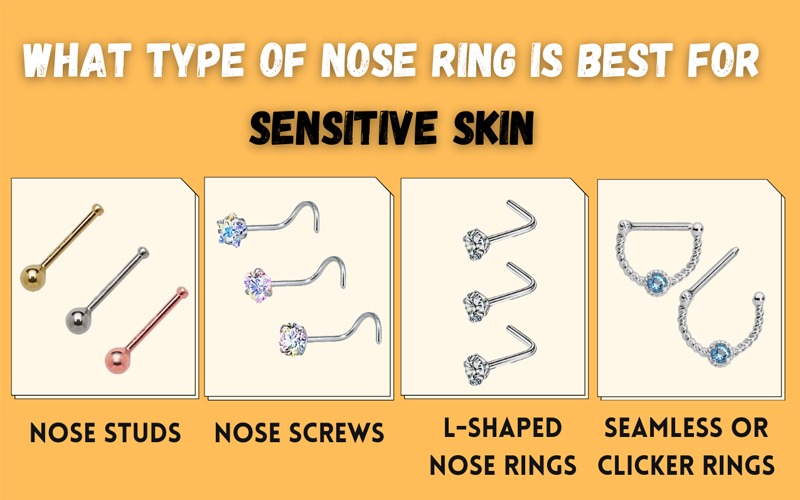
For individuals with sensitive skin, the best types of nose rings are those made from titanium or medical-grade plastic, as these materials are hypoallergenic and minimize the risk of irritation. Titanium is lightweight and corrosion-resistant, making it ideal for everyday wear. Additionally, if you are opting for gold, ensure it is at least 14k to reduce the likelihood of allergic reactions, as lower karat gold may contain more nickel or other irritants.