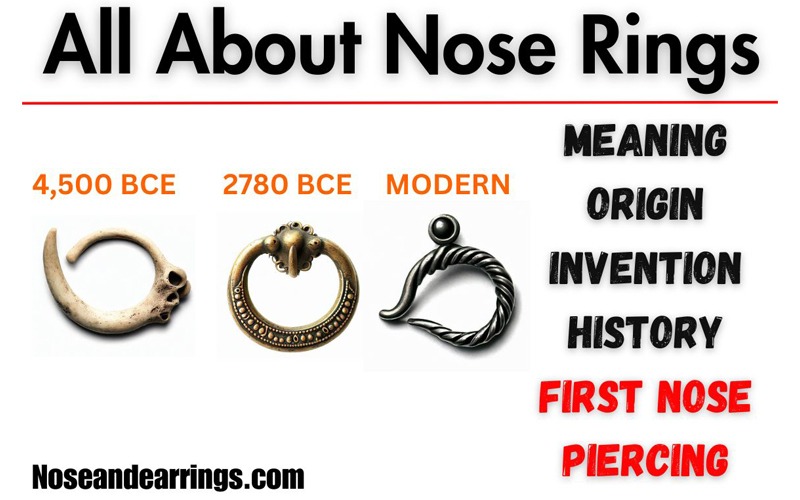
Choosing the best nose ring for yourself is a matter of personal taste, lifestyle, and the specifics of your piercing. Whether you are looking for something understated like a stud or a more eye-catching option like a hoop, understanding the diverse range of nose ring styles, materials, sizes, and aftercare requirements will empower you to make a confident choice. This article delves into the various types of nose rings available, the materials they are made from, considerations for size and fit, style options, maintenance tips, and common pitfalls to avoid.
Types of Nose Rings
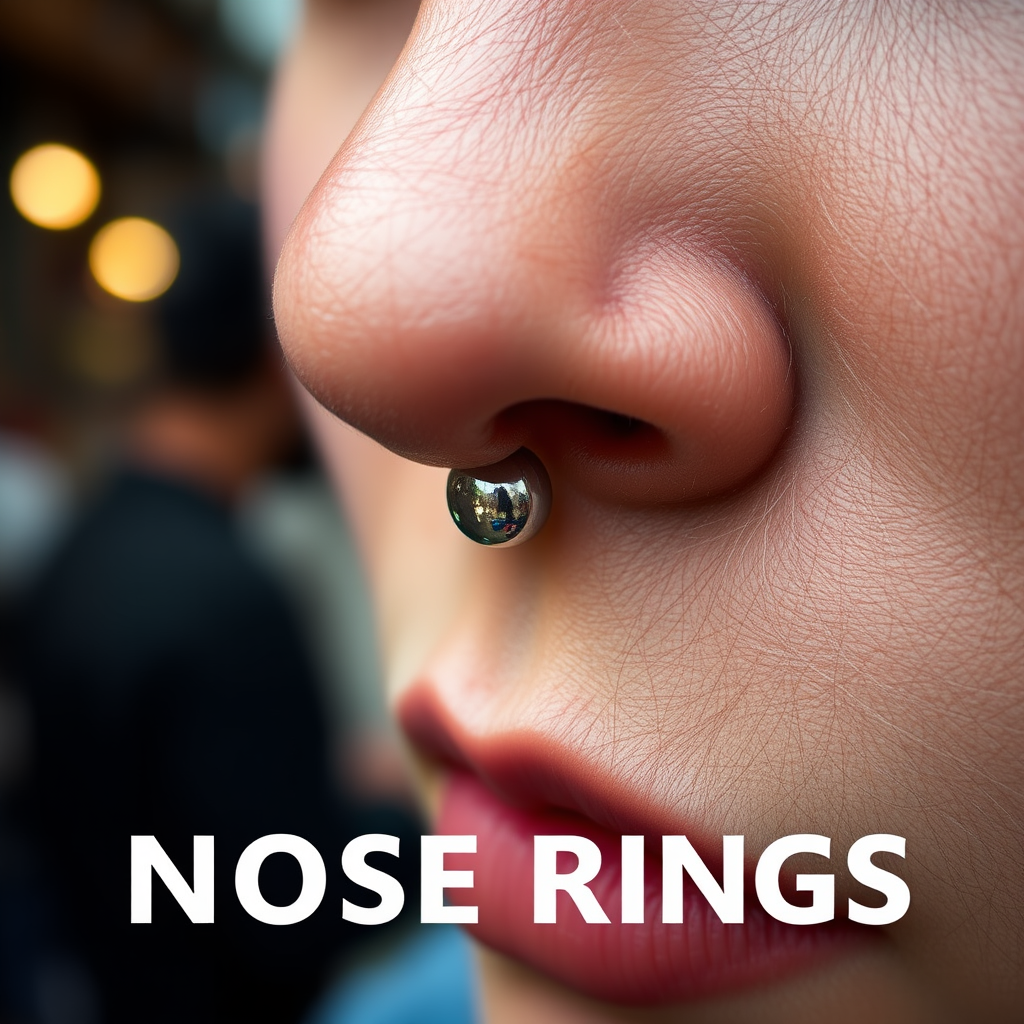
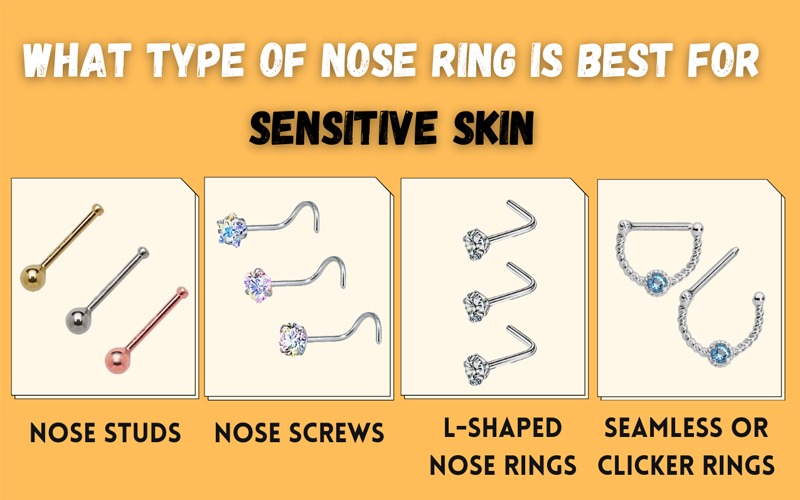
– Studs: Nose studs are timeless and versatile, making them a popular choice for both newcomers and seasoned wearers. They typically consist of a small decorative element secured on a post that fits snugly into the piercing. Studs can feature simple designs, such as small balls or gems, or more intricate patterns, allowing them to blend seamlessly with both casual and formal attire. Their low profile makes them suitable for everyday wear, ensuring comfort without drawing excessive attention.
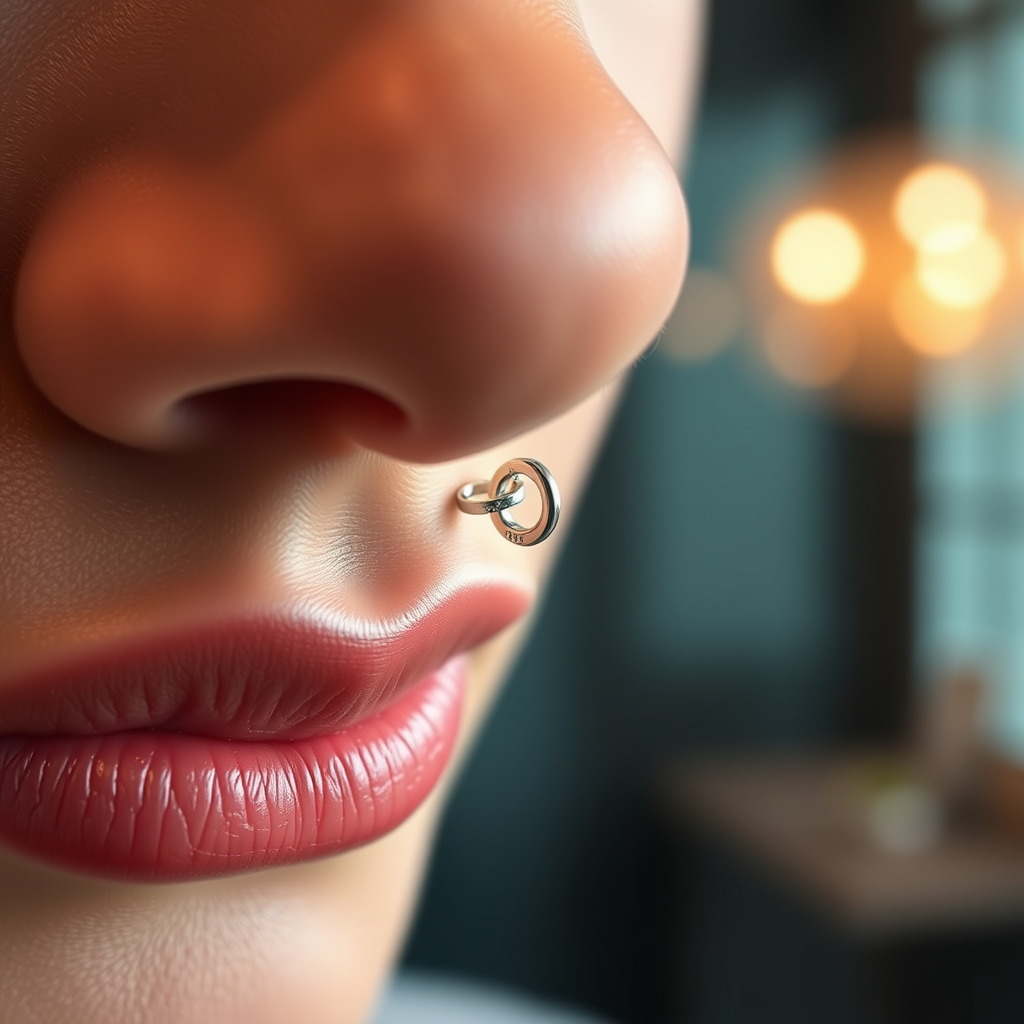
– Hoops: For those seeking a more expressive look, hoop nose rings offer a bold alternative. They come in various diameters and thicknesses, allowing for customization according to personal style. Hoops can range from small, delicate rings that hug the nostril to larger, statement pieces that can dramatically enhance your facial features. Additionally, they can be adorned with charms or gemstones, making them an ideal choice for those who wish to showcase their individuality.
Materials Used in Nose Rings
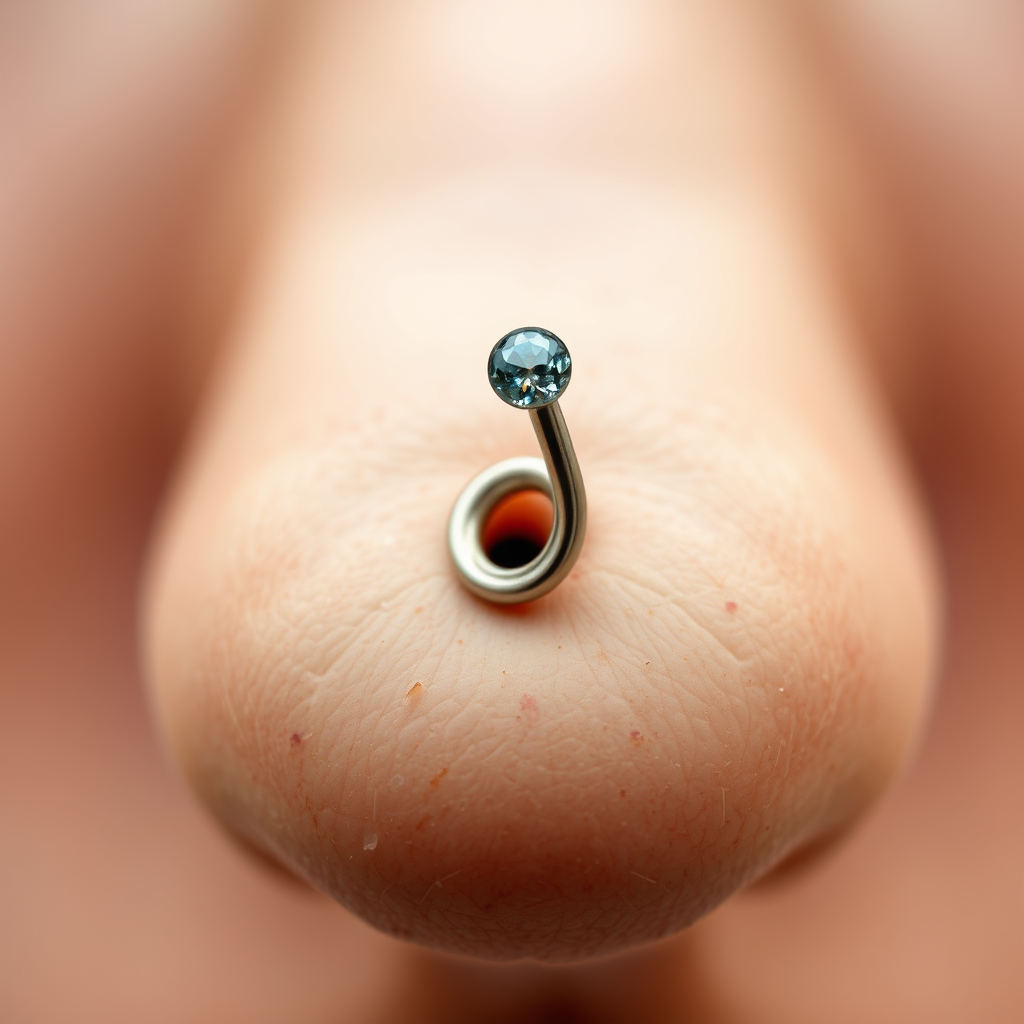
– Surgical Steel: One of the most recommended materials for nose rings, surgical steel is known for its hypoallergenic properties and durability. It is particularly suitable for new piercings, as it minimizes the risk of irritation and allergic reactions. Surgical steel is resistant to tarnishing and corrosion, ensuring that your jewelry maintains its shine over time. When selecting a surgical steel nose ring, ensure it is of high quality and specifically labeled for body jewelry to guarantee safety.
– Gold and Silver: Precious metals like gold and silver are favored for their aesthetic appeal. However, it’s crucial to choose high-quality options to avoid potential allergic reactions. For gold, select at least 14k to ensure durability and hypoallergenic properties. Sterling silver is another option but may require careful maintenance to prevent tarnishing. Always look for reputable jewelers to ensure the metal is free from harmful alloys that could irritate your skin.
Size and Fit Considerations
– Gauge Size: The gauge size of a nose ring refers to its thickness. Common sizes range from 20 gauge (0.8 mm) to 18 gauge (1.0 mm), with 20 gauge being the most common for nostril piercings. It’s essential to select a gauge that fits snugly but is not too tight, as overly thick jewelry can cause discomfort or hinder healing.
– Length and Diameter: Choosing the appropriate length and diameter is crucial for comfort and aesthetics. The length of the post should accommodate the thickness of your nostril without pulling or causing irritation. For hoop styles, the diameter should be chosen based on the desired fit—smaller hoops provide a closer fit, while larger ones create a more dramatic effect. Always consult with your piercer for recommendations tailored to your specific anatomy.
Style Options to Consider
– Minimalist Designs: Minimalist nose rings are perfect for individuals who prefer a subtle and refined look. These designs often feature simple shapes like tiny balls or simple gemstones that can enhance your features without overwhelming them. Minimalist styles can be easily paired with any outfit, making them versatile for both professional settings and casual outings.
– Decorative Pieces: For those looking to make a statement, decorative nose rings with intricate designs or colorful embellishments can be an excellent choice. These pieces may include floral motifs, geometric shapes, or even personalized engravings. Such styles not only serve as fashion statements but also allow for self-expression and individuality, making them particularly appealing to those who view body jewelry as an extension of their personality.
Aftercare and Maintenance
– Cleaning: Proper cleaning is essential for maintaining both the appearance and health of your nose ring. Use a saline solution or a gentle, alcohol-free antiseptic to clean the area around the piercing regularly. It’s also advisable to avoid using harsh chemicals that can irritate the skin. Maintaining cleanliness will help prevent infections and ensure your jewelry retains its luster.
– Changing Jewelry: Patience is key when it comes to switching out your nose ring. Most piercings require a healing period of six to eight weeks, during which it’s crucial to avoid changing your jewelry. Switching too soon can lead to complications such as irritation or even infection. Once fully healed, you can safely explore different styles and materials, allowing for greater expression of your personal style.
Common Mistakes to Avoid
– Choosing the Wrong Material: It’s vital to avoid low-quality metals for your nose ring, as they can cause allergic reactions and irritate the skin. Always opt for materials that are specifically designed for body jewelry, such as surgical steel or high-quality gold. This decision will significantly reduce the risk of complications and ensure a more pleasant wearing experience.
– Ignoring Healing Time: One of the most common mistakes is rushing the healing process. Each person heals at a different rate, and it’s crucial to listen to your body. Avoid the temptation to change jewelry prematurely, as doing so can disrupt the healing process and lead to long-term issues. Adhering to proper aftercare practices will facilitate a smoother healing journey and allow you to enjoy your nose ring for years to come.
Finding the right nose ring involves a thoughtful consideration of your personal style, the type of piercing, and the materials that best suit your skin. By exploring various types, sizes, and styles, you can select a nose ring that not only enhances your appearance but also fits comfortably and safely. Remember to prioritize aftercare and avoid common pitfalls to ensure a positive experience with your nose jewelry. Embrace the journey of self-expression through your nose ring choice, allowing your individuality to shine.
Frequently Asked Questions
What type of nose ring is best for sensitive skin?
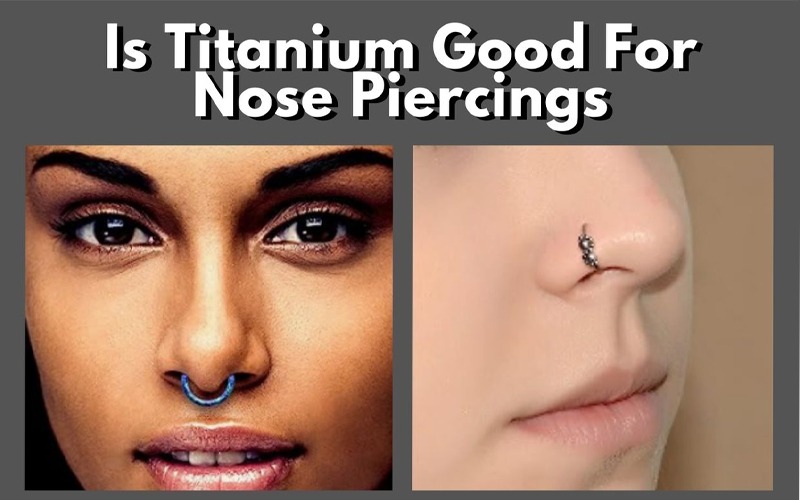
If you have sensitive skin, the best nose rings are typically made from materials like titanium, surgical stainless steel, or gold (at least 14k). These materials are hypoallergenic and less likely to cause irritation or allergic reactions. It’s crucial to avoid cheaper metals that may contain nickel or other allergens that can aggravate sensitive skin.
How do I choose the right size for my nose ring?
To choose the right size for your nose ring, it’s essential to measure the gauge and length accurately. Standard nose rings usually come in 20 to 22 gauge sizes. You can measure the thickness of your existing jewelry or consult your piercer for the correct size, ensuring it fits comfortably without being too tight or too loose.
Why is it important to consider the style of the nose ring?
Considering the style of the nose ring is important because it reflects your personal style and complements your facial features. Different styles, such as hoops, studs, or septum rings, can create various looks, ranging from subtle to bold. Additionally, some styles may be more comfortable based on your daily activities, so choosing wisely can enhance both aesthetics and wearability.
What is the best nose ring material for everyday wear?
For everyday wear, the best nose ring materials are surgical stainless steel or titanium, as they are durable, hypoallergenic, and resistant to tarnishing. Gold (14k or higher) is also a popular choice for its elegance and lower risk of causing allergic reactions. Selecting a high-quality material ensures longevity and comfort, making it ideal for daily use.
Which nose ring styles are trending right now?
Currently, trending nose ring styles include dainty hoops, minimalist studs, and unique septum rings with intricate designs. Many people are opting for personalized pieces, such as those featuring gemstones or custom engravings, to reflect their individuality. Staying updated on fashion trends can help you select a style that not only looks great but also resonates with your personal aesthetic.
References
- Nose piercing
- https://www.healthline.com/health/nose-piercing-types
- https://www.medicalnewstoday.com/articles/320241
- https://www.ncbi.nlm.nih.gov/pmc/articles/PMC6774738/
- https://www.mayoclinic.org/healthy-lifestyle/adult-health/expert-answers/nose-piercing/faq-20057724
- https://www.webmd.com/beauty/what-to-know-about-nose-piercings
- Thrombocytopenia: Causes and Risk Factors