Getting your nose pierced typically involves the use of a standard size nose ring, which is usually 20 gauge (0.8 mm) or 18 gauge (1.0 mm). These sizes are favored for their balance between comfort and durability, ensuring a secure fit while allowing for proper healing. Understanding the nuances of nose ring sizes can help you make informed decisions, whether you are a first-time piercee or looking to refresh your existing jewelry. In this article, we’ll explore the various sizes used, factors influencing the choice of size, and what you need to know before getting pierced.
Understanding Nose Ring Sizes

Nose ring sizes are quantified in gauges, a system where lower numbers indicate thicker jewelry. The gauge measurement stems from the wire drawing process, where a thicker wire results in a lower gauge number. For nose piercings, the most common gauges are typically 20 gauge and 18 gauge.
A 20 gauge nose ring, measuring approximately 0.8 mm in diameter, is widely used for initial piercings due to its balance of comfort and healing capabilities. It is thin enough to minimize trauma during the piercing process while still providing sufficient durability for everyday wear. Conversely, the 18 gauge nose ring, at 1.0 mm, offers a slightly thicker option, which can be more suitable for individuals with thicker nasal tissue or for those who prefer a sturdier piece of jewelry.
Understanding the gauge system is crucial when selecting a nose ring, as it plays a significant role in both the piercing experience and the long-term satisfaction with your jewelry.
Factors That Influence Nose Ring Size

Several factors can influence the choice of nose ring size, with individual anatomy and jewelry style being the most significant.
Individual Anatomy: The thickness of your nasal tissue and the shape of your nostrils can greatly affect the size selected for your piercing. For instance, individuals with thicker nasal tissues may experience less discomfort with an 18 gauge ring compared to a 20 gauge. Additionally, the anatomical structure of the nose can dictate how jewelry sits, impacting overall comfort and aesthetic appeal.
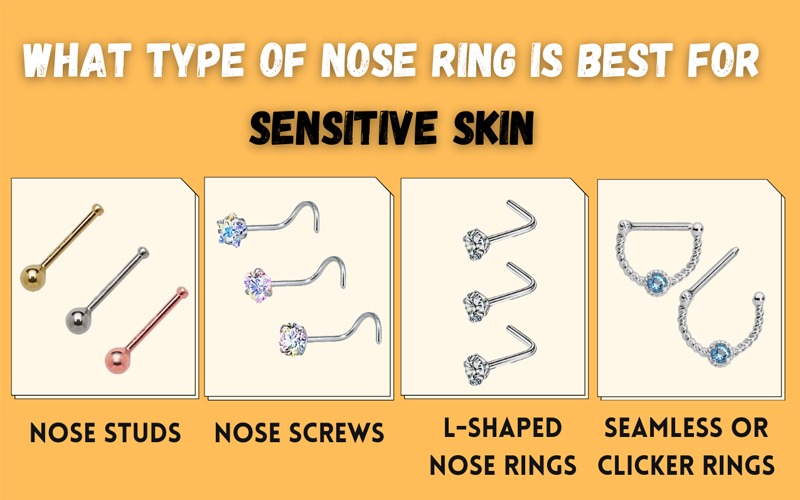
Jewelry Style: Different styles of nose jewelry, such as hoops, studs, or screw-on designs, may necessitate specific gauge sizes for optimal comfort and visual effect. For example, certain hoop styles might require a thicker gauge to maintain their shape and secure fit, while delicate studs may look more aesthetically pleasing in a thinner gauge. Therefore, when choosing a style, consider how it correlates with the gauge size to ensure both comfort and visual harmony.
The Piercing Process and Size Selection
The piercing process is a crucial aspect of obtaining a nose ring, and size selection is often guided by professional piercers. Trained piercers will assess your unique nose structure and recommend the best gauge based on their expertise and your preferences.
Before the procedure, communicate openly with your piercer about your desired look and any concerns you have regarding size or comfort. They may suggest starting with a 20 gauge if it’s your first piercing, as this size generally promotes easier healing and lower risk of complications. However, if you have specific preferences or a particular jewelry style in mind, discussing these with your piercer can lead to a more tailored experience.
The piercing process itself typically involves cleaning the area, marking the piercing location, and using a sterile needle to create the hole, followed by inserting the chosen nose ring. This professional approach helps ensure a smooth process and minimizes risks associated with DIY piercings.
Healing Time for Different Sizes
Healing time for nose piercings can vary based on the gauge selected and individual factors. Generally, a 20 gauge nose ring will take about 4-6 weeks to heal, while an 18 gauge may take longer due to the increased thickness of the jewelry.
Healing times can also be influenced by individual care practices, lifestyle, and the body’s natural healing response. Proper aftercare is essential to facilitate healing and prevent complications such as infections or irritation. During the healing period, it’s vital to monitor the piercing site for any signs of abnormality, such as excessive swelling, persistent pain, or discharge.
For those who are particularly active or exposed to environments that may irritate the piercing, it may be beneficial to discuss potential adjustments with a professional piercer to ensure a smooth healing process.
Aftercare Tips for Your Nose Piercing
Aftercare is a crucial part of the nose-piercing journey, as it significantly impacts the healing process and overall outcome. To maintain cleanliness and reduce the risk of infection, follow these essential tips:
– Clean the area regularly: Use a saline solution or a mild antiseptic specifically designed for piercings, applying it gently around the piercing site at least twice a day. This practice helps to keep the area free from bacteria and promotes healing.
– Avoid changing the nose ring: It’s critical to avoid switching out your nose ring until the piercing is fully healed. Doing so prematurely can lead to irritation, increased healing time, or even infection. Stick with the original jewelry recommended by your piercer during the healing phase.
– Be cautious with activities: Avoid activities that may put undue stress on the piercing, such as rigorous exercise, swimming in pools or lakes, and playing contact sports. These activities can lead to irritation or complications.
– Watch for signs of complications: Keep an eye on the piercing for any unusual signs, such as excessive redness, swelling, or pus. If any of these symptoms occur, consult your piercer or a healthcare professional for guidance.
When to Consider Changing Sizes
After your nose ring has healed, you may want to explore changing sizes or styles. Transitioning to a different gauge size can be a personal choice influenced by comfort, aesthetic preferences, or lifestyle changes.
Once the initial piercing has fully healed, consult your piercer about the possibility of transitioning to another gauge. They can provide insight into whether a switch to a thinner or thicker gauge is appropriate based on your healing experience and individual anatomy. Additionally, you may wish to explore various jewelry styles that align with your personal taste, from elegant studs to more daring hoops.
When considering a change, prioritize comfort and practicality. Ensure that any new jewelry fits well and complements your lifestyle, as well as your personal aesthetic.
Nose piercings can be a beautiful form of self-expression, and understanding the standard sizes used can help you make informed decisions. If you’re considering getting a nose ring or have questions about the process, consult a professional piercer for personalized advice tailored to your needs. Being informed will not only enhance your experience but also ensure that your nose piercing remains a source of pride and beauty for years to come.
Frequently Asked Questions
What size nose ring do they typically use for a standard piercing?
For a standard nose piercing, piercers generally use a nose ring size of 20 gauge (0.8mm) or 18 gauge (1.0mm). These gauges are most commonly chosen because they provide a balance between comfort and stability, allowing for easier healing and less chance of migration. However, the final size may vary based on individual anatomy and the piercer’s recommendation, so it’s always best to consult with your professional piercer.
How do I choose the right size nose ring after my piercing?
After your nose piercing has healed, typically around 6-8 weeks, you can start considering a different size nose ring. It’s important to measure the diameter of the jewelry, which usually ranges from 5/16” to 3/8” for nostril piercings, to ensure a good fit. Additionally, consider your personal style and comfort when selecting the size and style, as well as any sensitivities or allergies to certain materials.
Why is it important to use the correct size nose ring for my piercing?
Using the correct size nose ring is crucial for both healing and comfort. An improperly sized ring can lead to irritation, discomfort, or even complications like infections or migration. The right size ensures that the jewelry fits snugly without being too tight or loose, allowing for proper airflow and minimizing the risk of trauma to the piercing site during the healing process.
What is the best material for a nose ring after piercing?
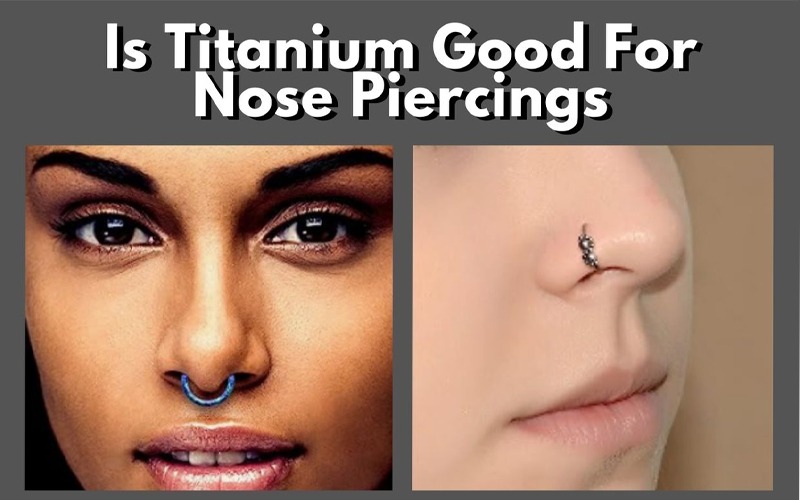
The best materials for a nose ring after piercing include surgical stainless steel, titanium, and gold (14k or higher). These materials are hypoallergenic, durable, and less likely to cause irritation, making them ideal for healed piercings. Avoid materials such as nickel or low-quality metals, as they can trigger allergic reactions and prolong healing times.
Which nose ring styles are recommended for new piercings?
For new nose piercings, the most recommended styles include stud posts and L-shaped nose pins. These styles are less likely to catch on clothing or other objects, reducing the risk of irritation during the healing process. Additionally, ensure that the jewelry has a secure backing to prevent it from falling out, and always choose materials that are appropriate for sensitive skin to promote optimal healing.
References
- Nose piercing
- https://www.ncbi.nlm.nih.gov/pmc/articles/PMC4802848/
- https://www.healthline.com/health/nose-piercing
- https://www.verywellhealth.com/nose-piercing-5114180
- https://www.mayoclinic.org/healthy-lifestyle/adult-health/in-depth/piercings/art-20045793
- https://www.thepiercing.com/nose-piercing-guide/
- https://www.americanpiercers.org/faq/