If your nose ring gets infected, the first step is to remove the jewelry to prevent further irritation and allow your body to heal. It is essential to take immediate action to manage the infection effectively, as neglecting it can lead to more severe complications. In the following sections, we will explore the implications of nose ring infections, immediate steps for treatment, home remedies, when to seek medical attention, and preventive measures to ensure your piercing remains healthy.
Understanding Nose Ring Infections

Nose ring infections typically occur when bacteria enter the piercing site, which can happen for several reasons. Improper aftercare, such as insufficient cleaning or touching the area with unwashed hands, is often a primary contributor. Understanding the signs of an infection is crucial for timely intervention. Common symptoms include redness around the piercing, swelling that may extend to surrounding areas, pain or tenderness at the site, and discharge that may be clear, yellow, or greenish in color. These symptoms are your body’s way of signaling that it is fighting an infection, and recognizing them early can help you take the necessary steps to mitigate complications.
Immediate Steps to Take

Upon noticing any signs of infection, the first action should be to remove the nose ring. This step is vital as it allows airflow to the area and reduces further irritation caused by jewelry. Once the jewelry is removed, gently clean the affected area using a saline solution or a mild antiseptic. Saline solutions can be easily prepared at home by mixing one teaspoon of non-iodized salt in a cup of warm distilled water. Dampen a clean cotton ball or gauze with the solution and gently dab the area around the piercing. Avoid forcefully scrubbing the site, as this can aggravate the infection. Monitoring the symptoms after removal and cleaning is essential; if you notice any worsening conditions, it may be time to seek further medical advice.
Home Remedies for Treatment
While waiting for an infection to subside, several home remedies can be employed to soothe the area and promote healing. Applying a warm compress to the infected site can help reduce inflammation and encourage blood circulation, which aids in the healing process. Simply soak a clean cloth in warm water, wring it out, and place it against the infected area for 10-15 minutes several times a day.
Additionally, natural remedies such as tea tree oil and aloe vera can be effective due to their antibacterial properties. Tea tree oil, diluted with a carrier oil like coconut or olive oil, can be applied to the area to help combat bacteria. Aloe vera gel can be applied directly to the piercing for its soothing effects and to help reduce swelling. Always perform a patch test before applying any new product to ensure that you do not have an adverse reaction.
When to Seek Medical Attention
In some cases, home remedies may not be sufficient to address the infection. It is crucial to seek medical attention if you experience severe pain, fever, or persistent swelling that doesn’t improve. A healthcare professional will be able to assess the severity of the infection and may prescribe antibiotics to combat bacterial growth. If an abscess forms, which is a pocket of pus that can develop in response to infection, the doctor may recommend drainage to alleviate pressure and allow healing. Delaying medical intervention can lead to more serious health issues, making it essential to listen to your body and act accordingly.
Preventing Future Infections
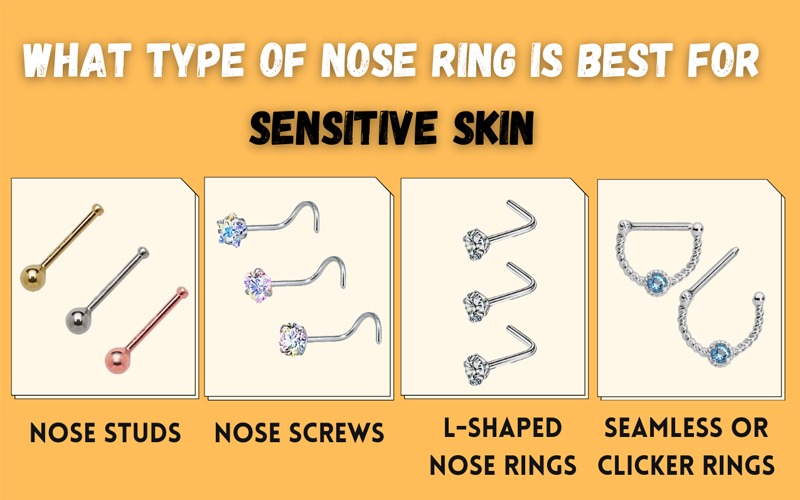
Preventing future infections requires a commitment to hygiene and care. Regularly cleaning the piercing with saline solution is essential for maintaining a healthy environment. Avoid touching your nose ring with dirty hands and refrain from changing the jewelry too soon after getting the piercing. High-quality jewelry made from hypoallergenic materials, such as surgical stainless steel, titanium, or gold, can significantly reduce the risk of irritation and allergic reactions.
Educating yourself about the aftercare process is also vital. Aftercare guidelines often recommend cleaning the piercing at least once or twice a day and avoiding harsh chemicals, such as alcohol or hydrogen peroxide, which can irritate the skin and delay healing. Additionally, it’s wise to avoid swimming in pools, hot tubs, or natural bodies of water until the piercing is fully healed, as these environments can introduce harmful bacteria.
Aftercare Tips for Piercings
Establishing a consistent aftercare routine is crucial for the health of your nose piercing. Start by ensuring that your hands are clean before touching the area, and always use sterile tools if you need to adjust or clean the piercing. In addition to saline solution, consider using a gentle, fragrance-free soap to cleanse the area during your daily shower.
Keeping the area dry is just as important as cleaning it. Moisture can encourage bacterial growth, so pat the area dry with a clean towel after washing. If you wear makeup, be cautious to avoid applying products near the piercing until it is fully healed. Finally, refrain from changing your nose ring too soon; it is generally advisable to wait at least 6 to 8 weeks before swapping jewelry, as this allows the piercing to heal properly.
Taking action quickly can help minimize complications from an infected nose ring. Remember to maintain good hygiene and always listen to your body. If symptoms persist or worsen, don’t hesitate to reach out to a healthcare professional for guidance. By being proactive and following proper aftercare, you can ensure a healthy and beautiful nose piercing for years to come.
Frequently Asked Questions
What are the signs that my nose ring is infected?
Common signs of an infected nose ring include redness, swelling, pain, and warmth around the piercing site. You might also notice pus or discharge, which can be yellow or green in color. If you experience increased tenderness or a fever, it’s essential to consult a healthcare professional, as these symptoms could indicate a more severe infection.
How can I treat a mild infection from my nose ring at home?
For a mild infection, it’s crucial to keep the area clean and avoid removing the nose ring, as this can cause the hole to close and trap the infection. Gently clean the area with saline solution or a mild saltwater mixture twice daily. Applying a topical antibiotic ointment can also help, but if symptoms persist or worsen, seek medical attention.
Why is my nose ring infected even though I followed aftercare instructions?
Infections can occur despite adhering to aftercare instructions due to several factors, including individual skin sensitivity, allergic reactions to the metal in the jewelry, or exposure to irritants like makeup and skincare products. Additionally, touching the nose ring with unwashed hands or not cleaning it regularly can introduce bacteria, leading to infection.
What is the best type of jewelry for preventing infections in nose piercings?
The best type of jewelry for preventing infections in nose piercings includes materials like surgical stainless steel, titanium, or 14k gold, as they are less likely to cause allergic reactions and irritation. Avoid jewelry made from nickel or low-quality metals, which can increase the risk of infection and other complications.
Which medical professional should I consult if my nose ring infection doesn’t improve?
If your nose ring infection does not improve with at-home care, it’s advisable to consult a dermatologist or a piercer with medical training who specializes in piercings. They can assess the infection’s severity, recommend appropriate treatments, and provide guidance on how to care for your piercing to prevent future issues.
References
- https://www.healthline.com/health/nose-ring-infection
- https://www.mayoclinic.org/diseases-conditions/piercing-infection/symptoms-causes/syc-20336885
- https://www.webmd.com/skin-problems-and-treatments/guide/piercing-infection
- https://www.cdc.gov/niosh/topics/piercings/default.html
- https://www.verywellhealth.com/nose-piercing-infection-5115930