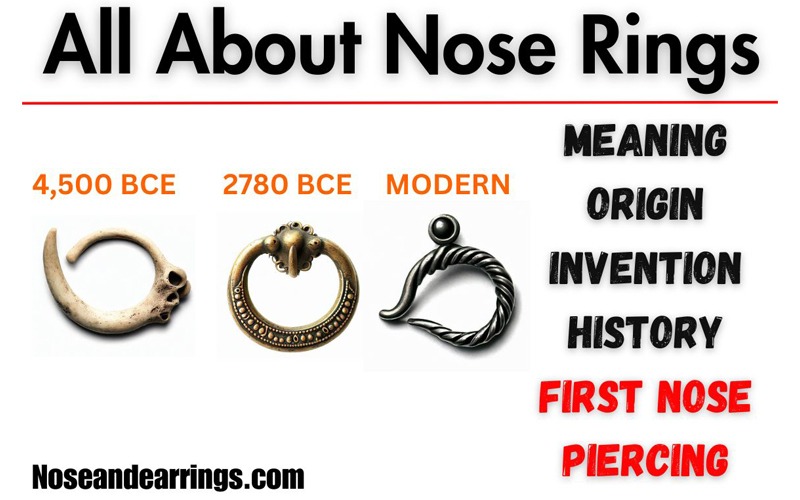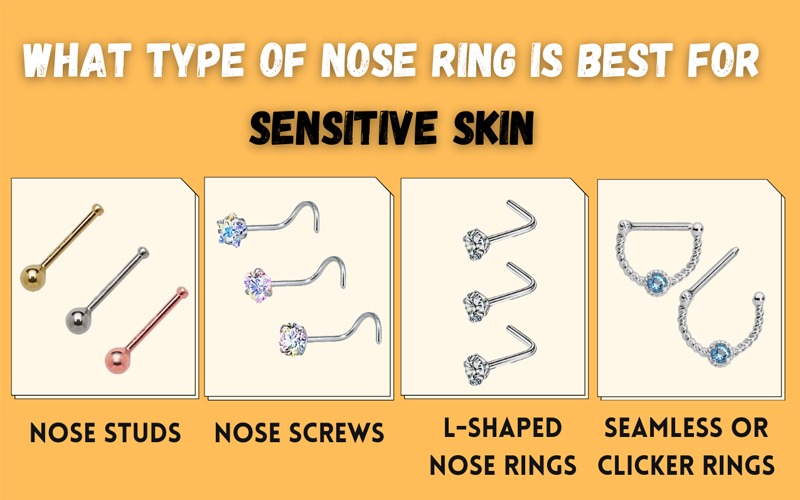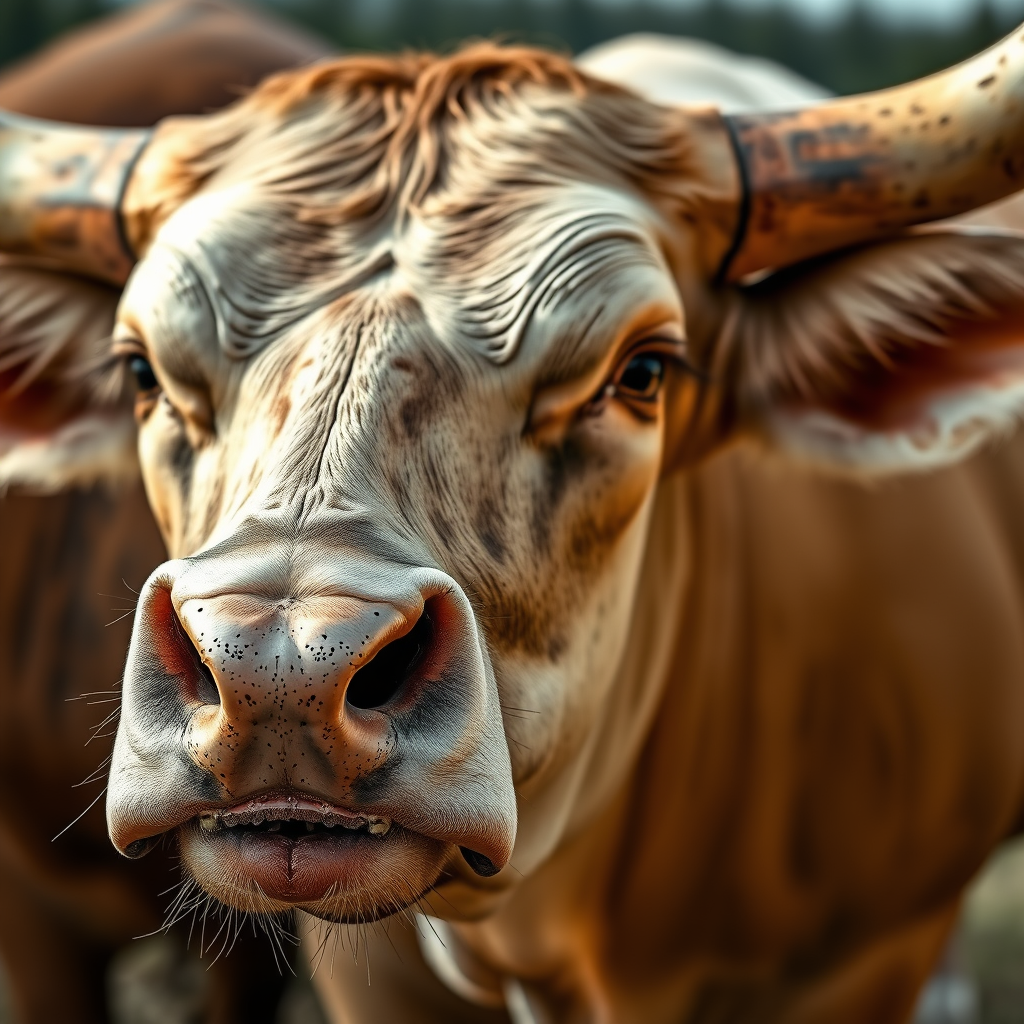
Bulls have nose rings primarily for control and management purposes. These rings help farmers and handlers manage the animal’s behavior more effectively, ensuring safety for both the bulls and the people around them. Nose rings are an essential tool in livestock management, providing a way to lead and handle bulls with minimal risk of aggression. In this article, we’ll explore the reasons behind this practice and its significance in livestock management.
The Purpose of Nose Rings
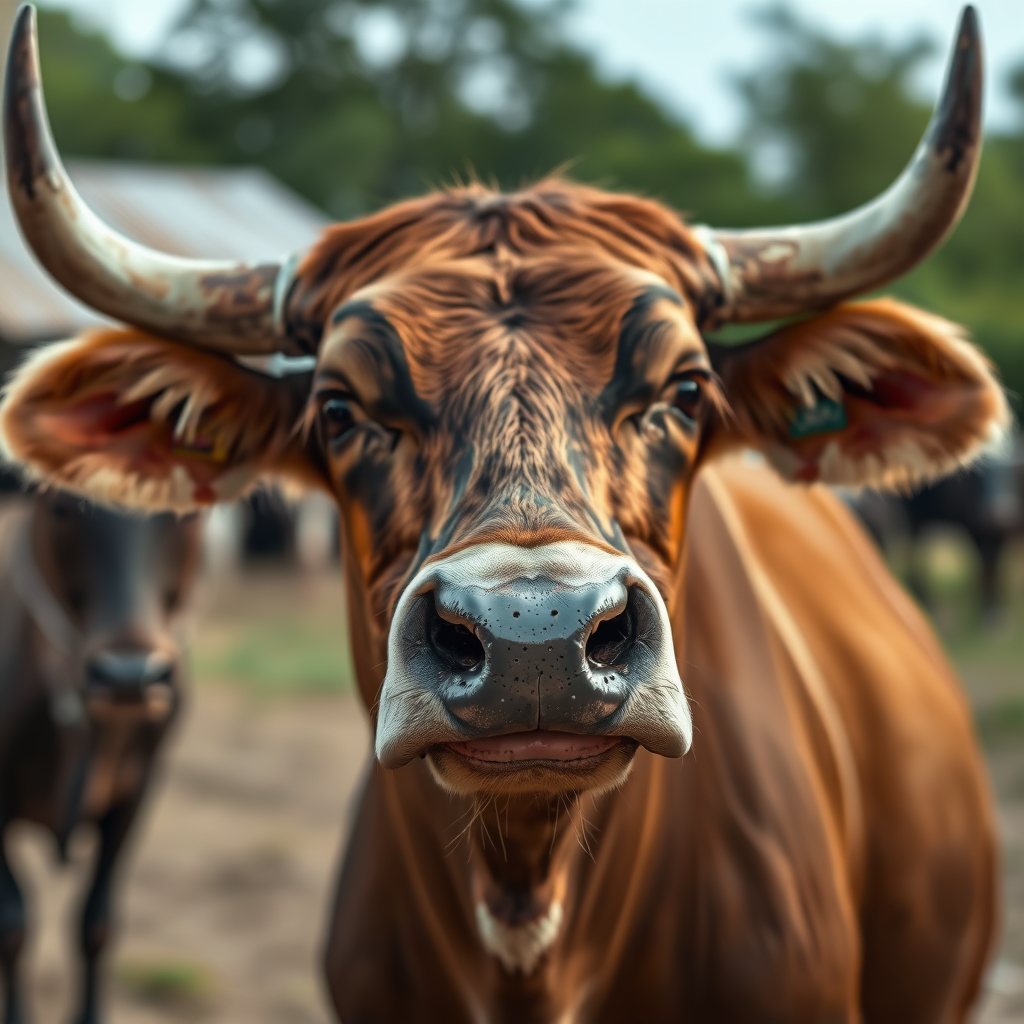
Nose rings serve as a crucial tool for restraint, preventing bulls from becoming aggressive and unmanageable. The design of the ring allows for easy attachment of a lead rope, providing handlers with a way to guide the animal safely. When a bull feels a slight tug on the ring, it instinctively responds by turning its head away from the pressure, which allows for more controlled movement. This mechanism is particularly important given the size and strength of bulls, which can pose a significant risk if they become agitated or aggressive.
Moreover, nose rings facilitate various management activities, such as veterinary care, transportation, and breeding. When bulls are fitted with a nose ring, it becomes easier to examine them physically, administer medications, or even lead them into pens or trailers. This enhanced control not only promotes better animal welfare but also ensures the safety of handlers who might otherwise be at risk when working with these powerful animals.
Historical Context
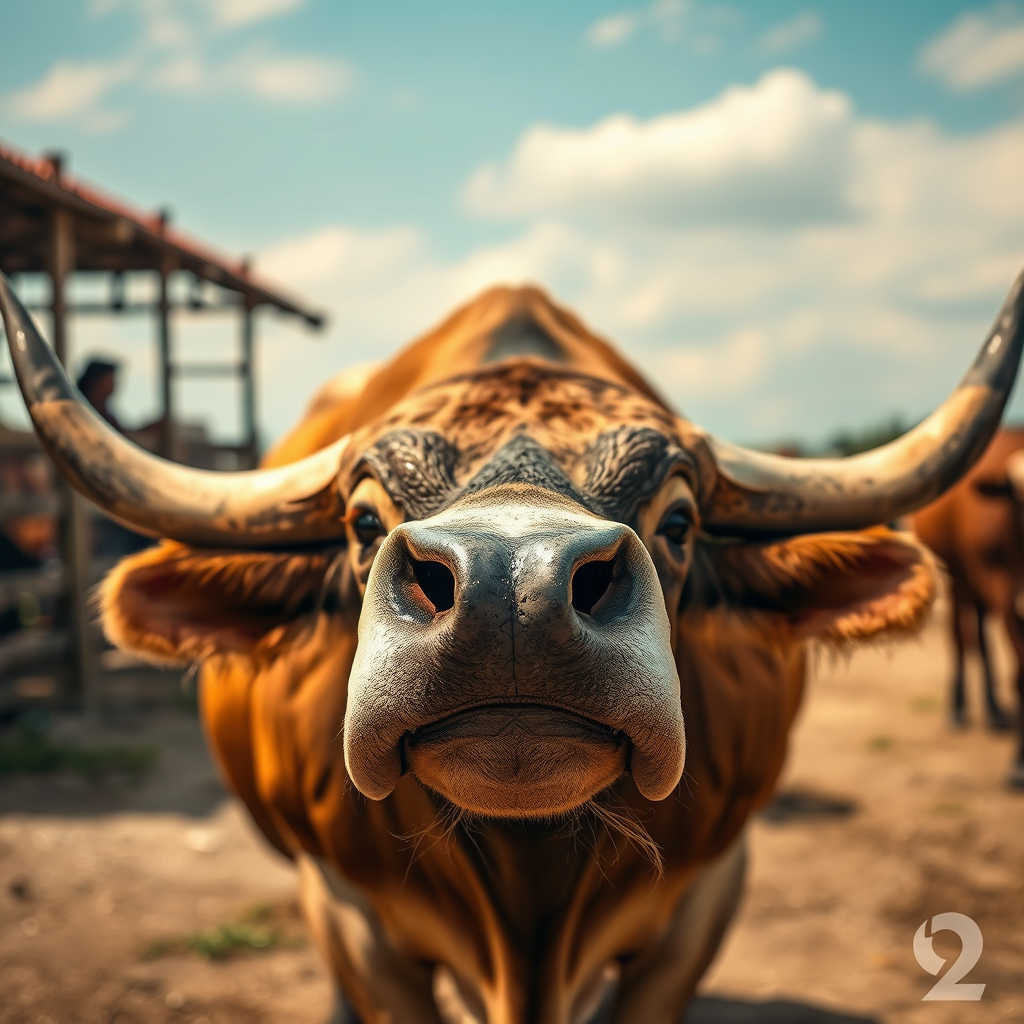
The use of nose rings in bulls is not a modern phenomenon; it has historical roots that date back centuries across various cultures. In ancient agricultural societies, farmers discovered that using a ring in the nose of bulls allowed them to manage these strong animals more effectively. Historical records indicate that such practices were prevalent in regions where livestock farming was central to the economy, including parts of Europe, Asia, and the Americas.
Understanding the historical significance of nose rings sheds light on modern practices. For example, in some cultures, nose rings were not only functional but also had symbolic meanings, representing strength and virility. This historical context highlights the evolution of livestock management techniques and how traditional practices have informed contemporary approaches to animal husbandry.
Behavioral Management
Behavioral management is a critical aspect of working with bulls, and nose rings play an essential role in mitigating aggressive tendencies. Bulls, particularly uncastrated males, can exhibit unpredictable behavior, especially during breeding seasons. The presence of a nose ring serves as a physical deterrent that allows handlers to exert control with minimal force.
Research has shown that bulls fitted with nose rings are less likely to charge or exhibit dangerous behavior when compared to those without. The ability to guide the animal through gentle pressure on the nose can significantly reduce the likelihood of confrontations. This strategy not only protects handlers but also minimizes stress and discomfort for the animal itself, promoting a more harmonious interaction between humans and livestock.
Handling and Safety
Proper use of nose rings enhances safety for both the bull and its handlers. With the right training, handlers can use nose rings to lead bulls safely in various situations, such as during veterinary visits or in crowded environments. The ring provides a clear point of control that allows for effective communication between the handler and the animal.
One notable example of effective handling with nose rings can be seen in rodeos or livestock shows, where bulls are often transported or exhibited in close quarters. In these high-stress situations, the presence of a nose ring can help prevent injuries by allowing handlers to maintain a secure grip without resorting to forceful methods. This approach not only protects the handlers but also ensures that the bulls remain calm and composed, reducing the overall risk of accidents.
Alternatives to Nose Rings
While nose rings are a common tool in managing bull behavior, there are alternative methods that some farmers and handlers prefer. Techniques such as behavioral conditioning, training, and the use of halters are gaining popularity as more humane approaches to managing livestock.
Behavioral conditioning involves teaching bulls to respond to commands and cues without the need for physical restraint. This method can foster a stronger bond between the handler and the animal, leading to improved cooperation and reduced aggression. However, training requires time, patience, and consistency, and may not be feasible for every situation.
Halters, which are typically less invasive than nose rings, can also be used to manage bulls. While they provide a means of control, they may not be as effective in preventing aggressive behavior as nose rings. Each method has its pros and cons, and the choice often depends on the specific needs and circumstances of the handler and the animals involved.
Ethical Considerations
The use of nose rings raises important ethical considerations regarding animal welfare. Critics argue that any form of physical restraint can lead to discomfort or pain, and they advocate for more humane alternatives. The debate surrounding nose rings often centers on the balance between effective management and the ethical treatment of animals.
To address these concerns, it is essential to implement practices that ensure humane treatment while maintaining effective management. This includes regularly assessing the condition of the nose ring, ensuring proper fitting, and monitoring the animal’s behavior for signs of stress or discomfort. Additionally, educating handlers on the best practices for using nose rings can foster a culture of responsibility and respect towards livestock.
Conclusion
In summary, nose rings play a crucial role in the management and safety of bulls, helping handlers maintain control and reduce aggression. While their use has historical roots and serves practical purposes in livestock management, it is essential to weigh the benefits against ethical considerations and explore alternative methods for ensuring the well-being of these animals. As the field of animal husbandry continues to evolve, ongoing discussions and research will be vital in finding the best practices for managing livestock compassionately and effectively. For further information on animal husbandry practices, consider exploring additional resources or consulting with livestock management experts.
Frequently Asked Questions
Why do bulls have nose rings?
Bulls have nose rings primarily to facilitate handling and control. The ring is inserted through the nasal septum and provides a point for farmers and handlers to hold onto, making it easier to guide and manage the animal. This practice is particularly common in livestock management, as it helps ensure safety for both the handler and the bull during activities such as veterinary care or transportation.
How do nose rings affect a bull’s behavior?
Nose rings can influence a bull’s behavior by making it easier for handlers to guide and redirect them. The presence of the ring can deter aggressive behavior, as the discomfort associated with the ring can serve as a gentle reminder to the bull about its surroundings. However, it’s essential to note that proper handling techniques and training are still crucial for maintaining a calm and manageable bull.
What are the benefits of using a nose ring on bulls?
The benefits of using a nose ring on bulls include improved safety for handlers and reduced stress for the animals during handling. The ring allows for better control when leading or restraining the bull, thereby minimizing the risk of injury. Additionally, it can aid in preventing unwanted breeding behaviors and help manage bulls during mating seasons, making it a practical tool in livestock management.
Which type of nose ring is best for bulls?
The best type of nose ring for bulls typically depends on the specific needs of the handler and the bull’s characteristics. Common options include simple, single rings made of durable metal or plastic, which are easy to insert and maintain. It’s essential to choose a ring that is appropriately sized and designed to minimize discomfort while ensuring effective control, so consulting with a veterinarian or experienced livestock handler can be beneficial.
What should I consider before putting a nose ring on a bull?
Before putting a nose ring on a bull, consider factors such as the animal’s age, size, and temperament, as well as your experience in handling livestock. It’s crucial to ensure that the procedure is conducted humanely and with proper techniques to minimize stress and pain. Additionally, consulting with a veterinarian for guidance on the best practices and appropriate materials can help ensure the well-being of the bull and the effectiveness of the nose ring.
References
- Bull ring
- https://www.theguardian.com/environment/2019/jan/24/why-do-farm-animals-need-nose-rings
- https://www.sciencedirect.com/science/article/pii/S1871141312003370
- https://www.ncbi.nlm.nih.gov/pmc/articles/PMC6627919/
- https://www.extension.iastate.edu/article/understanding-bulls-nose-rings
- Australia criticised over failure to investigate refugee deaths – ABC Pacific