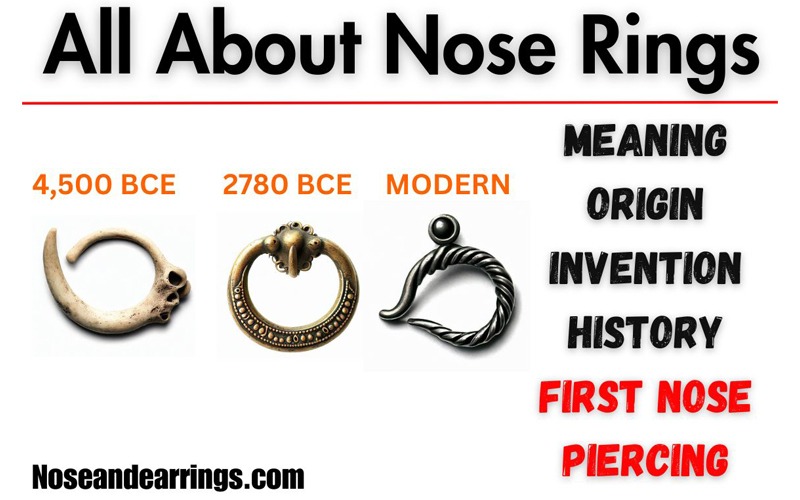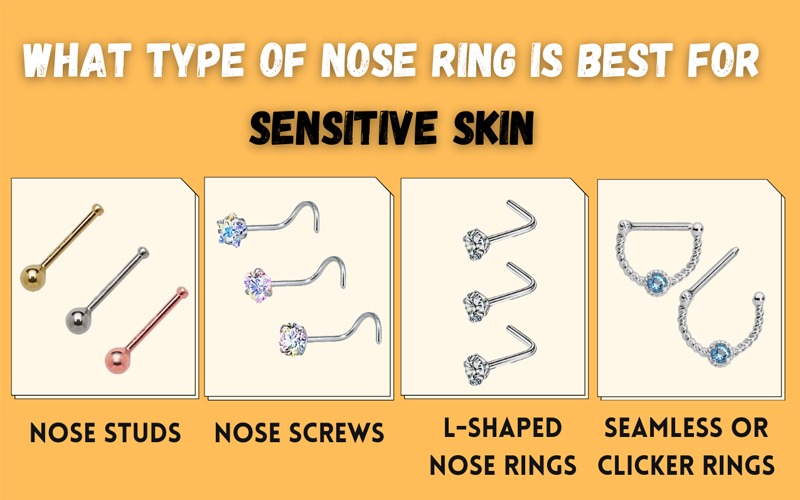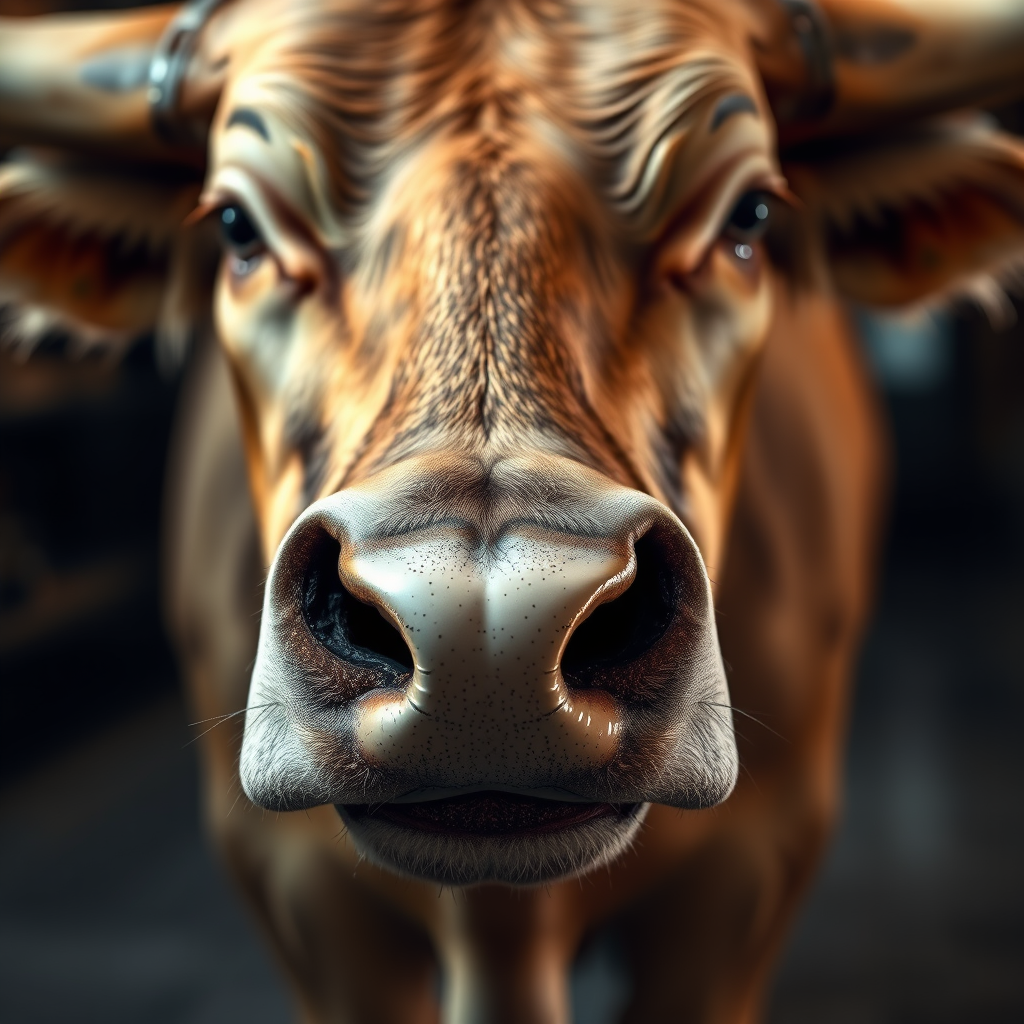
Bulls are often fitted with nose rings to facilitate handling and control, especially in farming and livestock management. These rings help prevent aggressive behavior and make it easier for handlers to lead or restrain the animal. As a result, nose rings serve both practical and safety functions, ensuring that the interaction between bulls and their handlers is more manageable, reducing the risk of injury to both parties. In this article, we’ll explore the reasons behind this practice, its benefits, and some considerations for farmers and animal welfare.
Historical Context of Nose Rings
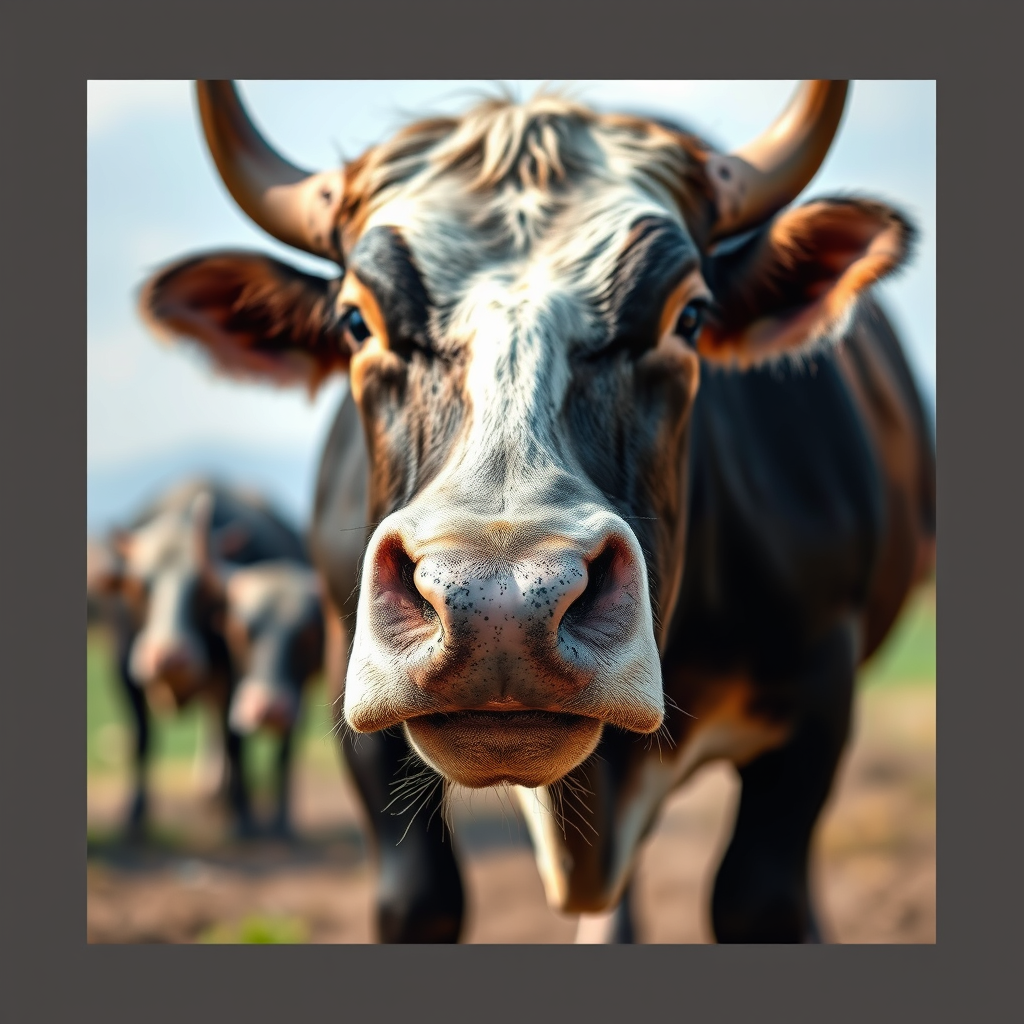
Nose rings have a rich history that spans various cultures and eras, dating back thousands of years. Initially, they were utilized not only for practical reasons but also for symbolic purposes in rites and rituals. In agrarian societies, the practice of using nose rings emerged as a method to manage the formidable strength and sometimes unpredictable behavior of bulls. Historical records indicate that ancient civilizations, such as those in Mesopotamia and Egypt, employed similar techniques to exert control over livestock, viewing it as a necessary measure for ensuring safety during agricultural activities.
The integration of nose rings into livestock management has evolved over the centuries, but their fundamental purpose has remained unchanged: to provide a means of restraint that minimizes the risks associated with handling large, powerful animals. This historical context sheds light on the longstanding relationship between humans and livestock, emphasizing the need for effective management tools in the farming industry.
Purpose of Nose Rings in Bull Management
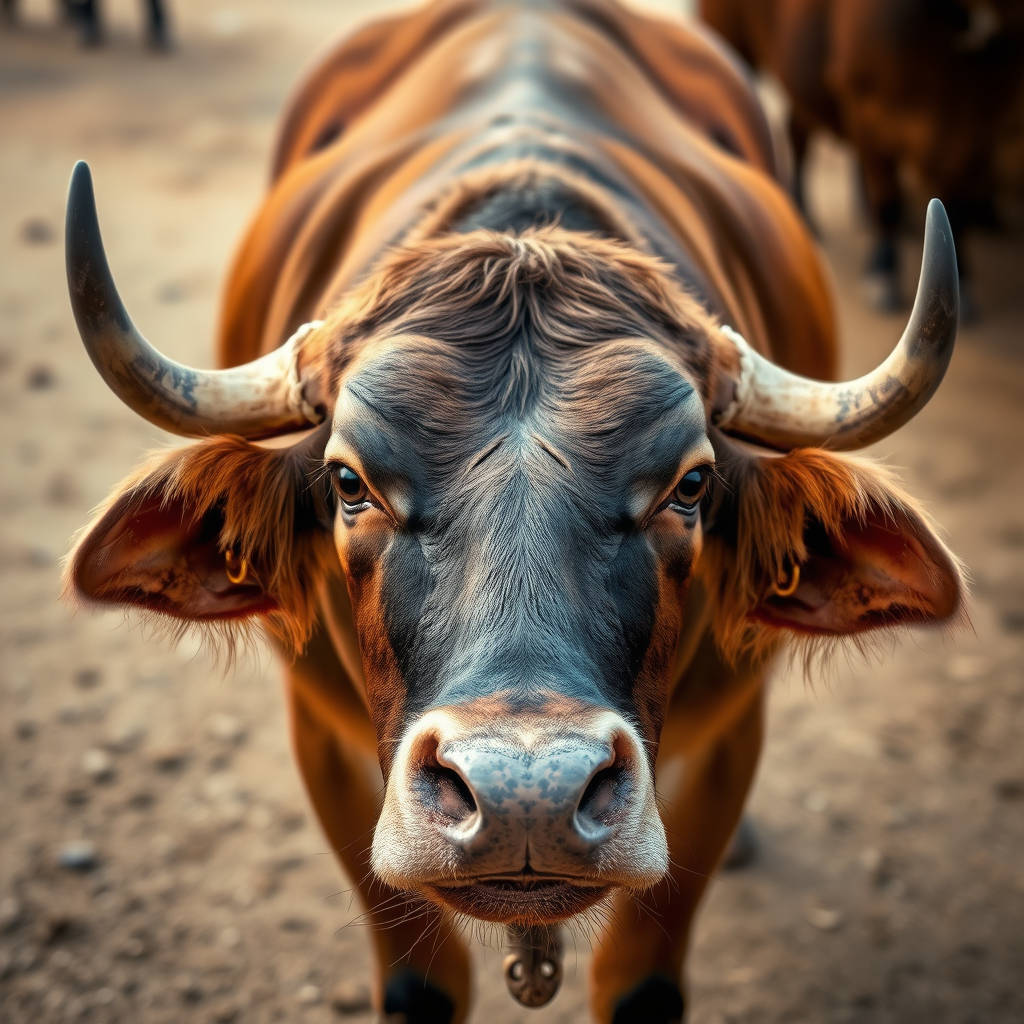
The primary purpose of nose rings is to serve as a physical restraint that significantly reduces aggressive behavior in bulls. When a bull is fitted with a nose ring, it allows handlers to exert control over the animal’s movements, making it easier to lead or guide them. The placement of the ring through the septum of the nose, a sensitive area, creates discomfort when the bull attempts to pull away or resist, thereby encouraging compliance.
This method is particularly advantageous during critical activities such as loading for transportation, veterinary care, or breeding. The ability to manage bulls effectively aids in minimizing the risk of injuries to handlers, other animals, and the bulls themselves. By utilizing nose rings as a control measure, farmers can ensure a safer working environment, which is crucial for both operational efficiency and animal welfare.
Benefits for Farmers
The implementation of nose rings in bull management offers several significant benefits for farmers. One of the most notable advantages is improved safety during handling and transportation. Bulls, being large and powerful animals, can pose substantial risks if they become agitated. Nose rings provide a practical solution to mitigate these risks, enabling farmers to manage their livestock more safely.
In addition to safety, nose rings facilitate easier management during various activities such as veterinary care, feeding, and breeding. For instance, when a bull is being examined by a veterinarian, a nose ring allows the vet to control the animal’s movements, ensuring a more thorough examination with reduced stress for both the animal and the handler. Furthermore, during breeding, bulls can be led more effectively to designated areas, optimizing the breeding process and improving overall herd productivity.
Animal Welfare Considerations
While nose rings can be an effective management tool, it is imperative to address animal welfare concerns associated with their use. The fitting and maintenance of nose rings should always adhere to humane practices to minimize pain and stress for the animal. It is crucial that farmers and handlers are trained in the appropriate techniques for fitting nose rings, ensuring that they are not overly tight and are placed correctly to avoid unnecessary discomfort.
Additionally, it is essential to recognize that the use of nose rings may induce stress if not managed properly. Animals can exhibit signs of distress, and it is the responsibility of the handler to monitor their behavior closely. Implementing proper training techniques and ensuring that the animal is accustomed to the ring can help mitigate stress levels, leading to a more positive experience for both the bull and the handler.
Alternatives to Nose Rings
While nose rings have been a traditional method for managing bulls, various alternatives exist that may also prove effective. Halters, for instance, are an increasingly popular choice among farmers. They provide a means of control without the need for a nose ring, allowing handlers to lead and guide bulls in a less intrusive manner. Well-trained bulls can respond positively to halters, and with the right conditioning, they may demonstrate less resistance compared to those fitted with nose rings.
Training techniques, such as positive reinforcement, can also be employed to encourage desired behaviors in bulls. By rewarding calm and compliant behavior, farmers can create an environment where bulls feel secure and less likely to exhibit aggressive tendencies. These alternatives not only promote better welfare outcomes but can also strengthen the bond between the animal and handler, leading to a more harmonious working relationship.
Regulations and Best Practices
The use of nose rings is subject to various legal regulations that differ across countries and regions. In some areas, specific guidelines dictate the circumstances under which nose rings can be used, along with standards for animal welfare during fitting and maintenance. Farmers should familiarize themselves with local regulations to ensure compliance and ethical practice.
Best practices for using nose rings responsibly include conducting regular assessments of the animal’s comfort and well-being. Farmers should also consider the age and temperament of the bull when deciding whether to implement a nose ring. Additionally, providing adequate training for both animals and handlers is essential to promote a safe and effective management approach.
Final Thoughts on Bulls and Nose Rings
In summary, the use of nose rings in managing bulls plays a crucial role in livestock management, offering significant safety and control benefits for handlers. However, it is vital to approach this practice with a focus on animal welfare, ensuring that the well-being of the bull is prioritized. By considering the historical context, purpose, benefits, and alternatives to nose rings, as well as adhering to regulations and best practices, farmers can navigate the complexities of bull management effectively. Ultimately, a balanced approach that recognizes both the practical needs of livestock management and the ethical implications of animal care is essential for a successful farming operation.
Frequently Asked Questions
Why do bulls have nose rings?
Bulls have nose rings primarily for control and safety purposes. The rings are inserted into the septum of the nose, allowing handlers to lead or restrain the animal more easily. This practice is common in cattle management, as it helps prevent aggressive behavior and reduces the risk of injury to both the bull and the handlers.
How does a nose ring help in managing bulls?
A nose ring helps in managing bulls by providing a physical point of control that can be used to guide the animal without causing excessive stress. When a handler pulls on the ring, it creates discomfort, prompting the bull to respond and cooperate. This method is crucial, especially in large-scale farming or during veterinary procedures, where safety and control are paramount.
What are the risks associated with using nose rings on bulls?
While nose rings can be effective for control, they come with certain risks. If improperly fitted or if the bull is not accustomed to the ring, it can lead to pain, injury, or infection. Additionally, if a bull becomes agitated, the nose ring can cause a safety hazard for both the animal and its handlers. It’s essential for farmers to use proper techniques and ensure the well-being of the animal.
Which type of nose ring is best for bulls?
The best type of nose ring for bulls depends on the individual animal’s size and temperament, as well as the specific needs of the farm. Common options include traditional bull rings, which are larger and more robust, and smaller, less invasive options for young bulls. It’s crucial to select a ring that ensures comfort while providing effective control and to consult a veterinarian for recommendations tailored to specific situations.
What should farmers consider before putting a nose ring in a bull?
Before putting a nose ring in a bull, farmers should consider the animal’s age, temperament, and overall health. It’s essential to ensure proper hygiene during the procedure to prevent infection and to choose the right size of the ring to avoid discomfort. Additionally, training the bull gradually to accept the nose ring can make the process smoother and reduce stress for both the animal and the handler.
References
- https://en.wikipedia.org/wiki/Nose_ring
- https://www.ncbi.nlm.nih.gov/pmc/articles/PMC6207318/
- https://www.agriculture.gov.au/animal/welfare/standards/animal-welfare-standards
- https://www.theguardian.com/environment/2020/feb/05/why-do-farmers-use-nose-rings-on-pigs
- https://www.lsu.edu/departments/ansc/documents/nose_rings.pdf
- https://www.thebalance.com/nose-rings-for-cattle-3025741