Bulls have nose rings primarily for handling and control, as they allow farmers and handlers to manage their behavior more effectively. This practice not only ensures the safety of both the animals and the personnel working with them but also plays a crucial role in livestock management. In this article, we will delve into the various reasons behind the use of nose rings, explore their historical context, examine behavioral aspects, discuss animal welfare considerations, look at alternatives, and review current regulations and best practices.
The Purpose of Nose Rings
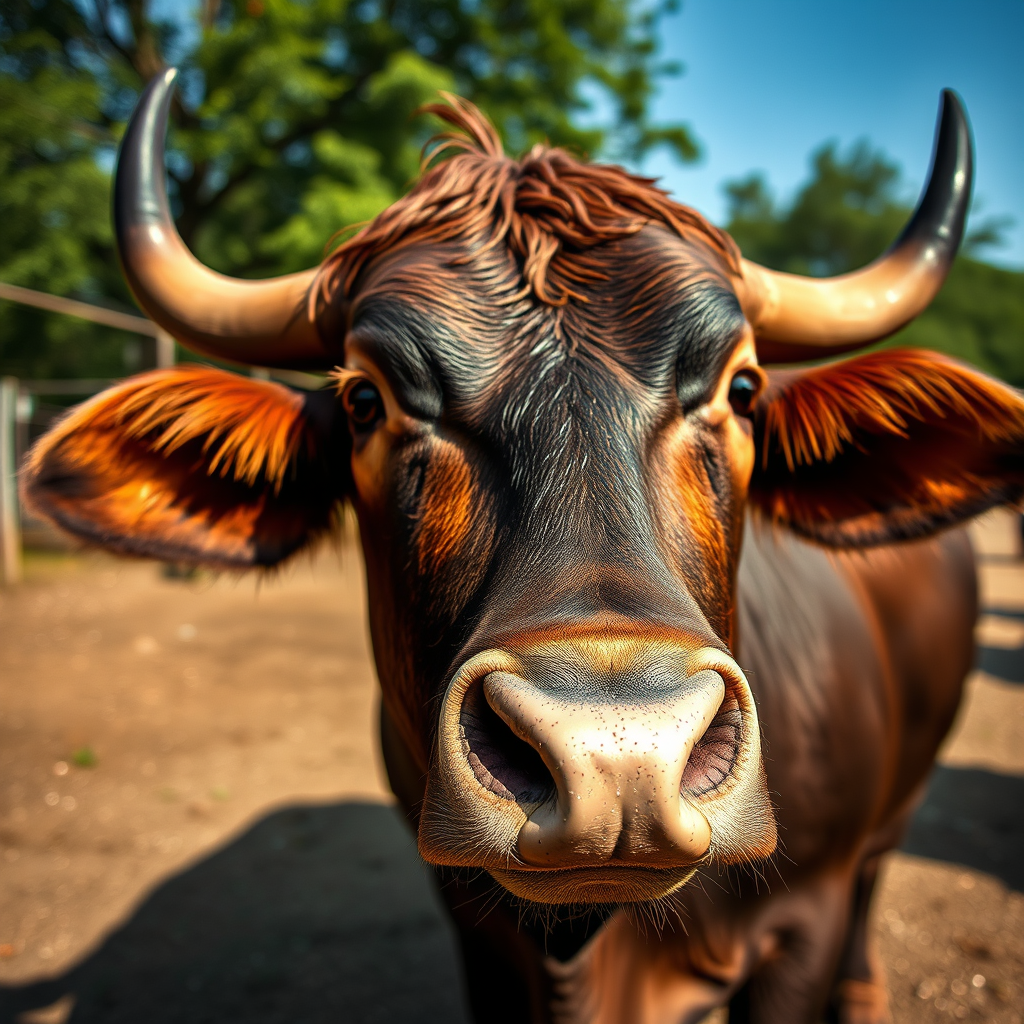
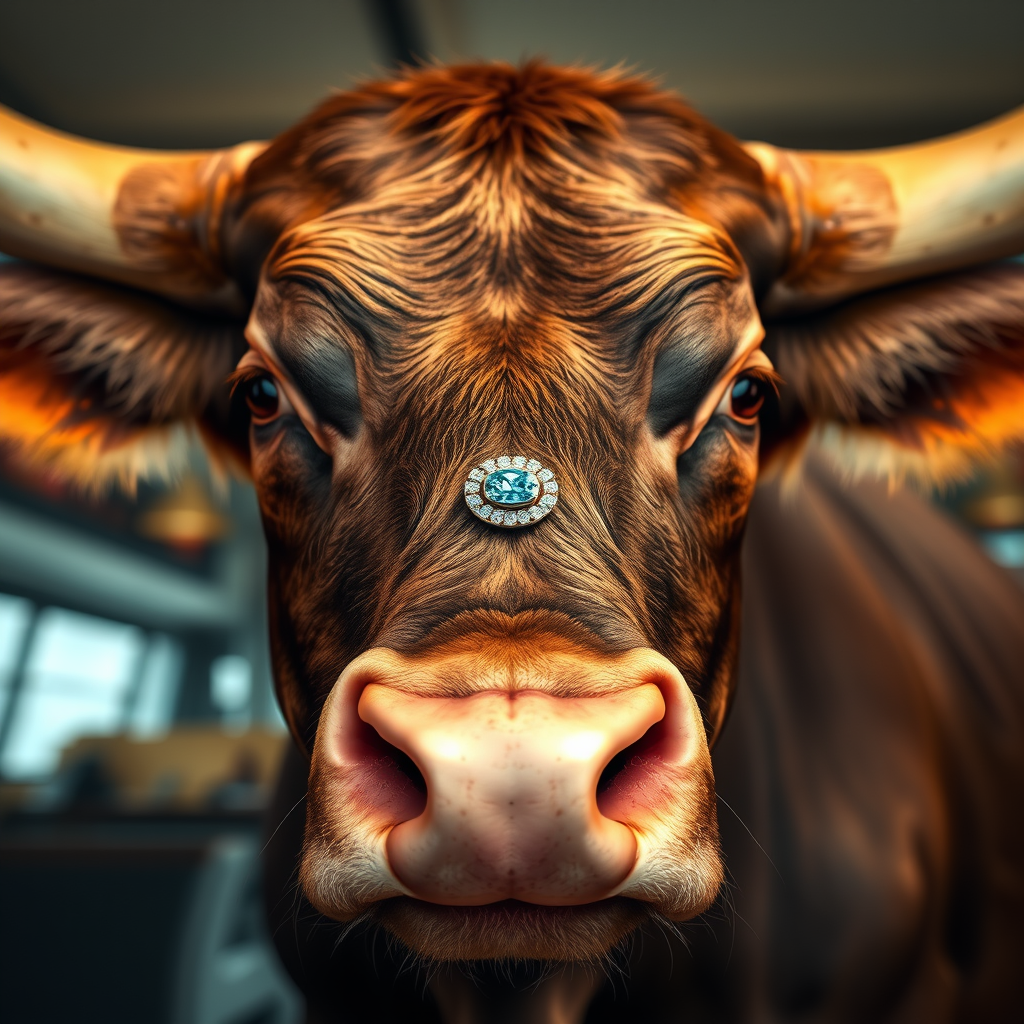
Nose rings serve a vital role in the management of bulls, particularly when it comes to controlling their movements during handling. The most common type of nose ring is a simple metal loop inserted through the cartilage of the bull’s nose. This ring provides a secure point of leverage, enabling handlers to guide or restrain the animal with minimal physical force. This method is especially important given the considerable strength and size of bulls, which can pose a significant risk if they become agitated or aggressive.
Moreover, nose rings help prevent injuries to both the bull and the handler. When a bull is fitted with a nose ring, it becomes easier to lead the animal to and from facilities, such as barns or veterinary clinics, without unnecessary stress or danger. The ring acts as a signal for the bull, helping it understand that it needs to comply with the handler’s direction. This reduces the chance of erratic behavior that could lead to accidents or injuries during routine handling tasks, such as vaccinations or hoof trimming.
Historical Context of Nose Rings
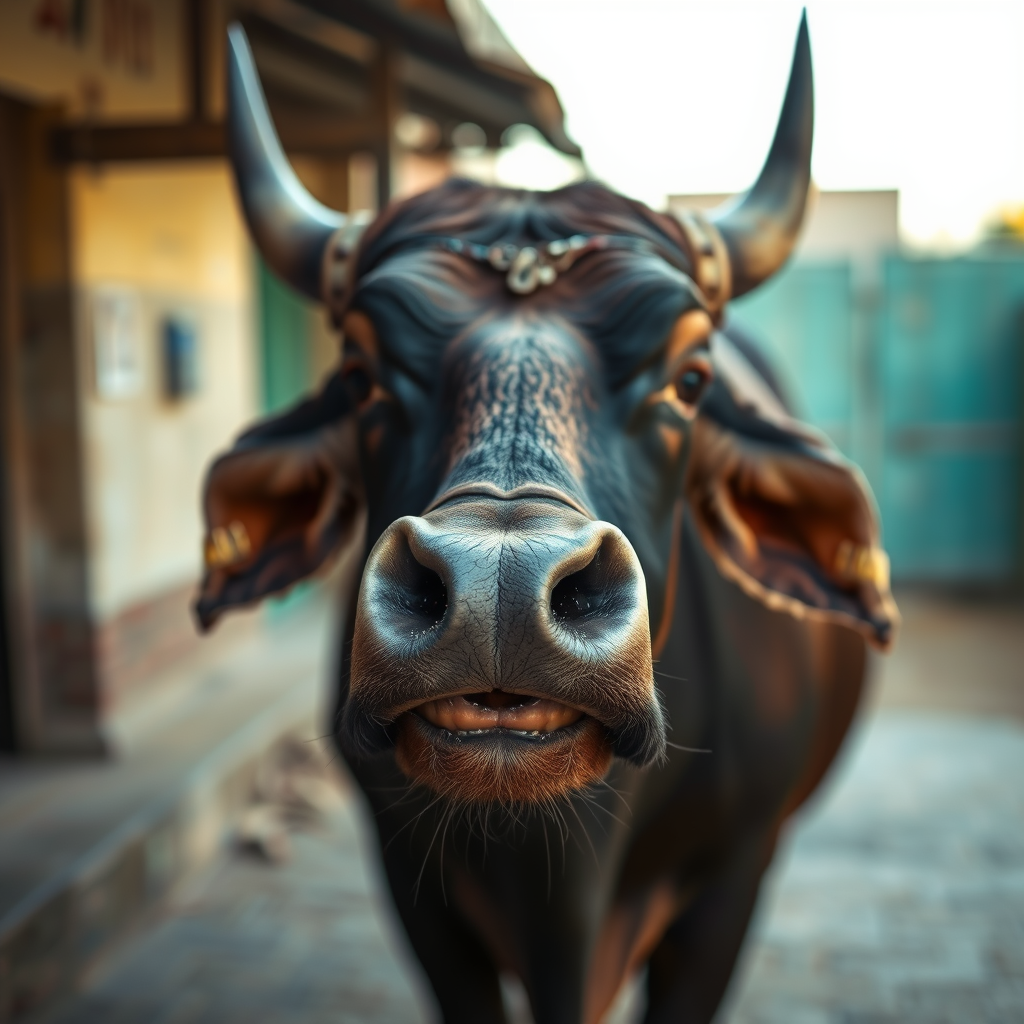
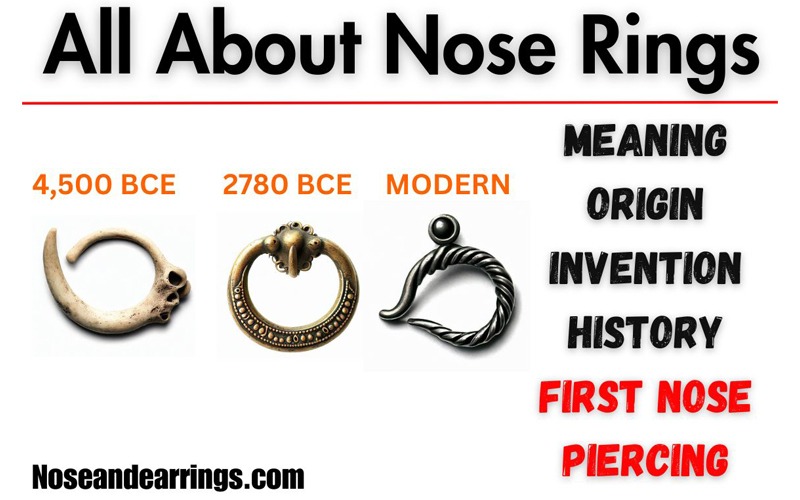
The use of nose rings can be traced back centuries, with roots in various cultures around the world. In ancient civilizations, such as those in Mesopotamia and Egypt, nose rings were not only tools for control but also symbols of ownership and status. Farmers and herders used these rings to assert dominance and establish authority over their livestock, reflecting the relationship between humans and animals throughout history.
In many cultures, bulls have been revered for their strength and vitality, often associated with agricultural prosperity and fertility. The practice of using nose rings thus evolved as a practical solution to manage these powerful animals. Over time, as agricultural practices became more sophisticated, so too did the methods of handling livestock, with nose rings remaining a staple for effective animal management.
Behavioral Aspects
Bulls, by nature, are strong and can exhibit aggressive behaviors, especially during mating season or when they feel threatened. Understanding these behavioral aspects is crucial for the safety of handlers and the well-being of the bulls themselves. The presence of a nose ring can help deter certain aggressive actions by providing a point of control that is less invasive than other methods, such as tying or restraining with ropes.
Research has shown that animals respond to physical cues, and the insertion of a nose ring can serve as a behavioral modification tool. For example, when a bull feels the resistance of the ring, it may instinctively learn to be more compliant, reducing instances of charging or unpredictable movements. This behavioral conditioning is essential not only for the safety of farm workers but also for the mental well-being of the animal, as it fosters a more predictable and calm environment.
Animal Welfare Considerations
The use of nose rings raises important questions regarding animal welfare and the ethical treatment of livestock. Critics argue that any form of physical restraint can lead to stress and discomfort for the animal. It is essential, therefore, to consider how nose rings are applied and the conditions under which they are used. Properly fitted nose rings, when used correctly, should not cause pain or distress to the bull.
To mitigate potential negative impacts on animal welfare, it is crucial for farmers to adhere to best practices for nose ring application. This includes ensuring that the rings are fitted appropriately, maintaining clean equipment, and regularly monitoring the bulls for any signs of injury or infection. Additionally, education and training for handlers on the humane treatment of livestock can further enhance animal welfare outcomes.
Alternatives to Nose Rings
While nose rings are widely used, there are alternative methods for handling and restraining bulls that may be less invasive. For instance, some farmers opt for halters or harnesses that can provide control without the need for a nose ring. These alternatives can be particularly effective when combined with positive reinforcement training techniques.
Behavioral modification methods, such as desensitization and counter-conditioning, can also be employed to encourage safer interactions between bulls and handlers. Training bulls to respond to verbal commands or hand signals can reduce reliance on physical restraints, fostering a more trusting relationship between the animal and its handler. Ultimately, exploring these alternatives can enhance the overall welfare of the bulls while still ensuring safe handling practices.
Regulations and Best Practices
Current regulations regarding the use of nose rings vary by region and country, with many jurisdictions establishing guidelines to ensure the humane treatment of livestock. Farmers are encouraged to familiarize themselves with local laws and best practices surrounding the use of nose rings and other handling methods.
Best practices include regular training sessions for handlers to promote understanding of animal behavior and welfare, as well as the implementation of stringent hygiene protocols to prevent infections. Furthermore, farmers should maintain open lines of communication with veterinarians to assess the health of their bulls and make informed decisions about the use of nose rings. By prioritizing animal welfare alongside safe handling, farmers can foster a more ethical approach to livestock management.
In summary, bulls have nose rings primarily for handling and control, facilitating safer interactions between animals and handlers. The historical context of nose rings reveals their longstanding role in livestock management, while behavioral aspects highlight the importance of control in ensuring safety. However, the practice raises critical animal welfare considerations that necessitate proper usage and care. Exploring alternatives and adhering to regulations can further enhance the ethical treatment of these animals.
We encourage readers to share their thoughts or experiences related to bull handling practices. Let us work together to explore more about animal welfare and responsible farming methods, fostering a deeper understanding and appreciation for the complexities of livestock management.
Frequently Asked Questions
Why do bulls have nose rings?
Bulls have nose rings primarily to facilitate handling and control of these large and powerful animals. The ring is typically inserted into the septum of the bull’s nose, allowing farmers or handlers to lead, restrain, or redirect the bull more easily without causing injury to themselves or the animal. This practice is particularly common in livestock management and ensures both safety and effective handling during breeding or veterinary procedures.
How does a nose ring affect a bull’s behavior?
A nose ring can influence a bull’s behavior by providing a means of control during handling. When a bull is led by the nose ring, it may be less likely to become aggressive or difficult to manage, as pulling on the ring can guide the animal’s direction. While some bulls may adapt well to the nose ring, it is essential for handlers to train them properly to ensure a cooperative relationship and to minimize stress for the animal.
What are the different types of nose rings used for bulls?
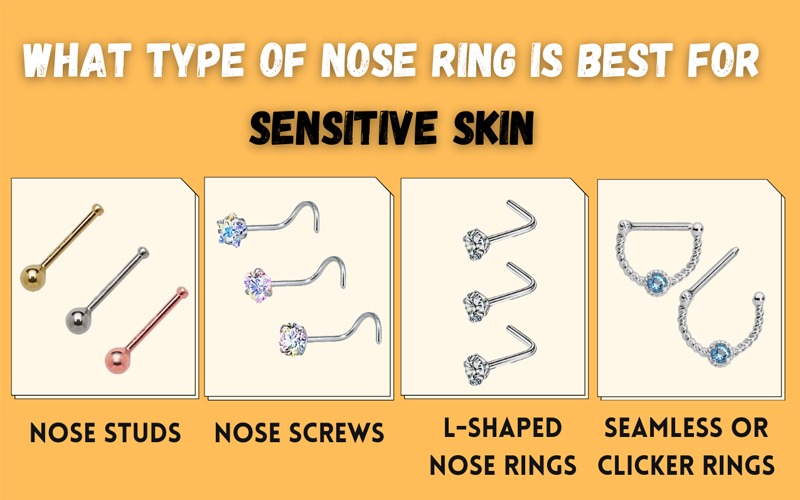
There are several types of nose rings used for bulls, including clip-style rings, screw-in rings, and flat rings. Clip-style rings are easy to insert and remove, making them suitable for temporary use, while screw-in rings offer a more secure fit for longer-term applications. Flat rings are typically used in situations where a less invasive option is preferred. The choice of nose ring depends on the bull’s temperament, the intended use, and the preferences of the handler.
Are there any risks or downsides to using a nose ring on bulls?
Yes, there are potential risks associated with using a nose ring on bulls. Improperly fitted rings can cause discomfort, irritation, or even infection at the insertion site. Additionally, if a bull is not accustomed to the ring, it may react aggressively or experience heightened stress. To mitigate these risks, it is crucial for handlers to ensure proper installation and to monitor the bull’s behavior closely, making adjustments as needed to promote welfare.
Which breeds of bulls are most commonly fitted with nose rings?
Nose rings are most commonly fitted to bulls that are used for breeding, showing, or those that are raised for meat production. Breeds such as Angus, Hereford, and Charolais often have nose rings for improved handling, especially during breeding season or in competitive environments. However, the decision to use a nose ring is based more on individual management practices rather than breed alone, as any bull may be fitted with one if deemed necessary for safety and control.
References
- https://en.wikipedia.org/wiki/Bullring
- https://www.ncbi.nlm.nih.gov/pmc/articles/PMC7239267/
- https://www.theguardian.com/environment/2020/nov/11/animal-welfare-issues-are-becoming-urgent
- Safety Checklist Program for Schools | NIOSH | CDC
- https://www.aaep.org/education/owner-education/bull-management-guide