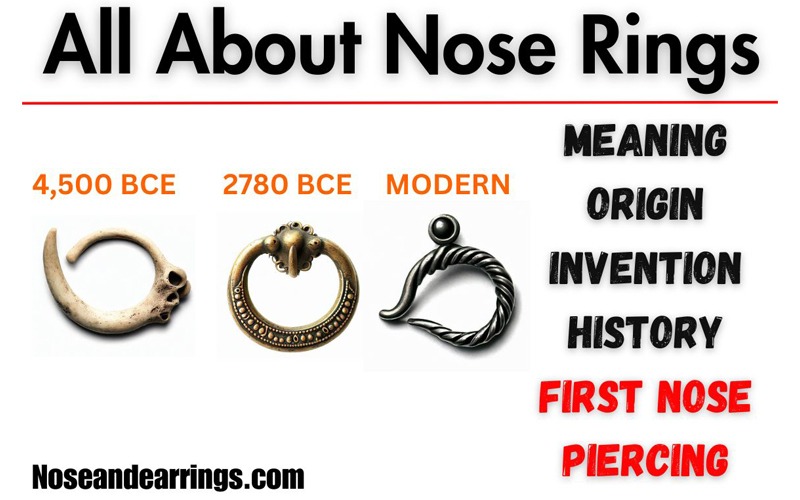
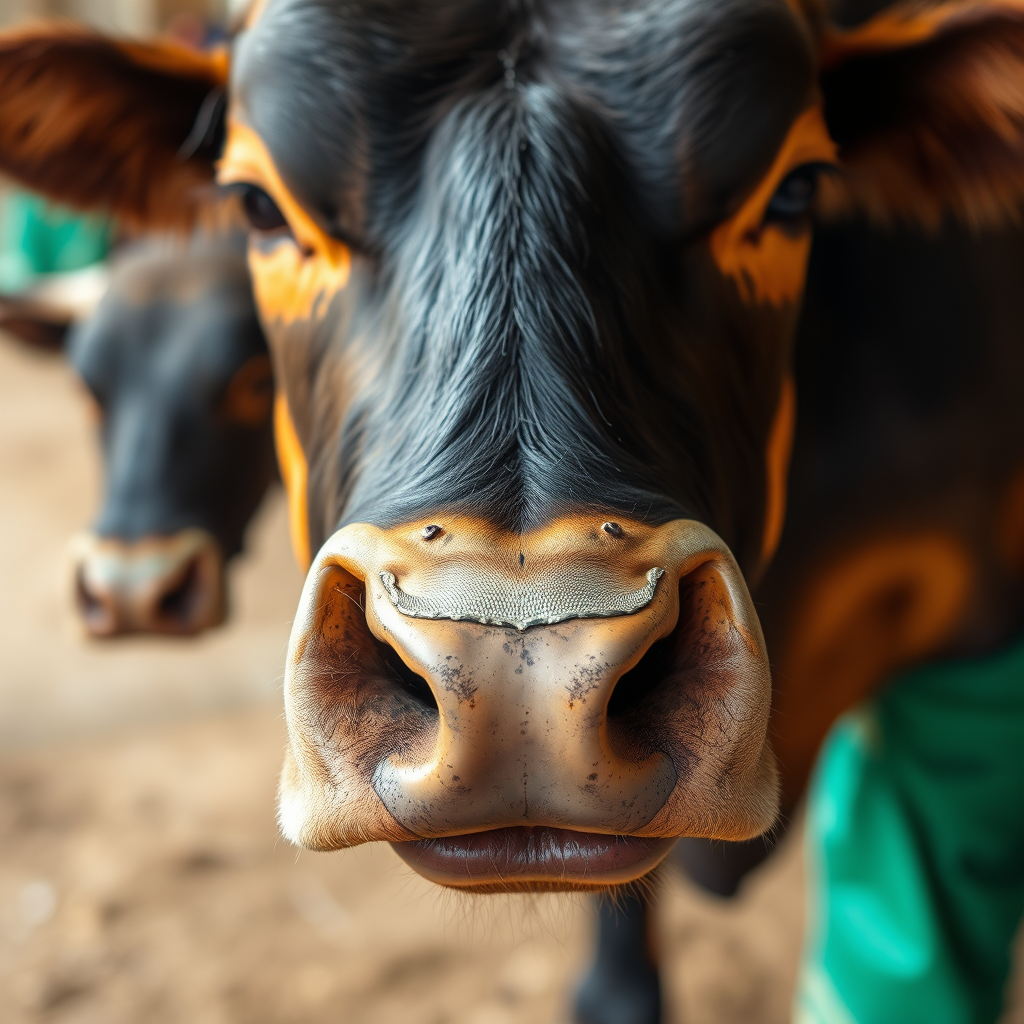
Bulls have rings in their noses primarily to facilitate control and handling. These rings, usually made of metal, serve as a critical tool for farmers and handlers, enabling them to manage these powerful animals safely and effectively. The practice of using nose rings has a rich historical context and offers numerous benefits not only for bulls but also for the people who work with them. In this article, we’ll explore the reasons behind this practice, its historical context, and the benefits for both bulls and handlers.
The Purpose of Nose Rings
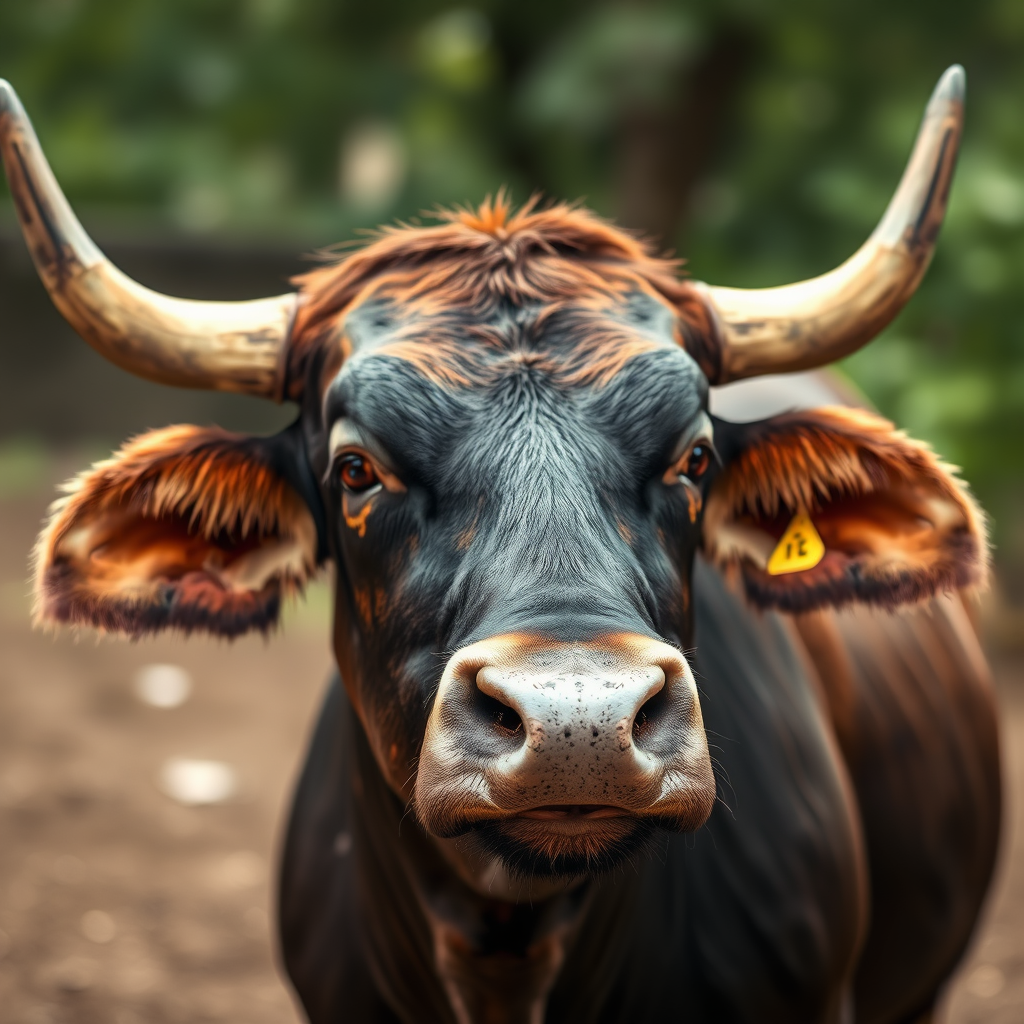
Nose rings are an essential component in the management of bulls, helping to reduce the risk of injury during interactions. Bulls are large, strong animals that can be unpredictable, especially when they feel threatened or agitated. The presence of a nose ring allows handlers to maintain control over the animal’s movements without relying solely on brute strength.
By attaching a lead rope to the nose ring, handlers can guide the bull more easily, directing it to move in a specific direction or to stand still. This method is particularly crucial during transportation, where the need for a calm and controlled environment is paramount. Furthermore, nose rings can help prevent aggressive behavior. When a bull feels discomfort from the ring, it can act as a deterrent against unwanted actions, promoting a safer interaction between the animal and its handlers.
Historical Context of Nose Rings
The use of nose rings can be traced back thousands of years, with records indicating their existence in ancient civilizations that domesticated cattle. Archaeological findings suggest that cattle were domesticated over 10,000 years ago, and as farming practices evolved, so did the methods for managing these animals.
In ancient societies, nose rings were not only practical but also symbolic. They were often associated with the wealth and status of the owner. Over time, the practice of using nose rings has evolved, adapting to modern farming techniques and animal husbandry practices. Despite these changes, the core reasons for their use—safety, control, and ease of handling—remain consistent throughout history.
Benefits for Bulls
While the primary focus of nose rings may seem to be the convenience they provide for handlers, there are significant benefits for the bulls themselves. One of the most notable advantages is the reduction of aggressive behavior. When a bull feels restrained or uncomfortable due to the ring, it may deter them from engaging in harmful actions, such as excessive head-butting or charging.
Moreover, the nose ring serves as a physical reminder of boundaries, allowing bulls to understand their limits within a human-dominated environment. This understanding can lead to a more stable temperament, promoting better overall health and wellbeing. Additionally, the use of nose rings can help avoid injuries that may arise from aggressive behaviors or from struggling against conventional restraints.
Benefits for Handlers
From the perspective of handlers, nose rings provide a safer working environment. They minimize the potential for accidents or injuries that can occur when managing large and powerful animals. The ability to exert control over a bull with minimal physical effort allows for safer interactions and reduces the chances of a handler being injured.
Furthermore, nose rings facilitate more efficient veterinary procedures. When a bull needs medical attention, the presence of a nose ring helps keep the animal calm and in place, making it easier for veterinarians to perform examinations or administer treatments. This effectiveness can lead to quicker recovery times and improved overall health for the animal.
Alternatives to Nose Rings
While nose rings are prevalent in the management of bulls, some farms and handlers opt for alternative handling methods, such as halters or collars. Halters, made of rope or nylon, can be equally effective in managing bull behavior and allow handlers to control the animal without inserting a ring into its nose.
Each method has its pros and cons, depending on the individual animal and the specific needs of the farm. For instance, halters may be more comfortable for the animal and less invasive than nose rings, but they may not provide the same level of control during aggressive interactions. The choice of handling method should be based on a careful assessment of the animal’s temperament, size, and the handler’s experience.
Animal Welfare Considerations
The use of nose rings raises important animal welfare considerations that must be addressed to ensure humane treatment. It is essential that nose rings are used correctly and that proper care is taken to avoid causing pain or distress to the animal.
Many veterinarians and animal rights advocates emphasize the importance of using the least invasive methods possible for effective handling. This includes regularly checking the fitting of the ring to prevent irritation or injury. Additionally, handlers should be trained in best practices to ensure that they are using tools like nose rings humanely and effectively, prioritizing the animal’s welfare at all times.
In summary, bulls have rings in their noses primarily for safety and control, benefiting both the animals and their handlers. Understanding the historical context, advantages, and alternatives can help foster better practices in animal management. As we continue to explore and refine our approaches to handling livestock, it is crucial to prioritize humane treatment and animal welfare. If you’re interested in learning more about animal handling techniques or welfare standards, consider exploring further resources or consulting with a veterinary professional.
Frequently Asked Questions
Why do bulls have rings in their noses?
Bulls have rings in their noses primarily for handling and control purposes. The ring is inserted into the nasal septum and allows farmers and handlers to lead, guide, or restrain the bull more effectively. This practice is essential for safety, as bulls can be large and aggressive, and the ring provides a way to manage them without causing harm to the animal or the handler.
How does a nose ring affect a bull’s behavior?
A nose ring can help modify a bull’s behavior by providing a means of control without resorting to rough handling. When a bull is accustomed to having a ring in its nose, it can be more easily guided or redirected, which can reduce aggressive tendencies. However, it’s important to note that the ring itself does not change the bull’s temperament; proper training and handling techniques are crucial for safe interactions.
What are the benefits of using a nose ring on bulls?
The primary benefits of using a nose ring on bulls include improved safety for both the animal and the handler, as well as easier management during veterinary checks or transportation. Nose rings also allow for efficient breeding practices, as they enable handlers to control the bull during mating. Overall, the use of a nose ring can enhance operational efficiency on farms and ranches that work with bulls.
Which breeds of bulls are most commonly seen with nose rings?
Nose rings are most commonly seen in larger and more powerful breeds of bulls, such as Angus, Hereford, and Charolais. These breeds are often used in beef production and can exhibit aggressive behavior, making the use of a nose ring essential for safe handling. Additionally, bulls used in rodeos or for breeding purposes may also have rings to ensure they can be managed effectively during events.
What care should be taken when using a nose ring on bulls?
When using a nose ring on bulls, it is crucial to ensure proper placement and to regularly check for any signs of irritation or infection around the ring. Handlers should also be trained in gentle techniques to avoid causing pain or distress to the animal. Regular monitoring and gradual acclimatization can help bulls become more comfortable with the ring, ensuring a safer and more cooperative relationship between the animal and its handlers.
References
- Bull ring
- https://www.extension.iastate.edu/news/why-do-bulls-have-nose-rings
- https://www.theguardian.com/environment/2022/jul/04/the-nose-ring-in-bulls-a-practical-solution-to-a-problem
- https://www.ncbi.nlm.nih.gov/pmc/articles/PMC7367602/
- https://www.peta.org/issues/animals-used-for-food/factory-farming/bulls-nose-rings/
- https://www.abc.net.au/news/rural/2020-07-15/why-do-bulls-have-nose-rings/12452936