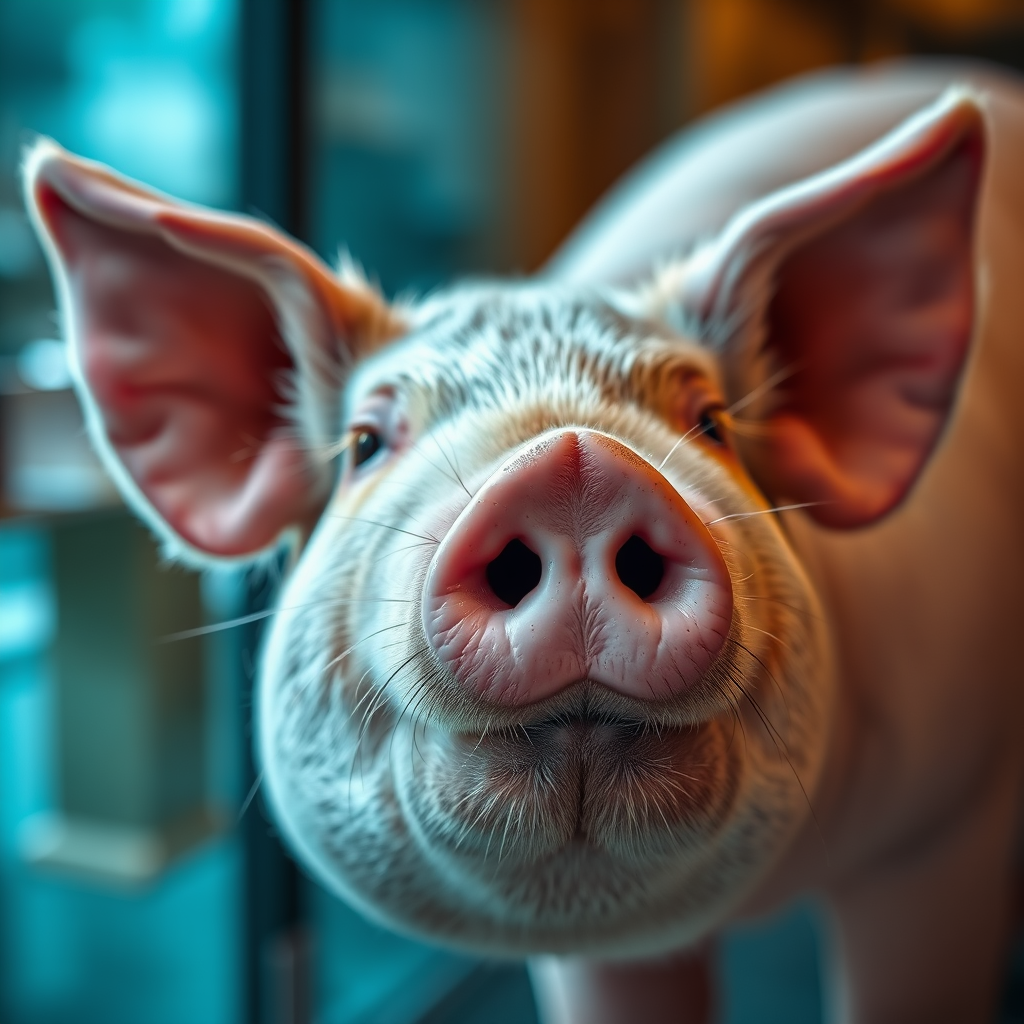
Pigs are fitted with rings in their noses primarily to prevent rooting behavior, which can lead to damage in pastures and gardens. This practice helps farmers manage their pigs effectively while minimizing environmental disruption. Rooting is a natural instinct for pigs, but when left unchecked, it can result in detrimental effects on agricultural landscapes. In this article, we will explore the reasons behind this practice, its implications, and alternative methods that can be employed to manage pigs ethically and effectively.
Understanding Rooting Behavior
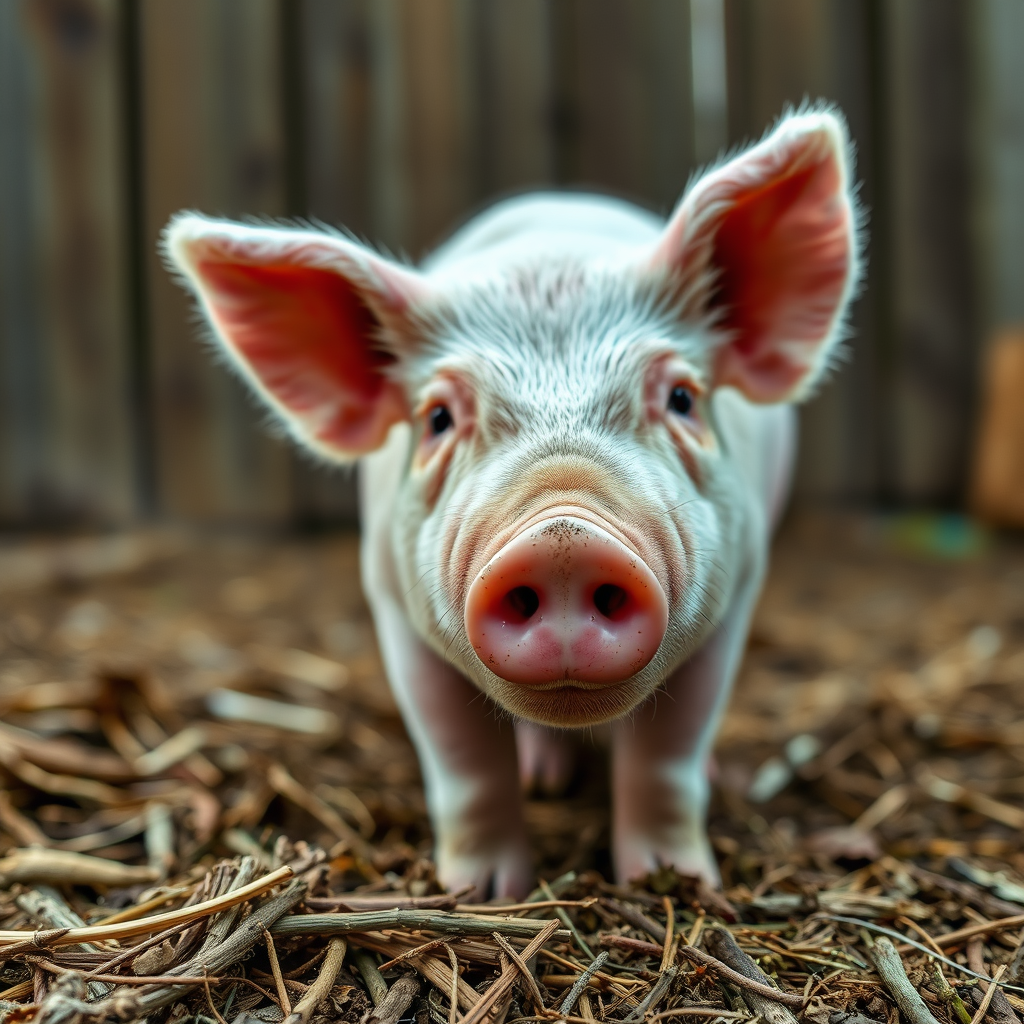
Pigs are inherently driven by their instinct to root, a behavior that involves using their snouts to dig into the ground in search of food. This behavior is rooted in their natural foraging instincts and is crucial for their dietary needs in the wild. However, when domesticated, this instinct can become problematic. Rooting can lead to significant damage to land, gardens, and crops, making management challenging for farmers. Pastures can become barren, soil health may deteriorate, and the overall aesthetic of agricultural land can be compromised. For farmers, maintaining the integrity of their land while ensuring the welfare of their livestock is a constant balancing act, necessitating the use of preventive measures such as nose rings.
The Purpose of Nose Rings
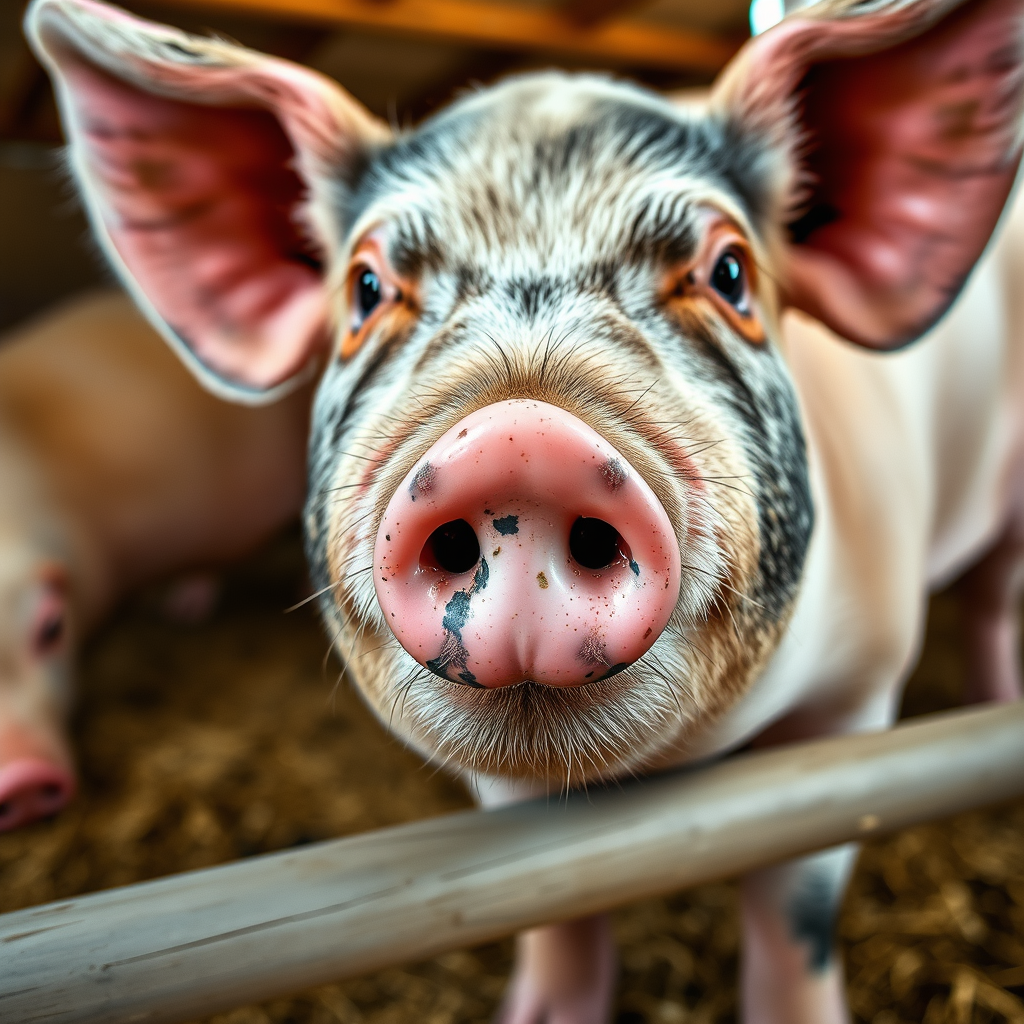
Nose rings serve as a deterrent to rooting by creating discomfort when pigs attempt to dig into the soil. By preventing this behavior, farmers can maintain healthier pastures and gardens, reducing issues such as soil erosion and damage to crops. The discomfort caused by the rings discourages pigs from engaging in destructive rooting, allowing for better land management. Moreover, this practice can help farmers avoid costly repairs to damaged landscapes, thus promoting more sustainable farming practices. Nose rings can be an essential tool in the farmer’s toolkit, allowing for a more manageable and efficient farming operation.
Types of Nose Rings
There are various types of nose rings, each designed to address specific needs and circumstances. Simple rings, often made of metal, are the most common and can be easily fitted to pigs. More elaborate designs include those with additional features that can increase their effectiveness or comfort, depending on the situation. The choice of ring often depends on the age of the pig, its size, and the specific farming practices employed. For instance, younger pigs may require lighter rings, while larger, more mature pigs may need sturdier options. Additionally, the choice of ring can be influenced by the farming environment, with some rings designed specifically for pasture-based systems and others for confinement operations.
Ethical Considerations
The use of nose rings has raised ethical concerns regarding animal welfare and the potential for pain or discomfort. Critics argue that the practice may be unnecessarily invasive and could lead to long-term psychological or physical issues for the pigs. Animal welfare advocates emphasize the importance of considering the feelings and experiences of animals, urging farmers to evaluate the necessity of this practice. Farmers must weigh the benefits of using nose rings against the implications for the pigs’ well-being, ensuring that they are not compromising animal welfare for the sake of convenience. This has led to increased scrutiny and calls for more humane alternatives that can effectively manage rooting behavior without resorting to invasive measures.
Alternatives to Nose Rings
In response to growing concerns about animal welfare, some farmers are exploring alternative methods to manage rooting behavior. These alternatives can include providing enrichment activities that cater to the pigs’ natural instincts, such as allowing them access to rooting areas that are less damaging or creating environments with the appropriate materials for digging. Specialized diets that include more fibrous content can also reduce the urge to root by satisfying the pigs’ foraging needs. Additionally, rotational grazing practices can help preserve pasture health while still allowing pigs some freedom to exhibit natural behaviors. These alternatives not only promote better animal welfare but can also lead to more sustainable agricultural practices.
Legal Regulations and Best Practices
Regulations surrounding the use of nose rings vary widely by region, with some jurisdictions imposing restrictions or outright bans on the practice. Farmers should be aware of local laws and best practices to ensure ethical treatment of their livestock. In many areas, regulatory bodies have guidelines in place that dictate the appropriate use of nose rings, emphasizing the need for minimal discomfort and ensuring that any intervention is justifiable. By adhering to these regulations and implementing best practices, farmers can maintain compliance while promoting the welfare of their pigs.
Conclusion
In summary, nose rings are used in pigs primarily to curb their natural rooting behavior, which can be destructive to farming environments. While this practice has its benefits, including improved land management and reduced damage to crops, it also raises ethical questions regarding animal welfare. Farmers must consider all options and adhere to regulations to ensure the humane treatment of pigs. Exploring alternatives and implementing best practices not only supports animal welfare but can also lead to more sustainable farming operations. For more insights on livestock management, explore our other articles on animal husbandry practices.
Frequently Asked Questions
Why do farmers put rings in pigs’ noses?
Farmers put rings in pigs’ noses primarily to prevent them from rooting in the ground, which can cause significant damage to pastures and fields. Pigs are naturally inclined to dig and root for food, and the rings act as a deterrent, making it uncomfortable for them to engage in this behavior. This practice helps maintain the integrity of the land and minimizes the risk of overgrazing and soil erosion.
How does a nose ring affect a pig’s behavior?
A nose ring significantly alters a pig’s behavior by limiting its ability to root and forage in the soil. While pigs may still exhibit some rooting behavior, the discomfort caused by the ring discourages excessive digging. This behavioral modification can be beneficial in agricultural settings, helping farmers manage their pigs more effectively while also promoting healthier pastures.
Are there humane alternatives to using nose rings on pigs?
Yes, there are humane alternatives to using nose rings on pigs, such as providing adequate space for rooting and foraging, or using enrichment tools that allow pigs to express their natural behaviors without damaging the environment. Some farmers implement rotational grazing practices and alternative feeding methods that reduce the need for nose rings while promoting the welfare of the animals. These methods can enhance the pigs’ quality of life while still protecting the land.
What types of nose rings are commonly used for pigs?
The most common types of nose rings used for pigs include the standard ring and the “bull nose” ring, which comes in various sizes to accommodate different breeds and ages. Standard nose rings are often made of metal and are inserted into the septum of the pig’s nose, while bull nose rings have a more rounded design. Choosing the right type depends on the specific behavioral issues a farmer is addressing and the size of the pigs.
Is it painful for pigs to have nose rings, and how can farmers minimize discomfort?
Inserting a nose ring can cause initial discomfort for pigs, similar to getting a piercing. However, if done correctly and under hygienic conditions, the pain is usually temporary. Farmers can minimize discomfort by ensuring that the procedure is performed by a trained professional and by using appropriate pain management practices, such as administering analgesics if needed. Regular monitoring of the pigs post-insertion can also help in identifying and addressing any potential issues promptly.
References
- https://en.wikipedia.org/wiki/Pig_nose_ring
- https://www.purdue.edu/newsroom/releases/2020/Q4/why-pig-nose-rings-are-used.html
- Dream Time: Monday with Alex – ABC Kids listen
- https://extension.unl.edu/statewide/boone/faq/nose-rings-in-pigs/
- https://www.thepigsite.com/articles/nose-rings-in-pigs-why-are-they-used
- https://www.researchgate.net/publication/261801423_Pig_Nose_Rings_The_Use_and_Impact_on_Pig_Welfare
- https://www.humanesociety.org/resources/why-do-pigs-need-nose-rings
- https://www.ncbi.nlm.nih.gov/pmc/articles/PMC6012001/